
I Saw Dolphins and Plastics Surfing Together
And you are responsible for all of this
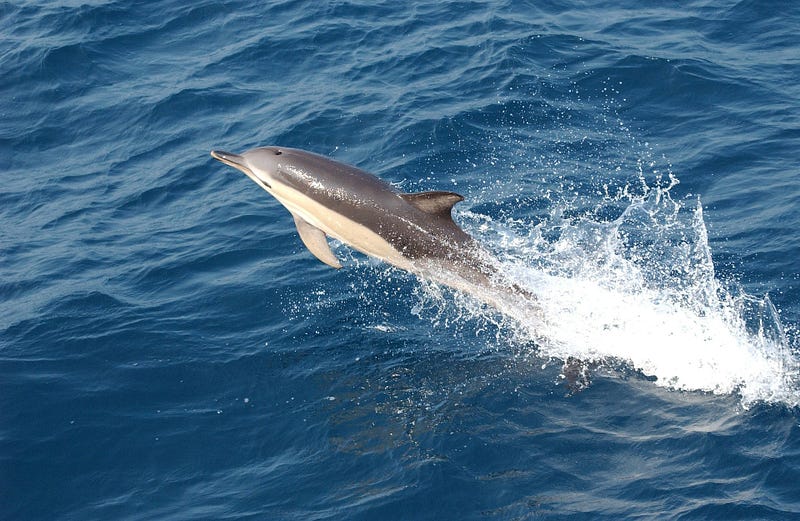
Have you ever seen a river where dolphins and plastics surf together?
Have you seen seasides where tides bring dead fishes and plastic-bottles to its bank simultaneously? Have you seen people try to catch fish but find plastic waste instead? Have you seen a river full of plastic household products used by human beings?
I have seen all of these in my last visit to Fort Kochi, India, in early March of this year.
Just before the global invasion of the COVID-19 pandemic, on March 05, 2020, I went on a vacation to Southern India. First, I went to Fort Kochi, a charming seaside area where Chinese fishing nets still catch fishes from the Arabian Sea.
Fort Kochi has historical importance as this little fishing village invaded by Dutch, Portuguese, and British, who left their marks on its architecture and way of life.
In the afternoon, when I went to have some fresh air and enjoy the beauty of the Arabian Sea, a striking scene caught my attention. I saw the beach was overcrowded with hundreds of tourists (local & international)— roaming, eating, gossiping, and enjoying the serene environment. I saw some tourists gathered around the Chinese fishing nets where locals were catching sea-fish. Being curious, I went close to the Chinese nets and to my surprise discovered that the plastic bottles outnumbered the fish.
In my imagination, Fort Kochi beach was a tiny little peaceful place. But in reality, I found it otherwise — overcrowded with people and full of plastic waste.
In the next morning, when heading towards Ernakulam by a ferry through Vembanad Lake, I saw something extremely shocking to my eyes.
I saw some dolphins surfing in the water full of plastic wastes. It shocked me to the core. My tourmate, whom I met a day earlier, told me that I could find everything in this water.
“Hey, you can shop for everything you need from this water. You see how we killed the ocean” — he told me. I took a closer look leaning my head out of the window and saw every plastic product I could imagine — floating in that water.
It was heartbreaking. And you need to know why? Because you’re the ones (me too) responsible for this disaster.
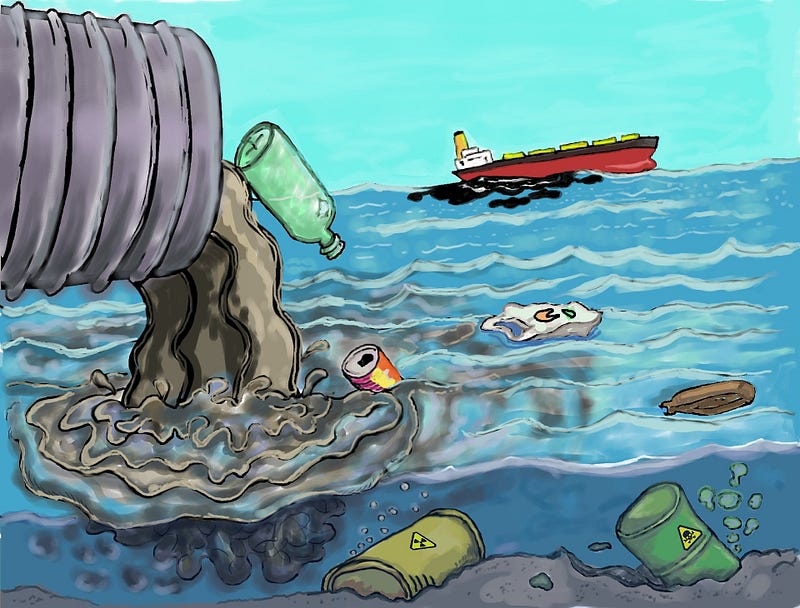
Let’s know some facts and figures about plastic pollution
Some facts and figures from Surfers Against Sewage(SAS):
- Every day approximately 8 million pieces of plastics find their way into our oceans.
- There may now be around 5.25 trillion macro and microplastic pieces floating in the open ocean, weighing up to 269,000 tonnes.
- Over 150 plastic bottles litter each mile of UK beaches.
What’s the big deal? How long a plastic bottle lasts?
A plastic bottle can last for 450 years in the marine environment, slowly fragmenting into smaller and smaller pieces which eventually end up microscopic but never truly go away.
100,000 marine mammals and turtles and 1 million sea birds are killed by marine plastic pollution annually.
— SAS
There are tons of facts and figures you will find online that clearly show how we are destroying our only livable planet. Yes, WE ARE DESTROYING the planet. Not any alien race from the outer world. You and I did all that shit.
In an article on National Geographic, Laura Parker wrote, half of all plastics ever manufactured have been made in the last 15 years.
Imagine, within just 15years, we have made it worse, what will happen in the next fifteen or twenty years later?
Laura wrote that the production increased exponentially, from 2.3 million tons in 1950 to 448 million tons by 2015. Production is expected to double by 2050.
Sarah Gibbens in her article ‘You eat thousands of bits of plastic every year’ says, the tiny pieces of plastic, scientists call microplastics, are everywhere. They sit at the bottom of the sea, mix into beach sand, and blow in the wind. They’re also inside us.
A study in the journal Environmental Science and Technology says it’s possible that humans may be consuming anywhere from 39,000 to 52,000 microplastic particles a year. With added estimates of how much microplastic might be inhaled, that number is more than 74,000.
Wait... What?
The truth is we, the modern people, don’t give a shit!
We have no time to think what the heck we are doing to mother nature.
No, I’m not responsible for all of these. I don’t have time to think about all that nature-stuff. I’m clean. I only use eco-friendly things. My brands say — it’s okay. I don’t have to worry a thing. Bla.. bla … bla.
We don’t have time to consider nature as the most crucial part of our existence until we get threatened by it.
We think we have the money. So, we don’t care and can solve it later. All that nature-stuff is someone else’s problem, not ours. It’s not us. It’s the corporations and factories to blame.
What should we do?
Governments can play a significant role by introducing policy-level changes to reduce plastic consumption and waste. But we know how governments work and how intricate their systems are. They hardly pay attention to the things that don’t bring money.
Whether the governments do anything or not, we can take small steps to make a big difference.
First Admit that we are responsible for this disaster.
Second Be mindful using plastic products. Reduce. Reduce. Reduce. Reduce your daily plastic consumption.
Third Try alternatives. Instead of plastic products, try to use alternatives if possible. You may replace plastic bottled water by simply carrying a reusable bottle with you. Same way, you may replace the one-time shopping bags by carrying your own reusable bag to markets.
Fourth Avoid one-time cup, bottle, plastic bags, straw, or anything that can be replaced by a permanent one.
Fifth Do not throw plastics here and there. Keep your surroundings clean.
Sixth Recycle your plastic products that are no longer needed.
These tips are so simple and require very little effort from you. It tells you to change just a few things to make a BIG DIFFERENCE.
Remember, you are not doing any favour to anyone. You are doing this for your own good, for your own existence.
I hope…
Someday, when I will visit Fort Kochi or, other beaches, I must see dolphins playing and surfing with their kids in a clean blue ocean free from plastic waste produced by us.
Thank you for reading and understanding.


