avatarJulie Nyhus MSN, FNP-BC

Free AI web copilot to create summaries, insights and extended knowledge, download it at here

2133

Abstract

on’s ongoing <a href="https://www.rushu.rush.edu/research/departmental-research/memory-and-aging-project"><b><i>Rush Memory and Aging Project</i></b></a>, study participants reported on the amount of mentally challenging activities they performed both early and later in life. Then the elderly men and women, mostly in their 80s, were tested and quizzed yearly during their final years of life.</p><p id="3b01">After the study participants died, brain autopsies revealed that those who engaged in long-term mentally challenging activities — like reading and writing — showed a 14 percent reduction in cognitive decline than would have been expected.</p><blockquote id="6d65"><p>Reading helps keep memory and thinking processes from tapering off too soon.</p></blockquote><h2 id="635f">Processing Benefits</h2><p id="f93a">One job of the anterior temporal lobes is to process written information. It takes the letters, words, sentences, even the story, and makes sense of it all. This happens with audible input as well, but reading is unique because there’s no need for the brain to process sounds.</p><p id="b12f">Reading forces our neurons to fire up immediately while they are transmitting and processing written information, making our brains work harder.</p><p id="ed97">While reading the mind can naturally pause, allowing time for comprehension and insight. Reading gives us more time to “think” and, thereby asking more from us.</p><blockquote id="cd52"><p>Reading strengthens and sharpens cognitive function.</p></blockquote><h2 id="f94c">Performance Benefits</h2><p id="6376">The central sulcus is the part of the brain responsible for motor activity. And, believe it or not, reading gives this part of your brain a workout too.</p><p id="7d5f">Functional MRIs (fMRIs) have shown that when the brain is thinking (or reading) about an activity, the same neurons are activated as if it were actually being performed by the body. The same parts of the brain are lighting up on fMRI as if the body were performing the activity.</p><p id="bc11">So even though you’re not actually on the whaling ship with Ishmael, when you’re rea

Options

ding Moby Dick, your brain acts as if you are.</p><blockquote id="d022"><p>Your overall cognitive performance gets a boost every time the central sulcus is activated, whether you’re body is involved or not.</p></blockquote><h2 id="9d80">High-performance Benefits</h2><p id="7d2d">Not all reading is created equal.</p><p id="7996">A <a href="https://news.stanford.edu/news/2012/september/austen-reading-fmri-090712.html"><b><i>study</i></b></a> at Stanford University used fMRIs to show that people reading a Jane Austen novel had increased blood flow to areas of the brain responsible for <i>both</i> cognitive and executive functions. This high-level activity isn’t found with more leisurely reading.</p><blockquote id="637a"><p>For high-performance benefits, seek out high-level activities such as deep reading that involves both attention and concentration.</p></blockquote><p id="da31">Reading . . . the perfect brain food.</p><div id="f5d6" class="link-block"> <a href="https://readmedium.com/two-ways-criticism-grows-a-human-being-139b7303afa8"> <div> <div> <h2>Two Ways Criticism Grows A Human Being</h2> <div><h3>Letting relationship conflict make you a better human</h3></div> <div><p>medium.com</p></div> </div> <div> <div style="background-image: url(https://miro.readmedium.com/v2/resize:fit:320/0*irNMlQDpJjbWzZZw)"></div> </div> </div> </a> </div><div id="a042" class="link-block"> <a href="https://readmedium.com/the-one-realization-that-will-change-your-life-969b4cee27e5"> <div> <div> <h2>The One Realization That Will Change Your Life</h2> <div><h3>It’s not about you.</h3></div> <div><p>medium.com</p></div> </div> <div> <div style="background-image: url(https://miro.readmedium.com/v2/resize:fit:320/0*9mCQtA5B5lA0HOTq)"></div> </div> </div> </a> </div></article></body>

Benefits of Feeding Your Brain

With words, sentences, and other magic ingredients
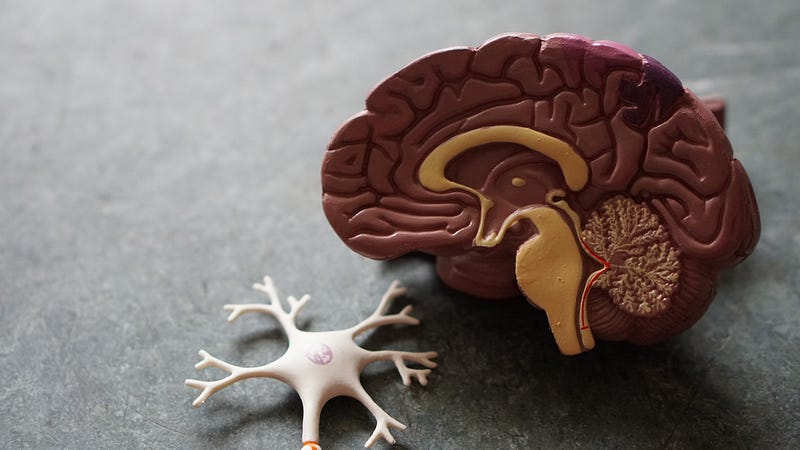
Photo by Robina Weermeijer on Unsplash

It’s cheap and easy.

It’s time-tested and magical.

Words, sentences, paragraphs, stories . . . the perfect brain food.

“Reading is to the mind what exercise is to the body.”

— Richard Steele

Long-term Benefits

According to a small study led by Gregory Berns, Ph.D., director of the Center for Neuropolicy at Emory University, reading benefits the brain days after you stop reading. Berns and associates reported a “resting-state connectivity” of the brain that persisted up to five days after reading a quality novel.

The team used the phrase “shadow activity” to distinguish the benefit and described it as muscle memory for the brain.

The fact that reading can bring lasting neuronal connectivity changes in the brain is a solid argument to promote daily reading.

Aging Benefits

A study by Robert S. Wilson, at Rush University Medical Center in Chicago, showed that the memory and thinking skills of those who participated in mentally challenging behaviors — like reading — were preserved over time.

Wilson and colleagues wanted to see if mentally stimulating activities could hold off dementia and Alzheimer’s. Indeed, they found that reading and writing — no matter the age — can keep memory and thinking skills intact.

As part of Wilson’s ongoing Rush Memory and Aging Project, study participants reported on the amount of mentally challenging activities they performed both early and later in life. Then the elderly men and women, mostly in their 80s, were tested and quizzed yearly during their final years of life.

After the study participants died, brain autopsies revealed that those who engaged in long-term mentally challenging activities — like reading and writing — showed a 14 percent reduction in cognitive decline than would have been expected.

Reading helps keep memory and thinking processes from tapering off too soon.

Processing Benefits

One job of the anterior temporal lobes is to process written information. It takes the letters, words, sentences, even the story, and makes sense of it all. This happens with audible input as well, but reading is unique because there’s no need for the brain to process sounds.

Reading forces our neurons to fire up immediately while they are transmitting and processing written information, making our brains work harder.

While reading the mind can naturally pause, allowing time for comprehension and insight. Reading gives us more time to “think” and, thereby asking more from us.

Reading strengthens and sharpens cognitive function.

Performance Benefits

The central sulcus is the part of the brain responsible for motor activity. And, believe it or not, reading gives this part of your brain a workout too.

Functional MRIs (fMRIs) have shown that when the brain is thinking (or reading) about an activity, the same neurons are activated as if it were actually being performed by the body. The same parts of the brain are lighting up on fMRI as if the body were performing the activity.

So even though you’re not actually on the whaling ship with Ishmael, when you’re reading Moby Dick, your brain acts as if you are.

Your overall cognitive performance gets a boost every time the central sulcus is activated, whether you’re body is involved or not.

High-performance Benefits

Not all reading is created equal.

A study at Stanford University used fMRIs to show that people reading a Jane Austen novel had increased blood flow to areas of the brain responsible for both cognitive and executive functions. This high-level activity isn’t found with more leisurely reading.

For high-performance benefits, seek out high-level activities such as deep reading that involves both attention and concentration.

Reading . . . the perfect brain food.

Brain
Mind
Self Improvement
Reading
Reading Books
Recommended from ReadMedium