
Being Mindful Of How We Can Protect The Cells In Our Brain
Otherwise, nefarious situations can accelerate the rate of brain cell death, which is not something we’d like to see in our brains.
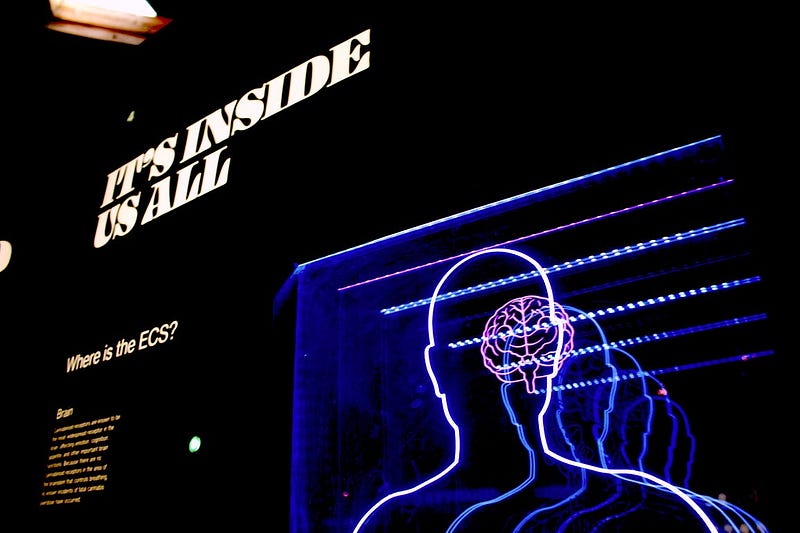
Our brains contain approximately 86 billion neuron cells that are used in storing and processing information.
These neuron cells are like any other live organism. They possess a finite lifespan, and when they have outlived their usefulness, they are condemned to the scrap heap for elimination and recycling via autophagy. This is part of the normal cell life cycle.
The quality of our lives is heavily dependent on a properly regulated rate of cell growth and cell death. However, in neurodegenerative issues such as Alzheimer’s and Parkinson’s diseases, which are common among the elderly, we do notice that the brain loses its capability to function at the same capacity as they age — and that’s because the cells in certain parts of the brain are dying at faster than usual rates.
One of the central tenets of brain cell survivability is the concept of inflammation. When the brain gets inflamed, brain cells are programmed to commit apoptosis (suicide) prematurely, resulting in a loss of brain capacity and activity.
That’s one reason why getting an extremely high fever can be bad for us. The high fever is a sign of acute inflammation, and if that inflammation can make its way to our brain, it can then affect those brain cells. If those brain cells die prematurely, we’d see a loss of brain capacity and activity.
Hence, extremely high fevers of 108°F (42°C) can be pretty detrimental for brain function, and it could even lead to death, especially if the essential brain functions for human life are impaired by the fever.
We have a blood brain barrier that functions as a biochemical filter.
The blood brain barrier (BBB) functions as a filter to prevent the diffusion of any noxious chemicals from the blood supply into the brain, and as such, protects the delicate brain cells from coming into contact with any noxious chemicals.
However, the BBB filtering mechanism can be weakened in the presence of elevated pro-inflammatory cytokines. These cytokines are biochemicals that function as signallers, and are produced by the immune system as a response to any form of injury.
And when the filter is weakened, things that should not have been able to pass through the filter are now able to pass through the BBB. Including all the undesirable biochemicals in the blood that have no business being in the brain at all.
The problem with all these foreign undesirables is that the immune cells in the brain start to recognise that these undesirables have no business being in the brain at all. They then start to produce their own pro-inflammatory cytokines to signal other immune cells in the brain that there is a problem with these toxic invaders (in fact, excessive unmitigated stress can trigger the same pro-inflammatory signalling too).
That amplifies the whole issue of inflammation in the brain right there.
This higher than normal pro-inflammatory cytokine concentration in the brain programmes the neuron cells in the brain to commit suicide prematurely, before the end of their lifespans. This premature neuronal death results in a reduced brain capacity, and one would then be on their way towards the development of Alzheimer’s disease. That’s when the inflammation levels are mildly elevated in a chronic manner.
At an acutely elevated inflammation level, however, the suicide rate increases tremendously, hence one unmitigated high fever (bringing with it a spike in the pro-inflammatory cytokine concentration in the blood) can bring about brain damage in a person if it is to be prolonged and extended.
Dealing with Alzheimer’s involves an addressing of the inflammatory issue.
Of course, that is easier said than done. There are so many things that can disrupt the inflammatory signalling mechanisms in our body, all regulated by our immune system.
We’re not talking about one specific cytokine here, but what we have are multiple cytokines that do end up participating in complicated, interactive pathways that are interlinked.
Which is why Alzheimer’s rarely appears as a standalone problem. It is a symptom that comes together with other chronic inflammatory symptoms such as Type 2 diabetes and heart disease.
The easiest thing to say is to get the immune system rejigged, of course.
And that involves getting the cells in the immune system to cooperate. They have to produce the appropriate quantities of pro- and anti-inflammatory cytokines to maintain a consistent balance.
This leads us to the Goldilocks Principle. Much like how Goldilocks found Papa Bear’s porridge too hot and Mama Bear’s porridge too cold, while Baby Bear’s porridge was “just right”, the author Christopher Booker states that
The idea that the way forward lies in finding an exact middle path between opposites is of extraordinary importance in storytelling.
Unfortunately, the balance in our life also involves finding an exact middle path. In the case of inflammation, we’d be looking at how to balance out the pro- and anti-inflammatory cytokine signals to get that exact middle path.
Which is not easy to achieve in real life. If we could do that really well, we don’t have to worry about developing any of those chronic inflammatory diseases that are out there.
But we can’t. We can only focus on what we prioritise. For some, it might be having to work 3 jobs just to pay the bills. Others might be focused on building their careers or raising their families. And when we’ve got that focus on those issues as Number One priorities, other tenets of our lifestyle such as sleep, stress management, diet or exercise can be compromised, which will then affect the core issue of balancing the inflammatory signals significantly.
Is it any wonder why the chronically stressed face premature aging issues and a higher risk of getting these chronic inflammatory diseases? Or even getting chronic sleep deprivation, which further amplifies the pro-inflammatory situation?
Or why an overconsumption of processed carbohydrates is highly inflammatory and can lead to more chronic inflammatory issues forthcoming?
And all these can eventually be the straw that breaks the camel’s back. The very last bit of pro-inflammatory cytokine that disrupts the balance and causes a breach in the BBB.
The brain is one of the most crucial organs in the human body for human life to continue. Let’s be mindful of how to treat it better.
Do feel free to refer to these 12 different brain boosting nutrients that can support a healthy brain function:
Joel Yong, Ph.D., is a biochemical engineer/scientist, an educator and a writer. He has authored 5 ebooks (available on Amazon.com in Kindle format) and co-authored 6 journal articles in internationally peer-reviewed scientific journals. His main focus is on crafting strategies to support optimal biochemical functions in the human body at https://thethinkingscientist.substack.com.


