
Beginning A Year of Achievable Change
Making small changes all year to radically improve your health
It’s a new year, and this year is going to be the year of achievable change.
In previous years we’ve all been guilty of promising ourselves enormous changes, before falling hopelessly short. 80% of people don’t even make it to March before completely abandoning their new years resolutions.
We’re selling ourselves short by setting the goal post way further back then we need to all at once.
We don’t fall short because we’re weak or stupid, we’re just not built to adapt to massive changes overnight. Instead, we should be setting ourselves small achievable goals far more often. Instead of changing everything as soon as January comes around, we should instead make a small change every month of the year.
With that in mind, let’s begin by swapping out some of our harmful food choices with more positive ones each month. That way we can far more easily change our diet for the better by next year, without the risk of an all-out collapse in March.
I don’t presume to tell you how you should map out your entire year, but I’d love to give you a few ideas on how you can make some easy changes during the first quarter of the new year.

January
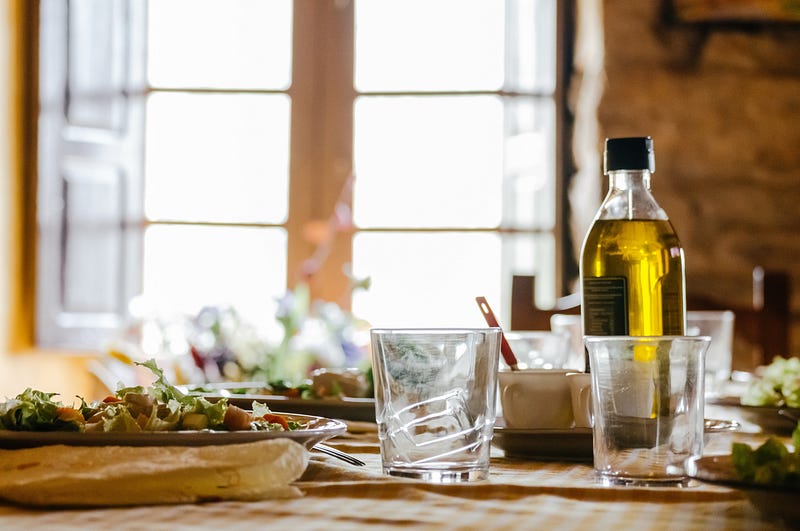
The first change we should make is updating the oils we use to cook with. Cheap vegetable, canola and corn oils are overly processed at high temperatures. This extracts the most oil possible from the vegetable, but also makes the product dangerous.
When you use these oils when you cook, the oil releases a concentration of chemicals called aldehydes which have been linked to a variety of illnesses including cancer. The vegetables being used, the way they’re grown, and the way the oil is processed is what’s making them so dangerous.
Instead, look for healthier oils that have been cold pressed. This ensures that the oil will cook at a high heat without giving off any dangerous chemicals. Extra virgin olive oil is a great choice, but if you don’t want to taste the oil in your food, avocado oil is perfect.
February
The second change to make will be introducing probiotic bacteria into your diet. Food science has come a long way, and we’re now beginning to better understand the impact that bacteria has on our physical and mental health.
The bacteria that lives in our gut biome can impact our mood, our general health, and even whether we gain or lose weight. We get to have a say in what bacteria strains thrive inside of us, and we do that by making small changes to our diet every day that introduces positive bacteria into our guts.
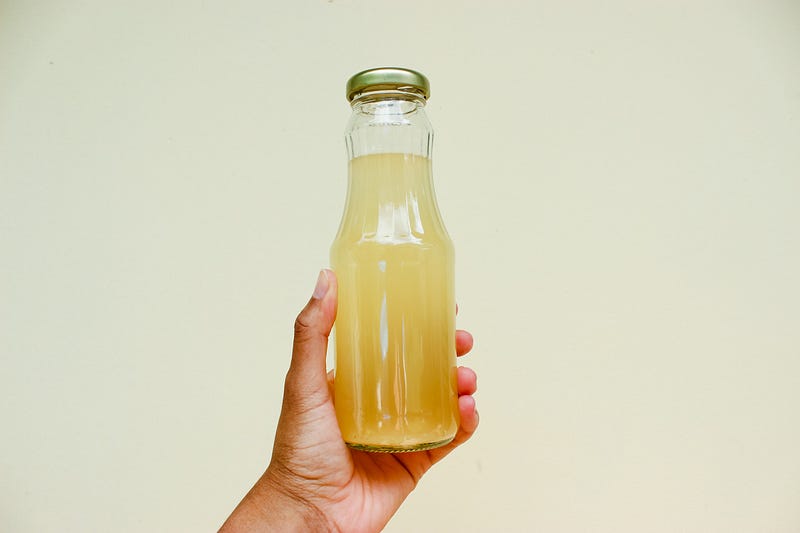
One way is with apple cider vinegar. Adding just a teaspoon to a glass of water in the morning is a fantastic way to clear out our digestive track and foster a thriving community of probiotic bacteria that will work hard to digest your food throughout the day. Introducing more probiotic bacteria is also a great way to handle the negative side effects of antibiotics which are notorious for stripping our stomachs of bacteria which can lead to diarrhoea and nausea.
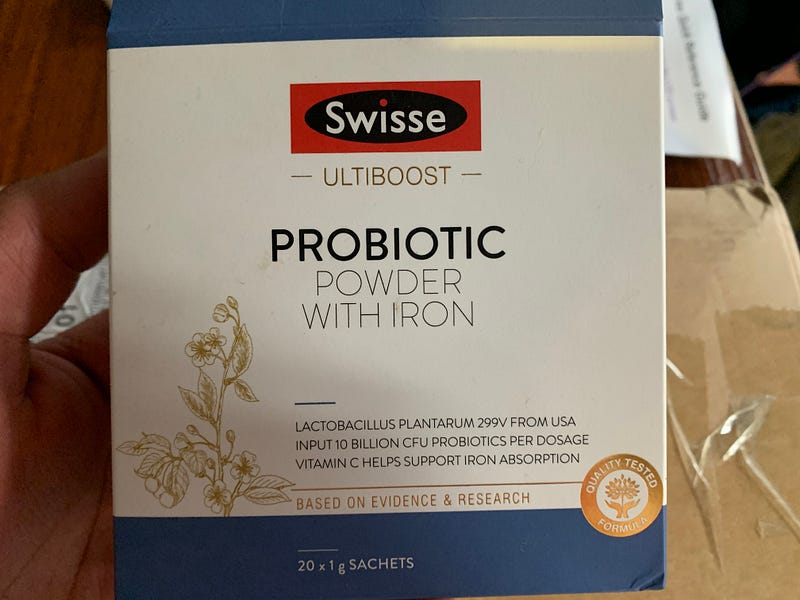
If you’re having any troubles going to the bathroom, you can usually attribute it to an imbalance in your gut biome. Highly probiotic foods such as sauerkraut can help, as well as apple cider vinegar and even supplements.
Make sure that when you’re adding apple cider vinegar to your diet, it’s either home made or organic and contains ‘the mother’. You don’t want anything that’s been pasteurised, this process makes it useless. Pasteurisation heats up the vinegar and kills the bacteria that makes it beneficial to your gut. Organic and unpasteurised vinegar is great, homemade is even better. (Link to my recipe at the end of the article).

March
This year it’s finally time to boost our baking and begin using healthier flours when we bake.
More and more of us are becoming gluten intolerant, and many of us don’t even know it. You could be experiencing symptoms that you’ve always attributed to asthma or allergies when really you could be allergic to wheat or gluten.
As companies do more to save money in farming and production costs, regular flour continues to become more poorly and cheaply made. It’s time to move forward and begin baking with flours that will actually give us nutrition instead of causing inflammation.
For the moment it can be a little difficult to find alternative flours, but as more people adapt it will get easier. Look for vegetable and fruit flours such as banana flour. Natural and organic vegetable flours are amazing sources of protein and fiber. Cauliflower flour is another great replacement for standard white flour. If you’re really feeling daring, have a look out for cricket flour. It’s made with crickets (as in, the bugs) and contains enormous amounts of protein.

Let the year of achievable change begin!
As the global community continues to become more aware of better and healthier living, it’s going to become easier and more affordable to achieve greater health.
Simply swapping out a few ingredients when you cook can mean the world of difference for the health of you and your family. Just don’t make too many changes too quickly, you may find it too difficult and too expensive all at once.
Make one change this month, then research another change for the following month. Ensure that you’re comparing prices and making sure you can afford to make the next change. Compare studies and make sure the change is right for you.
Once you’re sure of a change, try to buy ingredients in bulk to cut costs. By rolling out changes slowly, you’ll be able to adapt more easily and won’t find that the changes are negatively impacting your life.
By this time next year, you may find that life isn't any more difficult or more expensive, but you’re feeling a lot more healthy. These are the signs of a healthy and well achieved new years resolution.


