
Before Mrs. Rosa Parks, There Was Mrs. Martha White, The Louisiana Bus Boycott
The life and legacy of Mrs. Martha White, a civil rights pioneer who refused to give up her seat on the bus
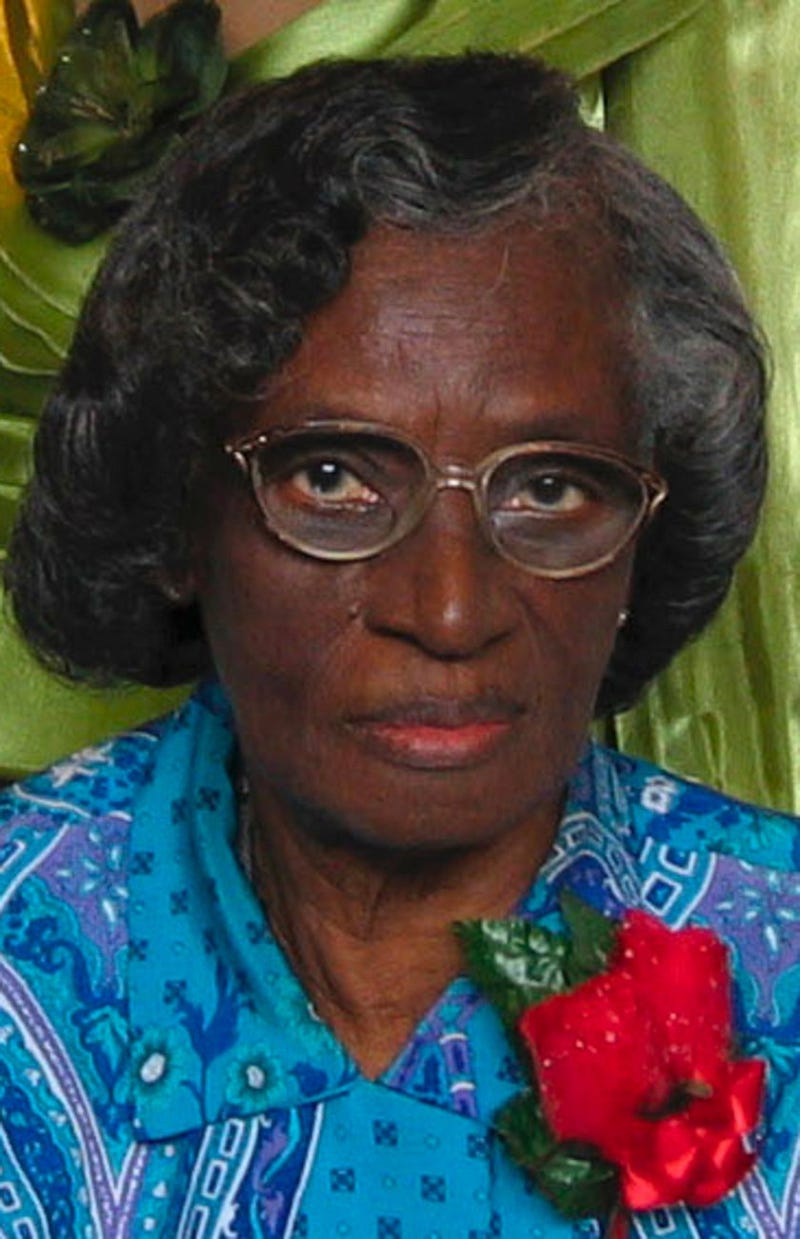
American History celebrates the life and times of another pioneer and champion for the Civil Rights Movement during the 1950s who sat on the bus in a seat meant for white passengers but for this particular day refused to get up as she was too tired to stand as in the past.
Mrs. Martha White, an outspoken and unafraid activist, helped launched the 1953 bus boycotts in Louisiana as she dared to sit in a seat that would change her destiny for the rest of her life. Her efforts and activism foreshadowed the civil rights era to come.
In 1953, at the ripe old age of 23, Mrs. White worked as a housekeeper in the capital city of Baton Rouge, after work she was exhausted from work and the long walk back to the bus stop, and when you got on the bus there was an empty seat and she sat there like it belonged to her since she paid her fare to ride and sit.
Just as she sat in the seat designed for white passengers, shortly thereafter arrived the bus driver demanding her to get up and threatened to have her arrested but she didn’t budge, and she refused to move as another Black woman sat beside her in solidarity.
When the driver ordered her to get up, Mrs. White refused and remained determined this day she would sit and ride the bus, and sit and ride she did in the midst of being threatened by the bus driver to have both ladies arrested.
After Ms. White profound stance to not be moved, the police, the bus company manager and a civil rights activist, Rev. T.J. Jemison showed up. To the bus driver amazement and shocked, Mr. Jemison informed the bus driver of a recently passed ordinance to desegregate buses in the city, meaning Mrs. White wasn’t violating any rules.
As you might expect, white privilege raised its ugly head with a bus drivers strike that overturned the ordinance.
“When they go low you go high,” Michelle Obama
Mrs. White money was good enough for her to get on the bus but not to sit! Her money was the same color as the white passengers!
The Black community showed the bus company, the officials and the white community that they are tired of giving money to a system that treats them less than citizens and humans. Due to the drivers strike to overturned the ordinance, the Black community in Baton Rouge hit them in their pockets where it counted by keeping their dollars to themselves to show the city they are not taking this system of suppression no longer, with their own boycott. Mrs. White stance provoked the boycott and it became the framework for the famous effort sparked by Rosa Parks, whose choice to sit on the bus like Mrs. White, sparked another bus boycott in Montgomery, Alabama in 1955.
Mrs. White’s legacy and activism unbeknownst to many near and far, will be forever championed by those who knew her, know her now and hopefully for the generations to come to be inclusive of American History, in all educational institutions.
As an outspoken personality, Mrs. White stated, “Can you imagine working on your feet all day and just wanting to sit down?’”
Sentiments for Mrs. Martha White’s legacy:
“We really lost a true pioneer for civil rights,” said Jason Roberts, co-owner of the Baton Rouge African American Museum.
“Martha White undoubtedly shaped our community in Baton Rouge, and communities across our nation,” Baton Rouge Mayor Sharon Weston Broome said. “We honor her legacy today and every day.”
“She was the same way from when she was young to when she was 90 years old. She knew that what she did was for the good of everyone.” Jemison
In conclusion, Mrs. Martha White’s, 99 years old, legacy will forever be itched into the fabric of Black and American History for generations to come as she was instrumental in the integration of society. R.I.P.
For additional reads:


