
Emotional eating
Before Labeling Yourself as an ‘Emotional Eater’, Check This First
You could be hungry… or malnourished… or both

“I am an emotional eater, and I feel so ashamed about it. I cannot control myself during certain times of the day… I simply cannot stop.”
This is one of the many variations I hear about emotional eating in my work with clients.
More often than not, we flag our “emotional eating” as the primary culprit of our unwanted weight, and this comes together with a tinge of judgment:
◾ “I can’t control my voracious appetite”
◾ “I lack the willpower to stop when I am full”
◾ “I fail to resist the impulse to empty that package of chocolate cookies when I arrive home!”
Yes. There are moments in which we turn to food to mitigate our stress or numb those uncomfortable emotions arising from certain life situations: better to dodge and quench them with some dopamine than to face them at the end of the day (or the week).
However, amid this blast of blame, shame, and guilt mental dialogue, we may overlook this critical nuance:
Are we reaching for food because of our emotions or because of an ‘emotion-less’ reason?
Let me explain it.
You could be hungry… or malnourished…or both
‘What? But I’ve spent the whole day snacking and pecking like a hen! ‘
Yes, you can ingest 4,000 Kcal a day and yet, be physiologically malnourished.
Being malnourished is not necessarily linked to you daily caloric intake.
#!🌟W⚡T☠️…🤯!!
Here you have three common scenarios in which this situation typically takes place:
1. You have been struggling to stick to a very restrictive-imbalanced diet for far too long
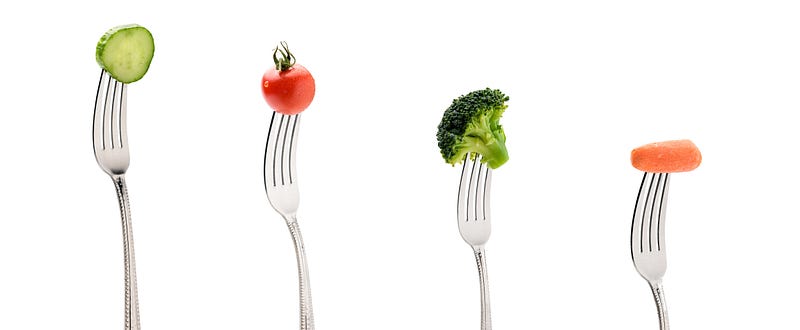
In this case, you may be deficient in specific macro- or micronutrients, and your body will likely deploy a whole range of signals whose only purpose is to nudge you to feed yourself properly.
Your cravings for carbs, salty chips, or greasy bacon could well find their roots here…
Therefore, it might not be, after all, about blaming these food items or blaming yourself for the uncontrollable cravings.
Instead, it might be about evaluating your whole diet and finding a more balanced and sustainable way of nourishing yourself.
2. You live with a permanent ‘chronic-diet mindset’
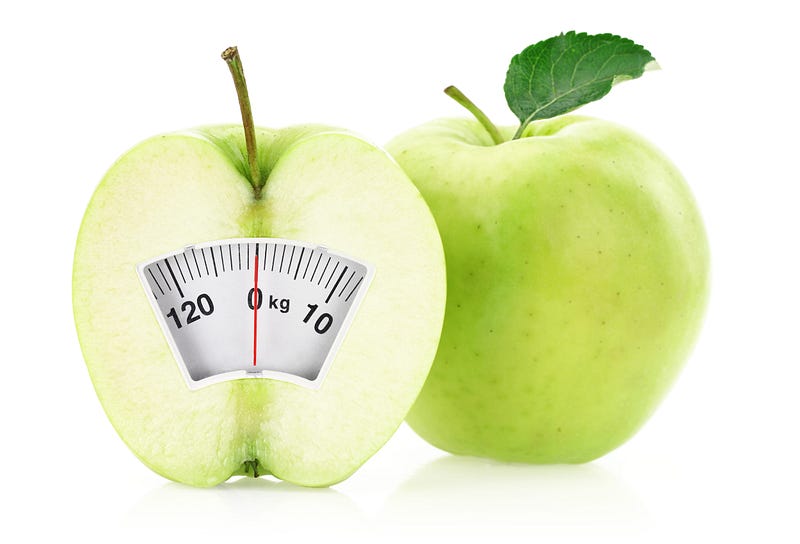
You are skipping meals, counting calories while fighting hunger, and “cheating your stomach” with very-low calories foods during the first half of the day.
You are trying to keep hunger at bay in an attempt to lose weight or to prevent from gaining it.
With this as a backdrop, it is predictable that you will crave foods late in the afternoon or the evening.
There is nothing emotional there. It is hunger.
3. You do not eat in a balanced way according to your actual needs
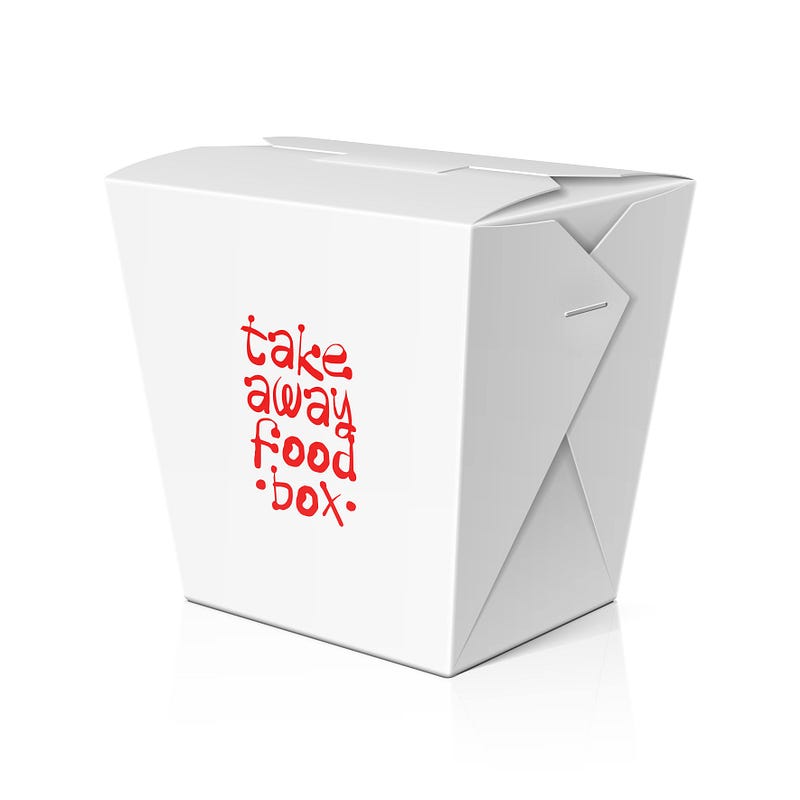
You don’t have time to cook — or do not have the skills- and reach for convenient, ready-to-eat food on a regular basis, especially after an exhausting day at work.
You will likely miss one -or several- micronutrients if those foods represent a significant share of your plate every week.
And yes, this may happen even when the caloric intake greatly exceeds our daily requirements.
Any of the former situations will likely compromise your ability to control yourself in the evening or when the weekend approaches.
It is not about blaming your “stunted” willpower
It is about you being HUNGRY or “HANGRY” — Hungry + Angry — and likely, malnourished.
In other words, your body lacks both energy and some essential micronutrients.
How is that possible?
Unfortunately, our body doesn’t send explicit, computer-like, analytical messages, such as:
“You are low in magnesium, your iron levels are plummeting, and your lysine is almost inexistent: please, refill” …
No. Instead, our body shouts:
EAT! EAT! EAT! Grab food right now, and do not stop until I feel the stomach overstretched!
Which food we reach for, and how the food industry takes advantage of it, is another story, and I wrote about it here.
In line with this physiological reason often misinterpreted as “emotional eating”, Dr Mehmet Yildiz published a very informative and comprehensive article: Three Tips to Eliminate Food Cravings.
The second pillar he mentions, i.e., “Eating Essential Nutrients, Regulating Blood Glucose, and Staying Insulin Sensitive” is precisely the one that helps counterbalance this physiological root cause.
Other underlying causes for your wrongly labeled “emotional eating” behavior
Being malnourished is not the only cause.
👉I explained here what happens when we confuse the hunger signals with the need to rest and replenish our energy.
👉And here, I started to scratch the surface of how the food industry takes advantage of our need to soothe the stress symptoms.
Yes, stress is not an emotion but a physiological state.
There are other reasons why our eating behavior has less to do with emotions and more with physiology.
Would you like to learn about them?
Let me know in the comments, and I will gladly share them with you in future articles.
If you would like to read more articles like this about nutrition, emotions, hormones, and making peace with your food, you can connect with me here 👇:
● Subscribe to my MEDIUM Email List
● Connect with me on LinkedIn
● Follow me on Twitter
I’d love to connect with you!


