
Becoming a Millionaire with Passive Income?
Things I wish I knew when I was in my 20's
By Mariana Patino

What is passive income? Well, it is revenue that is generated with little or no ongoing effort on your part. Sounds good, right? The truth is, it is generally a bit more complicated than getting paid for doing nothing. Passive income is no magic trick, and it is rarely easy to come by. A substantial investment in time and money is needed to get to the point where you generate passive income.
“There’s no such thing as a free lunch.” — Milton Friedman
Starting a blog, creating digital products like e-books, online courses or creating an app are often mentioned as good passive income ideas. These all require a significant amount of work and time before becoming a good passive source of income, but they can be the first step for your financial freedom.
Peer-to-peer lending has grown in popularity in the past decade and has fewer entry barriers than real estate, but you should be aware of loan default risks as an investor. Many people who apply for peer-to-peer loans have low credit scores, making it difficult for them to get a traditional bank loan and more likely to default.

What about investing? Rental income is a popular way to earn money without much effort, but it requires a substantial initial investment and often more work in maintenance than expected. Real estate income trusts (REITs) are an alternative to investing in real estate without the hefty down payments. REITs are companies that own income-producing properties in a wide variety of sectors, such as office buildings, commercial spaces, hotels, or apartments. Most REITs are traded on stock exchanges and pay high dividends (they must payout at least 90 % of their taxable income to shareholders). Like any stock, REITs risk losing value, so picking the right REITs is crucial.
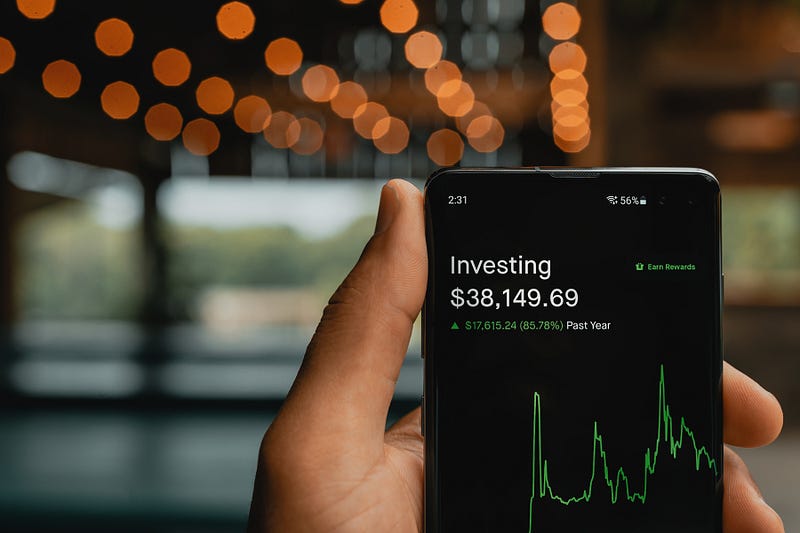
Investing in dividend-paying stocks is one of the simplest and most passive ways to generate income. Investors who hold dividend stocks receive regular dividend payments from the company’s profits; all you need is to own stock in the company. You get paid based on the number of shares you own, which means you’ll need to invest a significant amount to have a good revenue stream. For example, in 2021, IBM paid a quarterly dividend of $1.64 per share ($6.56 annually), so to have an annual income of $40,000, you’d need to own 6,098 shares. If you had bought the stock at $120.01 per share (the lowest trading price of December 31st, 2020), you needed to invest $731,821 (this is not investment advice). Naturally, dividends vary from one stock to another and might change year over year. Picking the right stocks is the difficult part, particularly if you are a rookie investor (see 5 Mistakes to Avoid as a New Investor). While dividend index funds or ETFs may ease the pressure of stock picking and solve the diversification risk, you still need a considerable amount invested to generate a good source of income.
After reading this, you may be thinking it is pretty hard to become a millionaire with passive income. You are right! Most of these strategies are anything but passive, and it seems that you need to be a millionaire to have a relevant passive income stream. The good news is it is possible to become a millionaire in a simple yet feasible way. The key is to be patient and have a long-term perspective.
How can you become a millionaire?
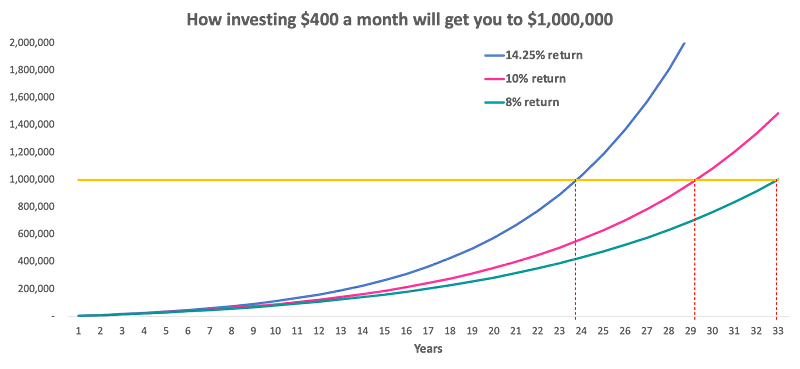
If you invest $400 a month and grow your contributions by 3% every year (that is $400/mo. during the first year, $412/mo. in the second, $424/mo. in the third, and so on), with a compound annual growth rate (CAGR) of 14.25% (the CAGR of the S&P500 Index for the past 10 years), you can become a millionaire after 24 years. And it’s all because of the power of compounding. You might think a return rate of 14.25% is too aggressive. Well, an average return of 8% will still get you to a million, it will just take longer.
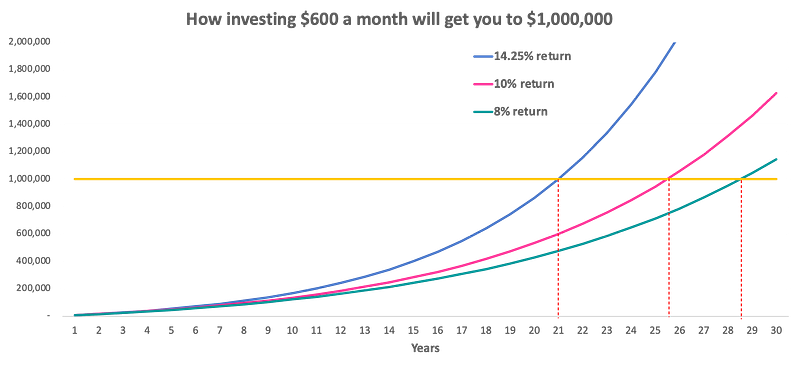
On the other hand, if you can invest a greater amount every month, you will reach that million faster. You can use those “passive” income ideas like starting a blog to get hold of some extra cash you can invest for the long run.
Chose the right investment strategy for you!
There is no one size fits all approach when it comes to investing. It will depend on your age, risk tolerance, knowledge of financial markets, and goals. Don’t go for an active stock-picking strategy if you do not understand the market or the companies whose stock you are buying. Keep in mind that active investing strategies have higher associated costs and tend to be riskier. It is wise to seek advice and always diversify.
Being disciplined with your expenses and committing to contribute regularly to your brokerage account will let you reach your financial goals faster. Many brokerage accounts have automated or recurring investment features, and they work as pre-authorized payments. This will help you be disciplined when it comes to saving and investing. It’s not about not spending at all; it’s about spending wisely. So, the next time you are thinking about buying an expensive pair of shoes you probably don’t even need, think about you’re your long-term financial goals before deciding.
Find out how Buckets Investing can help you build the foundation for financial prosperity. Buckets are available here!
About the author: Mariana is an experienced investor with a passion for financial markets. She enjoys supporting others in learning about money and finance to make better financial decisions.
Note: This article should be considered informational only. It should not be considered financial or investment advice.


