avatarRhonda Carrier

Summary

Rhonda Carrier shares her passion for backyard biology through a vibrant butterfly garden that supports the full lifecycle of butterflies and other wildlife, captured in a series of photographs documenting the beauty and diversity of her backyard ecosystem.

Abstract

The undefined website features an article by Rhonda Carrier that showcases the enchanting world of her backyard butterfly garden. This sanctuary not only provides a nurturing environment for various species of butterflies, including the Gulf Fritillary, Zebra Longwing, and Monarch, but also supports their complete life cycle from egg to butterfly. The garden is a living laboratory for studying the complex biology of butterflies, where the author and her grandchildren observe the intricate stages of metamorphosis. The article is enhanced with stunning photography that captures the essence of these delicate creatures and other Bs of the backyard: bees, birds, and bats, emphasizing the importance of such habitats for biodiversity. Additionally, the piece acknowledges the contributions of JoAnn Ryan and the Living Color project for promoting photography that celebrates the vibrant colors of nature.

Opinions

  • The author expresses a profound appreciation for the natural world, particularly the biology of butterflies.
  • There is a sense of wonder and excitement in observing and photographing the various stages of a butterfly's life cycle.
  • The importance of creating and maintaining a garden that sustains local wildlife is strongly emphasized.
  • The author values the educational aspect of the backyard garden, using it as a tool to teach grandchildren about biology.
  • The article conveys the beauty and intrigue of everyday encounters with nature, suggesting that one doesn't need to travel far to experience the wonders of the natural world.

B: Beautiful, Bountiful Blooms, Butterflies and a Bat in our Backyard

Living Color Monthly A — Z Photo Challenge

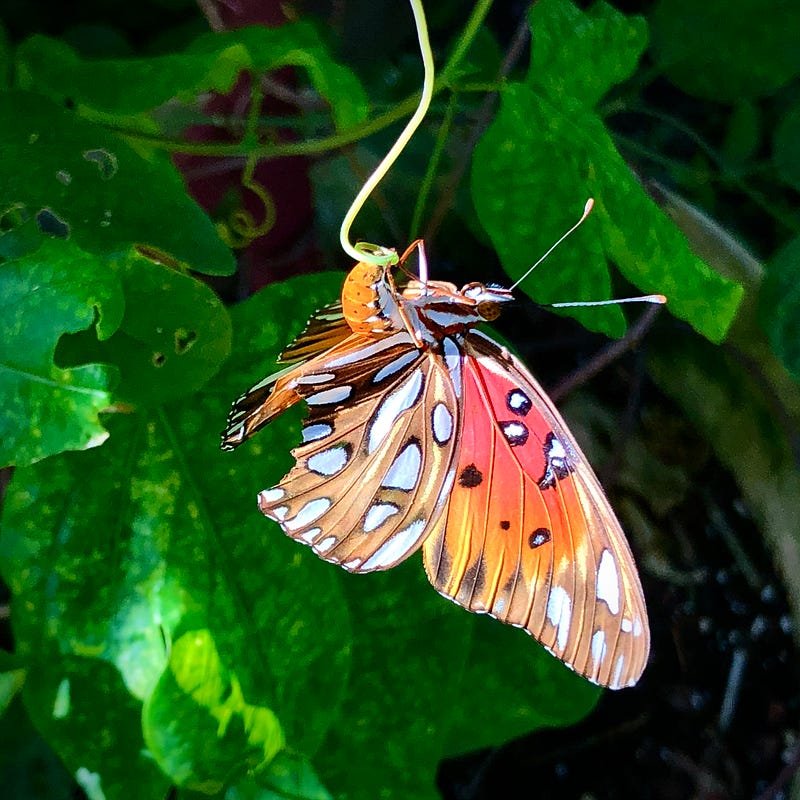
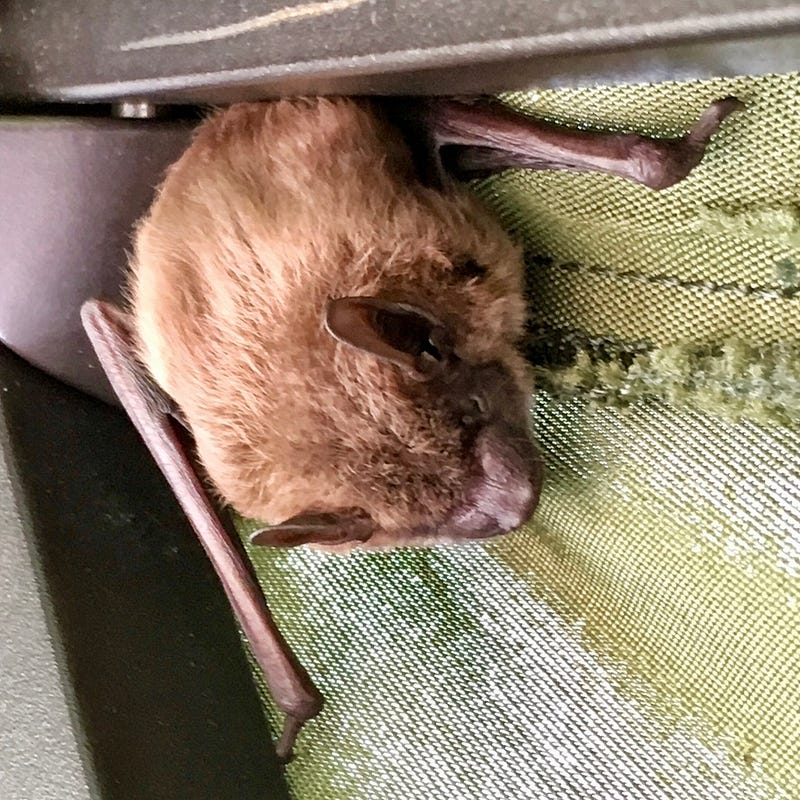
We love our backyard. Our backyard butterfly garden is where the grandkids and I study our Backyard Biology. We love watching butterflies, but sometimes it seems like they are watching us also.
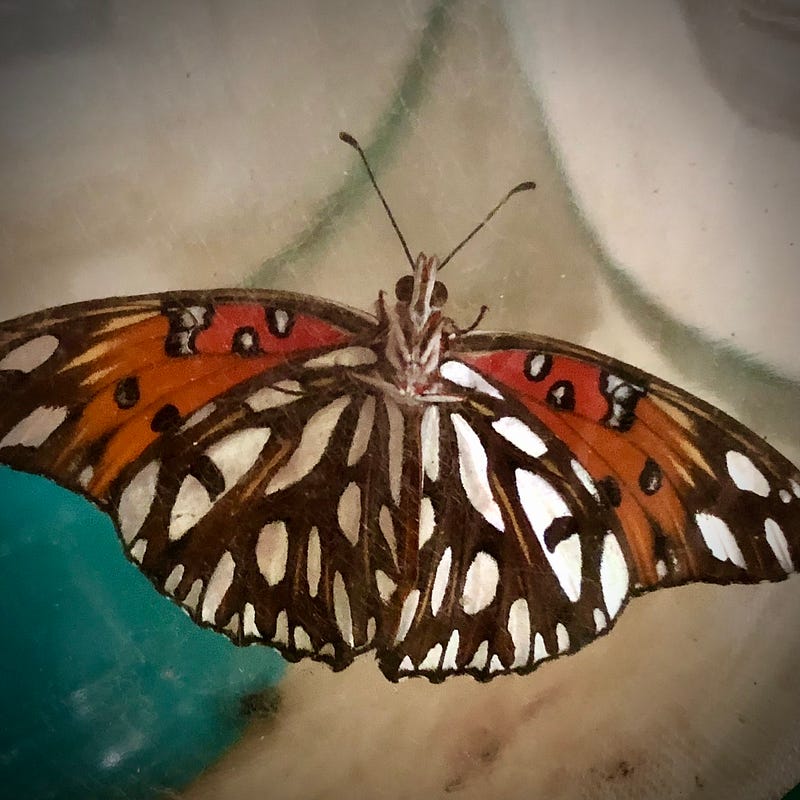
Gulf Fritillary Butterfly (Photo Credit: Rhonda Carrier)

Butterflies and Blooms: Our backyard butterfly garden has plants with buds that blossom into the blooms that the butterflies need for their nourishment.
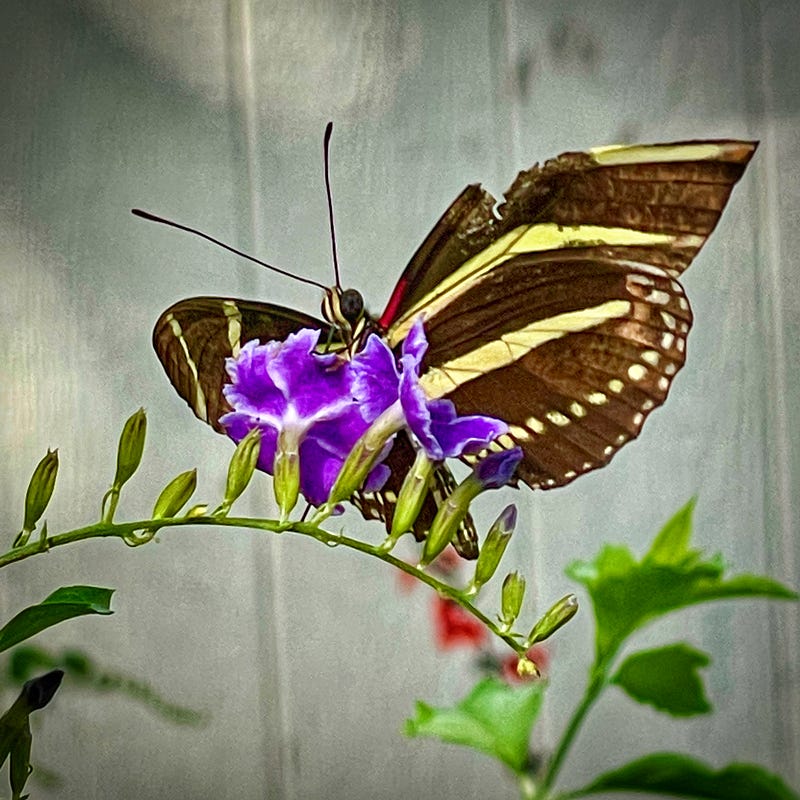
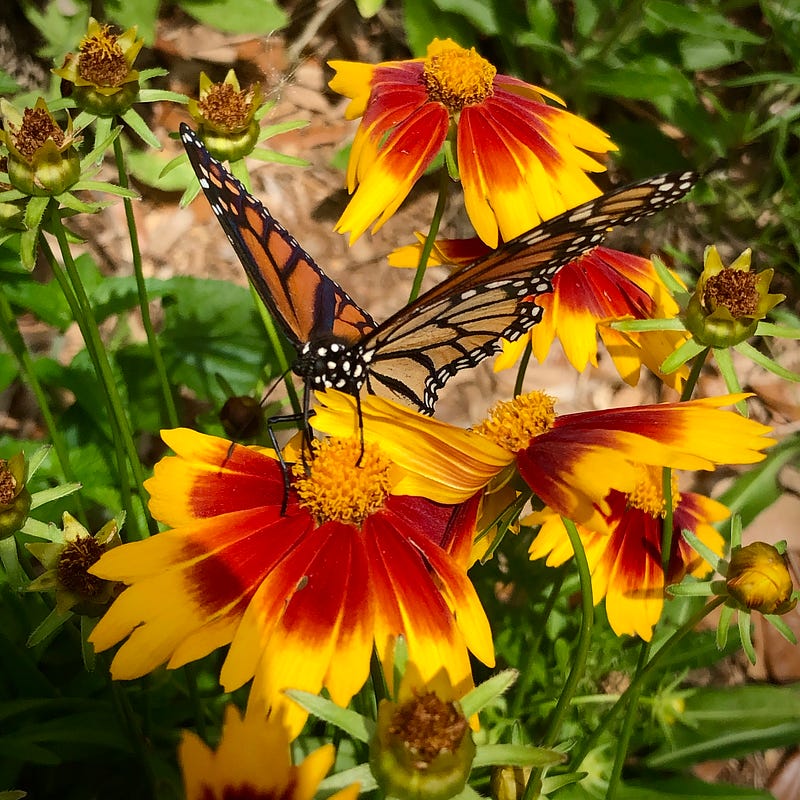
Zebra Longwing Butterfly, the Florida State Butterfly (Photo Credit: Rhonda Carrier)
Monarch butterfly (Photo Credit: Rhonda Carrier)

Biology of Butterflies: The life cycle of butterflies is complex. The female butterfly lays eggs on the type of leaves that her caterpillars can eat.

Busy Mama Butterflies Laying Eggs: We will have more caterpillars soon.
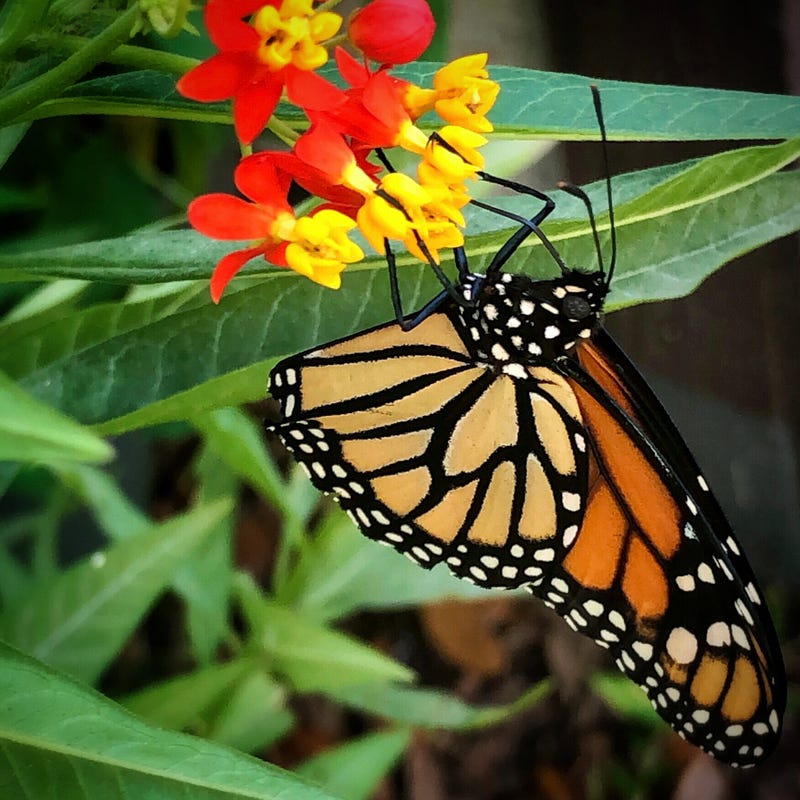
Monarch Butterfly laying eggs on milkweed leaves. (Photo Credit: Rhonda Carrier) Monarch caterpillars only eat milkweed leaves.
Gulf Fritillary butterfly laying eggs on passionflower vine leaves. (Photo Credit: Rhonda Carrier) Gulf fritillary caterpillars only eat passionflower vine leaves.

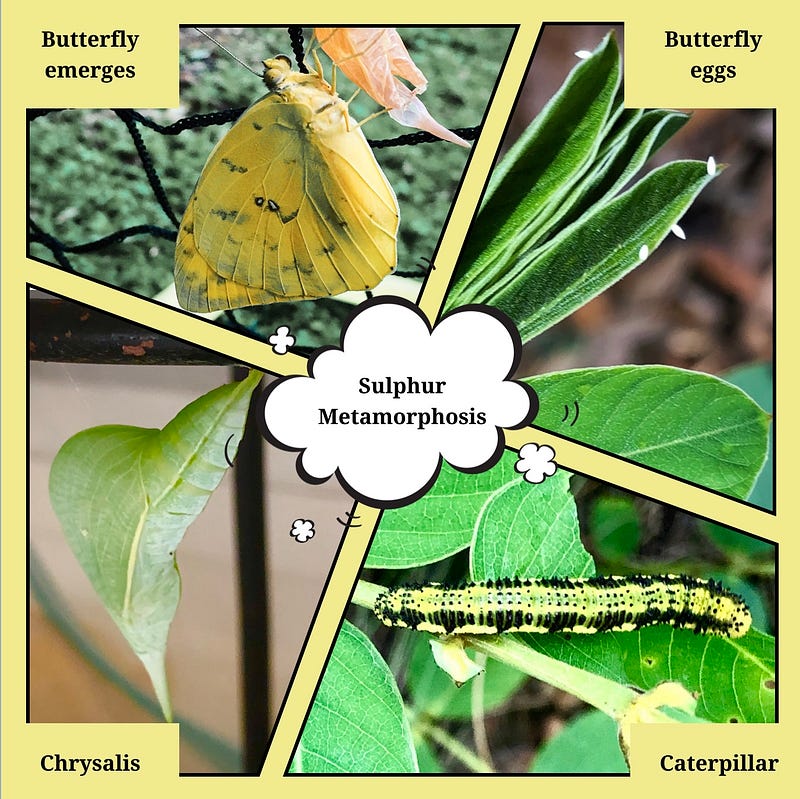
In the example below, the sulfur butterfly eggs are on cassia leaves because the caterpillar can only eat cassia leaves. The caterpillar eats and grows and eats and grows until it becomes a chrysalis. Then the inside of the chrysalis becomes a liquid gooey mess that slowly reforms into a butterfly. We love watching the biological change from egg to caterpillar to chrysalis to butterfly.
We have other Bs in our backyard too.
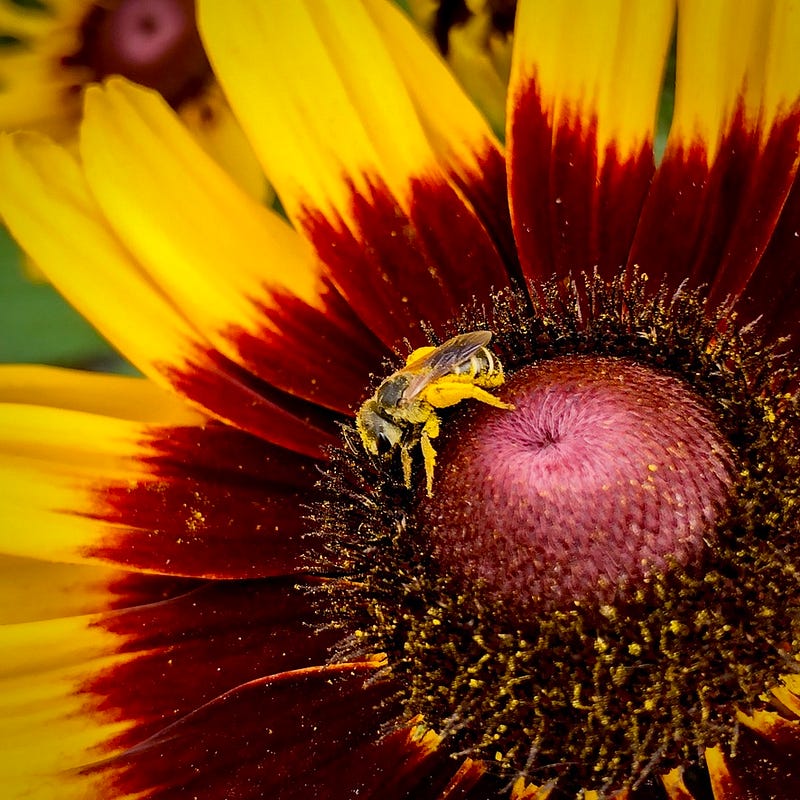
A pollen-covered bee on a blossom. (Photo Credit: Rhonda Carrier)
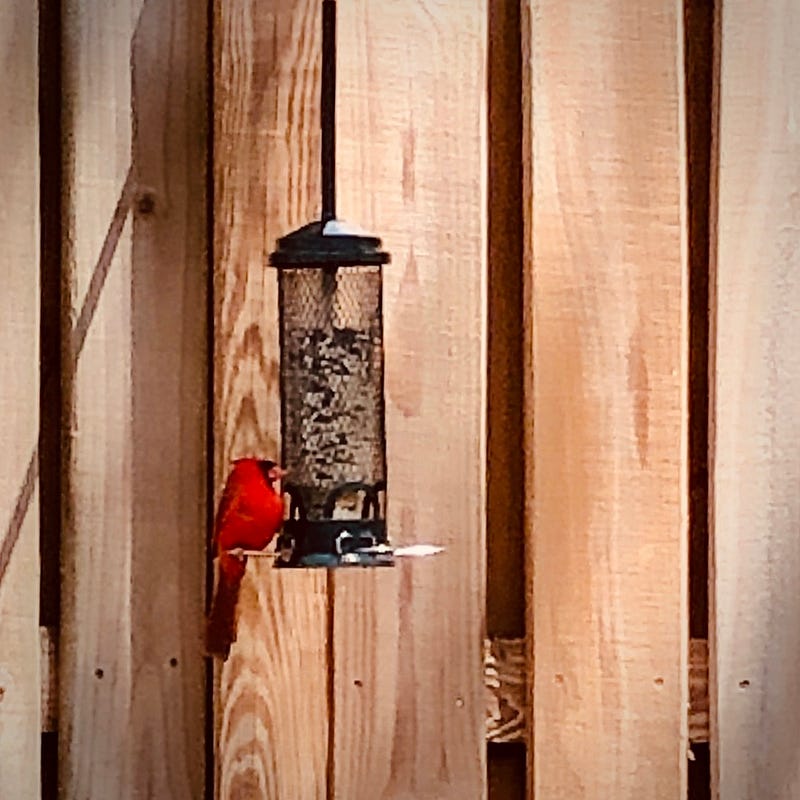
A cardinal bird at the bird feeder. (Photo Credit: Rhonda Carrier)
A tiny bat under the umbrella. (Photo Credit: Rhonda Carrier)

It is always interesting to step into the backyard to see what biology we can spot. It is fun and it is beautiful.

Thanks JoAnn Ryan and Living Color for continuing the ABC’s of photography and of beautiful living color.

Writing Challenge
Nature
Nature Writing
Photography
Iphone Photography
Recommended from ReadMedium