
We make the life we live
Bear in Mind 5 Depressing Thoughts of Old Age but Make Surprising Changes
You know the choice you have to make; I’ll help you get there
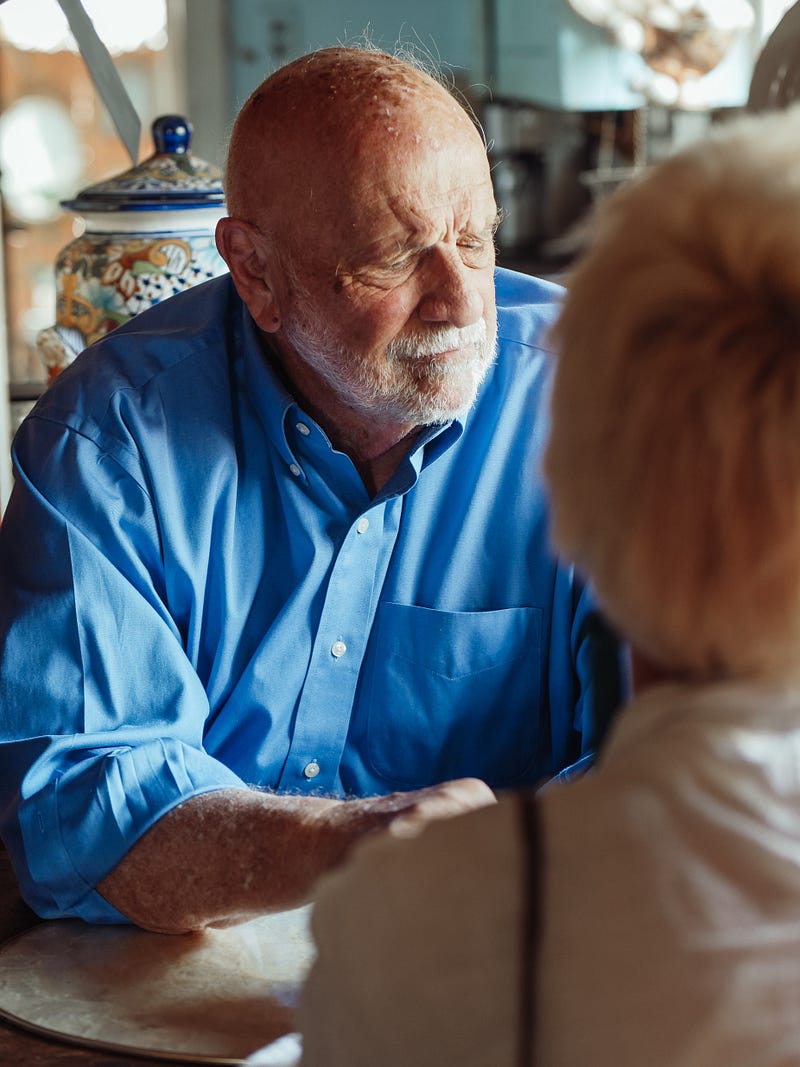
I had a short-lived bout with depression
We purchased a house in another state, knowing our home was contracted. So far, so good, right? The buyer walked out on the settlement day of selling our old house. Kaput. The following day I didn’t want to get out of bed and face the fact we now had two homes but could only afford one. My wife pulled back my covers to get me up. The sun will shine again, she said. We’re going to be alright. Good for her.
I was in my forties then; now in my late seventies. I’m faced, again, with depressing thoughts. You have them too, don’t you? Especially if you’re my age or older. Sad thoughts flit and flitter around our minds. The secret is: don’t let them take up space in our minds. But how?
I’ve zeroed in on five of the many thoughts to bear in mind in our older years. The facts are we can surprise ourselves with positive responses. My wife pulled back the covers of depression off me thirty-seven years ago, and it was the best move she ever made for me. I want the same for all us old-timers. Let’s pull the covers back and once again enjoy our age.
1. Your body’s going to want to slow down
But your mind is alert.
In 2017 The Washington Post ran an article on aging; why we slow down. The writer tells us our mindset changes everything.
I surprised myself by adjusting to my new normal. I get a kick out of this TV commercial: A lady, looking like she’s in her sixties, says “Age is just a number, and mine’s unlisted.” Well, my age is listed and it’s an easy-to-remember number: 79. For the year, I’ve adopted the word adjust. The first change I made was my mindset. I am what I am, so I will adjust and enjoy each day the Good Lord gives me.
2. Losing family members and friends through death is difficult
But you’re alive for more adventure.
Dr. Mark Stibich, Ph.D. writes in Verywell Mind this;
The consequence of living longer is that we will continue to lose friends and loved ones. To accidents, illnesses, and, as we reach our later years, simply “old age.”
Dr. Stibich’s article is very informative. I encourage you to read it. But, not now; only after you’ve finished mine. You do understand, don’t you?
Wow! I’m experiencing this a lot. Too much. My oldest sister and I, the youngest of seven, are the only remaining siblings of our family. Five of my siblings pushed back their chairs from the family’s dinner table. That’s in the last twelve years, never to return. At my age, I’m looking for new ways to enjoy my time on the top side of the grass.
3. You’re no longer needed at the workplace. The fact is, people at the office forget who you are
But, you have a life with family and friends.
We can feel we no longer have a purpose in life when retired and no longer need to solve problems in the workplace. Iris Waichler, MSW, LCSW, writes about depression in retirement in Choosingtherapy.com. She lists twelve signs of depression in retirement. She gives us help with this quote:
Depression is a mood disorder that disrupts your normal disposition or mood and impacts your ability to function day-to-day. And can be triggered by retirement. People’s identity and status can be very closely linked with their work. So when they transition into retirement, they often experience feelings of significant loss.
I retired from a church staff position eight years ago. In my first two years of retirement, I continued daily in-person attendance at my church. Then my wife needed me beside her more, so we watched our home church services on the computer every Sunday. So I have experienced a significant separation from my church family. And most of the people in the church offices don’t remember I had an office down the hall. But I’m glad for the visits from my pastor and others. Also, I have coffee with some of the men and it keeps my mood up and thriving.
4. Loneliness has become your silent partner
But reading books and talking with friends pumps up your curiosity. We want to learn more exciting things.
Chris Taylor writes this article in Reuters: Four Ways to Prevent Loneliness From Wrecking Your Retirement. He writes:
The emotional impact of loneliness in retirement is obvious — feelings of being isolated and misunderstood, with social interactions that lack meaning. But loneliness turns out to have financial ramifications as well.
Being alone doesn’t bother me for the most part. What helps me is I’m a reader. I like books; I can easily get lost in a story. My wife and I enjoy each other’s company. We’re not only lovers, we’re also friends; been that way for over fifty-one years. Then, too, is the monthly Armstrong breakfast. Now the table fills with my nephews and nieces. How wonderful. I encourage you to keep your social calendar full.
5. Caring for your wife, husband or friend has become a 24/7 obligation
But it is a work of love and devotion.
Crossroads Hospice & Palliative Care has this article which I have often read as I care for my wife:
9 Keys to Caring for a Spouse with Alzheimer’s
When reciting these marriage vows, couples might picture early financial struggles as they get on their feet or holding a loved one’s hand through a lengthy illness. But few imagine the struggles of Alzheimer’s disease or other dementia, and it’s a challenge that 1 in 3 seniors face.
I read the story of Robertson McQuilkin, the President of Columbia Bible College. He resigned to take care of his wife, who had Alzheimer’s. His story touched me greatly. I never realized it would be my place someday. I love being by my wife’s side on her journey. She has been, and is to this day, the love of my life. It’s an honor I’m glad to accept.
Let’s recap
1. Slowing down is the new normal. Adjust accordingly.
2. The older you live, the more grief you’ll face.
3. You’re no longer needed at the worksite, but your family and friends need you.
4. “Oh Lonesome Me” is not our song. Keeping our social calendar full is the order of the day.
5. Caring for the person(s) you love is an honor. It’s reserved for the faithful ones.

Thank you for reading!
Richard
Why not join my Rich List today here for exclusive content. My Rich List is free and you may cancel at anytime.
If you enjoyed reading stories like this, why not become a Medium member for just $5 a month. Your membership will give you unlimited access to all the stories on Medium. If you sign up using the link below, I’ll earn a small commission at no extra cost to you.


