Beaches in Cyprus will irreversibly disappear. Scientists’ forecasts present a grim scenario.
Cyprus’s beaches are considered some of the most beautiful in Europe. Unfortunately, according to scientists’ predictions, most of them will vanish permanently within the next few decades.
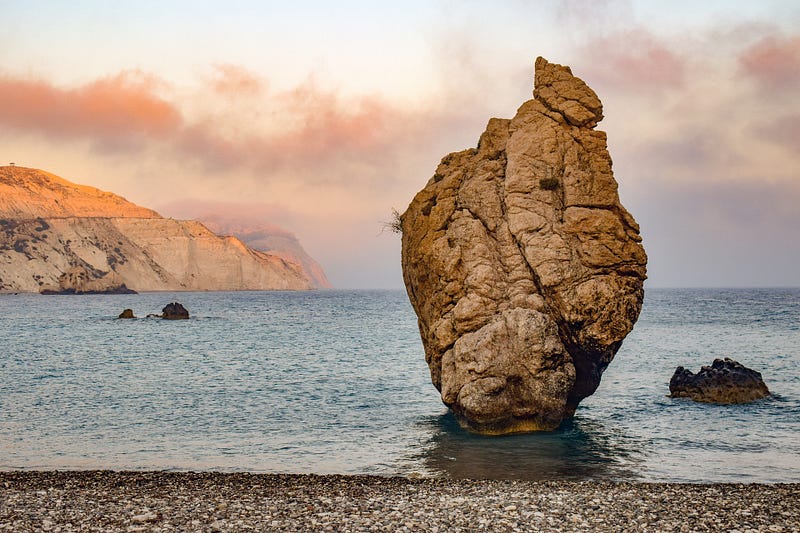
Cyprus is the third-largest island in the Mediterranean Sea, with a coastline stretching for 740 km. Tourists flock there year-round due to its mild climate, delicious cuisine, and island hospitality.
One of Cyprus’s significant assets is its picturesque beaches and rock formations. The famous Aphrodite’s Rock is located there, where the Greek goddess of love is said to have emerged from the sea foam. Other popular beaches in Cyprus include Nissi Beach, Konnos Beach, and Coral Beach.
Beaches in Cyprus will be disappearing.
Unfortunately, scientists have bad news for Cypriots and tourists enamored with the local beaches. Rising sea levels and wave action cause erosion of the sandy coastlines. According to researchers from the University of the Aegean in Greece, by 2100, 72% of Cyprus’s beaches will vanish.
Forecasts described in the scientific journal “Frontiers in Marine Science” were based on satellite images of 241 vulnerable beaches. This allowed the measurement of their sizes. Researchers also utilized models to predict sea level rise and the erosive effects of waves during storms under various climate scenarios.
Climate change is not the only threat to Cyprus’s beaches. Scientists also highlight that dams built in the upper reaches of rivers trap sediments. This means that after erosion processes on the beach, there is not enough sand for replenishment.
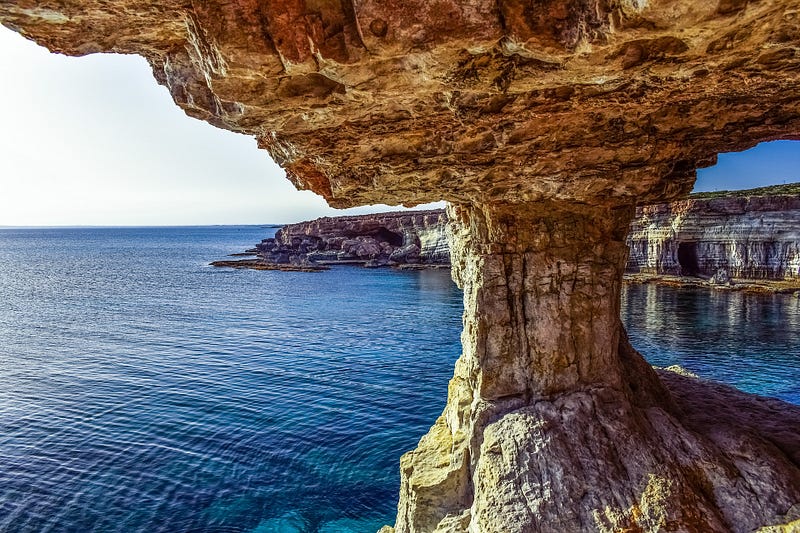
Cyprus and Climate Change.
Greeks predict a significant rise in sea levels by 2100 compared to measurements from 2000. Scientists considered various carbon dioxide emission scenarios. In the worst-case scenario, the extreme sea level rise could exceed 2 meters.
The southern and western coasts of the island, including narrow sandy beaches that are less than 50 meters wide, are the most vulnerable to erosion. Their reduction by at least half by the end of this century is said to be irreversible. Limassol, Cyprus’s second-largest city and a tourist hub, is located on its southern coast.
With the rising sea levels, coastal storms are expected to become more frequent. Without adequate safety measures, this could cause significant damage to natural ecosystems and infrastructure.
It is predicted that with the current CO2 emissions, such extreme weather events will occur every 9 to 27 years from 2050. If climate changes progress faster, storm frequency will increase to every 2.5 to 13 years. After 2100, Cypriots may expect such storms multiple times a year.
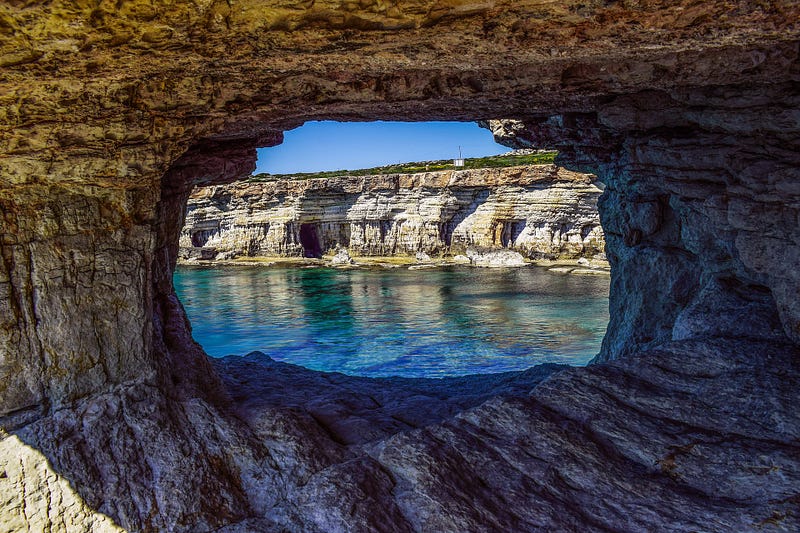
How to save the beaches in Cyprus?
The study authors warn that the tourist infrastructure built along the coast may also suffer permanent erosion. To prevent this, beach replenishment programs are needed, involving the import of sand from other locations. For this strategy to be successful, consistency is crucial.
This is not the only action taken to preserve Cypriot beaches. In 2008, buffer zones were established on the island, preventing further development along the coastlines. Scientists do not rule out considering engineering solutions. Seawalls and breakwaters would mitigate the erosion caused by storm surges and protect the coastline from rising sea levels.
The direct victims of beach loss are animals. Researchers highlight the loss of habitats for numerous coastal organisms. Breeding grounds for birds are among those affected.
Thank you for reading! If you enjoyed this content, please consider giving it a clap, leaving a donation, or offering a tip to support my work. Your generosity helps me continue creating valuable content.