
Here’s Why I Have Stopped Posting My Pictures As A Creator
The short answer-I don’t want to be a clickbait
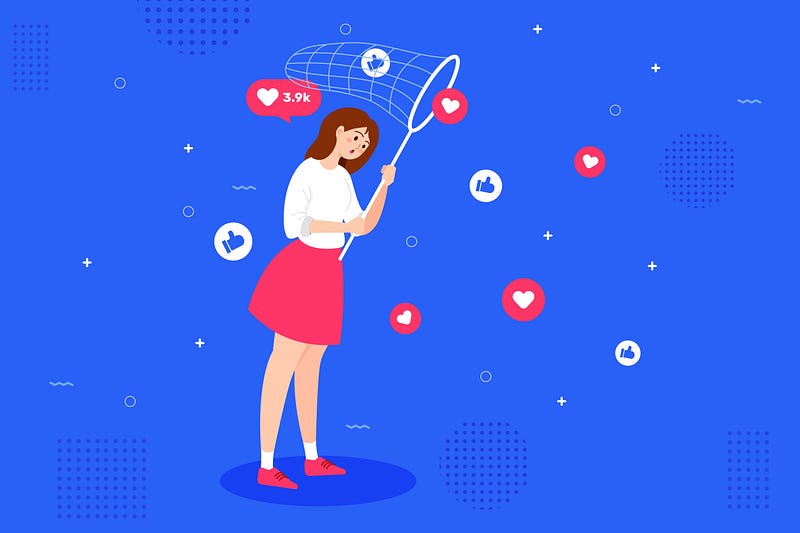
We all are selling something online.
Knowledge. Experience. Stories. Writing.
When you put your face on the internet, it gets personal.
When you see creators posting their pictures and making tons of money, you get excited and want to do that.
The influencer lifestyle and the dopamine hit of receiving thousands of likes and comments on your image are addictive.
Even when I enjoyed doing it, and it got me some traction, here’s why I stopped posting my pictures online.
It takes effort and time
As someone who has studied photography and fashion styling, I know its effort to pull a professional visual together. The composition, the balance, and overall look and feel — trust me, it takes as much effort as writing an article.
It’s not easy to ensure you look the best every time you post your picture. And when you’ve done something professionally, you can always catch your bossy brain calling it amateur in the background.
Another thing that takes place in our subconscious when we post our pictures online is comparison.
I have been posting my pictures for 7–8 years on Instagram. I have seen myself comparing my skin with other beauty bloggers, my fashion sense with celebrity stylists, and my image background with rich kids on Euro Trip.
It’s a cycle that never stops.
The time I spend getting everything right can be used in writing another piece or connecting with my audience. I used to spend an hour getting ready for my YouTube video. Then, you got so exhausting, and I had to delete my YouTube channel.
Then I understood that my time why is more valuable than getting ready for a video or a picture. It all comes down to how much we value our time.
It sidelines your purpose & attracts the wrong crowd
Zulie Rane explains beautifully in this article how some people only cared about how she looked.
“No matter the content of my video, I received some kind of feedback from men about how I looked and whether I should keep it up, tone it down, or work on improving.”
You try to defend it. You try to look good when making a video with your face. You try to make the video better.
You focus more on your makeup or what you’re wearing than the content of the video.
You may feel like putting yourself out there is doing great for your brand, which it does; I can’t deny the fact. However, putting yourself out on the internet also makes you conscious of yourself.
I'd rather have ten people interested in my content them have thousands interested in my face.
Being famous is not my goal
When I started creating content, I wanted to be famous.
Over the last few years, I realized what I want from life. Being famous was nowhere near the list. Instead, new tech trends made me realize how much I value my privacy.
I want people to remember my work & not me. I also follow the philosophy of thinker and investor Naval Ravikant, who’s greatly influenced my life. He quotes — “You want to be rich and anonymous, not poor and famous.”
Getting recognized on the streets of Bangalore as a small creator once freaked me out. I’d never want it, and I’d rather have people talk about me like John Galt.
Being famous makes you a clickbait.
I have also seen how people treat my famous friends and what they say behind their backs.
They are always in the news. Being famous makes you clickbait. Being clickbait means more drama and more effort in knowing if people are interested in your product or business.
I want to know if content is the king
As a marketing professional and seasoned content creator, I have heard how content is the king many times.
Even with 100s personal growth and philosophical posts on my Instagram, I failed to know if people followed me for my thoughts or my perfectly framed pictures.
When I stopped posting my pictures and only posted my philosophies visualized using design principles. This shift made it easier to know if people enjoyed my work.
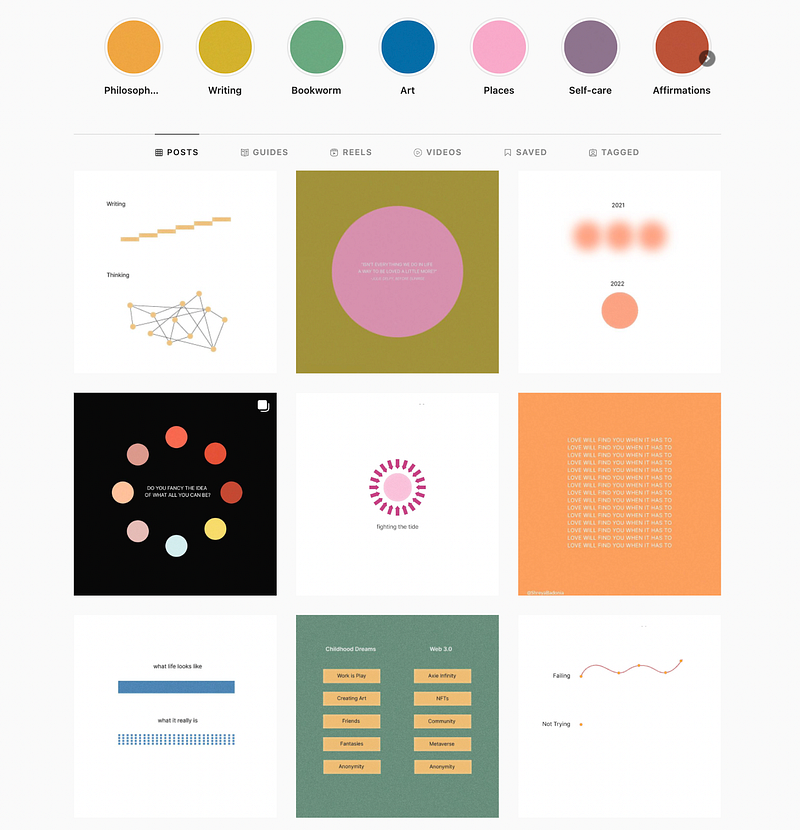
The influencer thing has allowed so many of us to live our childhood dreams of becoming actors and models. Still, there are more ways to be influencers and knowledge workers which don't involve revealing our identities and broadcasting our lives.
It boggles me to admit it, but I have been asked to use my pictures here and there to get some traffic on my content.
That may have been a strategy for many folks, but I am genuinely interested in knowing if my content is the king. I still have a day job, so I don’t have to jump on this bandwagon of making my life public to make extra money.
I want to post content that is beneficial for someone’s life.
I want to post well-thought-out content. I want to share everything I have learned, invented, and experienced. I want people to follow me for my ideas and philosophies, not the pedigree I am born with.
Conclusion
As creators post their images frequently, it isn’t easy to notice anything else. You’re always trying to look good. You’re always trying to contrast your outfit with the background. You’re always trying to find that right angle. You’re always trying to wait for people to leave the venue so you can click a nice picture.
You’re always living a life on social media even when you’re surrounded by people you love.
With so many ways to monetize our creativity in this world, jeopardizing our personal space and focusing on looking good than creating good puts us in a confusing spot.
As writers, thinkers, and leaders, we need to focus our time on carving and pondering the most critical ideas that can help someone and bring a positive change.
Every day, we get to decide we want the content to be the king.
Use this link to get full access to Medium and read gazillion exciting articles. You can stay in touch with me by joining my free email list.


