avatarJane Frost (Jane Grows Garden Rooms)

Free AI web copilot to create summaries, insights and extended knowledge, download it at here

417

Abstract

dentified this plant as being suitable for cultivation as a food crop. He is reportedly responsible for eucalyptus oil forests outside of Australia so he clearly had a passion for the country’s botany.</p><p id="edbf">This non-invasive climber has a lovely scrambling habit and produces attractive orange berries. Inside each berry is a small white aril which tastes like coconut. This aril was eaten by Indigenous Aus

Options

tralians, but the more substantial tuber was the true harvest.</p><p id="ace4">Alone in its genus the tubers were an important food source for many animals.</p><p id="d644">I haven’t been able to dig up the tubers from my hard soil, but I am now growing some in a hanging pot which I will eventually harvest to establish whether they really taste like crisp apples when raw and potato when cooked!</p></article></body>

©Jane Frost

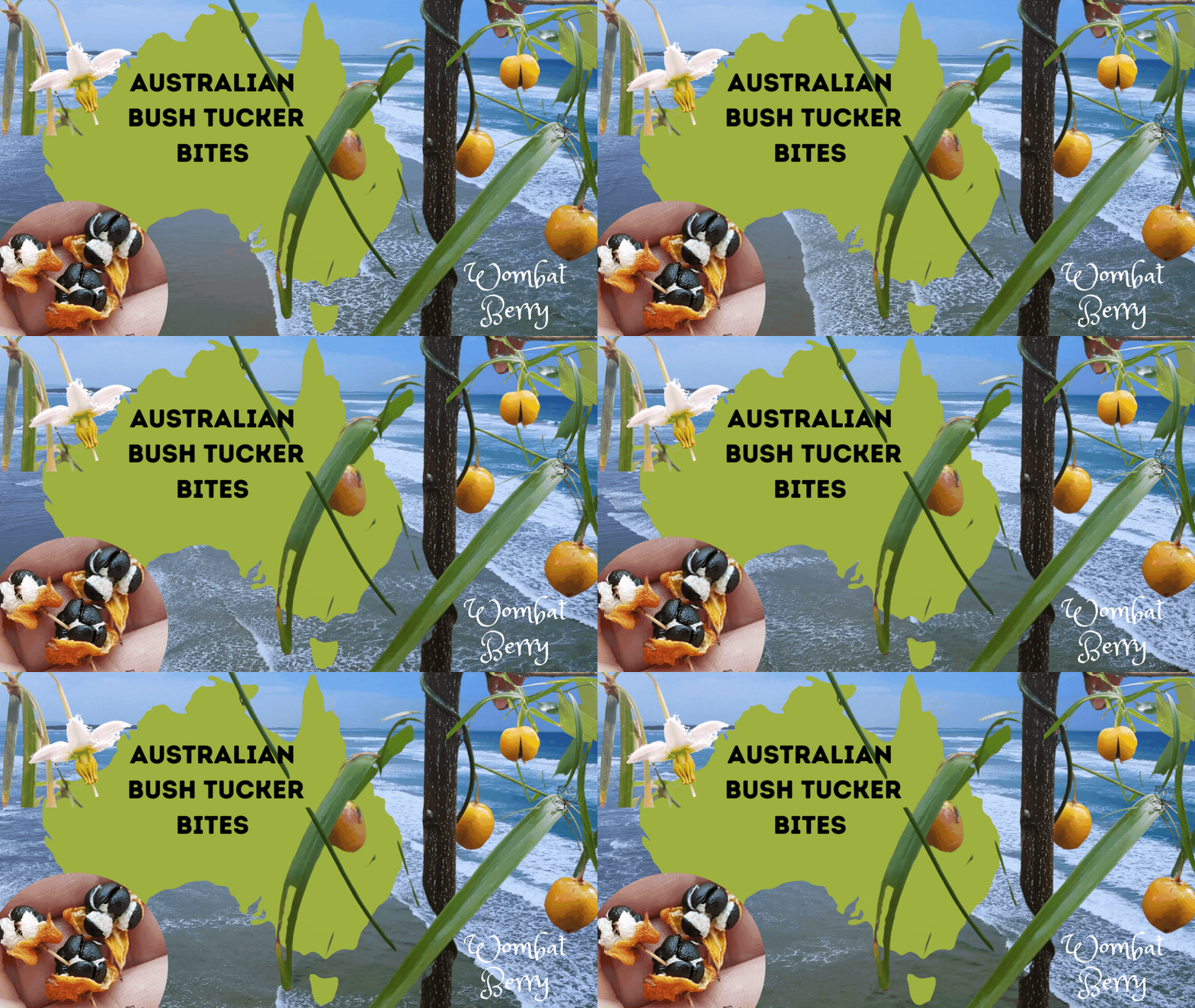
Australian Bush Tucker Bites presents Wombat Berry (Eustrephus latifolius).

Nineteenth Century European botanist Baron von Mueller identified this plant as being suitable for cultivation as a food crop. He is reportedly responsible for eucalyptus oil forests outside of Australia so he clearly had a passion for the country’s botany.

This non-invasive climber has a lovely scrambling habit and produces attractive orange berries. Inside each berry is a small white aril which tastes like coconut. This aril was eaten by Indigenous Australians, but the more substantial tuber was the true harvest.

Alone in its genus the tubers were an important food source for many animals.

I haven’t been able to dig up the tubers from my hard soil, but I am now growing some in a hanging pot which I will eventually harvest to establish whether they really taste like crisp apples when raw and potato when cooked!

Walkabout
Bush Tucker
Australia
Plants
The Daily Cuppa
Recommended from ReadMedium