
Asymmetrical Design (Graphic Design Guide)
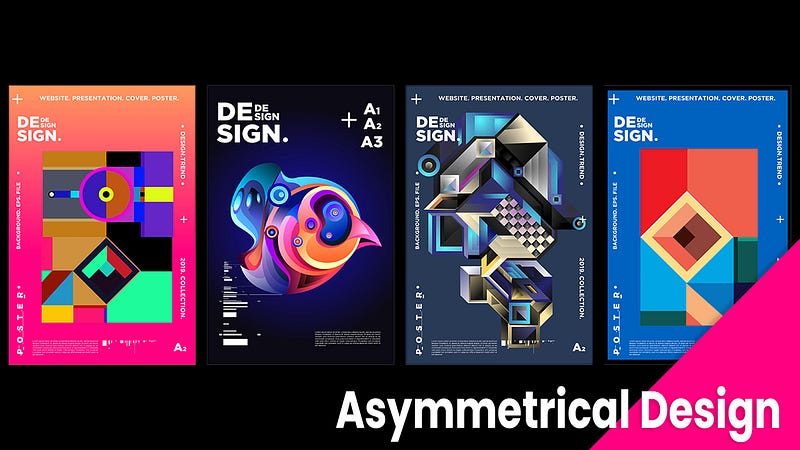
There’s something special about asymmetrical design. It’s intriguing, unique, and often unexpected. Unlike symmetrical designs, which are typically more common and predictable, asymmetrical designs offer a refreshing change of pace. They can be more interesting to look at, and they often make a statement.
Asymmetrical designs can be used in a variety of ways, and they can be applied to a wide range of projects. Whether you’re creating a website, a logo, or a piece of art, asymmetrical design can be a great option. It’s a great way to add interest and personality to your work, and it can help you stand out from the competition.
If you’re looking for a unique and eye-catching design, asymmetrical design may be the perfect option for you.
If you surf the internet unsecured, consider using Nord VPN as it keeps you and your family safe. Follow this affiliate link to learn more about NordVPN.
What is Asymmetrical Design
It is difficult to define asymmetrical design without getting too technical. In general, asymmetrical design is a style of art, architecture, or clothing that features elements that are not symmetrical. This can be done by arranging the elements in a non-symmetrical way, or by using different shapes and sizes for the different elements.
Asymmetrical design is often used to create a more interesting or eye-catching look. It can be used in almost any type of design, from websites to clothing to buildings.
Asymmetrical design is not as popular as symmetrical design, but it is starting to become more popular in recent years.
What Is Asymmetrical Design, And Why Is It Becoming More Popular
Asymmetrical design is a type of design in which the elements of the composition are not symmetrical. This type of design is often used to create a more visually interesting or dynamic composition.
In recent years, asymmetrical design has become increasingly popular, as designers are looking for new and innovative ways to create visual interest.
There are several reasons why asymmetrical design can be effective.
Firstly, it can create a more dynamic and visually interesting composition. In an asymmetrical composition, the viewer’s eye is constantly drawn to different elements, creating a more engaging experience.
Secondly, asymmetry can help to break up negative space and add visual interest to a composition.
Finally, asymmetry can also be used to create a sense of tension or dynamism in a design.
While asymmetrical design can be very effective, it is important to use it sparingly. If all the elements of a composition are asymmetrical, it can be confusing and visually overload the viewer. When using asymmetry, it is important to make sure that all the elements work together to create a cohesive whole.

If you enjoy reading. Consider subscribing to Medium as it’s an amazing platform to learn and grow as a professional. You can join using my affiliate link here — Subscribe to Medium. Please like and follow → Thanks.
How Can Asymmetrical Design Be Used To Create Unique And Interesting Designs
Asymmetrical design can be used to create unique and interesting designs because it is not symmetrical. This means that it is not balanced or symmetrical, which can make it more interesting and unusual. Asymmetrical designs can also be used to create tension and interest in a design, as well as to add visual interest.
One of the best ways to use asymmetrical design is to mix different types of asymmetry together. For example, you could use a geometric asymmetry with an organic asymmetry, or a formal asymmetry with an informal asymmetry. This will create a more interesting and varied design. You could also experiment with the different types of asymmetry to see what looks the best.
Asymmetrical design can also be used to create movement in a design. This is because it is not static or symmetrical, and so it appears more active and alive. You can use this movement to draw attention to certain elements in your design or to create a more visually stimulating experience for the viewer.
Overall, asymmetrical design can be used to create unique and interesting designs that stand out from the crowd. It can be used to add visual interest, movement, and tension to a design, as well as create a more unique look. If you are looking for something different in your designs, then asymmetrical design may be the answer.
What Are Some Benefits Of Asymmetrical Design
1. Symmetry can be boring
When everything is symmetrical, it can often be boring. Symmetrical designs are often seen as safe and predictable. Asymmetrical designs, on the other hand, are more eye-catching and interesting. They can help to add a bit of excitement to your design.
2. It can be more balanced
Symmetry often creates a feeling of balance and harmony. However, this isn't always desirable. Sometimes you may want to create a sense of imbalance in order to reflect the chaos of the real world. Asymmetrical designs can help to achieve this effect.
3. It can be more unique
Symmetrical designs are common, but asymmetrical designs are much rarer. This makes them more unique and interesting, helping to set your design apart from the crowd.
4. It can be more visually stimulating
Symmetry can be visually calming, but it can also be static and dull. Asymmetry is more visually stimulating, helping to keep your viewer's attention focused on your design.
5. It can create a sense of motion
Symmetry often creates a feeling of stability and stillness. Asymmetry, on the other hand, can create a sense of movement and dynamism. This can be particularly beneficial if you want to create an energetic or lively design.”
How Can Asymmetrical Design Be Used To Create A More Balanced Look
Asymmetrical design can be used to create a more balanced look in a variety of ways. One way is to use different weights of asymmetry. This can be done by using different sizes, shapes, or colors on one side of the design as compared to the other.
Another way to create balance with asymmetry is to use it in conjunction with symmetrical elements. This can create a more dynamic and visually interesting composition.
Finally, asymmetry can also be used to create a sense of movement in a design. By placing objects or elements off-center, you can guide the viewer’s eye through the image.
What Are Some Common Asymmetrical Design Mistakes To Avoid
1. Not paying attention to design balance
When you’re creating an asymmetrical design, it’s important to make sure that the different elements are balanced out. If one side is significantly heavier than the other, your design will look off-balance and won’t be very appealing to look at.
2. Not using a focal point
A focal point is an essential part of any design, but it’s especially important in asymmetrical designs. Without a focal point, the different elements will just blend together and your design will be difficult to understand.
3. Overusing asymmetry
Asymmetry can be a great way to add interest and visual appeal to your design, but if you use too much of it, your design will start to look chaotic and unprofessional. Try to use asymmetry sparingly so that it has a greater impact when you do use it.
4. Ignoring negative space
Negative space is just as important as positive space in any design, and in asymmetrical designs, it can be used to create visual balance. Make sure you use negative space effectively to create a well-rounded and polished design.
Here are 5 key takeaways from asymmetrical design
1. Asymmetrical design is a type of design that is not symmetrical.
2. Asymmetrical design is often more interesting and visually appealing than symmetrical design.
3. Asymmetrical design can be used to create a sense of balance and visual interest.
4. Asymmetrical design can be used to create a sense of movement and energy.
5. Asymmetrical design can be used to create a sense of tension and contrast.
Asymmetrical Design Conclusion
Asymmetrical design is a powerful tool that can be used to create stunning and memorable designs. By using asymmetry, you can create a sense of intrigue and interest that will keep your audience engaged. Asymmetry can also be used to create a sense of balance and harmony, adding a touch of elegance to your design.

Thanks for reading. Consider subscribing to Medium as it’s an amazing platform to learn and grow as a professional. You can join using my affiliate link here — Subscribe to Medium. Please like and follow → Thanks.
If you surf the internet unsecured, consider using Nord VPN as it keeps you and your family safe. Follow this affiliate link to learn more about NordVPN.


