
Artistic Flourish or Public Nuisance?
Graffiti in Gentrified Spaces
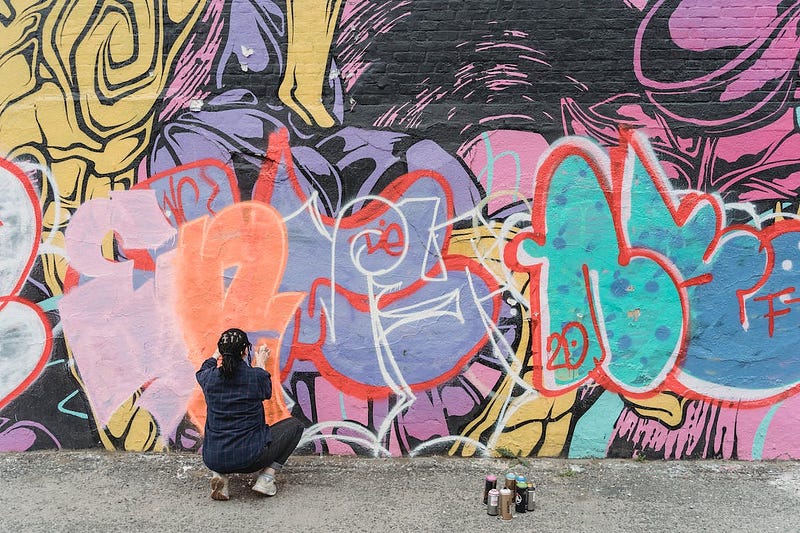
In recent years, urban streets have been the canvases for gentrification narratives, a tale of aesthetic transformation, economic growth, and cultural shifts. One of the most vibrant and polarizing features of this metamorphosis is graffiti, the bold strokes of paint that seemingly etch the voices of the unheard onto city walls. Is this art form a rightful expression of creativity, or is it an untamed menace in these changing neighborhoods?
A Mixed Canvas
Gentrification is like a tide, transforming neglected urban spaces into thriving, chic centers of art, commerce, and residence. This process often involves an influx of wealthier inhabitants moving into a previously overlooked region, leading to increased property values and a shift in the community’s character.
While many welcome the economic growth and beautification that accompanies gentrification, critics argue that it displaces lower-income residents and erases the history of the community. Into this evolving urban landscape enters graffiti, a centuries-old form of expression.
The Ancient Voice of the Streets
Though associated with modern urban life, graffiti has ancient roots, tracing to Roman times and even earlier civilizations. From its inception, graffiti has allowed marginalized voices to be heard, allowing artists to claim public spaces and challenge the status quo.
In gentrified spaces, graffiti becomes even more potent, a striking juxtaposition between the old and the new, the sanctioned and the rebellious.
Artistic Flourish in Gentrified Spaces
Advocates of graffiti view it as an artistic flourish, a testament to the resilience and creativity of urban dwellers. The art form has undeniable merits:
#1 Expression of Identity: In neighborhoods undergoing rapid change, graffiti allows long-time residents to leave a mark, asserting their presence and relevance.
#2 Cultural Vibrancy: Some of the most celebrated street artists began with illicit tags on urban surfaces. Their work, now celebrated in galleries, started as a form of rebellion against the suppression of creative freedom.
#3 Tourist Attraction: Cities like Melbourne and Berlin have transformed graffiti from a perceived nuisance into a celebrated attraction, drawing tourists eager to explore the colorful alleys and storied walls.
#4 Political Activism: From the Berlin Wall to the murals of Belfast, street art has often served as a poignant political tool. It can be a powerful protest against perceived inequities in gentrified neighborhoods.
The Darker Shades
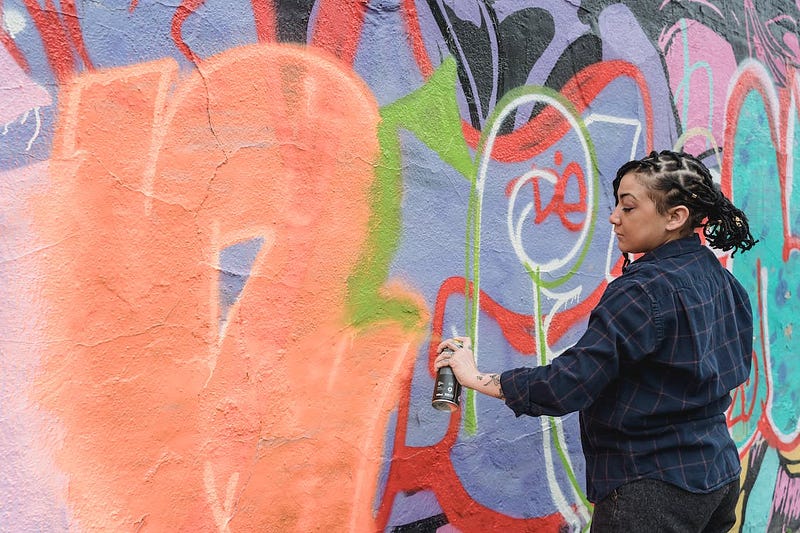
While there’s a compelling case for graffiti as an artistic endeavor, there are equally persuasive arguments against its unchecked proliferation, especially in gentrified areas:
#1 Property Damage: Irrespective of the message, unauthorized graffiti can damage properties, reducing their aesthetic and monetary value. It can lead to costly cleanup efforts, a burden often shouldered by taxpayers or property owners.
#2 Symbol of Disorder: Some argue that graffiti, especially when rampant, can give a sense of lawlessness, discouraging businesses and families from investing in or moving into an area.
#3 Drowning Authentic Voices: Not all graffiti in gentrified spaces comes from genuine local voices. There’s a risk of the art form being co-opted by those who seek to capitalize on the “edginess” of street art, thus drowning out authentic expressions.
#4 Safety Concerns: Graffiti can sometimes be linked to gang territories or serve as markers in ongoing urban disputes, potentially leading to safety concerns for residents.
Finding the Balance
The essence of this debate lies in balance. How do cities harness the vibrant potential of graffiti without sliding into chaos?
#1 Designated Street Art Zones: Cities could demarcate zones where artists can freely express themselves, fostering creativity without infringing on private property rights.
#2 Community Collaboration: Engaging local artists in mural projects can channel the energy of graffiti into beautifying public spaces, providing a canvas that benefits the community.
#3 Art Education and Funding: Investing in art education and funding can provide budding artists with alternatives to illicit tagging, guiding them toward more constructive avenues of expression.
#4 Recognize and Celebrate: Cities can curate and celebrate genuine works of street art, preserving them as a testament to the cultural evolution of the neighborhood.
Voices Behind the Paint
Every splash of color, every tag, and mural tells a story. For many, graffiti isn’t just about the art but about the artist and their motivation.
The Financial Strain of Gentrification
With rent prices soaring and local businesses being ousted by upscale chains, the financial strain on original inhabitants is undeniable. Amidst this, graffiti emerges as an outcry, a beacon of resistance. A young artist, Maria, says, “My graffiti tells the story of my family who lived here for three generations. We can’t afford our home anymore, but my art means we won’t be forgotten.”
The Gentrifier’s Perspective
On the other side of the debate, many of those moving into gentrified areas seek a fresh start, lured by the promise of rejuvenated communities and modern amenities. John, a recent transplant to a gentrified neighborhood, admits, “When I first moved in, graffiti felt like vandalism. But now, I’ve come to appreciate some of it. It reminds me that this place has a rich history and soul.”
The Evolution of Graffiti
From crude tags to intricate murals, graffiti has evolved. With gentrification, a new trend emerges — collaborations between street artists and local businesses. These partnerships breathe life into neighborhoods, with murals becoming a source of local pride.
Lucas, a café owner, recounts, “I was skeptical at first, but hiring a local graffiti artist to paint a mural on my café’s wall was the best decision. It attracts tourists and locals alike.”
Beyond the Binary
Graffiti in gentrified spaces is neither good nor bad — it’s complex. Here are some nuanced takes:
The Question of Ownership
Who owns public spaces? Is it the long-standing residents? The city authorities? Or the newcomers? Graffiti challenges these notions, forcing us to confront and redefine community ownership.
The Changing Aesthetics
The aesthetics of a neighborhood aren’t static. What’s deemed beautiful or appropriate is ever-evolving. Graffiti, for many, is a legitimate part of this aesthetic landscape, reflecting the dynamism of urban life.
The Challenge of Integration
Integration, not eradication, might be the key. If gentrification is the integration of old and new, then the answer lies in integrating graffiti into this new paradigm, not scrubbing it away.
Graffiti, in the context of gentrified spaces, is as multifaceted as the colors that adorn the walls. It stands at the crossroads of artistic expression and public order, reflecting the tensions and dreams of urban life. By understanding its nuances and engaging with its proponents and critics, we can craft urban landscapes that are vibrant, inclusive, and harmonious. The spray can is mightier than the bulldozer, but it’s up to us to decide how we let its paint flow.
Thanks for taking the time to read. I’d like to hear your perspective.
You can also refer to the related articles:
Please subscribe here to receive the latest insightful stories by email.
Did you find this enjoyable? If so, remember to hit the clap button, which you can press up to 50 times and comment. Take advantage of more from me — ensure you’re following if you still need to. Thank you for being an integral part of my journey.


