
Are You Guilty of These Five Common Coffee Sins?
Make better coffee today
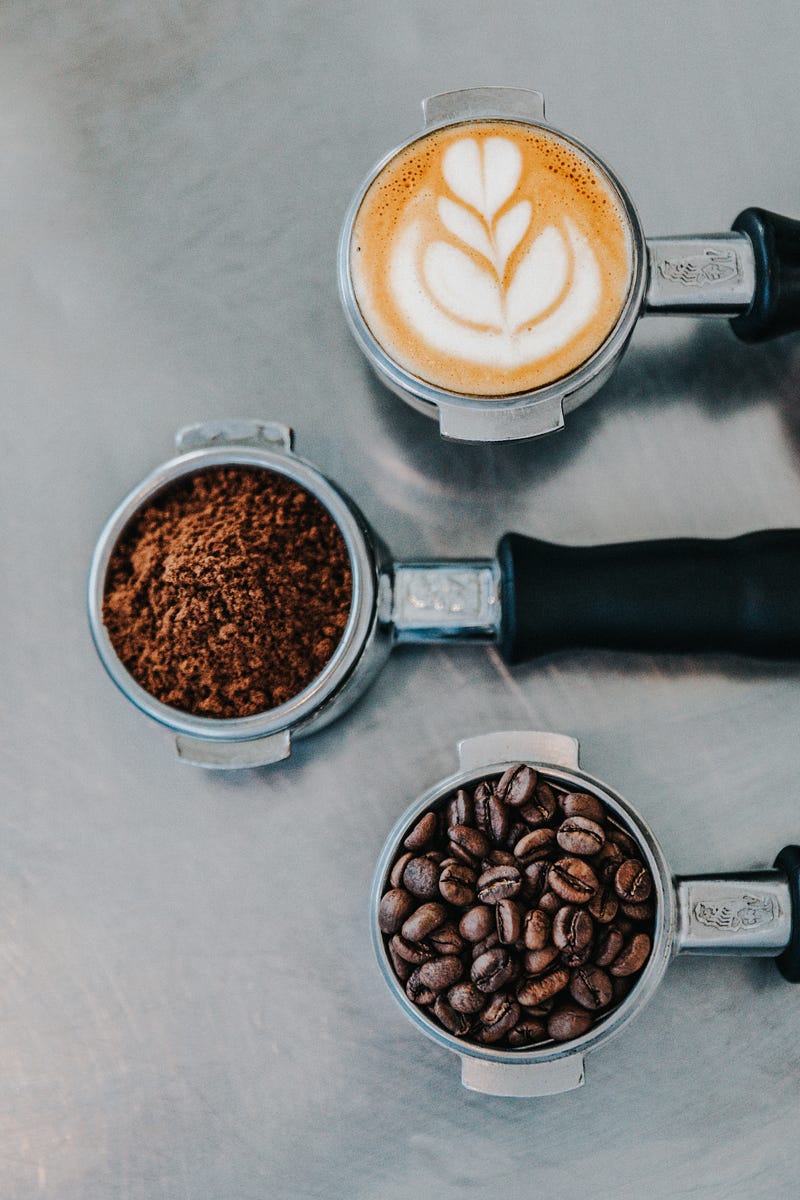
Many of us start the day with a hot cup of coffee. It’s the jolt we need to get going in the morning. It’s the warm caffeinated goodness that makes Mondays more bearable. You don’t need a barista course of $4000 machine to make a good cup. Rather there are plenty of easy ways to upgrade your coffee experience. Using what we know from food sciences, we can make a consistently excellent cup. Whether you buy your beans whole or grind them at home, this guide is for you.
#1 Your Water Isn’t Hot Enough (or Too Hot)
What kind of coffee brewer are you using? Many large commercial drippers can’t sustain the necessary temperature for the perfect coffee. To extract the best brew from your bean, you need a water temperature between 90–96° Celsius. It is easier to maintain this temperature with handheld brewers (Chemex, V60, French Press). Many commercial drippers aren’t built with the best coffee practices in mind. In contrast, manual methods increase your control over water temperature and flow.
#2 Your Coffee is Too Fine or Too Coarse
The way you grind your beans plays a huge role when brewing coffee. Your first consideration is your coffee grinder if you have one. Make sure to clean your coffee grinder well between uses. Usually, they come with a small brush that helps brush away old coffee residues. If your grinder uses a blade to grind the beans, you will not get a consistent grind. Instead, your coffee ground will vary in size. Ceramic burr grinders provide a much higher level of consistency when grinding coffee.
The size of your coffee grind determines how fast the flavour is extracted. If your coffee is finely ground, there is a lot of surface area exposed to hot water. Thus you can extract flavour quickly. If you are using a mix of different-sized coffee grounds, you will not have a uniform extraction. This will affect the final flavour and strength of your coffee.
You should determine how fine or coarse to grind your coffee based on your brewing method. For the French Press, coffee is coarsely ground. The extraction step is slow. If your grind is too fine, it will over-extract, making your coffee bitter. If you are using a larger filter dripper or a V60, then a medium grind ensures the perfect brew. Finally, for espresso you want your coffee grind fine.
#3 Your Beans Are Stale
A fresh grind will take your coffee up to the next level. Grind your coffee fresh every few days. Coffee beans contain many volatile chemical compounds. These volatile compounds also contribute to the aroma and flavour of your coffee. When you use recently-ground coffee, you get more of the fresh aroma and flavour. Make sure to store your beans as well as left-over coffee grounds in air-tight containers. Also when you’re buying your coffee at a store or cafe, check the roasting date. Drink your coffee within a few weeks of the original roast date for the best flavour!
#4 You Have To Wash Your Filter
Many popular methods of brewing coffee involve using a paper or cloth filter. Often people might dump their coffee grounds, adding water right afterwards. Pre-washing the filter will get rid of any residual loose fibres. If your coffee filter is reusable, pre-washing will get rid of residual oils and coffee grinds. Now you’re almost ready for an improved coffee.
#5 Your Mug or Server is Too Cold
We’ve got the technical aspects of selecting the appropriate grind and brewer. Now we want to enhance our sensory experience of the coffee. Often, we pour our coffee into cups that are room temperature. Unfortunately, we do ourselves a small disservice. Your coffee will cool faster. Warm up your coffee mug or drip receptacle with hot or boiling water. A warm cup makes a massive difference!
Use science to level-up your morning brew! If you’re curious about the best brewing practices, check out my previous article on coffee. If you’re interested in learning more about the fascinating science of every-day life or your brain, check out my other work!


