
Are you going to France for the first time?
Here are some tips to help you have a great visit
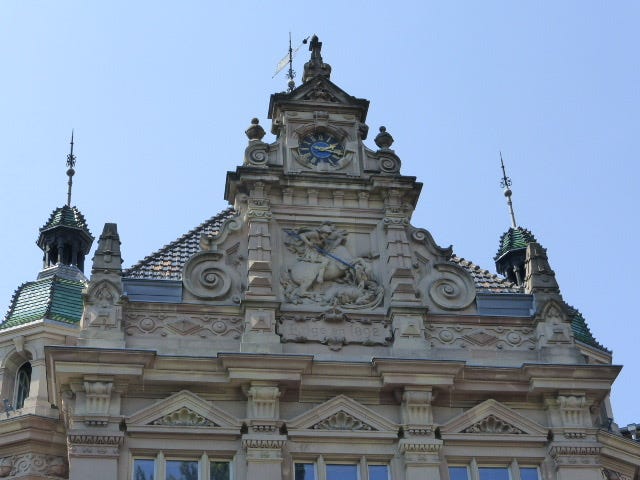
This past summer, I visited France for my twelfth time since 1986. As I survey the spreadsheet on which I keep track of my travels to more than 120 countries, I see that this is the nation I have visited most frequently. Therefore, I am unintentionally and uncharacteristically in sync with the rest of the world, since I am now a frequent visitor to the most visited country in the world.
There is good reason for this being the case, since many of the features in life that people care about are easy to obtain in France. Principally, it is a place with outstanding food and wine quality, ease of transport, and numerous cultural activities such as museums.
Most of what I will delineate for you here have now become second nature to me. But because they may not be intuitive to many other people, I am offering them here for your consideration as a means of improving your visit.
The most important word you need to know and use
French culture demands the use of a word you probably already know: Bonjour.
You walk into a shop and make eye contact with an employee: Bonjour!
You approach a window to buy a train ticket: Bonjour!
You need help finding your way around an unfamiliar place: Bonjour!
It’s mandatory. If you don’t use it, you are considered to be rude. As a result, there are some people who will treat you rudely in return.
It’s impossible to emphasize how important this one is. You need to know that a hallmark of French politesse is saying hello to people when you encounter them, especially in commercial settings.
In a more crowded place such as a supermarket, the first person you encounter may be a security guard standing near the entrance. Say hello. If you need to find something and you spot an employee, instead of just asking, “Where is the almond milk?” you must first say, “Hello. Excuse me. Where is the almond milk?”
When you reach the cashier, your first word to her or him is Bonjour.
Speaking French
In larger cities, speakers of English tend to be more prevalent than in smaller towns. Therefore, after an initial Bonjour! you may be able to proceed in English. But even in these large cities, you would only be doing yourself a favor if you, at the very least, try to speak French.
In fact, nowadays, with all the apps that many people have on their mobile devices that they carry with them, it’s usually easy to find help with language. [My favorite is Google Translate.]
Whatever you do, do not cop the attitude, “English is the international language. Everyone should speak it. Even the FIFA referees do their job in English,” unless you don’t mind being seen and treated as an ignorant lout.
If you, at the very least, try to speak French you will probably experience a phenomenon that I have noted over the years: a French person, upon hearing my accent and knowing that I was making an effort, has frequently switched to English for me, even if their English was meagre.
Don’t touch the fruit!
You may do your shopping in one of the many supermarkets that you’ll find. They are almost everywhere: Monoprix, Carrefour, Franprix, Casino, Auchan. There are many. Those stores are always self-service in the fruit and vegetable departments.
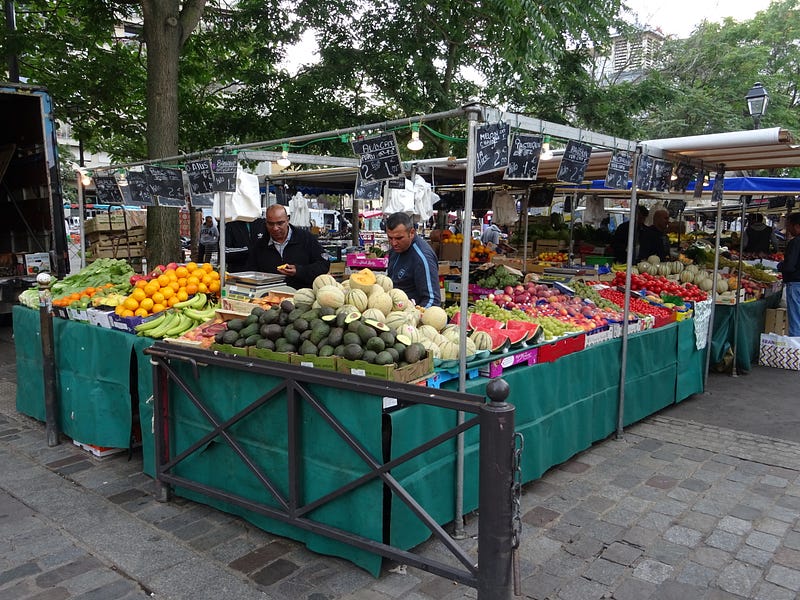
But in the event that you should come upon an open market such as the one depicted here, you must ask for help without touching the fruit yourself.
Restaurants, cafes, and supermarkets
Wherever we travel, we need to eat. By all means, if you want to take all of your meals in the local cafes and restaurants, do it!
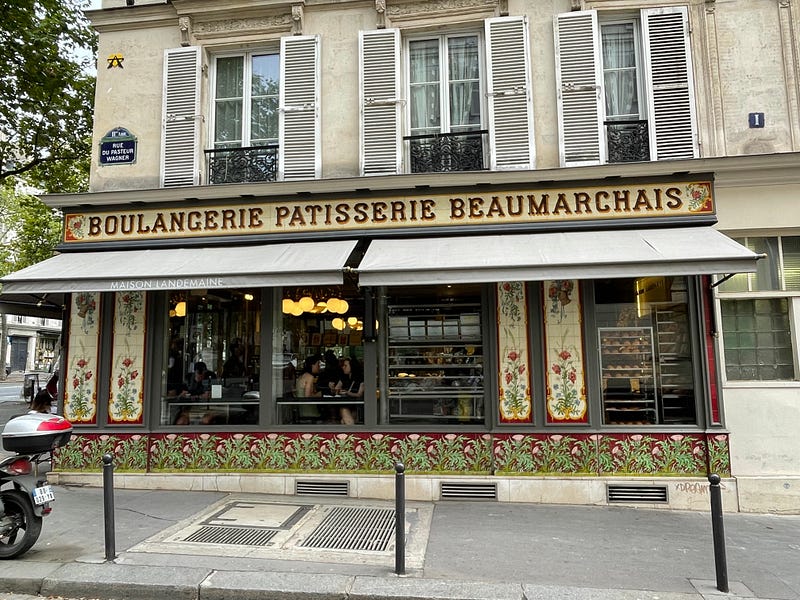
By the same token, don’t let that stop you from partaking in the experience of buying a baguette or pastry in a bakery near where you are staying. Every neighborhood has several of their own locally-owned bakeries and pastry shops.
Bread in France is a human right; they take it very seriously!
Heavy on the tobacco worship
If you are a non-smoker, as I am, this one could be difficult to deal with. The smoking population in France is significantly higher than in the USA.
Restaurants and cafes offer the option of eating on the “terrasse.” Although that sounds fancy, let’s be real: it’s the sidewalk. You’re outside. Most of the time you’ll be dining where the pedestrians are making their way down the street, with vehicle traffic emitting noxious fumes just a few meters away.
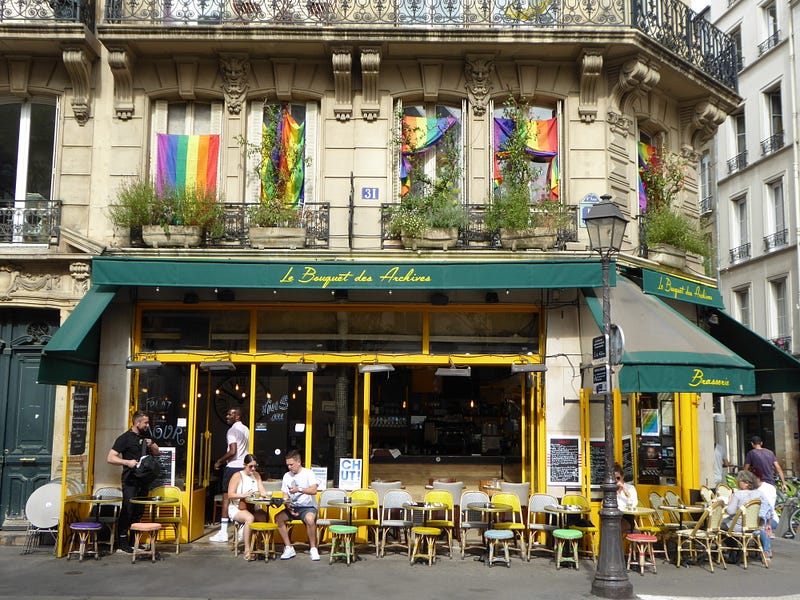
In many US jurisdictions, smoking is not allowed while dining, even in outdoor settings. But in France, it is almost guaranteed that there will be smokers adjacent to you while you are eating.
What to wear
You don’t need to be dressed as if you are heading to a reception at the Élysée Palace as an honored guest of the President of the Republic. But there are a few items of clothing that would be good to avoid, unless you want to be spotted as a tourist.
Most importantly, avoid any kind of athleisure wear such as jogging pants, tights, leggings, and sweatshirts emblazoned with the name of a sports team or university from home. Baseball caps are also a giveaway that you are not local.
Other than that, if you are neat and clean, you should be fine and more likely to be treated with respect than with contempt.
Transportation
There is a well-developed system of trains and buses in France. I have found it to be very easy to get around, both from city to city as well as within cities by using public transport.
Wherever you go, enquire about passes that allow for unlimited transport options for set periods of time. They exist, but if you come from a place that does not offer them, you may not know about them. These passes offer you the option to make a one-time payment and then take all the local transport you need, without having to queue to get a ticket or to fumble for the correct change.
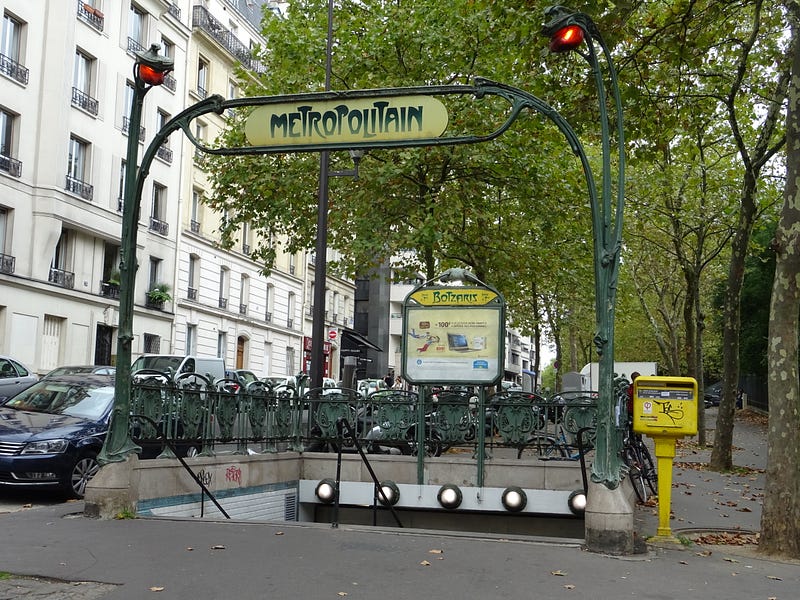
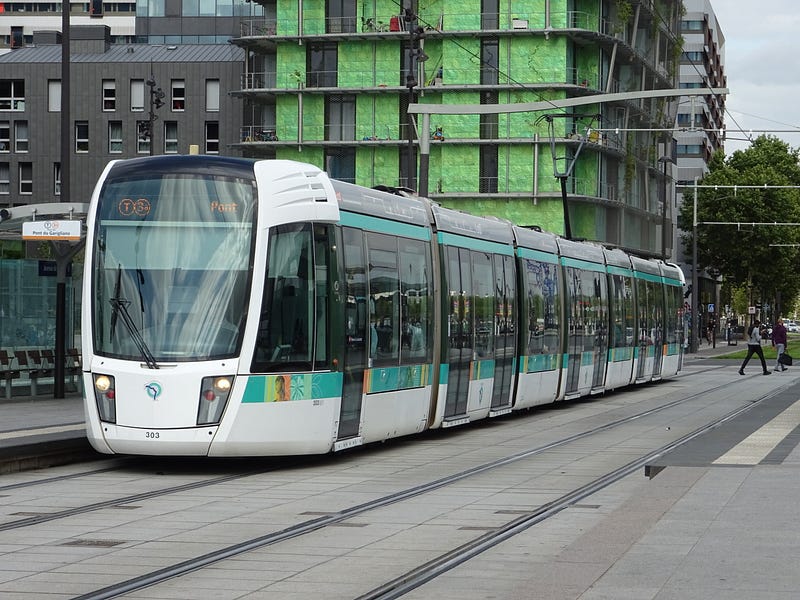
In Paris, the current transport card is called Carte Navigo. If you arrive at CDG airport, you can purchase one before you leave the terminal, which will get a pass that will not only give you unlimited transport within the region, but will also include the train ride from the airport, as well as your return trip to the airport, if you are, indeed, departing from CDG.
For a first-timer in Paris, you may prefer buses and trams as your transport, as they will offer you the opportunity to see where you are going, as opposed to the underground Metro.
This story is about my use of transport cards in urban areas, with a section that specifically mentions the Carte Navigo:
For Paris, it is especially important to note that there are several train stations around the city. If you arrive from Bordeaux, don’t go back to that station when you are departing for Lille or London! Always check for the name of the station you need.
Important note about transportation: Ask locally if people are aware of an impending strike that will shut down transportation. Though they can be difficult to deal with, you will generally find that they are announced well in advance and can last for only one day.
Other passes: museums and local attractions
Many of the highly touristed cities offer museum passes that not only offer a significant discount on entry fees, but allow for pass-holders to bypass waiting in the queue to gain entry.
Do your research to determine if the card you are considering is worth it for you. About a year ago, I posted this Medium story about my use of a 6-day Paris museum pass:
You can have a terrific time in France, availing yourself of all the features which has caused it to become the most visited country in the world: the food and wine, the culture, and all the internationally-recognized landmarks. It’s the very joie de vivre for which the French are well-known.
Go! Partake! Enjoy!