avatarRenny J.

Free AI web copilot to create summaries, insights and extended knowledge, download it at here

2693

Abstract

creditCopyText&utm_medium=referral&utm_source=unsplash">Dominik Vanyi</a> on <a href="https://unsplash.com/photos/photography-of-excavators-at-mining-area-Mk2ls9UBO2E?utm_content=creditCopyText&amp;utm_medium=referral&amp;utm_source=unsplash">Unsplash</a></figcaption></figure><p id="c35a" type="7">EVs exhibit the potential for significant increases in human toxicity, freshwater eco-toxicity, freshwater eutrophication, and metal depletion impacts, largely emanating from the vehicle supply chain. Journal of Industrial Ecology</p><p id="4428">The manufacturing process of electric vehicles is energy-intensive, contributing to a considerable carbon footprint. The study published in the Journal of Industrial Ecology found that the production phase of an electric vehicle can be responsible for a significant increase in environmental toxicity and also lead to more emissions than that of a conventional vehicle. The energy-intensive manufacturing process, including the production of lightweight materials and advanced electronics, may offset the emissions saved during the operational phase.</p><h2 id="b99a">EV Battery disposal</h2><figure id="c0fe"><img src="https://cdn-images-1.readmedium.com/v2/resize:fit:800/1*hVy2IGiD-ig3_Apr1eNUBA.jpeg"><figcaption>Photo by <a href="https://unsplash.com/@john_cameron?utm_content=creditCopyText&amp;utm_medium=referral&amp;utm_source=unsplash">John Cameron</a> on <a href="https://unsplash.com/photos/black-and-silver-flash-drive-F_EooJ3-uTs?utm_content=creditCopyText&amp;utm_medium=referral&amp;utm_source=unsplash">Unsplash</a></figcaption></figure><p id="112e">While advancements in battery recycling technologies are being made, the recycling rates for electric vehicle batteries are still relatively low. The International Renewable Energy Agency (IRENA) estimates that only a small percentage of EV batteries are currently being recycled, leading to concerns about the disposal and environmental impact of spent batteries. Developing efficient recycling processes is crucial to minimize the environmental footprint associated with the disposal of electric vehicle batteries.</p><h2 id="c1e5">Charging stations and stresses on power grids</h2><figure id="6c0c"><img src="https://cdn-images-1.readmedium.com/v2/resize:fit:800/1*tgMWuDytk36HJ_zU8IXUDQ.jpeg"><figcaption>Photo by <a href="https://unsplash.com/@michaelfousert?utm_content=creditCopyText&amp;utm_medium=referral&amp;utm_source=unsplash">Michael Fousert</a> on <a href="https://unsplash.com/photos/black-car-in-a-parking-lot-tgpvjZ-Yw6Q?utm_content=creditCopyText&amp;utm_medium=referral&amp;utm_source=unsplash">Unsplash</a></figcaption></figure><p id="a7b0">The widesp

Options

read adoption of electric vehicles necessitates the development of extensive charging infrastructure. The construction and maintenance of charging stations, along with the expansion of power grids to support increased electricity demand, can result in habitat disruption, land use changes, and other environmental impacts. Government oversight and research on striking a balance between the benefits of EV adoption and the environmental costs of infrastructure development have not been extensively undertaken.</p><figure id="159a"><img src="https://cdn-images-1.readmedium.com/v2/resize:fit:800/1*66c3UJiKnfgrHiL2Gh8Iag.jpeg"><figcaption>Photo by <a href="https://unsplash.com/@jan_huber?utm_content=creditCopyText&amp;utm_medium=referral&amp;utm_source=unsplash">Jan Huber</a> on <a href="https://unsplash.com/photos/green-trees-near-snow-covered-mountain-during-daytime-ZWH6Wm4rUw4?utm_content=creditCopyText&amp;utm_medium=referral&amp;utm_source=unsplash">Unsplash</a></figcaption></figure><p id="04a3">The environmental benefits of electric vehicles heavily rely on the source of the electricity used to charge them. In regions where the power grid is predominantly fueled by coal or other non-renewable sources, the carbon footprint of charging an electric vehicle can be substantial. According to data from the International Energy Agency (IEA), in some countries, the emissions associated with electricity generation for EVs may not be significantly lower than those from modern internal combustion engine vehicles.</p><h1 id="a085">Final thoughts</h1><p id="4737">While electric vehicles offer a potential solution to reducing tailpipe emissions and dependence on fossil fuels, it is crucial though to acknowledge the environmental challenges embedded in their lifecycle. As the electric vehicle industry continues to evolve, addressing these concerns through sustainable practices, technological advancements, and a transition to cleaner energy sources will be pivotal in ensuring that electric vehicles come close to their promise of being an environmentally friendly alternative.</p><blockquote id="6e77"><p>I’m personally more excited by alternatives such as green hydrogen-powered vehicles with new developments happening on that front! I look forward to presenting some of these developments in my upcoming articles.</p></blockquote><p id="d5fd"><b><i>Also read: <a href="https://readmedium.com/will-cars-soon-emit-just-water-and-warm-air-a4d4c295f562">Will Cars Soon Emit Just Water And Warm Air?</a></i></b></p><figure id="a1d8"><img src="https://cdn-images-1.readmedium.com/v2/resize:fit:800/1*CqIm8EV8DMuDBOjiHCAOGg.jpeg"><figcaption></figcaption></figure></article></body>

Are We Sure About Electric Vehicles?
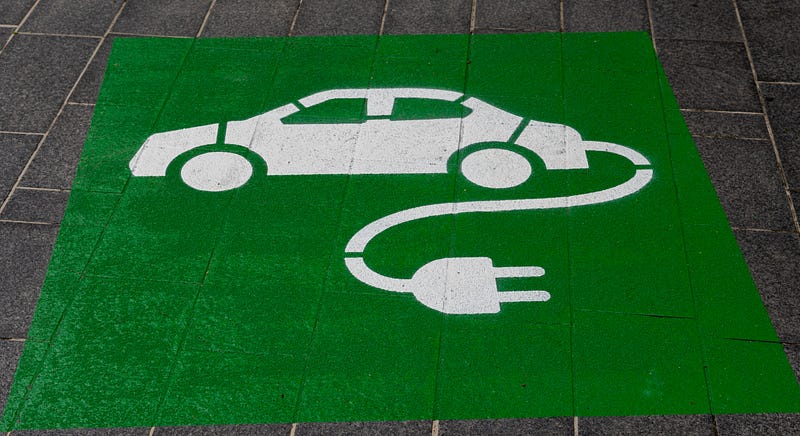
Photo by Michael Marais on Unsplash

Not a member of Medium yet? Read the article here.

A standard 1000-pound EV lithium battery requires the obscene mining and processing of 500,000 pounds of earth.

The rapid surge in electric vehicle (EV) adoption is often hailed as a significant stride towards a cleaner and greener future.

Is it really?

It is crucial to examine the true environmental impact of EVs and not just go by the narrative of governments and EV companies.

A case of confirmation bias?

When electric vehicles were commercially introduced, the world was well and truly over carbon-based fuels. With the negative press on the environmental impact of such fuels and the indiscriminate refining practices by oil companies, EVs appeared to be the best solution.

Has the narrative from EV makers, regulatory bodies and governments given credence to the collective confirmation bias that ‘electric vehicles are better for the planet’? Has there been an oversight in the cost-benefit assessment of transitioning to EVs?

The reality of the EV value chain

The production of electric vehicle batteries involves the extraction and processing of raw materials such as lithium, cobalt, and nickel. According to a report by the European Commission’s Joint Research Centre, the mining and processing of these materials can result in significant environmental degradation, habitat destruction, and water pollution. In fact, the extraction of lithium, a key component in EV batteries, has been linked to negative environmental and social impacts in regions where it occurs.
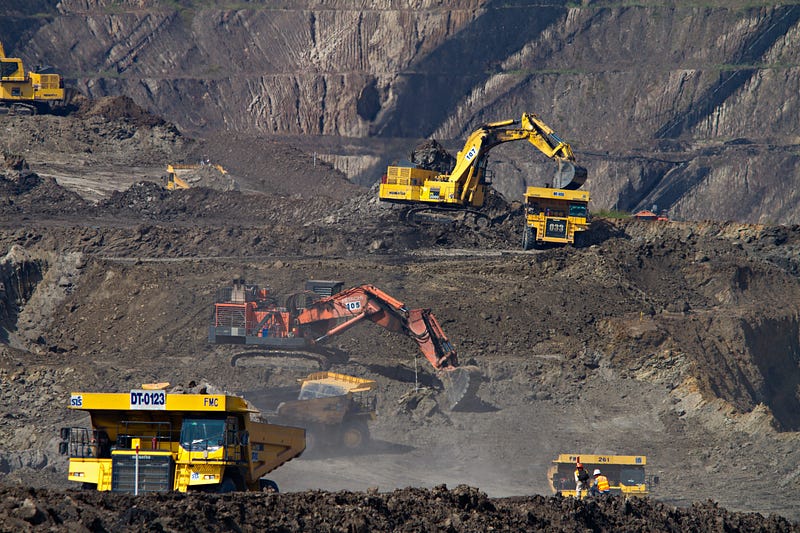
Photo by Dominik Vanyi on Unsplash

EVs exhibit the potential for significant increases in human toxicity, freshwater eco-toxicity, freshwater eutrophication, and metal depletion impacts, largely emanating from the vehicle supply chain. Journal of Industrial Ecology

The manufacturing process of electric vehicles is energy-intensive, contributing to a considerable carbon footprint. The study published in the Journal of Industrial Ecology found that the production phase of an electric vehicle can be responsible for a significant increase in environmental toxicity and also lead to more emissions than that of a conventional vehicle. The energy-intensive manufacturing process, including the production of lightweight materials and advanced electronics, may offset the emissions saved during the operational phase.

EV Battery disposal
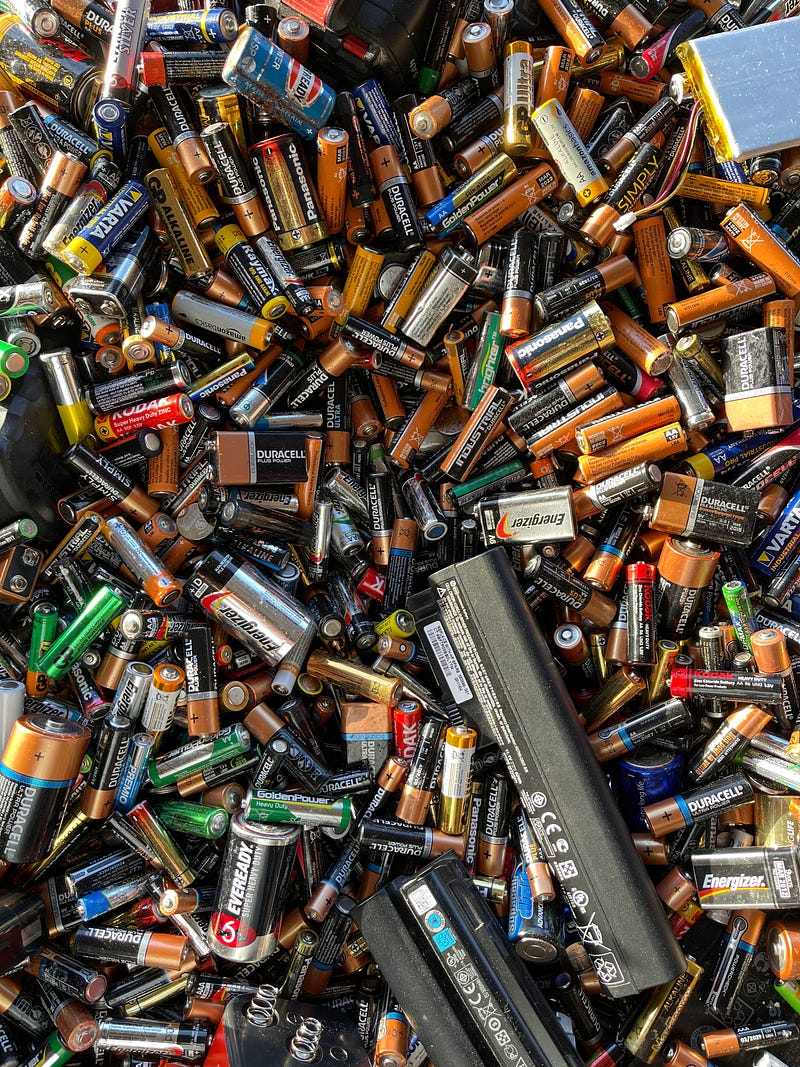
Photo by John Cameron on Unsplash

While advancements in battery recycling technologies are being made, the recycling rates for electric vehicle batteries are still relatively low. The International Renewable Energy Agency (IRENA) estimates that only a small percentage of EV batteries are currently being recycled, leading to concerns about the disposal and environmental impact of spent batteries. Developing efficient recycling processes is crucial to minimize the environmental footprint associated with the disposal of electric vehicle batteries.

Charging stations and stresses on power grids
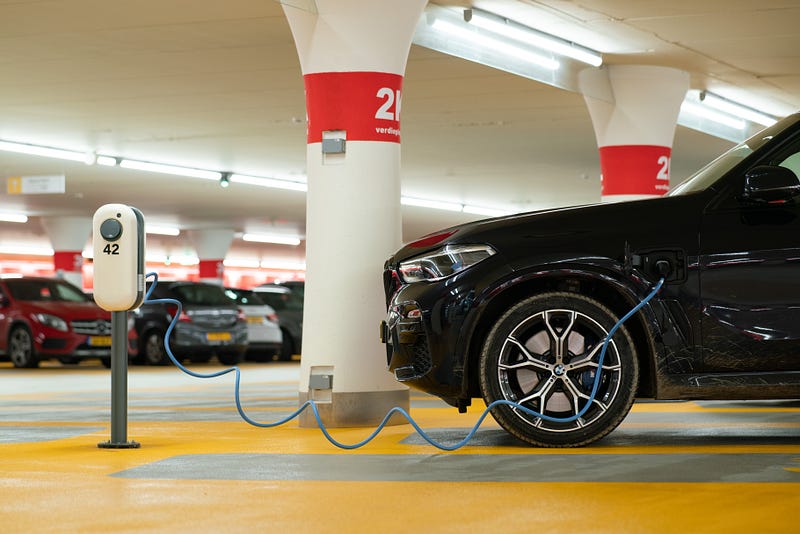
Photo by Michael Fousert on Unsplash

The widespread adoption of electric vehicles necessitates the development of extensive charging infrastructure. The construction and maintenance of charging stations, along with the expansion of power grids to support increased electricity demand, can result in habitat disruption, land use changes, and other environmental impacts. Government oversight and research on striking a balance between the benefits of EV adoption and the environmental costs of infrastructure development have not been extensively undertaken.
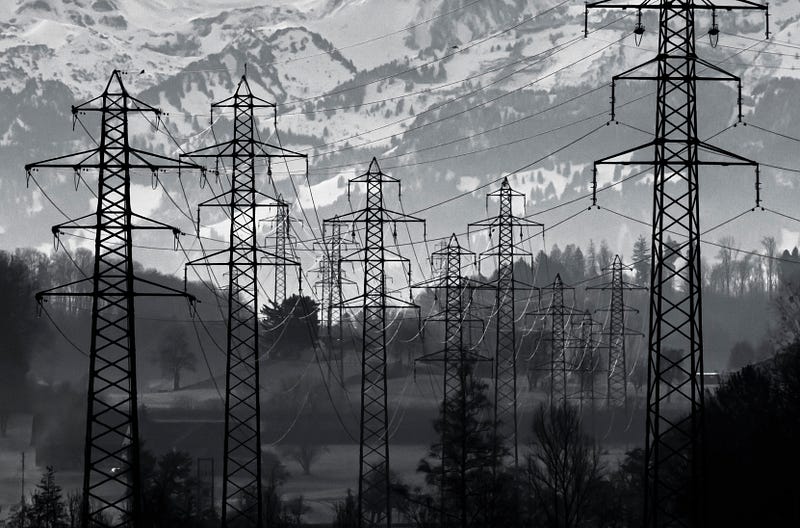
Photo by Jan Huber on Unsplash

The environmental benefits of electric vehicles heavily rely on the source of the electricity used to charge them. In regions where the power grid is predominantly fueled by coal or other non-renewable sources, the carbon footprint of charging an electric vehicle can be substantial. According to data from the International Energy Agency (IEA), in some countries, the emissions associated with electricity generation for EVs may not be significantly lower than those from modern internal combustion engine vehicles.

Final thoughts

While electric vehicles offer a potential solution to reducing tailpipe emissions and dependence on fossil fuels, it is crucial though to acknowledge the environmental challenges embedded in their lifecycle. As the electric vehicle industry continues to evolve, addressing these concerns through sustainable practices, technological advancements, and a transition to cleaner energy sources will be pivotal in ensuring that electric vehicles come close to their promise of being an environmentally friendly alternative.

I’m personally more excited by alternatives such as green hydrogen-powered vehicles with new developments happening on that front! I look forward to presenting some of these developments in my upcoming articles.

Also read: Will Cars Soon Emit Just Water And Warm Air?

Electric Vehicles
Environment
Recommended from ReadMedium
avatarTodd B Harrington
The Climate…

Has no monetary system

2 min read