
Are We Living Our Last Days on Earth?!
Identify the greatest enemy of Earth and all living creatures on the planet
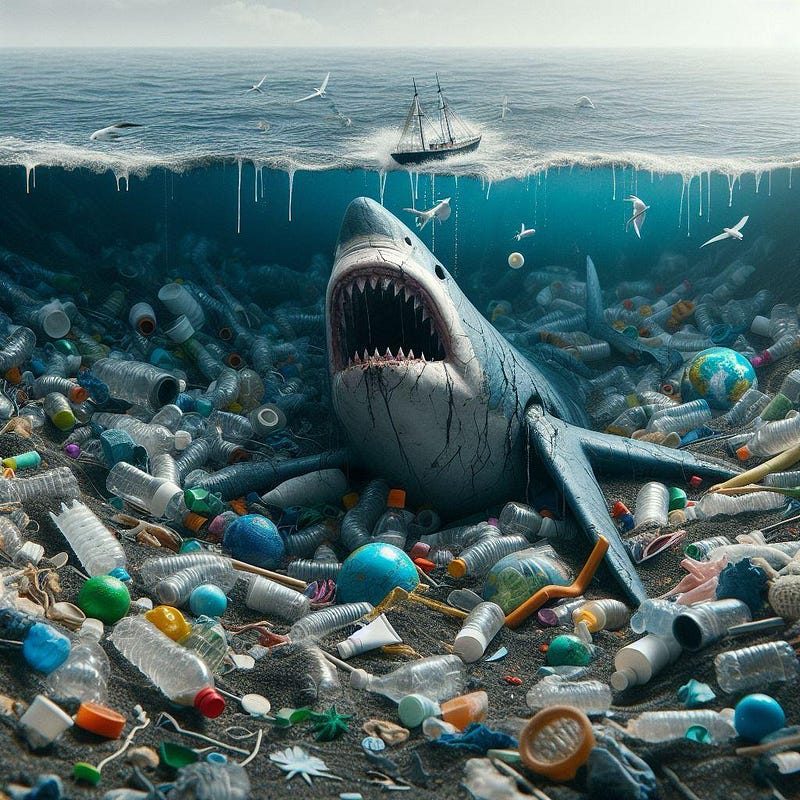
Before starting to read this article, take a look around you. How much plastic do you see? Food containers, plastic bottles, pens, and even the notebook cover next to your hand are all made of plastic! If we were to list the plastic items we use, it would be endless. Have you ever thought about the negative effects of plastic on your health?!
Despite our dependence on plastic, humans hardly ever consider its harmful effects. Plastic is made from a variety of toxic elements. These substances may evaporate, enter our bodies through our meals, or pass through the skin.
Plastic can get into our bodies in 5 ways: 1. We eat seafood that has been tainted by plastic
It has been determined that 31 species of marine creatures have eaten plastics, and over 100 species of seabirds have used plastics in place of food. Scientists have found microplastic particles in 114 marine species, and unfortunately, almost one-third of these contaminated species are on our seafood menu. Even some substances present in plastics can disrupt the brain development process in children.
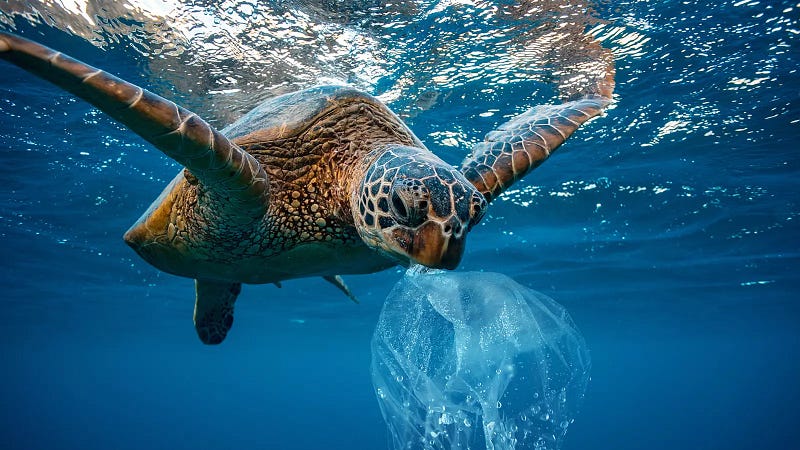
2. We consume plastic through the packaging of food items
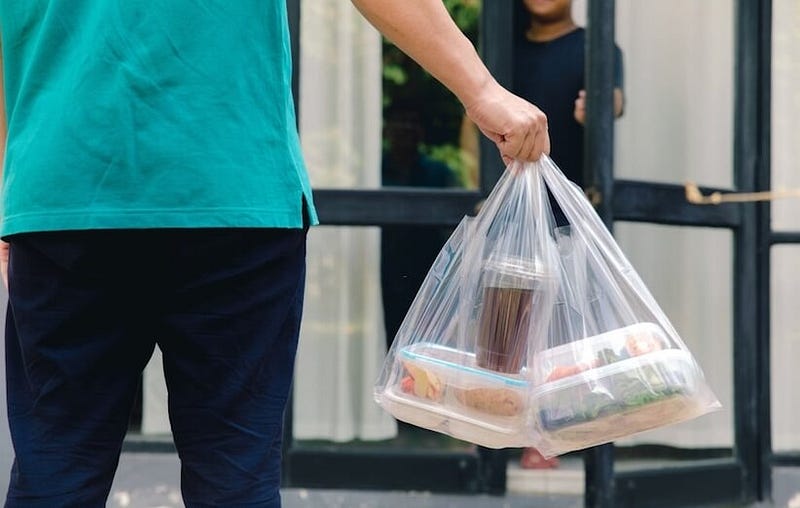
The majority of plastic packaging and containers contain BPA. Hormonal gland activity is disturbed by BPA, which also has an impact on vital body processes like digestion, heart rate, metabolism, and pregnancy.
3. We drink microplastics along with water
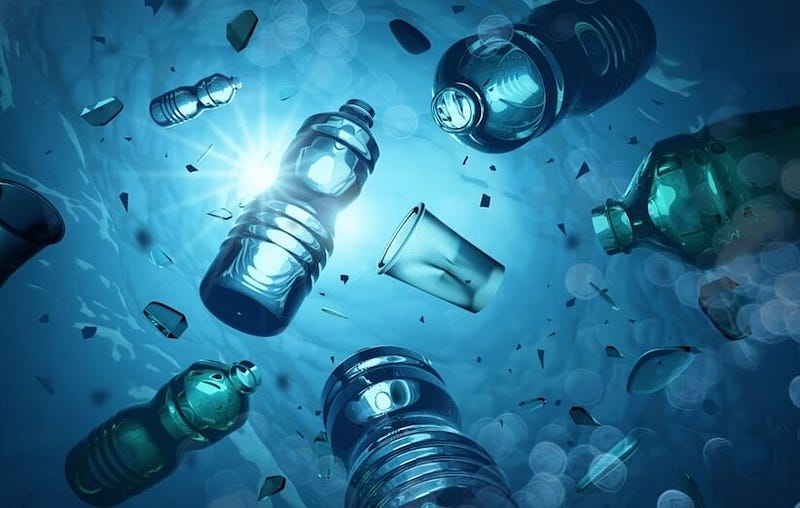
In 2018, a shocking study by the World Health Organization (WHO) revealed that microplastics are present in 90% of bottled drinking water. Scientists believe that this could lead to the deaths of thousands of species worldwide. The point is that we humans are also one of the thousands of species that could die due to plastic pollution!
4. We absorb plastic through clothing It may sound strange, but it’s true. In a recent report, it has been stated that 70% of the 100,000 kilograms of fiber used in the garment manufacturing industry worldwide are synthetic fibers. About 60% of the substances that come into direct touch with our skin are absorbed by it.
5. We breathe in plastic

People in the Southern Hemisphere are more at risk from the health consequences of breathing in plastic, even though people in the Northern Hemisphere are also experiencing significant problems related to this phenomenon. The chemicals found in plastics are released during garbage incineration. With every breath, these toxins are released into the air and simply enter our bodies. According to a survey published in March 2018, 5 billion people globally live in areas lacking proper waste disposal systems, and living in these conditions results in 9 million deaths annually.
Final word
Plastic bags are toxic and can pollute air, water, and food. To prevent environmental degradation, public education and access to nature-friendly alternatives are crucial, followed by reducing plastic production.
If you’re a plastic-free person, share your preferred alternatives for plastic bags and containers in the comments and share your lifestyle transition methods.
This is a highly important subject, and even though all of the people here are incredibly smart, I want to go into further detail about it. I truly appreciate your help, and I’d welcome any more information you might provide.
To be continued…
To support me through my investigations you can buy me a book📖 and also For more interesting and engaging facts, subscribe and follow now.
I hope that you can also enjoy reading this informative story:👇