
Another Shocking News For USA: China And Egypt Shake Hands For New Space Projects
How will the USA handle this? A Step Towards Advancing Scientific Collaboration and Diplomatic Ties

China and Egypt have recently entered into a significant collaborative venture in space technology. Focusing on the EgyptSat project, this partnership aims to enhance Egypt’s Earth observation capabilities and bolster its space industry ambitions. With China providing funding, technical support, and knowledge-sharing, this collaboration holds great promise for both nations, showcasing their commitment to scientific exploration and diplomatic ties.
China’s Satellite Assistance Through the EgyptSat Project
China’s commitment to funding the EgyptSat project marks a crucial milestone for Egypt’s space industry ambitions. The project focuses on bolstering Egypt’s Earth observation capabilities by constructing and launching two high-resolution Earth observation satellites.
China has provided significant financial support, including a $74 million grant for the project and an additional $68 million for the satellite assembly, integration, and test center to be built near Egypt’s new capital.
The delivery of two China-funded prototypes for the MisrSat-2 satellite to Egypt signifies the tangible progress of this partnership.
These satellites will monitor Egypt’s natural resources, manage urban development, and enhance disaster response capabilities. With advanced Earth observation capabilities, Egypt will be better equipped to make informed resource management, urban planning, and emergency preparedness decisions.
China’s emphasis on technology transfer and knowledge-sharing is a notable aspect of this partnership. Rather than solely providing multi-utility projects, China aims to assist Egypt in developing its satellite assembly and testing capabilities.
This approach aligns with China’s strategic Belt and Road Initiative, prioritizing infrastructure development and cooperation with partner countries. China aims to empower Egyptian scientists and engineers in space technology by sharing its expertise, fostering Egypt’s overall scientific and technological development.
China’s financial support and technical expertise in the EgyptSat project provide significant advantages to Egypt. Beyond the immediate benefits, such as access to advanced satellite systems, this collaboration facilitates the transfer of knowledge and skills.
Egyptian scientists and engineers will be able to learn from Chinese experts, enabling them to build their expertise and contribute to the long-term growth of Egypt’s space industry.
Boosting Egypt’s Development With Africa-China Space Cooperation
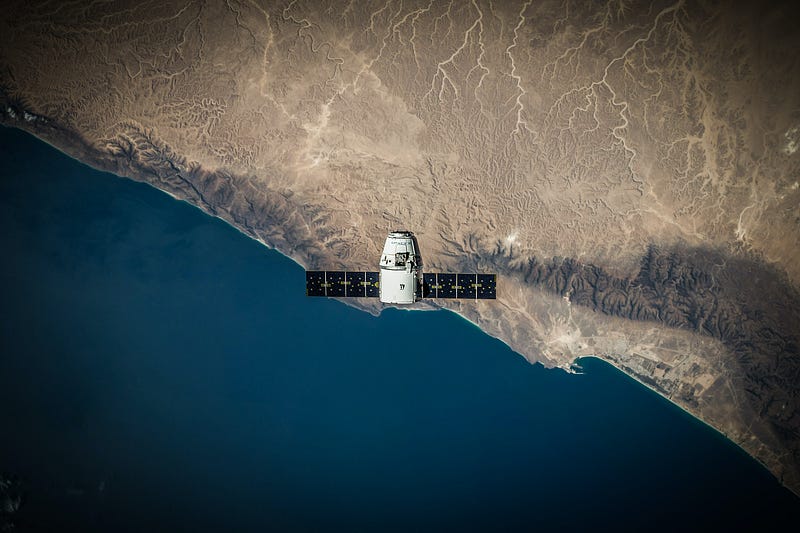
China’s partnership with Egypt in the space sector is part of a broader trend of increased collaboration between China and African nations. China’s active engagement in space-related initiatives, including satellite launches, capacity-building programs, and joint research projects, demonstrates its commitment to advancing scientific exploration and fostering economic growth in Africa.
For Egypt, collaboration with China brings numerous advantages. Apart from financial support and technical expertise, the partnership facilitates the transfer of knowledge and skills, empowering Egyptian scientists and engineers in space technology.
This knowledge transfer will have a broader impact on Egypt’s overall scientific and technological development, creating opportunities for innovation and fostering economic growth.
China’s involvement in Egypt’s space industry aligns with its broader ambitions of becoming a leading player in the global space arena. China’s impressive advancements in space exploration, including successful human-crewed missions and lunar landings.
Showcase its capabilities to provide comprehensive support to nations seeking to develop their space capabilities.Furthermore, this collaboration catalyzes Africa-China space cooperation.
China’s engagement with Egypt is part of its broader economic and diplomatic interests in Africa, where it has been actively building relationships and investing in infrastructure development.
By partnering with African nations, including Egypt, China gains access to developing markets and establishes relationships contributing to its broader geopolitical influence.
US Perspectives and Potential Actions

The United States will likely closely monitor the China-Egypt space partnership and assess its potential implications. While specific actions cannot be determined without real-time information or knowledge of current government policies, it is possible to speculate on potential US perspectives and movements.
Firstly, the United States may evaluate the security implications of China’s involvement in Egypt’s space industry. It could assess the transfer of sensitive technologies, data-sharing agreements, and the potential risks associated with the collaboration.
The US government’s focus on national security interests may lead to heightened scrutiny and the implementation of measures to protect its own technology and intellectual property.
Secondly, the United States might analyze the economic and diplomatic ramifications of China’s expanding partnerships in Africa, including the space sector. Given China’s investments and influence in various African countries, including infrastructure development projects, the US may seek to counterbalance China’s growing presence.
This could involve strengthening economic ties, promoting trade partnerships, and offering incentives to attract African nations to collaborate on space-related initiatives.
The United States is vested in promoting international collaboration and cooperation in space exploration. To maintain its leadership in the global space arena, the US may emphasize the importance of working with African nations and other countries worldwide.
It could seek to deepen its partnerships with African nations in the space sector by providing technical assistance, knowledge-sharing programs, and joint research initiatives.
Ultimately, the US government might prioritize domestic innovation and investment in the space sector. Recognizing the increasing competition from China, the US could enhance research and development funding, support domestic space companies’ growth, and incentivize private sector involvement.
By fostering a thriving space industry at home, the United States can strengthen its technological capabilities and maintain its position as a global leader in space exploration…
Please follow me subscribe to my profile for inspiring and entertaining stories and visit my referral link to get full stories


