
The Future Direction Of The US Supreme Court: Insights News From The Latest Term
Understanding the Impact of Judicial Dynamics and Future Implications for American Law and Society
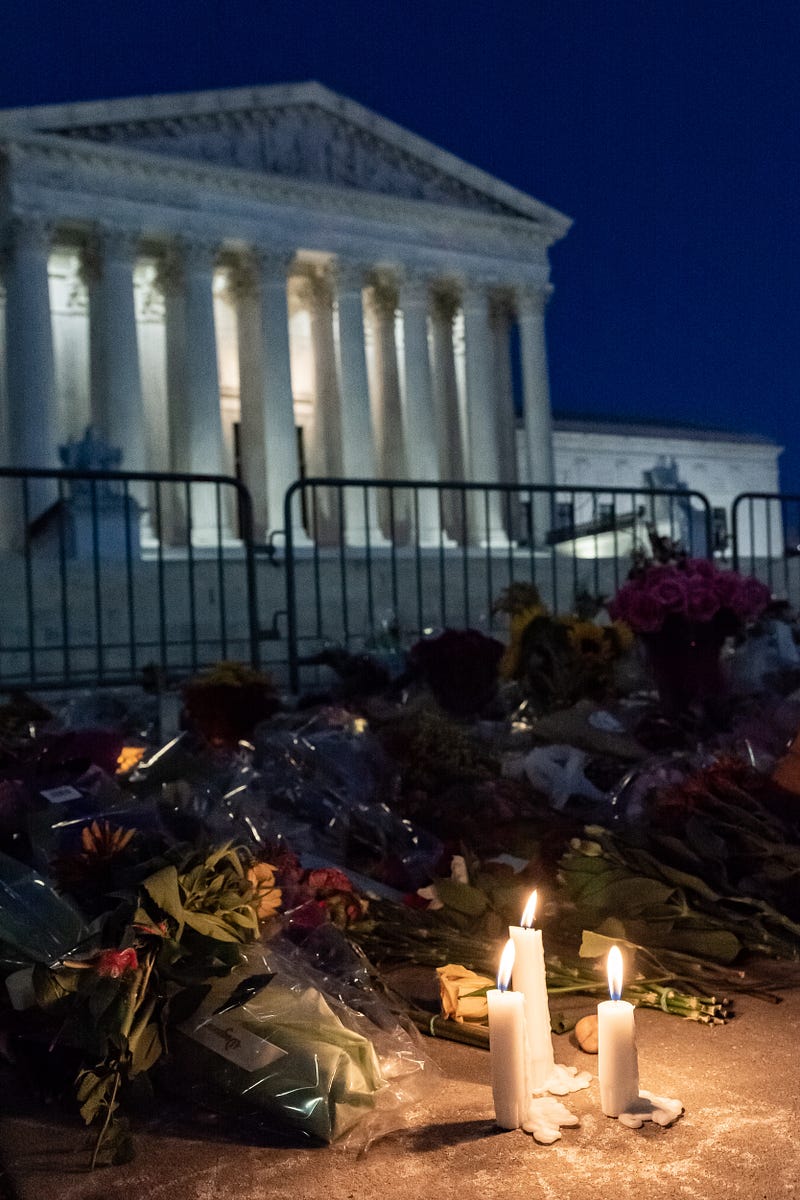
The conclusion of the US Supreme Court’s recent term showcased the dominance of the conservative justices and their ability to effect significant changes in law and society. While they made bold moves such as striking down race-conscious college admissions, suspending President Biden’s student loan forgiveness program, and ruling in favor of an evangelical Christian website designer’s freedom of speech claim, the term also revealed instances of incremental changes and unexpected alliances among the justices.
This report provides a detailed analysis of the Supreme Court’s future direction based on the insights gleaned from its latest term.
Challenges and Controversies: Navigating Controversy, Alliances, and Key Cases:
The Supreme Court faced numerous challenges and controversies during the past term.
Reports on undisclosed trips taken by Justices Thomas and Alito, an attempted assassination of Justice Kavanaugh, protests outside justices’ homes, and criticism of ethical lapses created a difficult environment for the Court.
Calls for an ethics code, improved financial disclosures, and transparent recusal processes grew louder, placing pressure on the Court to address these issues promptly.
Ideological Split and Dramatic Differences:
The ideological split between the six conservative justices and the three liberal justices became more apparent throughout the term. Key cases such as affirmative action, student loans, and a website designer’s free speech rights showcased the stark contrasts in their perspectives on critical legal issues.
Despite occasional alliances with liberal justices, the Court remained a conservative and assertive institution.
Conservative and Liberal Collaborations:
Surprisingly, the conservative justices occasionally sided with their liberal colleagues, tipping the balance in favor of liberal outcomes.
Notably, in a significant case involving Section 2 of the Voting Rights Act, Chief Justice Mr Roberts, and Justice Kavanaugh joined the liberal justices, strongly affirming the importance of the act. Such collaborations highlight the nuanced dynamics within the Court and the potential for unexpected alignments in future cases.
Chief Justice Roberts’ Influence:
Chief Justice Roberts, who values the Court’s institutional image, regained some control and influence during this term.
His ability to persuade Justice Kavanaugh and other liberal-leaning justices on critical issues was notable. However, the future trajectory of the Court will depend on upcoming cases and the choices made by the judges.
Given the Court’s recent pattern of accepting controversial and divisive cases, the Chief Justice’s incremental approach may face challenges in the future.
Justice Ketanji Brown Jackson:
Justice Ketanji Brown Jackson, in her first term, emerged as a formidable voice on the Court. Though she may still need the votes to drive outcomes, her presence and willingness to engage in robust questioning were apparent.
She challenged Justice Thomas’s long-standing adherence to a colorblind constitution, asserting her originalist perspective. Justice Jackson’s trial judge experience likely contributes to her assertiveness and active participation in Court proceedings.
Future Cases and Significance:
Several cases on the Court’s docket for the upcoming term carry substantial implications.
One special case, Rahimi v. United States, will determine whether individuals subject to domestic violence restraining orders can possess firearms.
Given the lower courts struggle to apply Justice Thomas’s Second Amendment standards, the Court’s decision, in this case, may provide additional guidance on the constitutionality of gun restrictions.
Other critical cases involve challenges to the Consumer Finance Protection Bureau and the Chevron Doctrine, potentially shaping the landscape of federal regulation.
Conclusion: The Supreme Court’s latest term underscored the continued dominance of the conservative justices yet also revealed instances of collaboration and unexpected alliances. The Court faced challenges and controversies that prompted calls for increased transparency and ethical standards.
While Chief Justice Roberts seemed to regain influence, the Court’s future direction remains uncertain, contingent upon its chosen cases and the justices’ interpretations. With crucial points on the horizon, the Supreme Court’s decisions in the coming term will shape the legal landscape and impact…
Please follow me subscribe to my profile for inspiring and entertaining stories and visit my referral link to get full stories