
Ancient Roman Teaches Us 3 Crucial Lessons About Money & The Economy
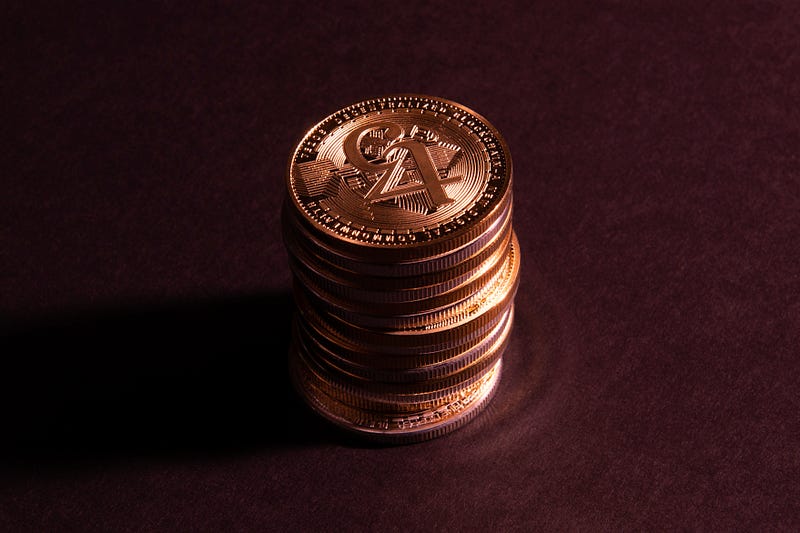
“Friends Romans and Countrymen, can you lend me some dosh?’’ cried the famous Roman lawyer & statesman Marcus Tullius Cicero.
Well okay, he didn’t. I made that bit up, but in my defence, it is something that he could have said only a lot more eloquently.
In 44 BCE, the great orator Marcus, had a lot to say on all the trending hot topics. He had a silver tongue and was well respected for his persuasive skills. He was so good, he beat the great Julius Caesar in a heated debate about the death penalty. He was against it, and Caesar was for it.
He was an ambitious big thinker, noteworthy lawyer, scholar, statesman and a prolific writer. Think Elon Musk only with words. His opinions were respected and he often wrote essays or books about life in Rome or how to live a more moral life.
One of his great works was a trilogy with a very catchy title, On Duties (De Officiis). A series written specifically for his son and offering moral guidance & tips on leadership.
Marcus hated the corruption and greed he witnessed daily in the senate, but most of all, he was sickened by the bloody and brutal assassination of Caesar that took place right in front of him.
Shocked by the terrible murder, he wanted to make sure his son knew how to choose the right path. His letter turned into a lengthy book in which he detailed the steps to follow in order to make the right choices in life, no matter what the circumstance.
So what? I hear you say.
Well, Marcus wrote some very curious things about money. They were so strange that for years they baffled historians.
Every now and again, he would include in his writings a juicy little tidbit about coinage, which implied that Rome was suffering from a terrible financial crisis. But no one could believe it, or verify it.
An Ancient Recession
A financial crisis in Rome?
Historians just couldn’t believe it. Surely, there was an alternative explanation?
One sentence he wrote stated,
‘the coinage was being tossed around, so that no one was able to know what he had.’
I know it doesn’t seem like much of a statement, but believe me, it’s one that caused historians to get their knickers in a twist.
It was a delicious mystery as no one was sure what it meant. From a historians perspective, it was certainly worth getting all hot and bothered about.
Was it really possible that ancient Rome suffered from a financial crisis similar to modern day financial recessions?
War And Bankruptcy
For years, historians debated the mystery of the coinage. But no one was really sure until now.
They knew that in 91 BCE, Rome was almost bankrupt due to the social war against Italian allies. Rome was swimming in debt and the people were losing faith in the currency, which was the silver denarius and the bronze az.
I’m no economist, but this certainly seems similar to economic events around the world today! But what exactly was going on? Would the riddle ever be solved?
The Shocking Truth About Shrinkflation
Enter Kevin Butcher and his team of archaeologists from Warwick University in the UK. He and the clever bods at the university were able to analyse the coins minted during that period only to discover the shocking truth.
The silver coins were not 100% silver!
We have all experienced shrinkflation, that naughty little trick used by manufacturers. They reduce the size of the product but charge you the same price for it. Here was evidence that the Romans were tampering with the purity of the silver!
Before 90 BCE, the denarius was 100% pure silver. Then it dropped to 95% silver and then down again to 90–86%. All this in just 5years!
Was this the first ever record of shrinkflation? I don’t know, but Mathew Ponting, an archeologist from Liverpool University, has gone on record as saying,
“It suggests a severe currency crisis.”
The Romans increased coin production dramatically in 90 BCE. Scholars know this because the number of moulds used to mint the coins rose from 677 to a whopping 2372. That is a huge increase in the money put into circulation.
In 89 BCE, the state also sold off public land to buy grain. Now doesn’t selling off public assets to finance debt sound familiar? The UK has been doing this recently. Although the government never actually declared why they were doing it.
3 Crucial Things We Need To Understand About Money & The Economy.
- There is nothing much new under the sun when it comes to human behaviour. Humans have only a few personality traits. This means we always have the same type of leaders who always make the same type of mistakes.
- Humans suffer from collective amnesia. After 1 generation we start to forget things. Take World War 2 for example, the young generation do not have the same connection to the horrors of war.
- Financial recessions are a normal part of life and last for years. There are always red flags that indicate recessions. Inflation, printing extra money, no financial security. Exactly what you see happening on a global scale today.
Take Steps To Prepare
Now more than ever we need to be looking after our money and preparing ourselves for the future. Because as sure as eggs are eggs the road ahead is going to get more challenging financially.
By acknowledging things will change you can better prepare yourself and manage the change.
I’m not a financial guru so I’m not going to give you any financial advice.
That said, look after your health & wealth. Read and research money because the financial market is transforming rapidly.
If you are feeling warm and fuzzy or just generous please buy me a coffee with this link here
Like this article then why not try these:
The Shocking Truth: Business is Booming For The Tinder Swindler Simon Leviev
Money Lies Greed Deceit The COVID Story You Don’t Want To Believe
10 Uncomfortable Truths The Tinder Swindler & Puppet Master Teach us
Like what you just read? For only $5 a month, you can read unlimited stories like this when you sign up here. I get a commission when you sign up using my link, but you get unlimited access to all articles on Medium.com. Cool deal right? Here’s the link again.
Live Strong, Love & Prosper


