
An Update From Inside China
Starbucks closures, hospital updates and more
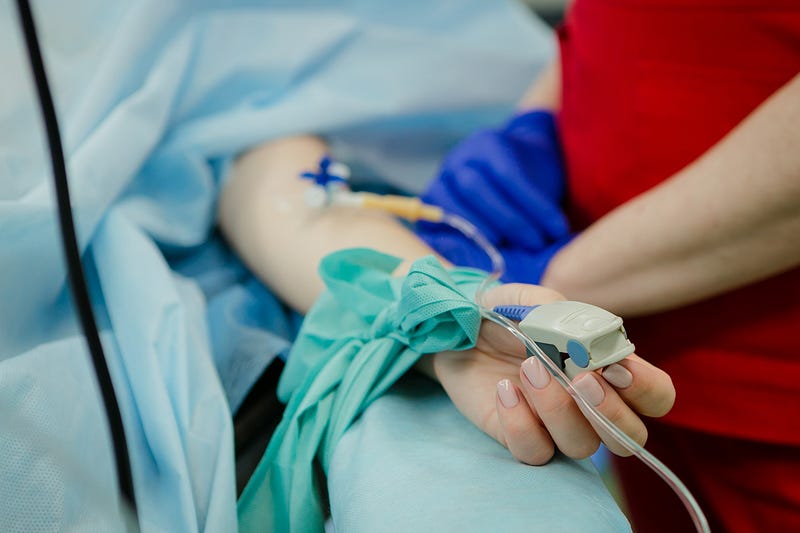
The longer the virus continues to spread, the harder it becomes to understand what the hell is actually happening.
News media around the world continue to report wildly different numbers and predictions, so confusion only keeps growing.
Some are spreading mass conspiracy and panic around supposed racial cleansing and chemical warfare. Others are calling out anyone that’s taking the event too seriously. Anyone that reports this event as anything more than an extended flu period is risking being blasted by the exaggeration police.
I’ve personally been using the word ‘pandemic’ fairly freely, and I do so because what’s around me. I’m living in Shanghai and it feels like a pandemic. Hospitals are crowded, the streets are empty, and people don’t feel safe being outside.
I’m being forced to contact my boss every morning and report on my health, and my roommate is receiving government phone calls regarding places he’s been and “how he’s feeling”.
It’s hard to put into words how things really are on the ground, so here are the developments that have been taking place recently.
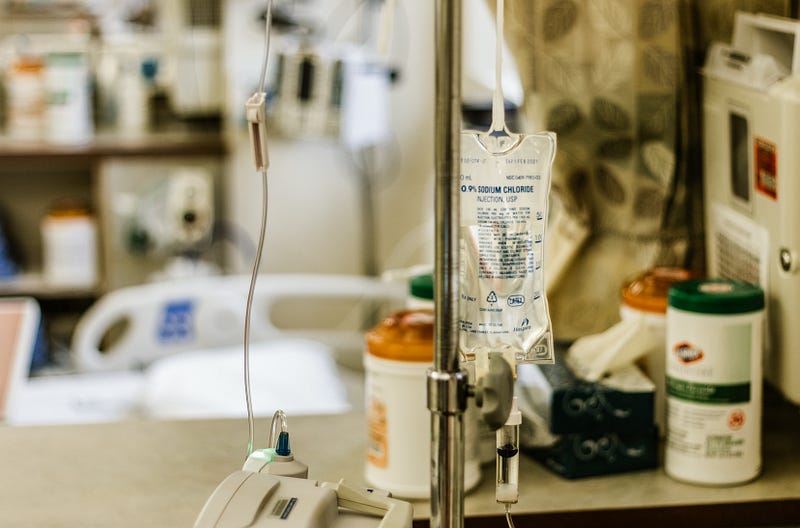
Hospitals are stepping up measures
I had to go back to hospital today to have my surgical wound re-dressed, and I noticed quite a few changes from only 2 days ago.
Before being admitted into the hospital, I had to allow myself to be scanned by an infrared scanner. After that I walked inside to a bleak picture.
The nurses in the reception area are now dressed in what looked like white hazmat suits. I expect that wherever the virus patients are being treated, all of the staff there are now dressed that way. Luckily for me, I was taken to the surgery wing where the doctors and nurses still only sport the regular surgical masks.
Local news outlets have been re-assuring us that things aren’t getting worse, but it feels strange that nurses are taking more precautions than they were even 48 hours ago. I wonder if they know something we don’t know.

Starbucks has closed
There isn’t a single Starbucks in my area that has stayed open during the pandemic. Reports have said that “more than half” have been closed, but I suspect that this is downplaying the situation. If there are any left open at all, they’re not anywhere near me.
Like everything else in the news, I strongly suspect that the numbers are being downplayed. People outside China are skeptical that there’s even a reason to be concerned, but people here in China are sure it’s even worse than the reports are saying. Many businesses have been closed for the pandemic, especially food related ones. Businesses that operate at low risk (such as ghost kitchens) have been allowed to continue normally.
Back to Work
The Chinese New Year holiday comes to an end for many businesses starting on Monday (February 3rd 2020).
Employees for most companies will be going back to work, but they won’t be physically going anywhere. Desk-job workers for companies all over the country are being told to stay home and work remotely until further notice.
For now, many are being told to work from home through next week and to expect updated news next Friday. I expect that this will continue throughout February, with regular business practices being resumed in March (fingers crossed).

Going forward
I will continue to live my life in “bunker mode”, only leaving the apartment to re-dress my wound at the only hospital in the city that will see me. (Most won’t see me for non-emergency and non-viral reasons).
I’m remaining careful and vigilant, as many other people in China are doing as well. By taking it seriously and cutting off the spread, we’re all doing our best to stop this thing as fast as we can.
Stay safe and keep using common sense. Don’t disregard the risk just because the news hasn’t covered your area yet, they’re as blind about this as we are.
Prepare as if you might be infected, without panicking or overly stressing. We can stop the spread by being careful, staying honest, and sharing our experiences.
If you see something unusual, say something. The government and the media are never going to tell the whole story, so it’s only together that we’re going to get through this.


