
WOMEN + HISTORY
America's First Woman Senator Thought Lynching Black Men Was a Good Thing
Never forget the racism within White women's movement

Since we're celebrating Women's History Month, we should ensure we're not creating poor heroes for the next generation of women. I fear that in talking about figures like Susan B. Anthony and Cady Stanton and not their role in excluding Black women from the franchise, we present a misleading and false pretense that American women were always "in this together," when in reality, they "focused on White women's suffrage over voting rights for all women." But White women's movement did more than exclude Black women — it actively hurt Black men.
Look no further than America's first woman Senator, Rebecca Latimer Felton. In 1897, Felton said, "if it takes lynching to protect women's dearest possession from drunken, ravening human beasts, then I say lynch a thousand a week." As the last enslaver in Congress, Felton represented former Confederates, angry they lost the war and the right to enslave Black people. Felton’s speech fed into a venomous lie that Black men were savages who would habitually rape White women. Felton and others promoted lynching as a solution to a nonexistent problem.
Mr. Samuel Brown, another concerned citizen, could remember at the age of five, “Negroes [being] subjected to lynching and burning at the stake.”
Yet, Ida B. Wells, a Black journalist, exposed the truth. "In her Free Speech editorials, Wells denounced the 'rape myth.' She also reported newspaper accounts of White women who voluntarily had affairs with Black men who were lynched when this relationship was discovered." Someone rapes a woman in America every two minutes, but this isn't a problem isolated to Black men. The "rape myth," as Wells referred to it, became a grand excuse to kill Black men, without even the pretense of a fair trial.
While most public school texts refuse to acknowledge it, White women like Felton thought lynching Black men was a good thing, that it kept White women safe. But, you see, White feminism since the beginning has centered around self-aggrandizement rather than true equality. So, what do we do during March, when we're asked to celebrate women's history, and White women only want to talk about the positive outcomes of the women's movement?
We have to commit to telling the truth. Progress for White women has not consistently improved the lives of Black women, men, or our communities. Why should Black women rejoice because Rebecca Latimer Felton became America's first woman senator? Southerners would have lynched Black men by the thousand if she had it her way. Yet, if someone said the same thing about Jewish people, White folks would stop the presses. No one would be allowed to praise Felton without also being considered antisemitic. Yet, somehow, White women get away with honoring White women who hold genocidal views about Black people.
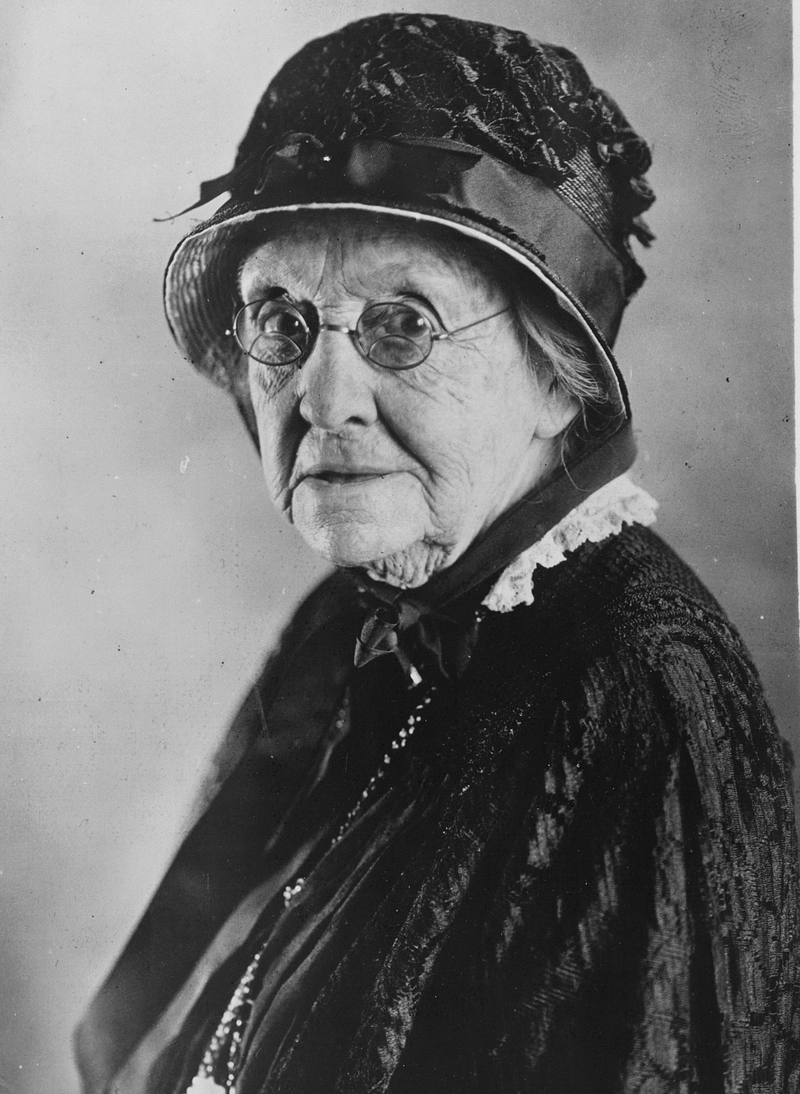
Every Women's History Month, I feel conflicted. I feel a sense of pride in the progress women made. However, America's women's movement has never reckoned with racism. And no matter how much "waves" you cake on top, there is no version of feminism that hasn’t incorporated racist ideology. White women have been so centered on acquiring rights that they've overlooked the racism in the movement.
We can't celebrate Women's History Month without acknowledging the racial segregation of the women's movement or how triggering "believe all women" is for Black men, whose ancestors were lynched due to the strict application of this stipulation. Remember, lynchings were a family affair. White people dressed in their "Sunday best," cooked, celebrated while torturing Black men, women, and even children. White women brought their children to bear witness — they were not ashamed at all. On the contrary, many White women were proud of their racism.
“George Briscoe was lynched” in Maryland “for an alleged robbery.” “Ballie Crutchfield was lynched” in Tennessee “for searching for her brother,” while Zachariah Walker was burned alive by “1,000 men, women and children,” a lynch mob. “Henry Patterson was lynched” in Florida “for asking a white woman for a drink of water.”
White women need better heroes, and there are many. Elizabeth Margaret Chandler founded the first anti-slavery society in Michigan. Lucretia Mott dedicated her life's work to advancing women's rights and the anti-slavery movement. Sarah and Angelina Grimke's writings contributed to the anti-slavery and women's movement. White women also founded the Association of Southern Women for the Prevention of Lynching. Yet, the emphasis during Women's History Month leaves their stories out in the cold. There is a choice to praise some women and bury the stories of others, and it's rooted in racism. Anti-racist women will have anti-racist heroes, not those proud to participate in a lynch mob.
This week, the House voted 422–3 to approve the Emmett Till Antilynching Act. "By passing my Emmett Till Antilynching Act, the House has sent a resounding message that our nation is finally reckoning with one of the darkest and most horrific periods of our history and that we are morally and legally committed to changing course," Rush said in a prepared statement."
From now on, women should use scrutiny in the heroes they celebrate because of their accomplishments. Becoming the first woman elected to Congress does not excuse the racist, hateful rhetoric Felton spread and the harm it caused Black men, women, and children. If we're going to teach a new generation of women about women's history, we should do so honestly, with the nuance these topics deserve. And no matter what wave feminism finds itself in, racism has been baked in, and the reluctance to reckon with the hate in the movement has limited its potential.
🌹Learn more about the author here. 🖊Sign up to read all my stories and thousands more.
Want to write for The Pink? We’d love to have you in our community of 400+ writers. Or Follow us on Instagram for more.


