avatarNatalie Frank, Ph.D.

Free AI web copilot to create summaries, insights and extended knowledge, download it at here

1886

Abstract

ey share the very sparsely worded ideas of regular haiku and have to be carefully crafted to communicate an idea in such a short space. At the same time they aren’t wedded to the 5–7–5 or 17 syllables of a traditional haiku and many view an American haiku to just be a very short poem no matter how many syllable or lines.</p><p id="87f4">The poem I shared with you here has three stanzas of 18 syllables while the final stanza has an extra syllable for emphasis on the final idea. None of the stanzas have a specific pattern in terms of how many syllable should be on each line.</p><p id="7bf3">I’m still working on making these types of poems communicate something that the reader will connect with while doing it if not with quite the same brevity of Japanese haikus, then at least the same feel to them of being pared down to only the essential words needed to express my sentiment.</p><p id="f073">I look forward to reading more American haiku in the future, as this has quickly become one of my favorite types of short poems. It is also a challenge that I have given myself since I can see that the ones I have written so far don’t quite have the effect I intend and even though the syllables may be limited they still feel a bit wordy in comparison to other American haiku I read.</p><p id="1c4a"><b>I’d be interested in other people’s impressions of this poetic form who have written them and consider themselves either new at it or more experienced if you’d like to share your experiences in the comments.</b></p><p id="408d"><i>Natalie Frank has had her poetry featured in several anthologies including Untimely Frost. Her fiction has been published in Haunted Waters Press, Weirdbook Magazine, Siren’s Call Publications, Lycan Valley Press and Zero Fiction among others. Her collection of poetry, <a href="https://smile.amazon.com/dp/B082LXLV84?tag=amz-mkt-chr-us-20&amp;ascs

Options

ubtag=1ba00-01000-a0049-win10-other-smile-us000-pcomp-feature-scomp-wm-5&ref=aa_scomp_srdg2"><b>Disguised I Breathe, In Love I Hold</b></a>, can be found on Amazon under her pen name, Taye Carrol.</i></p><figure id="e33b"><img src="https://cdn-images-1.readmedium.com/v2/resize:fit:800/1*WDHIWtnGiVMjEPlD2lgXPA.png"><figcaption></figcaption></figure><p id="e861"><b>If you enjoyed reading this poem, you might also like these:</b></p><div id="14cb" class="link-block"> <a href="https://readmedium.com/new-normal-an-american-haiku-a082c880b695"> <div> <div> <h2>New Normal: An American Haiku</h2> <div><h3>A response to Dead Poets Live April 5th Prompt</h3></div> <div><p>medium.com</p></div> </div> <div> <div style="background-image: url(https://miro.readmedium.com/v2/resize:fit:320/1*occNv_guvJBa8dHHUbBM9A.jpeg)"></div> </div> </div> </a> </div><div id="401e" class="link-block"> <a href="https://readmedium.com/no-more-beleaguered-nights-230fa7d26d51"> <div> <div> <h2>No More Beleaguered Nights</h2> <div><h3>The anxiety at night, when being ill is the most stressful, seems to have perhaps, finally begun to taper off, bringing…</h3></div> <div><p>medium.com</p></div> </div> <div> <div style="background-image: url(https://miro.readmedium.com/v2/resize:fit:320/1*bPDGcgoEVB361y2Kl6gPOg.jpeg)"></div> </div> </div> </a> </div><p id="cf56"><b>You can follow me and find links to all of my articles, essays, fiction and poetry on Medium <a href="https://medium.com/@nataliefrank">here.</a> Thanks for reading!</b></p></article></body>

American Haiku

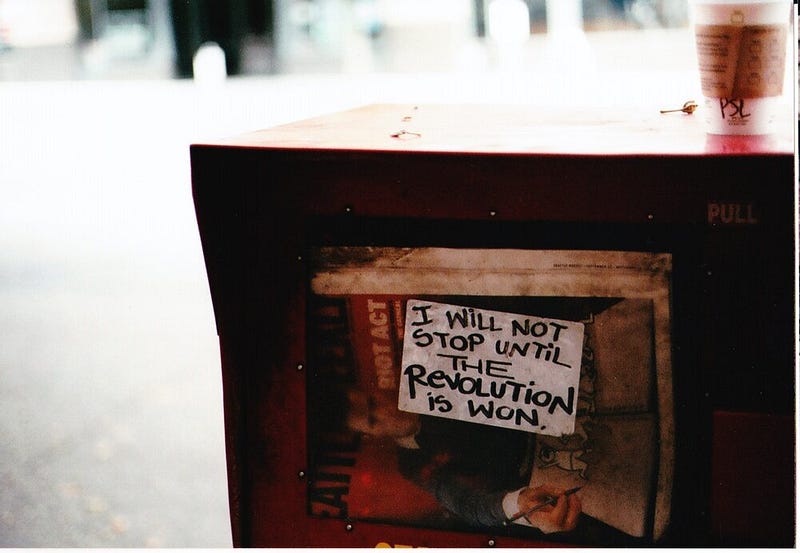
street where lies the heart no room for tasteless sentiment new haiku takes form

no space for drawn out nature cherry blossoms sleep here we cut straight to bone

willing to disclose display our inner frailty respect us or push off

puffed up pompous pettiness has no place with us from insurgence were we born

I’ve continued to explore American haikus looking at different resources and writers. A lot of these new style haikus were created by writers from the Beat Movement, in particular Jack Keroauc, Lew Welch, and Albert Saijo who wrote a book of haiku while traveling together on a cross country trip.

Allen Ginsberg felt that the 5–7–5 syllable requirement for regular haiku was too forced and that using it resulted in nothing more than a counting exercise. Instead, his haiku were single 17 syllable sentences, renamed American sentences instead of haiku. Like the American haiku which ran down the page, Ginsberg’s haiku relied on the line being extremely consise and sharp detail. Much of his haiku were intended to be amusing. Some of the ones I find most interesting are these:

Four skinheads stand in the streetlight rain chatting under an umbrella. *** Taxi ghosts at dusk pass Monoprix in Paris 20 years ago. *** Crescent moon, girls chatter at twilight on the bus ride to Ankara. *** Put on my tie in a taxi, short of breath, rushing to meditate. *** That grey-haired man in business suit and black turtleneck thinks he’s still young.

The more of these American haikus I read the more I enjoy them. They share the very sparsely worded ideas of regular haiku and have to be carefully crafted to communicate an idea in such a short space. At the same time they aren’t wedded to the 5–7–5 or 17 syllables of a traditional haiku and many view an American haiku to just be a very short poem no matter how many syllable or lines.

The poem I shared with you here has three stanzas of 18 syllables while the final stanza has an extra syllable for emphasis on the final idea. None of the stanzas have a specific pattern in terms of how many syllable should be on each line.

I’m still working on making these types of poems communicate something that the reader will connect with while doing it if not with quite the same brevity of Japanese haikus, then at least the same feel to them of being pared down to only the essential words needed to express my sentiment.

I look forward to reading more American haiku in the future, as this has quickly become one of my favorite types of short poems. It is also a challenge that I have given myself since I can see that the ones I have written so far don’t quite have the effect I intend and even though the syllables may be limited they still feel a bit wordy in comparison to other American haiku I read.

I’d be interested in other people’s impressions of this poetic form who have written them and consider themselves either new at it or more experienced if you’d like to share your experiences in the comments.

Natalie Frank has had her poetry featured in several anthologies including Untimely Frost. Her fiction has been published in Haunted Waters Press, Weirdbook Magazine, Siren’s Call Publications, Lycan Valley Press and Zero Fiction among others. Her collection of poetry, Disguised I Breathe, In Love I Hold, can be found on Amazon under her pen name, Taye Carrol.

If you enjoyed reading this poem, you might also like these:

You can follow me and find links to all of my articles, essays, fiction and poetry on Medium here. Thanks for reading!

Haiku
Poetry
Psychology
Life
Writing
Recommended from ReadMedium