avatarDaniel Hopper

Free AI web copilot to create summaries, insights and extended knowledge, download it at here

4747

Abstract

ems.</p><p id="ecdd">Sweet potato is also filled with<b> </b>micronutrients such as beta-carotene and vitamin A. The darker variety of sweet potatoes is especially full of antioxidants.</p><p id="5af3">There is a huge variety of sweet potatoes across the globe in different colours such as yellow, white, orange and maroon/red.</p><figure id="2b51"><img src="https://cdn-images-1.readmedium.com/v2/resize:fit:800/1*PU_bmdzC5_q_2yow9rbjCQ.png"><figcaption>Screenshot from Google</figcaption></figure><h1 id="09c7">Canned Beans/Legumes</h1><p id="dc64">Canned beans are a very versatile and nutritious food option to add to a variety of meal options such as Mexican food, pasta dishes, soups and salads.</p><p id="3e9f">Beans and legumes are very dense in soluble fibre — helping to improve heart health, keep you satiated (full) and slow the rate of food digestion. Consuming beans and legumes could even <a href="https://www.nbcnews.com/id/wbna15145789">lower the risk of heart disease and cancer.</a></p><figure id="184f"><img src="https://cdn-images-1.readmedium.com/v2/resize:fit:800/1*GiaAmMHprogXA6zHbgz-4g.jpeg"><figcaption>Photo by Sumeet B on Unsplash</figcaption></figure><p id="3ea9">As well as being dense in micronutrients, beans and legumes are also great carbs sources to provide energy and protein to help build muscle.</p><p id="d723">However, as common with plant proteins, they don’t contain a full array of amino acids. Therefore, mixing different plant-based protein sources raises the muscle protein synthesis response to a significantly greater degree.</p><p id="5ef0">You will also have to <a href="https://link.springer.com/article/10.1007/s40279-019-01053-5">consume slightly more protein in general from plant sources versus animal sources</a>.</p><p id="e91f">If you’re vegan or vegetarian, mix different protein sources within a meal and throughout the day to optimise protein synthesis.</p><p id="44d3">Four great canned bean/legume options to add to your diet are:</p><ul><li><b>Chickpeas </b>— Also known as garbanzo beans, they’re very abundant in <i>Folate (vitamin B9) and Manganese. M</i>oderately high levels of<i> Copper and Iron</i></li><li><b>Kidney Beans</b> —Moderately high levels of<i> Folate (vitamin B9), Manganese, and Thiamine (vitamin B1)</i></li><li><b>Red, green and brown lentils</b> — Very abundant in <i>Folate (vitamin B9) and Manganese. </i>Moderately high<i> in Copper and Thiamine</i></li><li><b>Black beans </b>—Like the others, very abundant in <i>Folate (vitamin B9). </i>Moderately high levels of<i> Manganese, Magnesium, Thiamine (vitamin B1) and Iron</i></li></ul><figure id="91eb"><img src="https://cdn-images-1.readmedium.com/v2/resize:fit:800/1*7KNgqU7U4t1ZezSCblk53w.png"><figcaption>Screenshot from Google</figcaption></figure><h1 id="c830">Oats</h1><p id="021f">Oats are slow-digesting complex carbohydrates. As it’s a whole grain, the rate at which our body absorbs the energy through a glycogen release is slow, giving sustained and long-lasting energy.</p><p id="be23">Thus, oats are great for breakfast, or for powering a workout.</p><figure id="1f48"><img src="https://cdn-images-1.readmedium.com/v2/resize:fit:800/1*wBSLFApzfXSOnaEO_qQfSA.jpeg"><figcaption>Photo by <a href="https://unsplash.com/@micheile?utm_source=unsplash&amp;utm_medium=referral&amp;utm_content=creditCopyText">micheile dot com</a> on <a href="https://unsplash.com/s/photos/oats?utm_source=unsplash&amp;utm_medium=referral&amp;utm_content=creditCopyText">Unsplash</a></figcaption></figure><p id="bbc2">Highly nutritious, oats are abundant with vitamins and minerals, fibre and antioxidants. They are very calorie-dense, meaning that serving sizes should be small to restrict energy intake.</p><p id="c6fd">Oats have about 66 grams of carbs per 100 grams and 17 grams of protein.</p><p id="4378">This amount of protein isn’t bad; however, oats don’t contain the full array of amino acids and therefore are not a <a href="https://readmedium.com/science-says-you-dont-need-as-much-protein-as-you-might-think-62cb3abea9ab">complete protein source.</a> Therefore, it’s best to combine Oats with another protein source, such as a scoop of protein powder.</p><p id="e872"><a href="https://web.archive.org/web/20170829022628id_/http://ssr-eus-go-csi.cloudapp.net/v1/assets?wkmrid=JOURNAL%2Fjscr%2Fbeta%2F00124278-201705000-00024%2Froot%2Fv%2F2017-05-04T193248Z%2Fr%2Fapplication-pdf">One study</a> compared lifters training with carbs pre and post-workout to those with just protein and found that those who consumed carbs experienced better endurance through their exercise.</p><p id="e614">Popular forms of oats are steel-cut, rolled and quick oats. Steel-cut is the least processed, slowest burning and has

Options

the least <a href="https://www.hsph.harvard.edu/nutritionsource/carbohydrates/carbohydrates-and-blood-sugar/#:~:text=When%20people%20eat%20a%20food,sugar%20for%20energy%20or%20storage.">insulin-raising</a> effect, meaning our blood sugar levels remain stable.</p><figure id="c04e"><img src="https://cdn-images-1.readmedium.com/v2/resize:fit:800/1*wGjaV9sYz4P5t0txW2gCPg.jpeg"><figcaption>Screenshot from the product website</figcaption></figure><h1 id="966b">Eggs</h1><p id="2733">The humble chicken egg is high in protein and great for our general health.</p><p id="e426">As well as being very nutritious, the egg can be eaten in several ways on its own, or as an addition to many meals.</p><figure id="19bf"><img src="https://cdn-images-1.readmedium.com/v2/resize:fit:800/1*t9Ryg08XhPZ1cpCTMA9tWA.jpeg"><figcaption>Photo by <a href="https://unsplash.com/@miracletwentyone?utm_source=unsplash&amp;utm_medium=referral&amp;utm_content=creditCopyText">Joseph Gonzalez</a> on <a href="https://unsplash.com/s/photos/eggs?utm_source=unsplash&amp;utm_medium=referral&amp;utm_content=creditCopyText">Unsplash</a></figcaption></figure><p id="eb1e">With 6 grams of protein in a large egg, it is a staple for anybody wanting to build muscle. Protein is <a href="https://www.webmd.com/fitness-exercise/features/will-eating-more-protein-help-your-body-gain-muscle-faster">key to muscle recovery</a> through the repair and maintenance of muscle tissue.</p><p id="07d5">Other health benefits of the egg include the cholesterol in the egg yolk has benefits such as supporting healthy testosterone levels. It’s also high in v<i>itamin D, Folate</i> and <a href="https://www.healthline.com/nutrition/pastured-vs-omega-3-vs-conventional-eggs"><i>Omega-3 fatty acids</i></a>.</p><p id="747f" type="7">“The ingestion of whole eggs immediately after resistance exercise resulted in greater stimulation of myofibrillar protein synthesis than did the ingestion of egg whites.” — van Vlient, et al., 2017</p><p id="89b1">The egg white is high in <i>iron</i> and <i>zinc</i>. <a href="https://ods.od.nih.gov/factsheets/Iron-Consumer/#:~:text=Iron%20is%20a%20mineral%20that,iron%20to%20make%20some%20hormones.">Iron</a> is a mineral the body needs for growth and development, and <a href="https://www.mayoclinic.org/drugs-supplements-zinc/art-20366112#:~:text=Zinc%2C%20a%20nutrient%20found%20throughout,meat%20and%20fortified%20breakfast%20cereals.">zinc</a> boosts our immune system and metabolism function.</p><p id="aa1c">Eggs contain all nine <a href="https://www.healthline.com/nutrition/essential-amino-acids">essential amino acids</a> and as they are one of the most bioavailable protein sources, we can efficiently digest, absorb and utilise the protein.</p><figure id="0f36"><img src="https://cdn-images-1.readmedium.com/v2/resize:fit:800/1*jpcVzT_27KVdRCFL616VBw.png"><figcaption>Screenshot from Google</figcaption></figure><h1 id="8e88">Final Thoughts</h1><p id="907e">If you want to build muscle; but haven’t spent years researching nutrition and/or cooking nutritious muscle-building meals, it can be hard to know where to start when you’re in the supermarket shopping.</p><p id="208a">Also, depending on whose advice you’re listening to, you’ll get different opinions on what foods are<i> good </i>or<i> bad </i>for you.</p><p id="2f53">In this article, I have discussed five food staples people should have in the pantry to help build muscle.</p><p id="b27b">Those foods are egg noodles, sweet potatoes, canned beans and legumes, oats, and eggs. These food options are great carb and/or protein options that can be easily added to muscle-building meals in a variety of ways.</p><p id="c79c">I hope you found the information in this article helpful to achieve your health and fitness goals!</p><p id="8fa1"><b>Thank you for reading.</b></p><p id="8060">If you enjoyed the content, you might be interested in this article explaining why gluten-free doesn’t mean guilt-free.</p><div id="7523" class="link-block"> <a href="https://readmedium.com/gluten-free-doesnt-mean-guilt-free-560e1dfcb460"> <div> <div> <h2>Gluten-Free Doesn’t Mean Guilt-Free</h2> <div><h3>Or, calorie-free… How healthy is a gluten-free diet?</h3></div> <div><p>medium.com</p></div> </div> <div> <div style="background-image: url(https://miro.readmedium.com/v2/resize:fit:320/1*CGrIYdq2jDUL5nD7LIGbbw.jpeg)"></div> </div> </div> </a> </div><p id="149b"><a href="https://danielhopper.medium.com/subscribe"><b><i>Subscribe</i></b></a><b><i> </i></b><i>to be notified when I publish new content.</i></p></article></body>

Always Have These 5 Muscle-Building Foods in Your Pantry

Key ingredients for muscle-building meals.
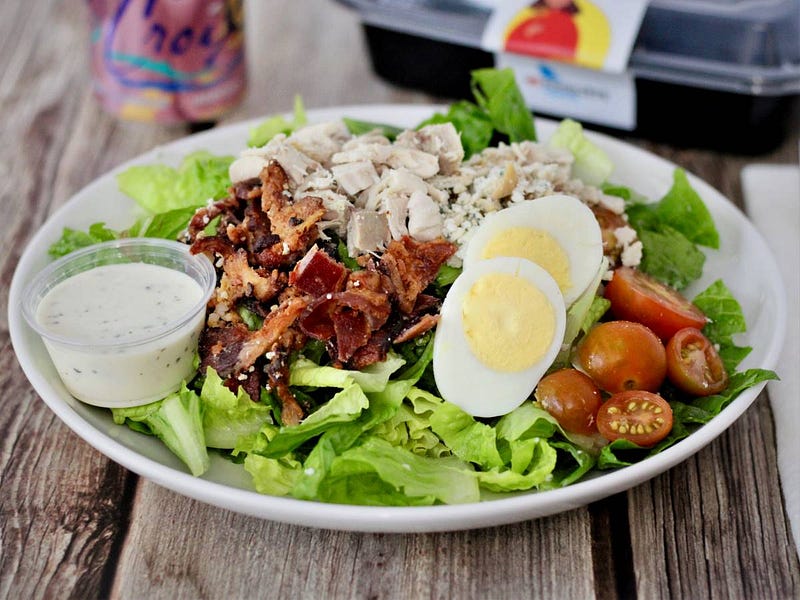
Photo by logan jeffrey on Unsplash

Do you want more muscle? Do you want to eat healthier in general?

You’re in luck.

In this article, I explore five foods that should be in everyone’s pantries.

These foods are all nutritious for general well-being and good energy sources to help power a workout and improve recovery.

Thus, these are especially great food options for anybody wanting to build muscle and maximise their physical performance.

Egg Noodles

In my household, Egg noodles are a staple ingredient. It is a versatile ingredient, replacing rice or pasta in meals such as stir-fries.

Unless you're a food snob, their rich flavour of egg noodles is a worthy substitution and a great and easy addition to many meals.
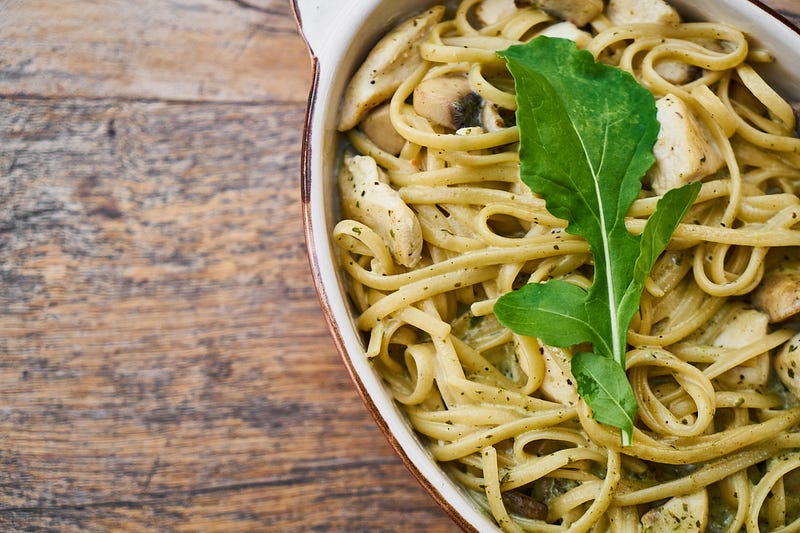
Image via Pixabay

Egg noodles originated in China between 25 and 200 AD and their key ingredients are flour and eggs.

The calories and nutritional content are similar to many kinds of pasta; however, egg noodles are typically lower in calories. They contain little to no fat, around 5 grams of protein 25 grams of carbs per 100 grams and 130 odd calories.

I find that for the same weight of food, egg noodles are more satiating (filling) than most pasta. Meaning, you can eat less and consume fewer calories.

It’s a bad idea to fill yourself up on pasta — it's so calorie-dense. Instead, you want to eat more of your protein-source vegetables that are denser in nutrition and have far fewer calories.

Egg noodles are also often lower on the glycemic index than other pasta, providing sustained energy without the same blood sugar highs and lows.

An added benefit of egg noodles is that they are often enriched with certain vitamins and minerals, increasing their nutritional value.
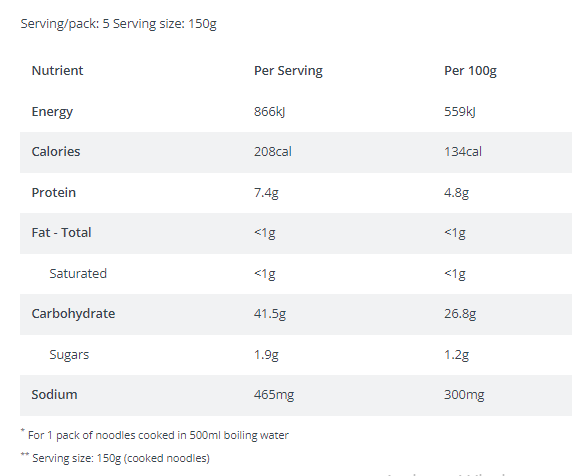
Screenshot from the product website

Sweet Potatoes

In general, you should regularly keep both potatoes and sweet potatoes in the pantry.

A staple addition to many meals — in our household, we regularly have mash or salad made from baby potatoes and sweet potatoes. Sweet potato can be cooked in a variety of ways, such as boiled, in the oven, or even in the microwave.
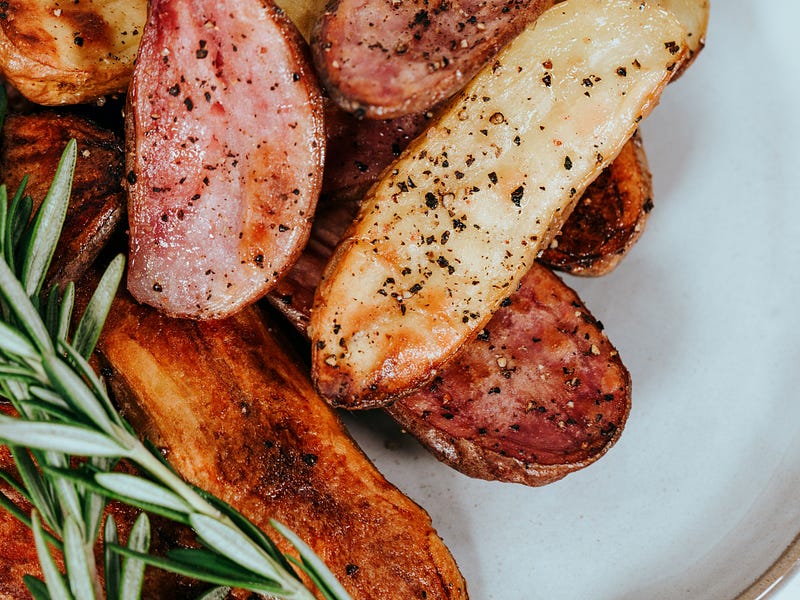
Photo by Nathan Dumlao on Unsplash

If you have a veggie garden to grow your own, sweet potato is one of the highest-yielding crops.

Interestingly, the sweet potato is not related to the potato family. The regular potato is nightshade, whilst the sweet potato comes from the morning glory family of crops.

Sweet potatoes are one of the best sources of carbohydrates in general, but especially for powering exercise, due to being a complex carbohydrate with a low glycaemic index, providing sustainable, slow-releasing energy.

If you have sweet potato pre-workout, your body can make better use of its intended use of the protein source of repairing muscle damage, instead of being used as an energy source.

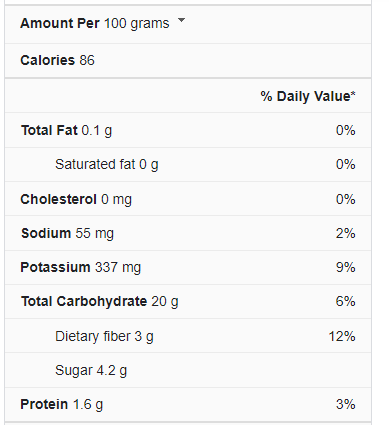
A medium sweet potato has around 25 grams of carbs and 4 grams of fibre. Fibre is great for our digestive systems.

Sweet potato is also filled with micronutrients such as beta-carotene and vitamin A. The darker variety of sweet potatoes is especially full of antioxidants.

There is a huge variety of sweet potatoes across the globe in different colours such as yellow, white, orange and maroon/red.
Screenshot from Google

Canned Beans/Legumes

Canned beans are a very versatile and nutritious food option to add to a variety of meal options such as Mexican food, pasta dishes, soups and salads.

Beans and legumes are very dense in soluble fibre — helping to improve heart health, keep you satiated (full) and slow the rate of food digestion. Consuming beans and legumes could even lower the risk of heart disease and cancer.
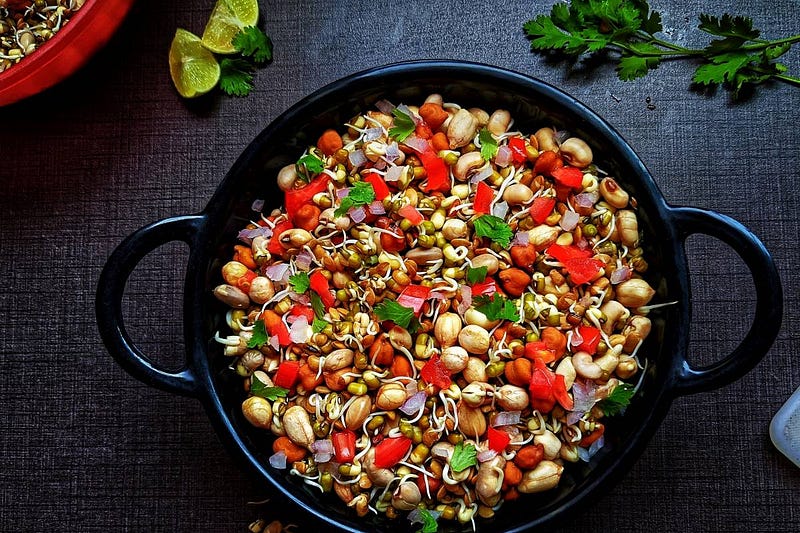
Photo by Sumeet B on Unsplash

As well as being dense in micronutrients, beans and legumes are also great carbs sources to provide energy and protein to help build muscle.

However, as common with plant proteins, they don’t contain a full array of amino acids. Therefore, mixing different plant-based protein sources raises the muscle protein synthesis response to a significantly greater degree.

You will also have to consume slightly more protein in general from plant sources versus animal sources.

If you’re vegan or vegetarian, mix different protein sources within a meal and throughout the day to optimise protein synthesis.

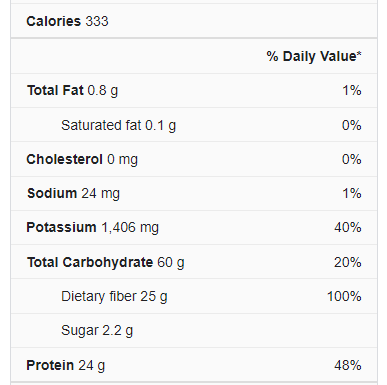
Four great canned bean/legume options to add to your diet are:

  • Chickpeas — Also known as garbanzo beans, they’re very abundant in Folate (vitamin B9) and Manganese. Moderately high levels of Copper and Iron
  • Kidney Beans —Moderately high levels of Folate (vitamin B9), Manganese, and Thiamine (vitamin B1)
  • Red, green and brown lentils — Very abundant in Folate (vitamin B9) and Manganese. Moderately high in Copper and Thiamine
  • Black beans —Like the others, very abundant in Folate (vitamin B9). Moderately high levels of Manganese, Magnesium, Thiamine (vitamin B1) and Iron
Screenshot from Google

Oats

Oats are slow-digesting complex carbohydrates. As it’s a whole grain, the rate at which our body absorbs the energy through a glycogen release is slow, giving sustained and long-lasting energy.

Thus, oats are great for breakfast, or for powering a workout.
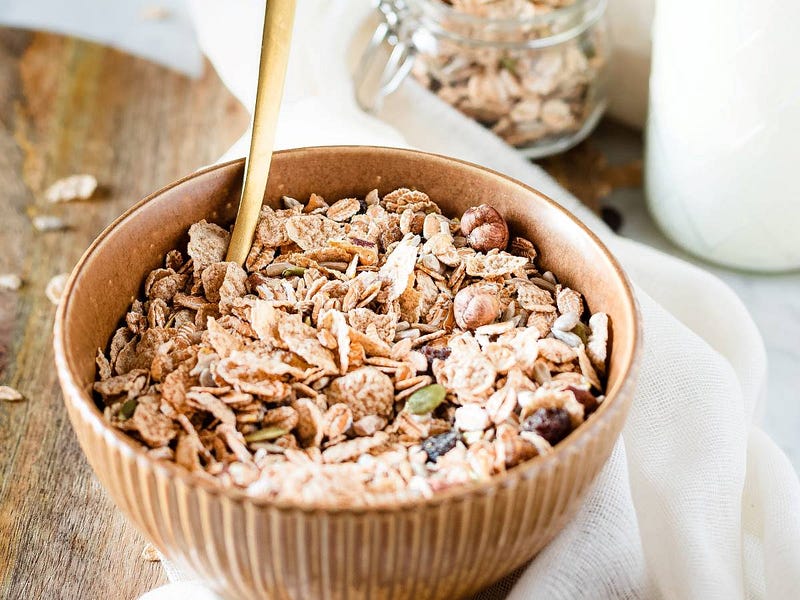
Photo by micheile dot com on Unsplash

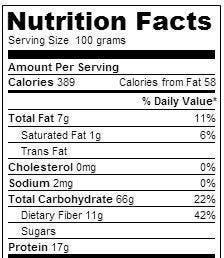
Highly nutritious, oats are abundant with vitamins and minerals, fibre and antioxidants. They are very calorie-dense, meaning that serving sizes should be small to restrict energy intake.

Oats have about 66 grams of carbs per 100 grams and 17 grams of protein.

This amount of protein isn’t bad; however, oats don’t contain the full array of amino acids and therefore are not a complete protein source. Therefore, it’s best to combine Oats with another protein source, such as a scoop of protein powder.

One study compared lifters training with carbs pre and post-workout to those with just protein and found that those who consumed carbs experienced better endurance through their exercise.

Popular forms of oats are steel-cut, rolled and quick oats. Steel-cut is the least processed, slowest burning and has the least insulin-raising effect, meaning our blood sugar levels remain stable.
Screenshot from the product website

Eggs

The humble chicken egg is high in protein and great for our general health.

As well as being very nutritious, the egg can be eaten in several ways on its own, or as an addition to many meals.
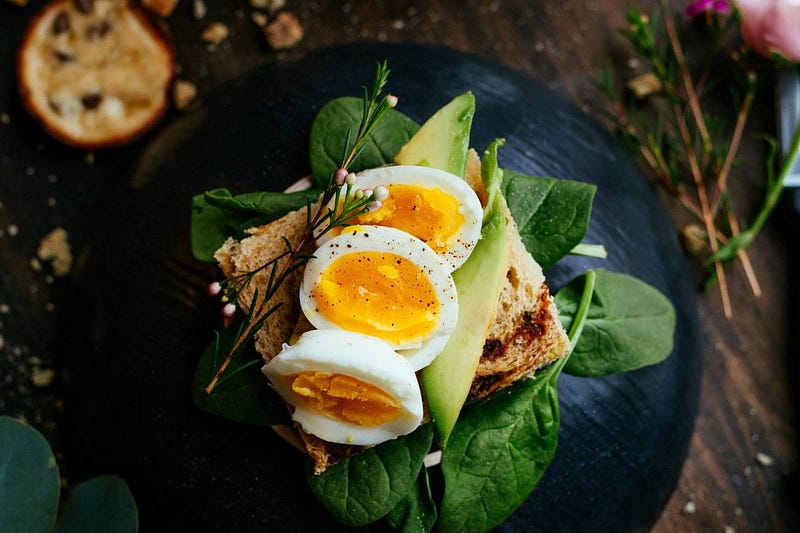
Photo by Joseph Gonzalez on Unsplash

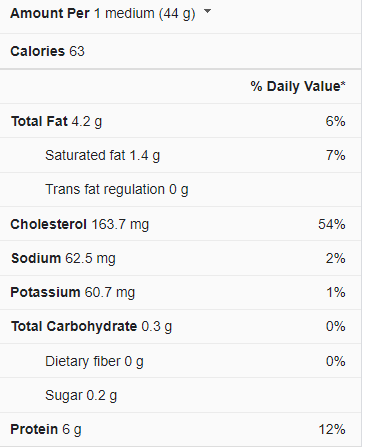
With 6 grams of protein in a large egg, it is a staple for anybody wanting to build muscle. Protein is key to muscle recovery through the repair and maintenance of muscle tissue.

Other health benefits of the egg include the cholesterol in the egg yolk has benefits such as supporting healthy testosterone levels. It’s also high in vitamin D, Folate and Omega-3 fatty acids.

“The ingestion of whole eggs immediately after resistance exercise resulted in greater stimulation of myofibrillar protein synthesis than did the ingestion of egg whites.” — van Vlient, et al., 2017

The egg white is high in iron and zinc. Iron is a mineral the body needs for growth and development, and zinc boosts our immune system and metabolism function.

Eggs contain all nine essential amino acids and as they are one of the most bioavailable protein sources, we can efficiently digest, absorb and utilise the protein.
Screenshot from Google

Final Thoughts

If you want to build muscle; but haven’t spent years researching nutrition and/or cooking nutritious muscle-building meals, it can be hard to know where to start when you’re in the supermarket shopping.

Also, depending on whose advice you’re listening to, you’ll get different opinions on what foods are good or bad for you.

In this article, I have discussed five food staples people should have in the pantry to help build muscle.

Those foods are egg noodles, sweet potatoes, canned beans and legumes, oats, and eggs. These food options are great carb and/or protein options that can be easily added to muscle-building meals in a variety of ways.

I hope you found the information in this article helpful to achieve your health and fitness goals!

Thank you for reading.

If you enjoyed the content, you might be interested in this article explaining why gluten-free doesn’t mean guilt-free.

Subscribe to be notified when I publish new content.

Fitness
Diet
Bodybuilding
Health
Nutrition
Recommended from ReadMedium