
Alula
This wing is such a bastard!
Today’s New York Times Spelling Bee letters:
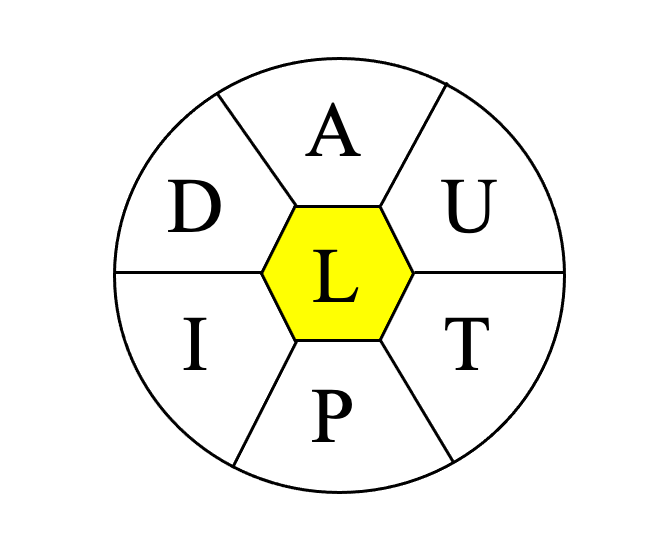
A, D, I, P, T, U, and center L (all words must include L)
Merriam-Webster says…
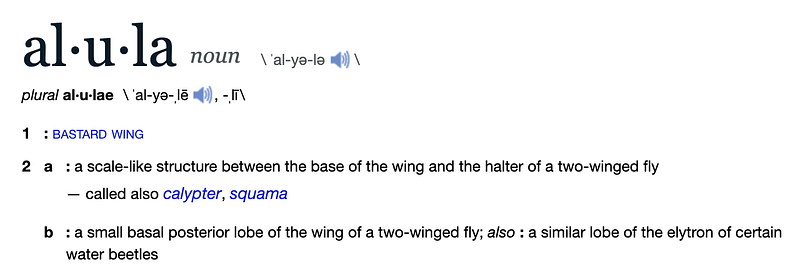
Silly little dictionary! Don’t you know alula can’t possibly be a word if the New York Times says it ain’t?
For further fascinating facts, check out the Spelling Bee Master.
What’s your favorite dord* from today’s puzzle?
My Two Cents
The dictionary explains that the word alula comes from New Latin, from the Latin (I’m guessing older Latin) diminutive of ala, meaning “wing”. Incidentally, in Spanish the word ala is used “as is” from Latin for the same purposes. If you’re wondering what the Spanish word for alula is ––and I know my readers are curious folk who always are wondering about things–– wonder no more. It’s álula. Same, but with a written accent mark.
In English, alula has an irregular plural: alulae.
Birds of a feather
The alula is commonly called a“bastard wing”, and that’s because ornithologists can be mean bastards themselves. Some bird specialists have described it as a thumb, while others explain its function in aeronautical terms by comparing it to airplane slats.
Alulae are small projections on the front part of the wing of modern birds, and have also been found in the wing-like structures of feathered dinosaurs. In the illustration below, the number 3 indicates where the alula is. Although the sketch does not show it, the alula usually consists of three to five feathers, depending on the bird species.
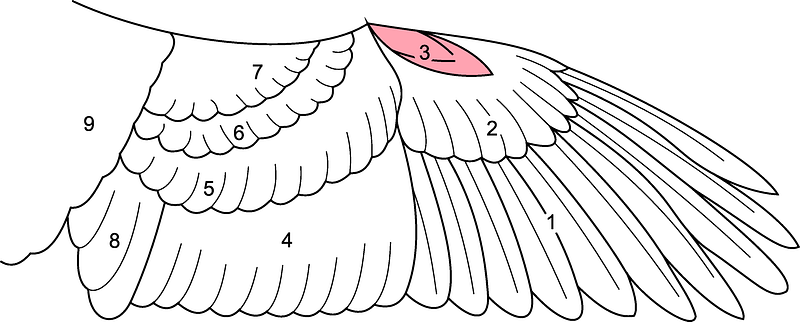
Analysis of bird embryos has determined that their wings develop from the second, third, and fourth digits… equivalent to our index, middle, and ring fingers. According to this theory, the bird’s first digit (our thumb) is the one that forms the alula. However, there is some controversy about this, as some biologists claim that the wings come from only the first three digits.
This has been debated for over a century and a half now, and the fighting can get quite heated, vicious, and physical. (Remember I said ornithologists can be mean bastards?) So if you see two birdwatchers getting at each others throats, you can bet they were probably discussing bird wings a few minutes earlier.
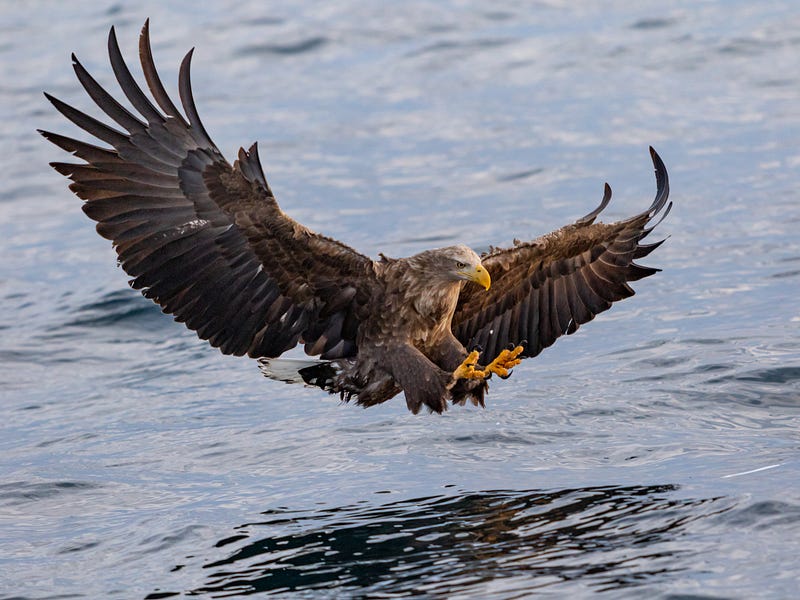
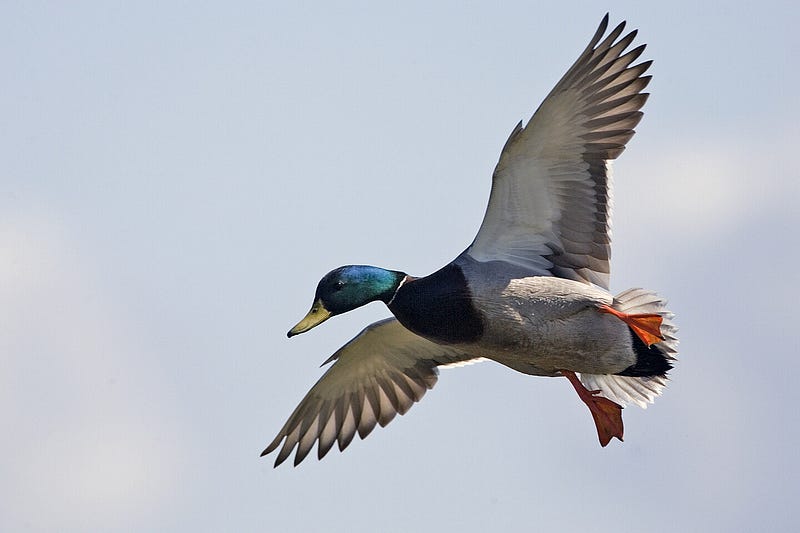
Birds use alulae to avoid stalling in low-speed flight; for example, when landing. The picture at the top of today’s column shows an eagle slowing down to snatch some fish from the river, and in doing so it’s clearly displaying the alulae. And here is a duck giving you the finger.
Some insects, notably the housefly, also have alulae. But one of the biggest difference is their location. Instead of being at the front edge of the wing, as in birds, they’re placed towards the back, near the insects body. In the illustration below, Al indicates the alula, to the left of the “wing”
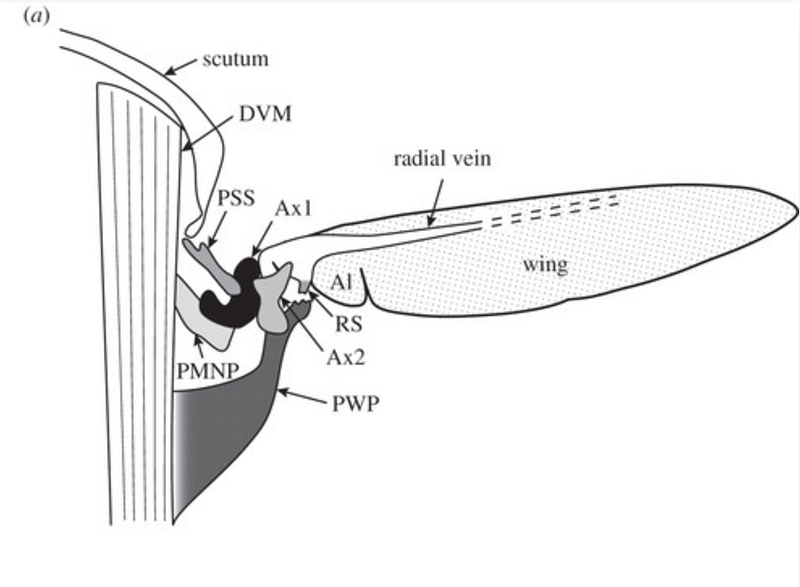
The illustration comes from an article about the “Operation of the alula as an indicator of gear change in hoverflies”, which you can peruse here. It’s long and technical, and possibly fascinating if you’re into gear changing hoverflies.
And here are a couple of hoverflies giving you the finger:
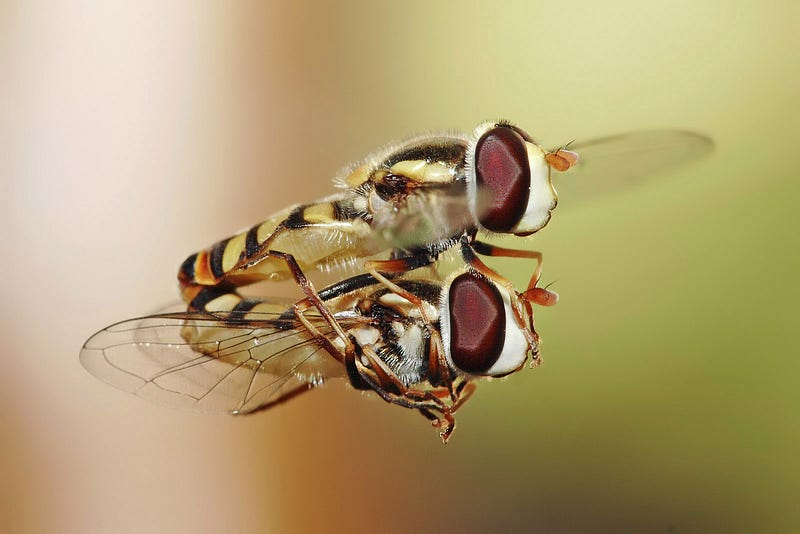
Oh, wait… they’re doing something else entirely!
BAND of paleos
While researching stuff related to today’s daily dord, I stumbled upon a previously unknown band. Or rather, BAND. As in Birds Are Not Dinosaurs. Yes, that’s a thing, apparently.
In their article “Fossils with Feathers and Philosophy of Science”, Joyce C Havstad and N Adam Smith explain the acronym:
“The currently received view amongst evolutionary biologists is that birds are dinosaurs — specifically, that they are maniraptoran theropods. The ascendance of this view was initiated by John Ostrom’s (1969) discovery of the bird-like theropod Deinonychus antirrhopus (Ostrom 1969), and advanced in a trio of publications rapidly following that discovery... Still, not everyone is today convinced that birds are descended from maniraptoran theropods. The notion has historically encountered skepticism (Tarsitano and Hecht 1980; Bock 1986; Olson 1987; Martin 1991) and there is at least one strain of ongoing, fervent opposition… In 2002, the preceding 25 years of debate were wryly described as divisive (Prum 2002). That same year, the fervor surrounding Ostrom’s theropod hypothesis led one commentator to dub it the Birds-Are-Dinosaurs-Movement, or BADM (Olson 2002). Since then, discussion between BADM and its opposition — the notion that Birds-Are-Not-Dinosaurs, or BAND — has turned downright acrimonious.”
Notice the phrases “fervent opposition” and “downright acrimonious”? I warned you that ornithologists are mean bastards!
The BAND movement includes Alan Feduccia and Larry Martin. The latter passed away in 2013, unfortunately, but not before curating the Natural History Museum and Biodiversity Research Center at the University of Kansas and… appearing in Jurassic Fight Club. Yes, that History Channel series that presented computer-animated smackdowns between dinosaurs!
Here is a sample from one episode that did not feature Larry Martin.
Repeat with me: ornithologists are mean bastards!
Despite that fact, or perhaps because of it, and just to piss off ornithologists… the editors of the Spelling Bee decided that the word alula is a dord*. I’m telling you, the New York Times is gonna get into bird poop-load of trouble!
You can check out my previous entry on another dord* here:
*What the heck is a dord, you ask? Here’s the answer:


