
WRITEHERE
Alone/Together: On Coming Out
Love, family, and being different and the same
When I first read this prompt about “your earliest memory of being alone,” I could only remember being alone while I slept. I grew up in a small, close family; my brother and I never had babysitters other than our grandparents.
My earliest memory from childhood is an image of myself in flannel pajamas, standing in my bare feet on the linoleum in my mom’s parents’ kitchen on the day that she was in the hospital giving birth to my brother. I remember feeling happy and excited. I wasn’t quite three years old.
We spent a lot of time with my mom’s parents. It makes sense that my first memory involves their house, and takes place on the day my brother came into the world. My brother co-stars in most of my childhood memories, except for what happened during school hours or when we spent time with our individual friends.
I don’t remember being alone as a young person, unless we’re talking about that sense of being alone in the busy world or alone in a crowd. In that case, well, I did (and do) know the feeling. Does everybody feel that way? I imagine we each do, at least sometimes, in our private ways.
As for my own private feeling, I had a name for it in high school when we learned about existentialism and the individual search for meaning. At the same time, philosophy didn’t quite cover it.
In the evenings, my dad and I would watch old movies. One of my favorites was Dark Passage, in which someone as smart and beautiful as Lauren Bacall could turn to Humphrey Bogart and say, “I was born lonely, I guess.”
If you’d asked me at the time, I doubt I’d have said I felt lonely. I might have said I felt different, but I couldn’t have said why. For a long time, I couldn’t put a finger on what I later saw Quentin Crisp refer to as “the trouble with [me].”
Turns out that I, like Mr. Crisp, was the only person in my family who wasn’t straight. Turns out the feeling of being an outsider came from a quiet place inside myself because I didn’t know anyone else who was like me in one very specific way. I was almost always in the company of my family, but never in the company of anyone else like that.
My family and I were alike in many ways, but I was alone as the only one who would need to come out, the only one who couldn’t object to homophobic comments for fear of anyone asking why I cared, and the only one who went to therapy for clinical depression (not that all queer people are depressed, but pushing down my feelings contributed to my depressed mood).
One day, just before my brother’s wedding, my dad apologized to me for things he’d said about gay people in the years “before [he] knew about [me].” I realized in that moment that I’d walled myself off, too, having given up on waiting for a sense of understanding (not even imagining an apology) that I’d never thought would come.
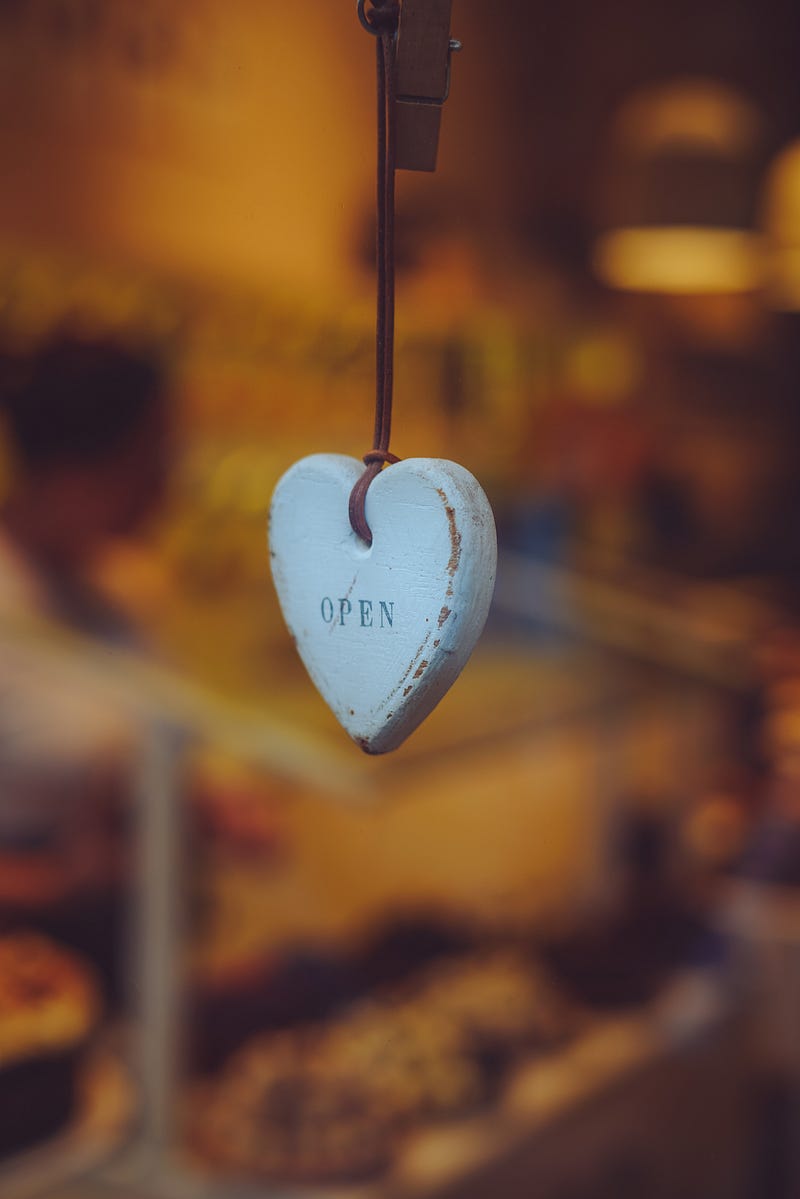
Feeling alone can emerge from exclusion from what’s “normal” for everyone else, and it can also develop through digging so deeply into being an outsider that you insist you don’t care if anyone does try to open the door to you. I’ve always found it exhausting to stay angry, so when my dad opened the door, I felt relieved to walk through. And I felt appreciation for family and friends who had never closed any doors in the first place.
Over the last year, I met someone who used to identify as straight, and now that she’s come out, her mom isn’t having an easy time with it. While it’s hard to see my girlfriend feel excluded by her mom, I also know that we’re not alone when we’re out to friends and family, and when we keep the door to further understanding unlocked from our side.
There’s wisdom in protecting ourselves from those who say or do hurtful things in regard to our sexuality and/or gender identity. There’s also self-help in the process of exploring the places where autonomy, family, and chosen community (including chosen family) might come together.
I’m writing these words just before National Coming Out Day, and if you’re feeling alone as you read this, please know: there are others who feel or have felt similarly. I never in a million years thought my dad would apologize to me, which makes me think that maybe, just maybe, there are people dear to you who might surprise you one day by showing you how much they want to be in your life.


