
All About Cenotes of the Yucatan Peninsula
More than just tourist attractions
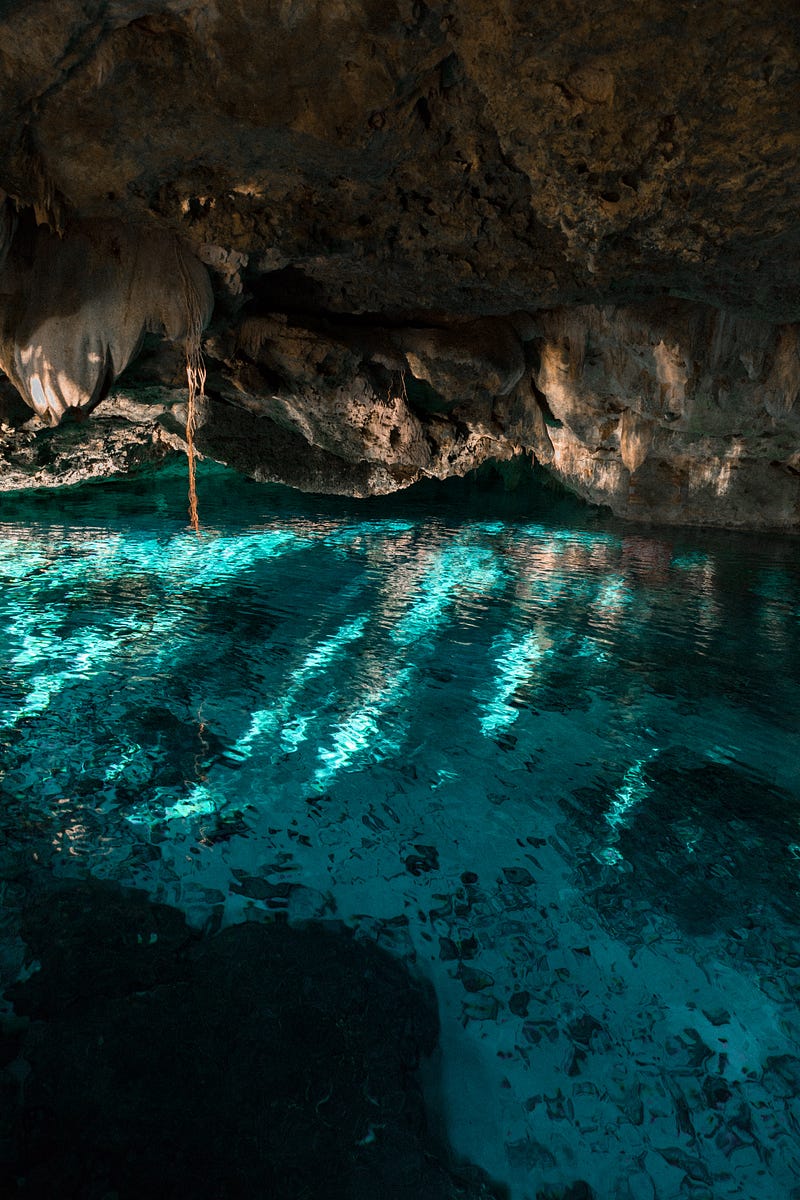
The geological origin of the Yucatan Peninsula
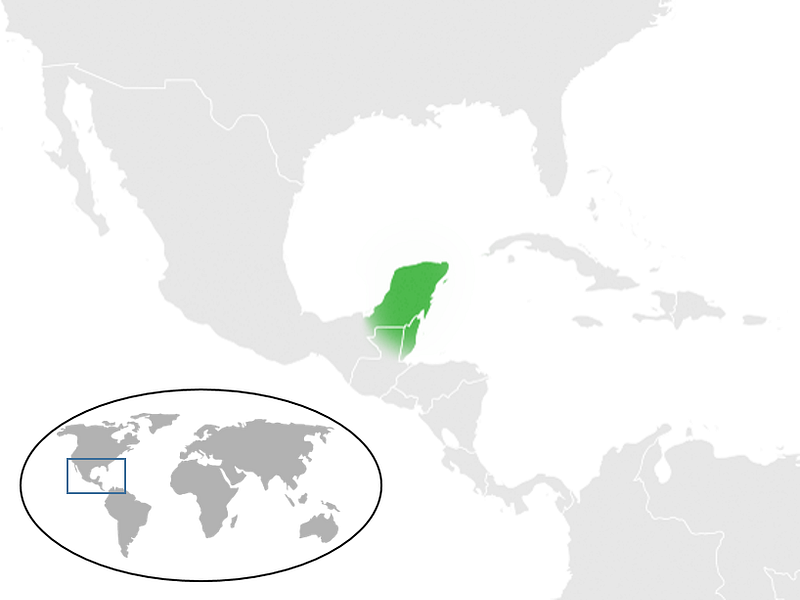
The Yucatan Peninsula (YP) is a massive limestone platform located in southeastern Mexico that is most famous for its karst and its submerged cave systems.
The formation of the YP back to around 2 to 65 million years ago (Ma) when the continent slowly rose from the seafloor of a shallow ocean [1].

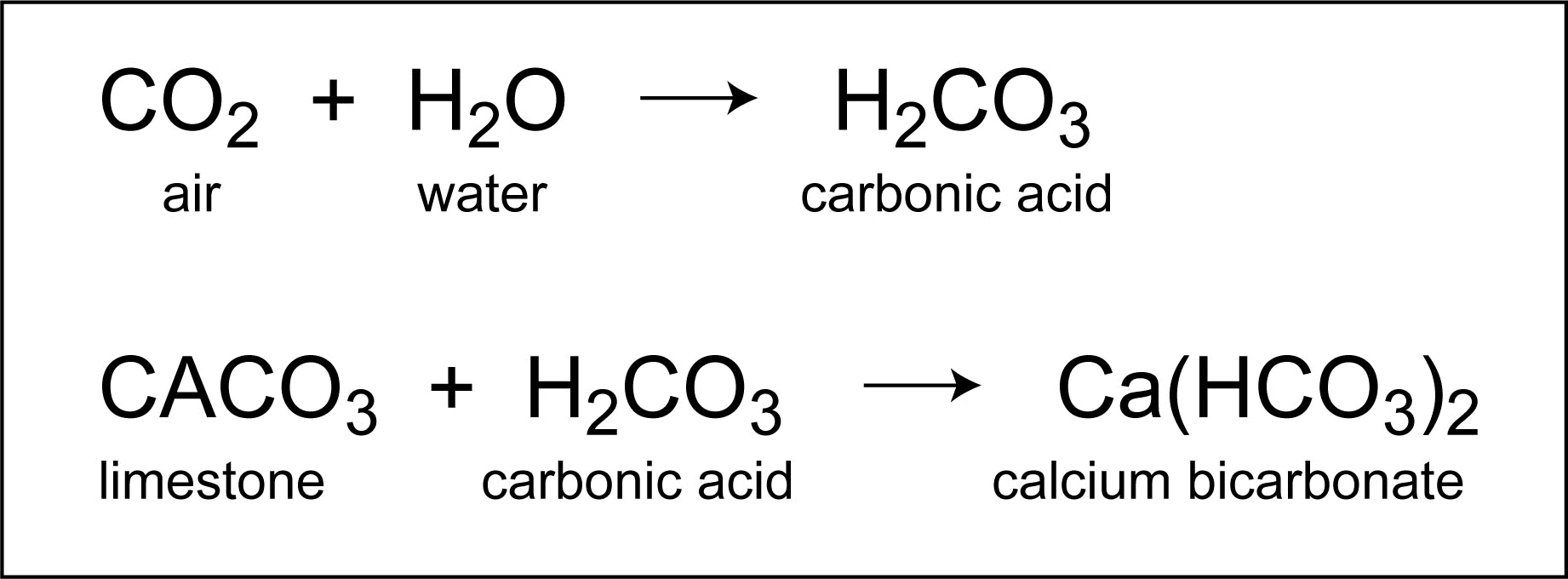
Most of the younger cave systems were formed during the Pleistocene as a result of the changing climatic conditions between the interglacial and ice age periods.
During interglacial periods, the sea-level rise and there was an accumulation of large amounts of calcium carbonate (CaCO3) due to the presence of coral reefs that gave rise to the limestone platform.
During ice age periods, the sea level dropped and the platform was exposed to the surface erosion processes. The rainwater and the vegetation that grew on the platform allowed the production and transport of carbonic acid that slowly dissolved the limestone rock.
The planet’s cycles of cold and warm periods occurred at intervals of approximately 40,000 to 100,000 years and allowed for the continual formation and dissolution of limestone, eventually giving rise to today’s huge subterranean cave systems.
What is a cenote?
The sinkholes (dolines) are locally known as “cenotes”. This word comes from the Spanish transformation of the Mayan word dzono’ot, which can be translated as “water-filled cavity”.
Caves and cenotes are similar geographical features. Local people can use the term cenote to refer to a cave entrance or any water body that may, or not, be inside a cave.
From a physiographic viewpoint, a cenote is defined as any karst landform to which the water table has reached. And so, if a cave is filled with water, it can be considered a cenote [2].
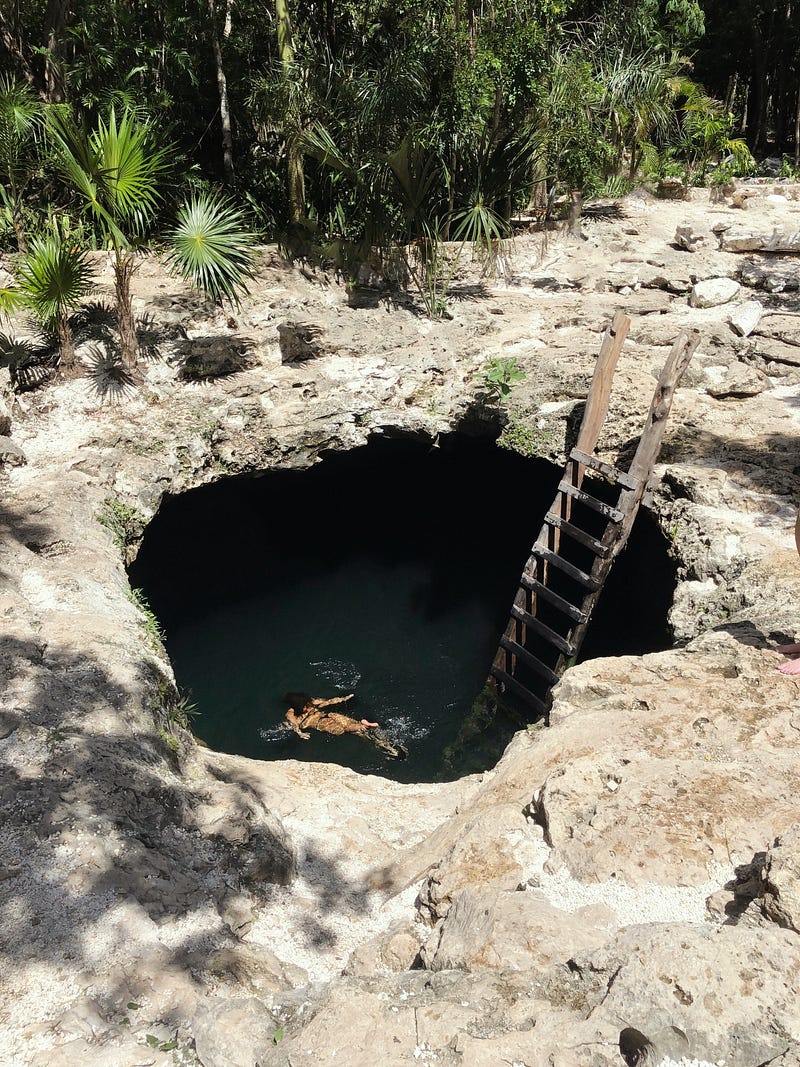
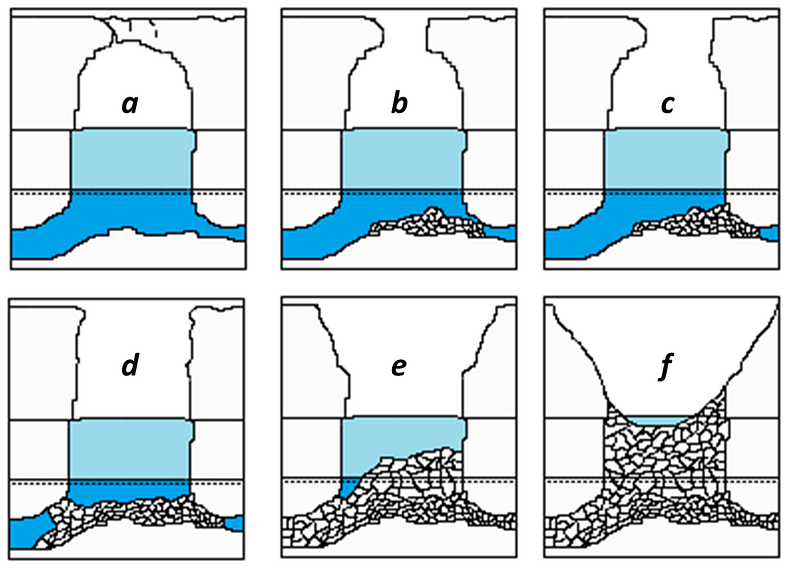
Cenotes are naturally produced by the collapse of limestone bedrock and can be classified according to the stages of their formation between cave-type cenotes (jar-shaped or cylindrical) and open cenotes (plate-shaped) [2].
In younger cenotes, the water is well interconnected with the aquifer through cave passages, fractures, and dissolution features. In older cenotes, there is a slow flow and turnover due to sedimentation and blocking of the water source.
The ecohydrological role of the submerged cave systems
Since limestone is highly porous and permeable, rainwater passes quickly through the ground into the aquifer. This makes the YP one of the largest groundwater reserves in the world [1].
Cave systems are crucial to the health of terrestrial and marine ecosystems, as they are regional freshwater drainage conduits that are involved in moving large volumes of water inland to the Caribbean Sea.
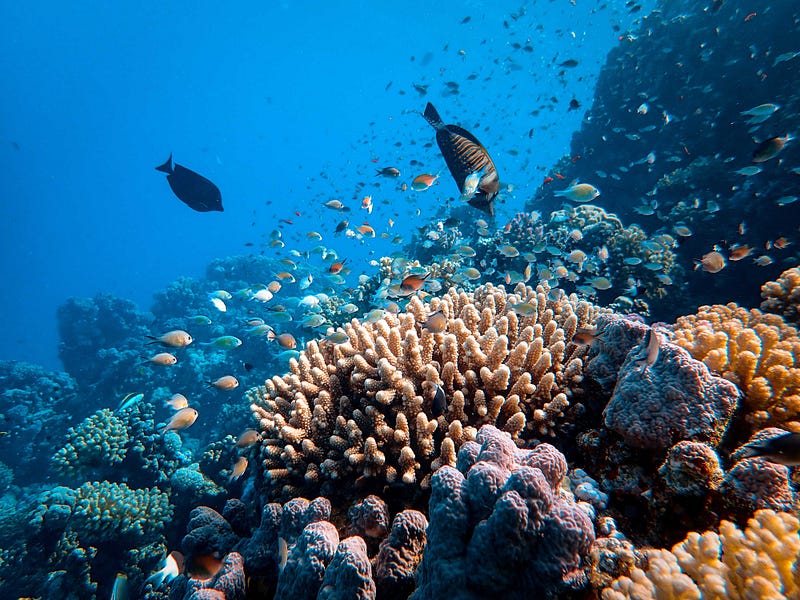
The YP aquifer not only supports the highly diverse terrestrial ecosystems such as mangroves and rainforests, but is also the second-largest barrier reef ecosystem in the world [4, 5].
The ecological importance of cenotes
Cenotes can be found in large numbers throughout the YP and are important components of the landscape as they have distinctive vegetation and aquatic diversity [2].
Since there are no surface rivers, cenotes become the primary freshwater source for wildlife and humans.
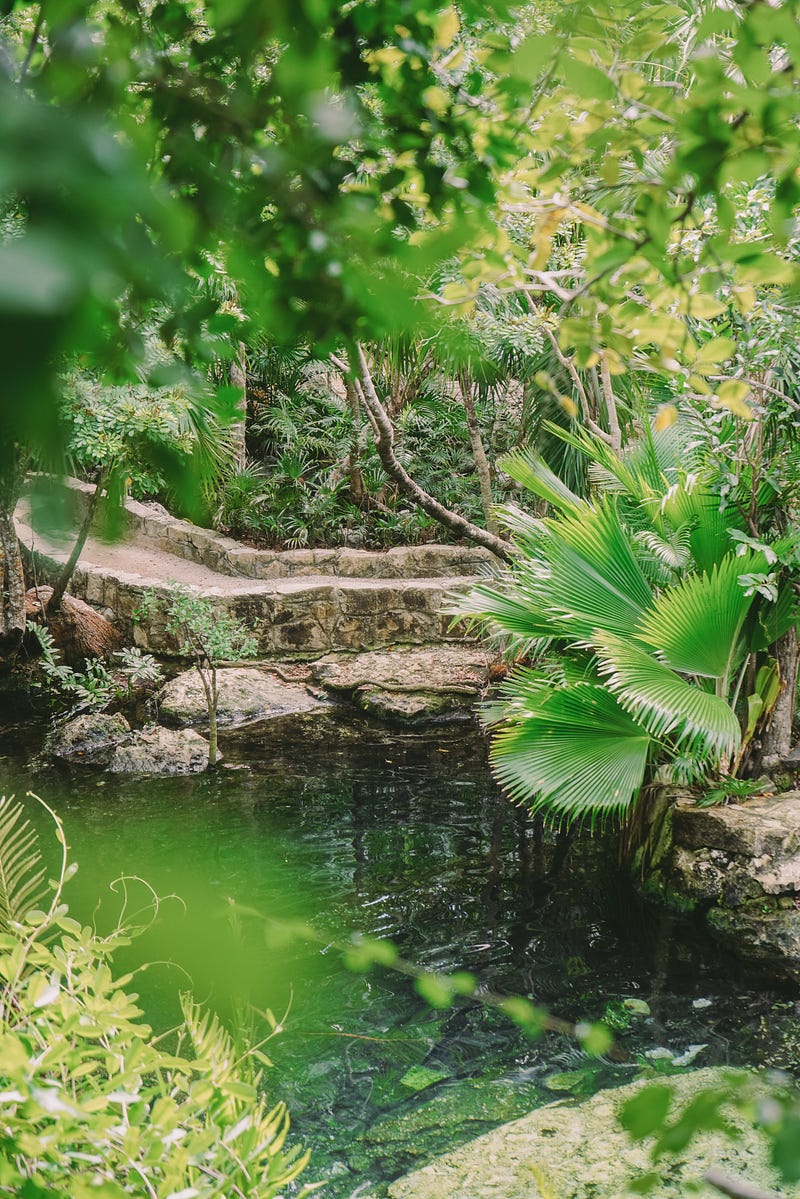
They can be seen as an oasis inside the jungle that provides the water needed for many different terrestrial species of mammals, reptiles, amphibians, and birds [2, 6, 7, 8].
Caves and cenotes are used as habitats for many species. For example, predators can use them to hunt.
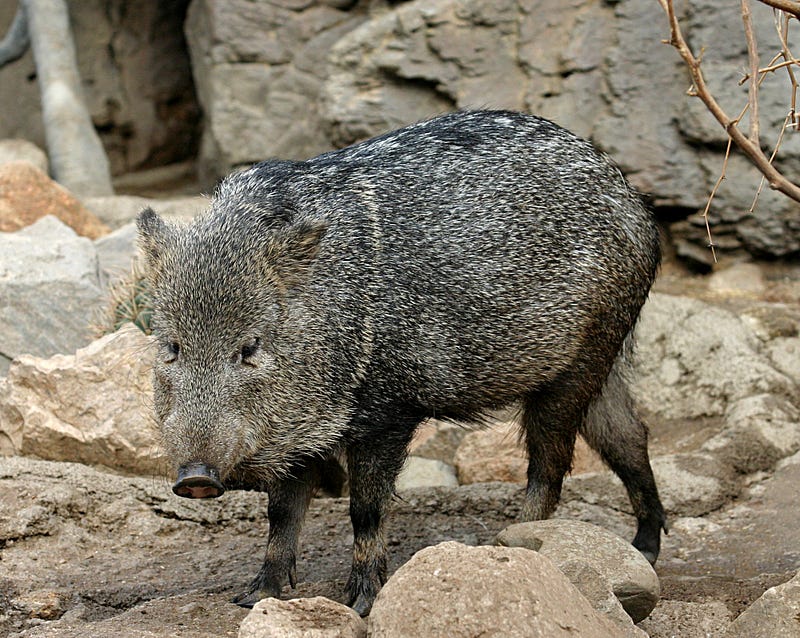
Jaguars (Panthera onca) take advantage of their night vision and wait in the darkness for unsuspecting prey, such as peccaries (Dicotyles tajacu), that go into caves looking for some freshwater.
It is very common to find animal footprints and bones in any cave of the YP.


The caves are also refuges for many species of bats that provide different ecosystem services such as pollination, pest control, and seed dispersal.
The vegetation associated with the cenotes is an important feeding habitat for insectivorous bats, which are crucial for agricultural activities [9, 10].
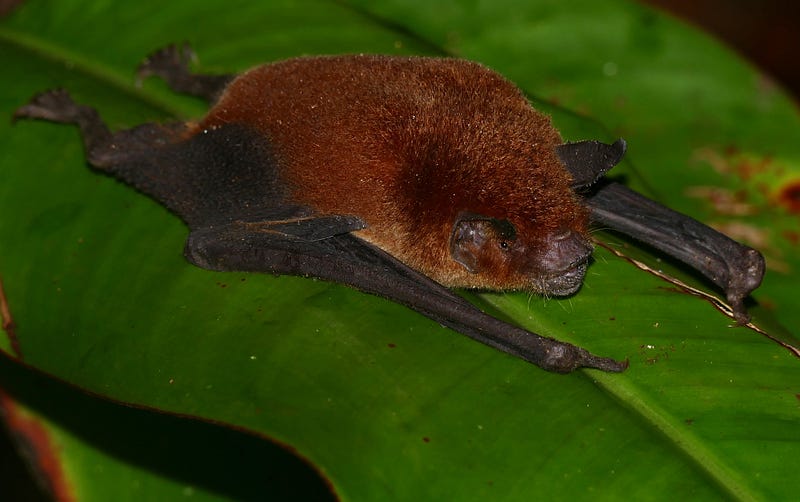
Bats are also important components for the transport of energy and matter from the surface to subterranean ecosystems. Bat guano sustains fragile underground food webs that have little or no primary productivity.
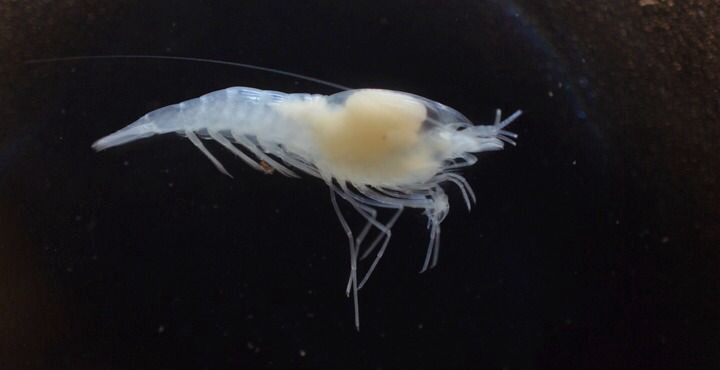
Submerged cave systems of YP are home to many unique aquatic endemic species that are strictly subterranean (Stygobites) and have a relatively high diversity of crustaceans compared to other regions of the world [11].
There are more than 43 different species of stygobiont crustaceans and two species of blind fish [12].
Ecological issues of the Yucatan Peninsula
Cave systems took a long time to form and have been there since before we became established as a society (or even a species).
The development of caves continues to occur nowadays even if we do not perceive it. This, in turn, represents several challenges for the people who live in YP.
It is difficult to build large structures on limestone because it is so brittle. Practically every year a new cenote is born on the highways due to the collapse of the floor [check out this new].
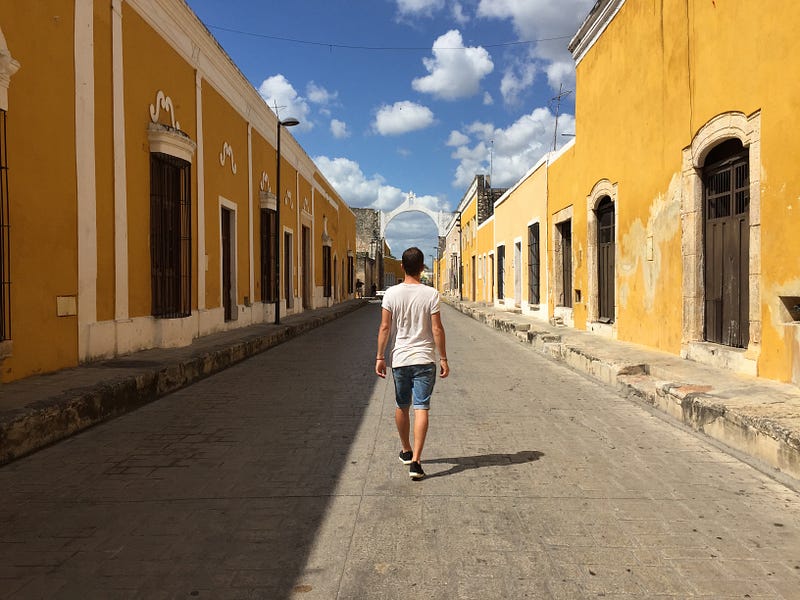
Limestone also makes groundwater resources vulnerable to contamination since the soil has little or no filtering effect. In some parts of the YP, such as Mérida, aquifer pollution is already an alarming problem [13, 14].
Along with these problems, there is a need to rethink our vision of development so as not to compromise the integrity of natural resources and the well-being of the people who live there.
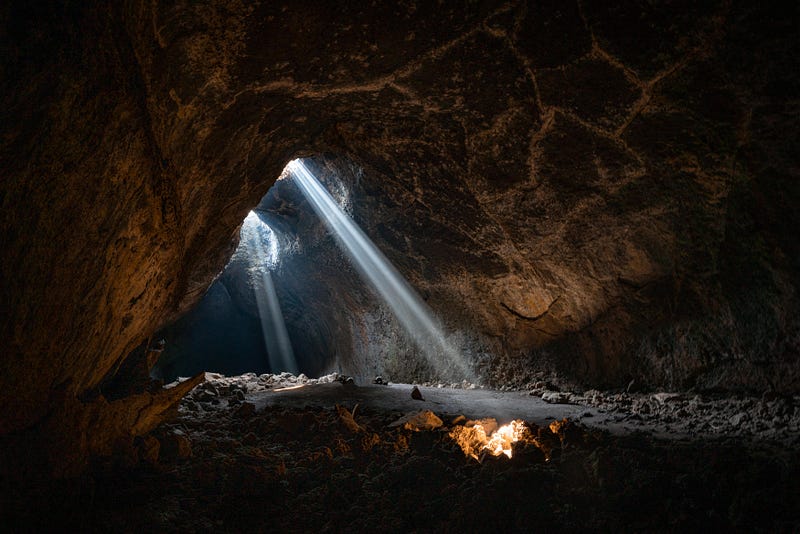
You can find more information about the cenotes of the Yucatan Peninsula in the following links [1, 2, 6, 9, 10].
Let me know your opinion in the comments.
If you enjoy reading stories like these and want to support me as a writer, you can follow me on Medium.
You can also get your Medium Membership through my referral link.
See also: