
AIXmas
Centaurs and Cyborgs — AI and the Future of Work
AI Collaborations for Writers and Employees
The spectacular rise in the popularity of ChatGPT has brought a pivotal shift in the way we think about work, whether it is completing homework assignments, writing software code, or creating content for social media. This post explains how everyday users can leverage AI tools to skyrocket productivity and which pitfalls to avoid being misled by AI.
For context, by “AI tools” I am referring to a broad spectrum of tools like ChatGPT, Bard, Midjourney, ChatGPT plugins, and many other software tools that are cropping up at an unprecedented pace.
Some research has already been done on how AI tools can be used to reshape, elevate, or completely reimagine work for the masses. This post uses some of these insights, with my perspective on how writers on Medium can capitalize on this shift in the future of work and the writing industry.
All links to research papers are provided at the end if you care to explore further.
Centaurs and Cyborgs
I talked about centaur authors in this old post way back in 2020. Many of the money-making ideas are still valid today and some have gotten easier now that the tools have improved.
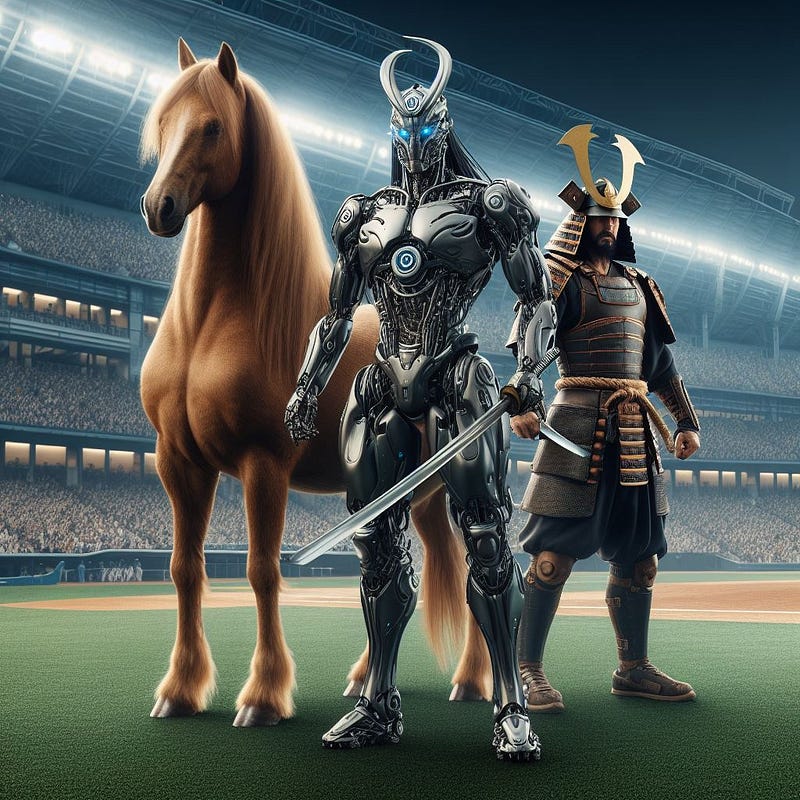
In terms of changes to the nature of work, because AI tools can synthesize can create content, they offer powerful AI-human collaboration options as Centaurs and Cyborgs. These terms come from a research paper by Harvard in collaboration looking at productivity gains for various tiers of BCG consultants. [Ref1]
Centaur collaboration happens when there is a clear handoff between the work done by a human versus what is done by the AI tool. With Cyborg collaborations there is a back-and-forth between tasks and the delineation between human/AI inputs gets blurry. True collaboration, similar to what happens between colleagues.
For example, centaur work happens when a human writes an essay and the AI tool completes the editing and proofreading tasks. Cyborg collaboration occurs when human and AI tools create the initial drafts of an essay. A human reviews both drafts and then comes up with an improved draft from the content of both. The AI would edit grammar and formatting in real time. Some more back-and-forth and then the AI would help to publish on the web.
Both of these types of collaborations have their own merits and use cases. The Harvard-BCG research shows both collaborations allowed employees (even experienced ones) to be hyper-efficient and productive.
AI Pitfalls

Jagged Frontiers: On the other hand, the efficiency of AI is a jagged frontier. (Ref1) This means that in some types of tasks, AI works more effectively than humans, whereas in others it fails miserably.
For the former tasks, human users benefit enormously in terms of productivity gains. But for the latter, there is a real danger of humans “falling asleep at the wheel”, when users human users put too much importance on the capabilities of AI and end up worse than if they had relied on their own judgment.
Talent sourcing is one example, where AI rejects resumes of folks with non-linear experiences. Here, seasoned human recruiters shine without AI. Unfortunately, it may not always be clear when these “fails” happen. Hence AI will always need human oversight because its frontier is jagged.
Slashed Wages: For items like coding, AI can democratize skill sets so even a newbie can start coding at the caliber of a senior programmer with a decade of experience. In theory, this has great potential, for example, to allow minorities and folks from non-traditional backgrounds to get into high-income software and IT jobs. At the same time, it could also be misused to replace stellar employees and depress overall salaries, the way “content farms” hurt wages for freelance writers. This is a dangerous pitfall, where salary ceilings are lowered without any positive impact on entry-level wages. [Ref2]
Work Reimagined
While a majority of the masses do fear AI displacing them, most are eager to upskill and want to participate in initiatives to reimagine and elevate their work. [Ref2]
AI will displace some tasks, elevate some and reshape many others based on the domain and industry. Reimagination will not happen in a vacuum, so leaders must be willing to provide resources to their employees, and be open to ideas from their grassroots employees. This will ease the transition for an AI ready workforce.
What it means for Writers
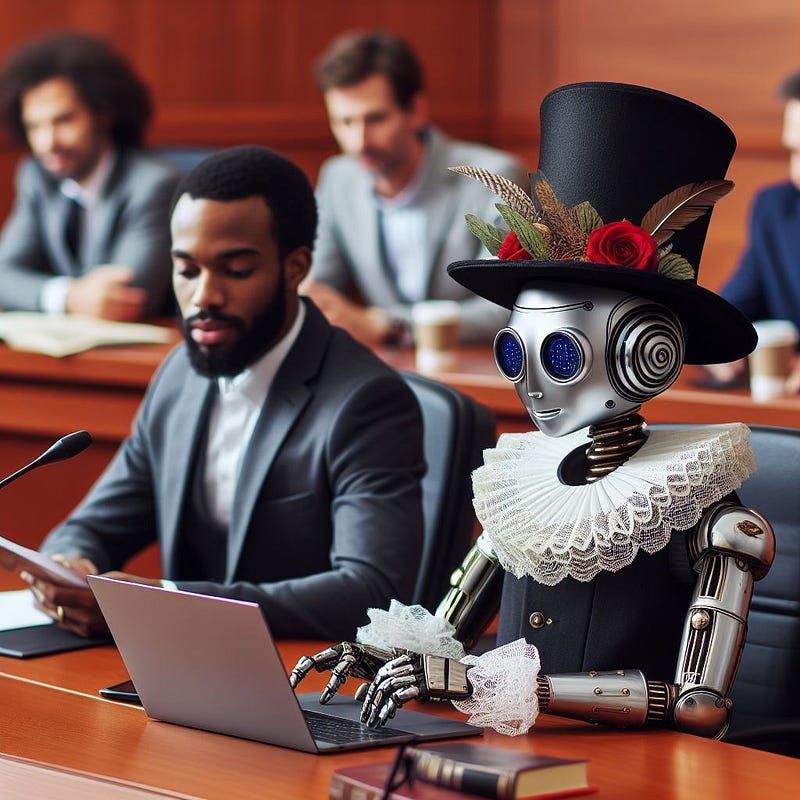
- For writers, be prepared to use both Centaur and Cyborg collaborations. In a recent post, I explored different AI tools against my own inputs for a particular blog post topic. My empirical analysis shows that all were decent by themselves, my output would have been much more brilliant if I were to rewrite the essay half after reading all these different inputs.
- Writers should not limit their AI use of ChatGPT and other tools for content generation alone. Rather use it as a brainstorming tool that allows you to get different perspectives.
- Also, YOU own the final output. In some ways, this is akin to being a University research professor. They assign tasks and research outputs from their graduate students, interns and peers. But a final vetting is absolutely mandatory before publishing. After all, it is your name on the paper! AI tools are awesome, but they can make mistakes. So trust but verify!
- I am creating worksheets for writers, based on my exploration of different AI tools. Comment on this post, if you’d like a FREE copy to test and experiment.
- In my other post, I’ve also explored AI tools for generating images. AI now gives power to anyone, irrespective of artistic caliber, to bring their ideas into execution in visual formats. This is excellent news for writers who want alternatives to Unsplash or want to create book trailers on a budget. Just like social media democratized income/revenue streams for solopreneurs, AI tools are now leveling the field for individual entrepreneurs and writers in many new ways.
- Be prepared for low wages as a writer! Now that new tools are available, buyers will try to do things on their own or bargain hard for your services!
- Instead, look for new ways to monetize your content. Social media is saturated, yet some people still find new niches and methods to stand out and make a boatload of money. Be willing to experiment, and you too may become a new disruptor! A whole new world has opened up, be prepared to conquer it!
What do you think? Are you ready for a world fueled by AI collaborations?
References:
Ref1 — Harvard BCG paper https://papers.ssrn.com/sol3/papers.cfm?abstract_id=4573321
Ref2 — Intel and JFF looking at creating AI ready workforce. https://www.jff.org/the-ai-ready-workforce-report-finds-most-jobs-will-be-transformed-not-displaced-by-ai/


