
AI Is Having Its iPhone Moment
There are many parallels to Steve Jobs’ iPhone hype to discover.
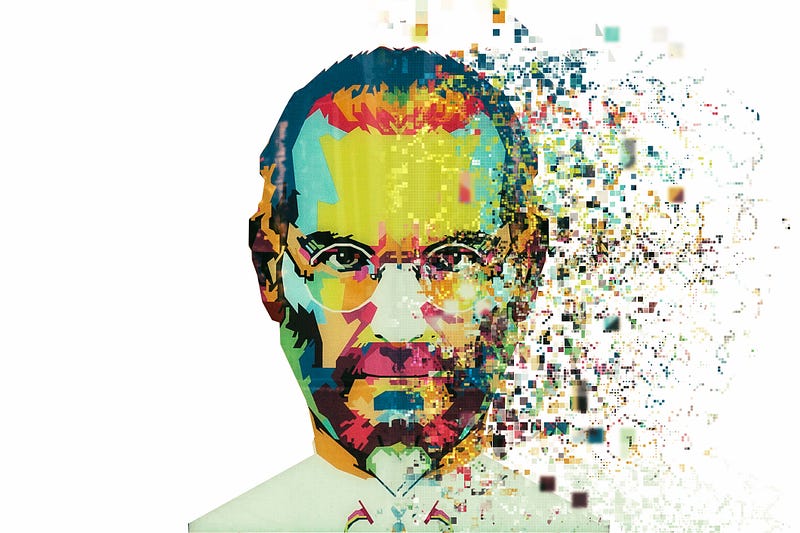
Artificial Intelligence is about to turn the world upside down.
Unless you’ve been living under a rock, you probably know how ChatGPT is shaking up industries and businesses.
If you were looking for a sign that AI is mainstream, here it is:
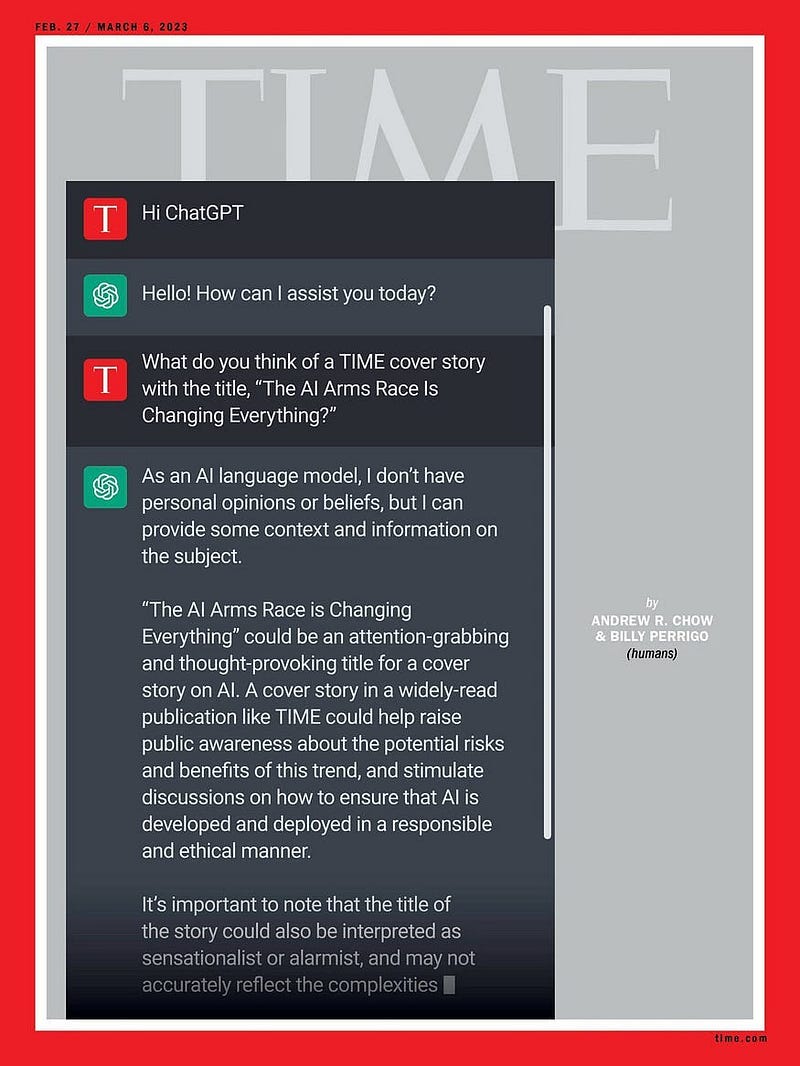
In February 2023, ChatGPT was on the cover of TIME.
Tech company Nvidia Founder and CEO Jensen Huang shared this week at a developer conference his take on the current state of AI:
“We are at the iPhone moment of AI.”
Why?
When Steve Jobs launched the first iPhone back in 2007, this moment in history revolutionized the way we interact with technology and changed the landscape of the mobile industry forever.
Today, AI is experiencing a similar turning point — often referred to as its “iPhone moment” by Fortune or The Wall Street Journal.
In fact, according to Statista, it took ChatGPT only 5 days to sprint to one million users.
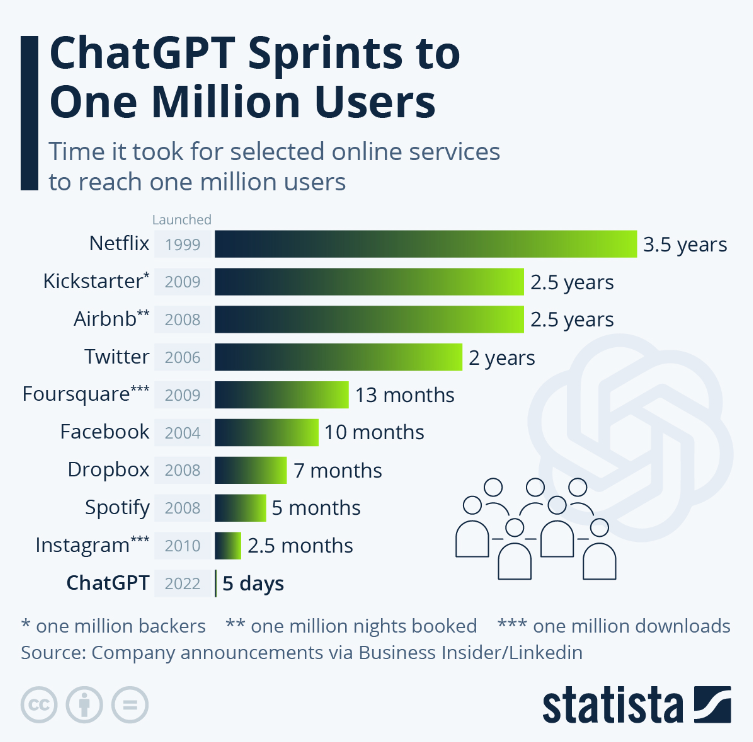
This adoption cycle is unique.
In addition, there are 100s of AI tools coming out every month.
This flood of AI development is similar to how Apple’s launch of the iPhone back in January 2007 catalyzed a wave of innovation in the smartphone market.
Cassie Kozyrkov Chief Decision Scientist at Google shared a post called “Why everyone should try GPT-4, even the CEO” in which she stated we should all “go spend (…) time getting (y)our hands dirty with (GPT-4 and language Model for Dialogue Applications (LaMDa))”.
So let’s discover how this transformational AI period parallels the launch of the iPhone 16 years ago:
Disruption of Industries
The iPhone’s launch challenged the status quo of the mobile industry and dethroned giants like Nokia…
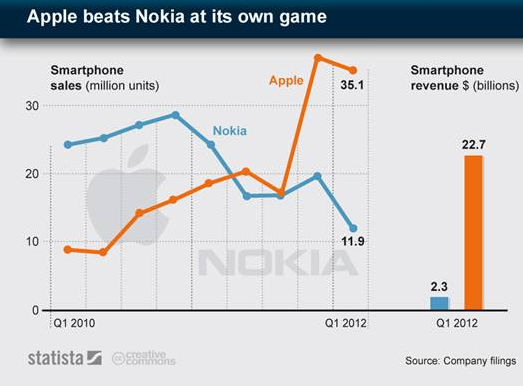
… and giant BlackBerry:
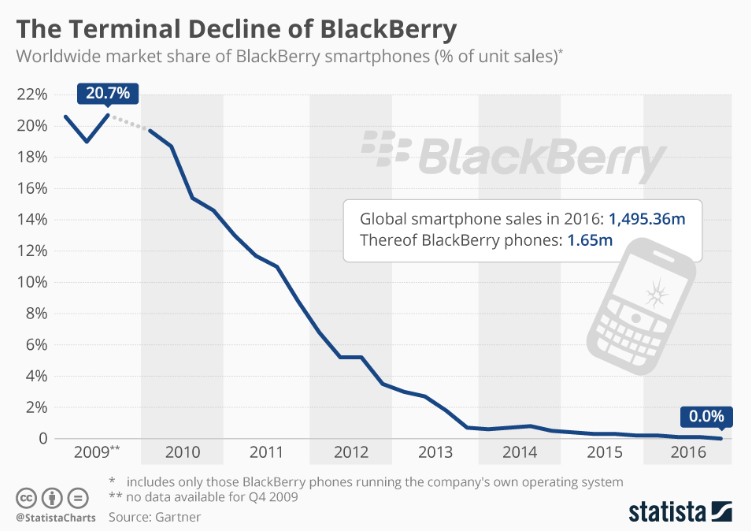
Similarly, AI is disrupting various sectors, including healthcare, finance, and manufacturing.
For instance, in healthcare, in which industry I work as a Product Manager, AI-driven diagnostics and drug discovery will be the next normal.
McKinsey & Company stated:
“Experts say AI — if properly integrated into scientists’ research — could revolutionize drug discovery, making it possible for more patients to get the treatments they need.”
Redefining User Experience
The iPhone introduced millions of people to a whole new world.
A groundbreaking touchscreen. The ease of use of a smartphone and apps.
With the launch of the iPhone, Apple put an entire computing experience in the pockets of the mass public.
Now, AI is redefining user experiences across industries — from virtual assistants we’re already used to such as Siri and Alexa to new chatbots such as Chat GPT designed to help users with daily tasks.
AI is definitely transforming how the mass interacts with technology.
Creation of New Markets
The iPhone paved the way for the App Store (2008), which spawned an entirely new market for mobile applications.
The mass public learned there was an entire universe of creativity and applications they could work with.
Forrester Research AI/ML analyst Rowan Curran stated that it made people aware “that you could have this handheld computer that is basically like [having] a Star Trek tricorder in our hand — this thing with tons of sensors and capability.”
Autonomous vehicles, AI-generated art and music, and smart homes are just a few examples of new markets spurred by AI advancements.
Democratization of Technology
The iPhone made advanced mobile technology accessible to a broader audience and led to an explosion in the use of smartphones.
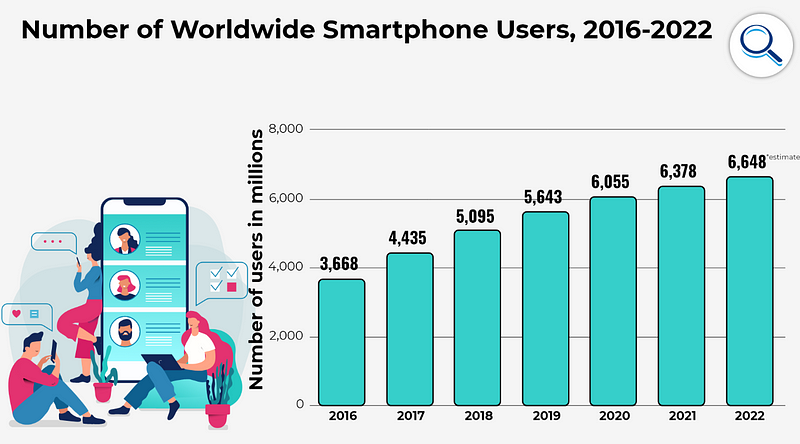
AI is following a similar path.
According to Statista, it took ChatGPT only 5 days to sprint to one million users.
This adoption cycle is unique.
AI-powered tools and platforms are increasingly available to users without deep technical expertise or coding skills like me.
These tools are enabling a wider range of people to leverage AI capabilities for personal and professional purposes.
Rapid Innovation and Adoption
The iPhone’s launch ignited a rapid cycle of innovation in the mobile industry, with competitors racing to match or surpass its capabilities.
AI is experiencing a similar surge in innovation and adoption, as companies such as Google or Bing and individuals increasingly integrate AI technologies into their daily lives — from writing emails, and speeches to crafting beer recipes.
Bottom Line
In conclusion, AI is indeed having its “iPhone moment”.
As the iPhone, AI, especially Chat GPT or GPT-4, is changing the public consciousness around what’s possible.
Let’s conclude with Forrester Research AI/ML analyst Rowan Curran:
“We never seem to really learn that when new technology comes along, we should be deliberate about its adoption”
Curran added:
“But this time around, because there’s so much possibility for people to get involved at a grassroots level, we can actually have people step in and say, okay, I want to participate in this governance process.”
Join Kristina’s newsletter for more.


