
AI-Generated Artwork Is Blowing Up The Economics of Art
Not everyone is an artist, but now everyone can create art.
Many thought that art was the last frontier. Sure, algorithms can learn to play chess, but art is a whole different story. Art requires creativity, something that only humans possess.
Or that’s what we thought.
By now, most of us have stopped underestimating the power of artificial intelligence. While the majority of algorithms are trained to solve very specific tasks, the nature of these tasks keeps expanding.
Computer-generated art has been a reality for a few years, but recent advancements in Artificial Intelligence (AI) algorithms have given it the final push.
A push that is changing how we create, understand and value art.
Art turned into a child’s game
The development of user-friendly tools and applications has made creating art easier than ever before.
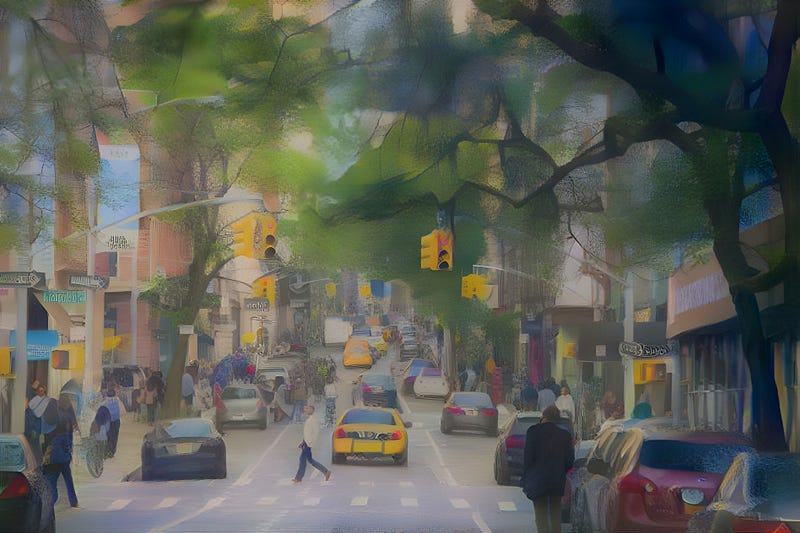
As an example, I created the cover image for this article using Deep Dream Generator. The application, developed by Google back in 2014, allows you to easily create digital paintings based on your photographs and images.
It took me literally 1 minute to upload a photograph of New York and transform it into a colorful masterpiece that follows the style of Georges Seurat.
That’s a very easy way to “create” art, but you could argue that there is no room for creativity in there. Let‘s move on to something much more creative.
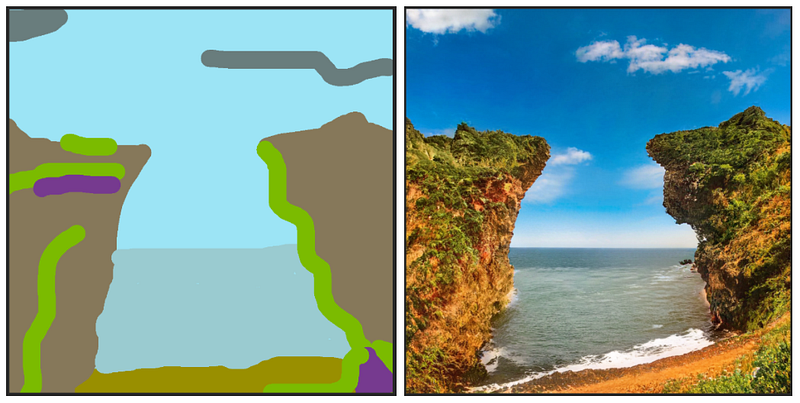
In 2021, Nvidia released the beta version of Nvidia Canvas. With this application, any person can draw a simple doodle and turn it into a high-quality image. Its simplicity is mind-blowing.
When I recently heard about it, I decided to give it a try. This is how Canvas transformed one of my doodles into a beautiful landscape. Isn’t it amazing?
It is not only about digital art
It might seem that computer-generated art will only impact digital art, but that’s not the case. We can already find robots that use the same type of algorithms to create physical artworks.
A great example of this is Ai-Da, a humanoid robot that can paint, sculpt, gesture, blink and talk. Should human artists be worried? Well, maybe just a little bit considering her success. After her creation in 2019, Ai-Da sold more than $1 million in art during one of her art exhibits.
Human artists need to think about how they will make their art stand out to compete with “artificial art”.
I was amused to read that Ai-Da was recently detained in Egypt before a show due to national security concerns. Apparently, they thought she was a spy. We might soon see robots demonstrating on the streets for their freedom of (artistic) expression.
Jokes aside, we can be sure that Ai-Da won’t be the last one. Robots like her will keep making headlines, so human artists need to think about how they will make their art stand out to compete with “artificial art”.
An economic tornado
So how exactly is all this blowing up the economics of art? Let’s start with the most direct consequence.
Art markets will soon be flooded with millions of drawings and paintings created by AI algorithms. This will make human artists struggle as their work loses visibility, especially online.
It is not the first time that artificial intelligence and other disruptive technologies transform an industry. We have seen it before with banking, software development, and even gaming.
No one can know the exact result of this transformation. Yet, artists need to make a fundamental decision about the future of their careers: should they “fight or join the enemy”?
Some might want to preserve their human essence. Others will combine their experience with the speed and innovation that computer-generation tools offer.
Regardless of their decision, they will soon find themselves in a new world where human-made art coexists with “artificial art”. We might even see “hybrid art” made by teams of robots and humans.
How to thrive in this new reality is a big question mark for artists, but they are not the only ones who need to adapt quickly.
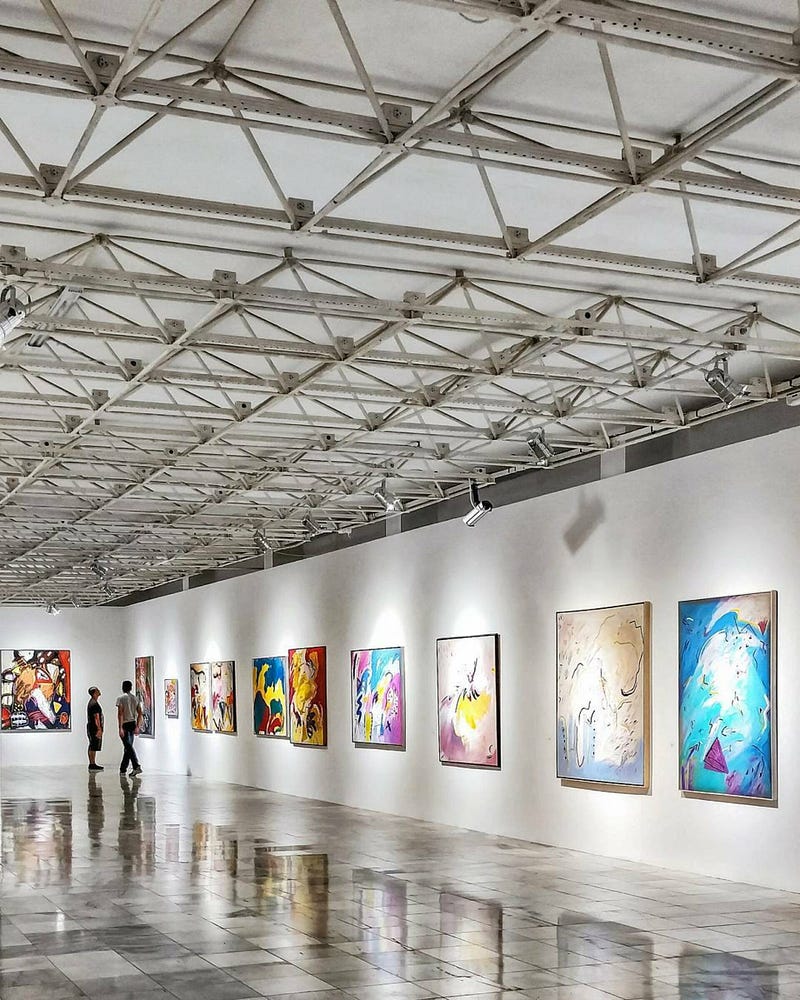
Museums and private art collectors need to assess the risks that computer-generated art poses to the value of their collections. A Picasso will always be a Picasso, but what will be its price once robots can paint perfect replicas in a matter of minutes?
Why you should care
Even if (like most people) you are not an artist or an art collector, this transformation also affects you (and your wallet).
It could actually be a golden opportunity. Remember, not everyone is an artist, but now everyone can create art.
Selling art could become the side-hustle you have been looking for. Regardless of your artistic skills, computer-generated art can help you generate semi-passive income without investing too much of your time. How does that sound?
But there is something else to consider. And it is how you will value art from now on. Is human-made art “better” than “artificial art”? Are you willing to pay more for it?
This is not just a thought for a philosophy lesson. The next time you buy a print or a painting to decorate your home, you will need to know your answer.
You can subscribe to my newsletter to receive more articles like this one directly into your inbox.
If you want unlimited access to Medium for just $5 per month, you can also become a member using my referral page to support me and other Medium writers.


