avatarJavier Menéndez

Free AI web copilot to create summaries, insights and extended knowledge, download it at here

2744

Abstract

/a> several years ago. The project is an attempt to create a map of our brains that has required the collaboration of thousands of scientists.</p><blockquote id="38b9"><p>It won’t be just electrodes or implants, there is a lot of non-invasive technology, such as glasses, headbands, bracelets, and helmets that will connect to the brain — Rafael Yuste</p></blockquote><p id="4f70">Besides the possibilities to improve human brains, Yuste has shown concerns about how we will make sure that these new technologies are used ethically. According to the scientist, “experiments with animals have shown that it is already possible to change their behavior or modify their identity”.</p><p id="fc9f">The matter is so important — and urgent — that he has taken a proposal to protect our brain data to the United Nations. As part of this proposal, he suggests that we update the Universal Declaration of Human Rights to — among other things — ensure that no one is left behind once the technology to enhance our brains becomes commercially available.</p><h1 id="ef9f">Alexa, guess what I am thinking about</h1><p id="3963">Guess what the tech giants will do as soon as reading minds becomes a possibility. Yes, they will take the opportunity to “improve our lives”.</p><p id="fe26">Let’s imagine you are at home on a Saturday evening when you start thinking about pepperoni pizza. A few seconds later, you hear the voice of Alexa: “It’s almost dinner time, should I order your favorite pizza?”</p><p id="ecfe">Is this an improvement to our lives or the perfect script for an episode of Black Mirror? That’s up to you to decide. In the meantime, you might want to start thinking about how much your thoughts are worth because sooner than later they will have a price.</p><p id="da76">Once this type of technology is commercialized, many people will be happy to sell their thoughts. And we can be sure that there will be buyers too. We might end up creating online brain catalogs that companies can visit to make an offer for our thoughts.</p><p id="c1f1">My price? I think I will just accept a free subscription to Amazon Prime. After all, if Alexa can read my mind she will be ordering plenty of stuff.</p><p id="37a0">It’s a bargain!</p><h1 id="825f">Minority report</h1><p id="36ff">Chile is a great example of what we can and should do to protect our brain data. Yet, other countries — especially those ruled by authoritarian regimes — might decide to use these technologies in unethical ways.</p><p id="f09c" type="7">We need to get ready for the unimaginable or we will regret our lack of action one more time.</p><p id="ddb7">The idea of having governments capable of reading citizens’ minds reminds me of the movie Minority Report. Have you watc

Options

hed it? In the movie, a police agent (Tom Cruise) is part of a special unit that arrests murderers before they commit their crimes. They do it based on the premonitions of three individuals with special abilities.</p><p id="052e">How does that sound? Preventing crimes sounds like a good idea, but would we want a society like the one from the movie? I guess we could never be 100% sure that someone is going to commit a crime just because they are thinking about it, right? Better not to take the risk.</p><p id="b2a6">I know, these are just crazy ideas. We might never see these science-fiction scenarios become a reality. But the truth is that we can’t know for sure. We need to get ready for the unimaginable or we will regret our lack of action one more time.</p><p id="141b">Neuroscience has the potential to enhance our brains, cure brain diseases and improve the lives of people with disabilities. While all its potential future applications are fully researched, we need to decide how we will make sure that they won’t be used for less inspiring purposes.</p><p id="77cc">You can <a href="https://medium.com/subscribe/@javier.menendez">subscribe to my newsletter</a> to receive my articles directly into your inbox.</p><p id="2f5d">If you want unlimited access to Medium for just $5 per month, you can <a href="https://medium.com/@javier.menendez/membership">become a member</a> using my referral page to support me and other Medium writers.</p><h1 id="3b53">More stories from Javier</h1><div id="e5e2" class="link-block"> <a href="https://readmedium.com/dairy-cows-fitted-with-vr-headsets-time-to-stop-and-think-db38d30cc2b3"> <div> <div> <h2>Dairy Cows Fitted with VR Headsets? Time to Stop And Think</h2> <div><h3>VR was designed to access “better” worlds, but will it be a one-way road?</h3></div> <div><p>medium.com</p></div> </div> <div> <div style="background-image: url(https://miro.readmedium.com/v2/resize:fit:320/1*deg5WX0NtdfMskyNMPoWOQ.jpeg)"></div> </div> </div> </a> </div><div id="bdff" class="link-block"> <a href="https://readmedium.com/will-we-ever-be-free-again-d0c67b7ef37b"> <div> <div> <h2>Will We Ever Be Free Again?</h2> <div><h3>We cannot keep blaming technology</h3></div> <div><p>medium.com</p></div> </div> <div> <div style="background-image: url(https://miro.readmedium.com/v2/resize:fit:320/0*s30t3OxAQx_WYyy_)"></div> </div> </div> </a> </div></article></body>

A Dangerous Battle for Your Brain Data

How much are your thoughts worth?

Photo by Nadezhda Moryak from Pexels

For decades, governments and corporations have been collecting our personal data. They have learned from our private conversations and online shopping baskets. It has become so common that we have just accepted it. And it seems that we like it.

Okay, “like” might be an exaggeration. Maybe we have been too lazy to fight for our privacy or too busy playing Candy Crush.

But now we have a new opportunity before us. An opportunity to keep our thoughts and ideas where they belong: our brains.

The development of technologies that allow us to read minds and alter behaviors is a reality. And while they have a huge potential to improve our lives, they also pose a threat to our privacy that we cannot ignore.

Will we be able to protect our thoughts?

It is already happening

You might be thinking that reading minds belongs on the science-fiction shelf of the library. But things have changed. The technology to read our minds already exists, so this is the right time to start thinking about how that will change our lives.

Some countries are very aware of the importance of this matter and have taken the lead. The best example is Chile, which 4 months ago included the protection of their citizens’ brain data into the country’s constitution.

Some individuals have been preparing for this scenario for many years. One of them is Rafael Yuste.
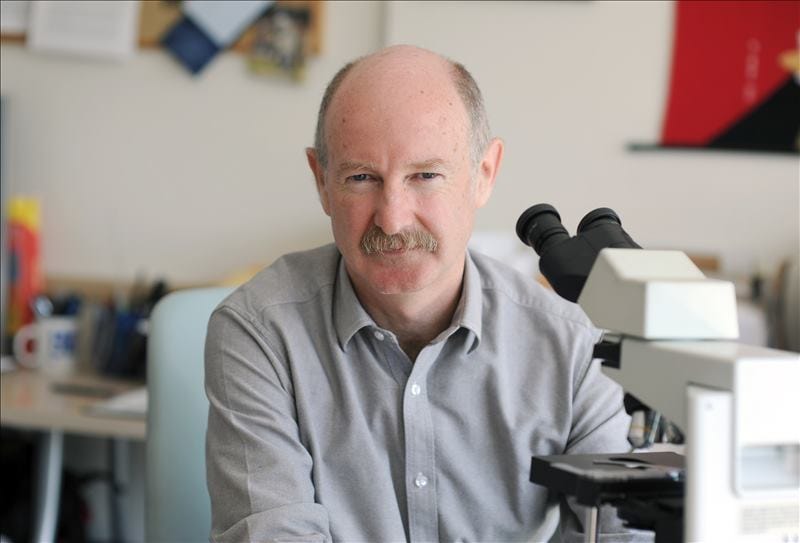
Photo: Rafael Yuste, CC BY-SA 4.0, via Wikimedia Commons

The Spanish-American neurobiologist convinced Barack Obama to initiate the Brain Initiative several years ago. The project is an attempt to create a map of our brains that has required the collaboration of thousands of scientists.

It won’t be just electrodes or implants, there is a lot of non-invasive technology, such as glasses, headbands, bracelets, and helmets that will connect to the brain — Rafael Yuste

Besides the possibilities to improve human brains, Yuste has shown concerns about how we will make sure that these new technologies are used ethically. According to the scientist, “experiments with animals have shown that it is already possible to change their behavior or modify their identity”.

The matter is so important — and urgent — that he has taken a proposal to protect our brain data to the United Nations. As part of this proposal, he suggests that we update the Universal Declaration of Human Rights to — among other things — ensure that no one is left behind once the technology to enhance our brains becomes commercially available.

Alexa, guess what I am thinking about

Guess what the tech giants will do as soon as reading minds becomes a possibility. Yes, they will take the opportunity to “improve our lives”.

Let’s imagine you are at home on a Saturday evening when you start thinking about pepperoni pizza. A few seconds later, you hear the voice of Alexa: “It’s almost dinner time, should I order your favorite pizza?”

Is this an improvement to our lives or the perfect script for an episode of Black Mirror? That’s up to you to decide. In the meantime, you might want to start thinking about how much your thoughts are worth because sooner than later they will have a price.

Once this type of technology is commercialized, many people will be happy to sell their thoughts. And we can be sure that there will be buyers too. We might end up creating online brain catalogs that companies can visit to make an offer for our thoughts.

My price? I think I will just accept a free subscription to Amazon Prime. After all, if Alexa can read my mind she will be ordering plenty of stuff.

It’s a bargain!

Minority report

Chile is a great example of what we can and should do to protect our brain data. Yet, other countries — especially those ruled by authoritarian regimes — might decide to use these technologies in unethical ways.

We need to get ready for the unimaginable or we will regret our lack of action one more time.

The idea of having governments capable of reading citizens’ minds reminds me of the movie Minority Report. Have you watched it? In the movie, a police agent (Tom Cruise) is part of a special unit that arrests murderers before they commit their crimes. They do it based on the premonitions of three individuals with special abilities.

How does that sound? Preventing crimes sounds like a good idea, but would we want a society like the one from the movie? I guess we could never be 100% sure that someone is going to commit a crime just because they are thinking about it, right? Better not to take the risk.

I know, these are just crazy ideas. We might never see these science-fiction scenarios become a reality. But the truth is that we can’t know for sure. We need to get ready for the unimaginable or we will regret our lack of action one more time.

Neuroscience has the potential to enhance our brains, cure brain diseases and improve the lives of people with disabilities. While all its potential future applications are fully researched, we need to decide how we will make sure that they won’t be used for less inspiring purposes.

You can subscribe to my newsletter to receive my articles directly into your inbox.

If you want unlimited access to Medium for just $5 per month, you can become a member using my referral page to support me and other Medium writers.

More stories from Javier

Science
Technology
Ethics
Data Science
Innovation
Recommended from ReadMedium