
AI for Mental Health
There are many ways in which machine learning can help us better understand — and possibly treat — mental health conditions
Big brain, big problem
The human brain is often called the most complex object in the known universe. Sounds great, doesn’t it? Kind of makes you feel good about being human, no?
The problem with complicated stuff is that it’s hard to figure out. Billions of neurons jabber incessantly through billions of synapses. That makes effective eavesdropping quite challenging. It also means that a lot can go wrong. In fact, our big brains could make us more susceptible to issues such as schizophrenia and bipolar disorder.
To be sure, brain imaging has come a long way, and it’s nowhere near finished developing. Interpreting the images, though, is not always an easy task. What do you do when you’re drowning in data and patterns? Right, call machine learning. Several AI systems are becoming pretty good at spotting anomalies on brain scans. There are already a few companies offering specific machine learning systems to speed up and improve brain scan interpretation.
Prediction and prevention
Better interpretation of brain scans is great, but does this have some predictive power, or is it all ‘after the fact’? There are some indications that AI systems can indeed predict certain brain problems before the major symptoms manifest (for example, in Alzheimer’s disease).
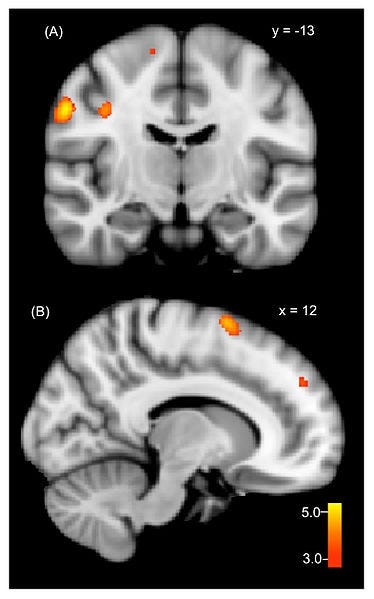
If/when machine learning can aid us in detecting the neural correlates of mental health conditions (different signaling pathways, different network activity…), it might be helpful in diagnosing what exactly is going on, which will improve our knowledge of the sometimes frustratingly intangible field of mental health.
Maybe these brain scan interpreting tools can also help us in identifying people at risk. In that case, preventative medication or mindfulness or stress management could be very helpful depending on the condition and personal situation.
Much more than the brain
Of course, mental health is about much more than the brain. Much, much more. It was a good place to start this post, but leaving it there would have been insufficient. After all, the roots of mental health issues are a hidden, tangled mess of genes, environment, and especially the many interactions between both.
…to untangle that unholy mess, machine learning could prove useful.
Certain gene variants (alleles) have been implicated in mental health issues, but the picture is far from clear. It’s important to realize that there’s no such thing as ‘a gene for depression’, for example. Certain alleles can increase your risk, others may mitigate it. In most cases, dozens, if not hundreds of genes can be involved, each having its own effect and influencing the activity and effects of the others.
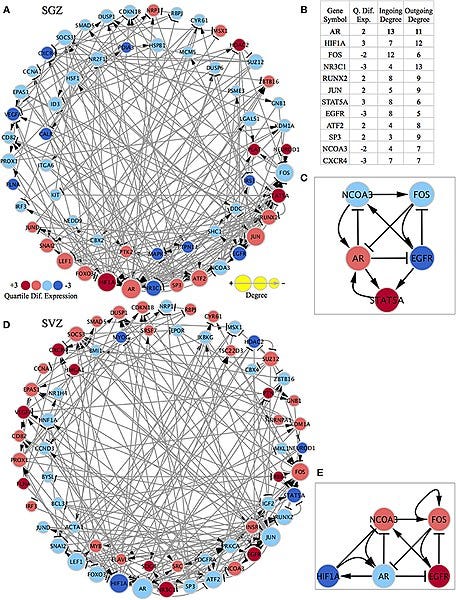
Assessing the genetic risk requires a so-called polygenic risk score, taking into account all known effects (there may still be many unknown ones as well). Can machine learning help with this? Possibly. But it still needs refinement.
The parliament of genes with all of its internal power struggles is only part of the story. In many cases, the genetic effects on mental health also depend on the presence of environmental triggers. For example, it is known that childhood adversity, poverty, and malnutrition can increase the risk of mental health issues. But not everyone experiencing these conditions develops a mental health issue, because not everyone carries the high risk gene combinations. Vice versa, people who are not subjected to a lot of environmental triggers can still develop a mental health problem. If you drew a bad card in the genetic lottery, a small push will do.
Anyway, to untangle that unholy mess, machine learning could prove useful.
Treatment 2.0
So, machine learning/AI can help us better understand the genetic, environmental, and brain structural correlates of mental health, and, in doing so, potentially give us some predictive/preventative/diagnostic tools.
But what about treatment?
Well, first of all AI/machine learning can lower current barriers for seeking help. One example are chatbots with machine learning conversational strategies as a helpful first point of contact. As more and more people use these services, the conversational strategies will become more refined and adaptable to individual patients.
Another treatment option that can be improved through AI/machine learning is the personalization of medicinal treatment. Not everyone, for example, responds to antidepressants. Combining brain scans with machine learning can predict who will be a (non-)responder. This can prevent people from unnecessarily experiencing unpleasant side-effects.
A bit further down the line, it might become possible to combine the (epi)genetic and medicinal knowledge to design personal drugs that positively alter gene activity.
One step further still is AI-assisted (or guided?) purposeful genetic intervention to address potential genetic risk factors. (This is, of course, an ethical quagmire we will carefully have to explore. Here, I only mention this as a possibility that falls within the purview of current or not-inconceivable near-future developments.)
With or without AI, take care of your mind. It’s the only one you have (for now).


