avatarMerzmensch

Free AI web copilot to create summaries, insights and extended knowledge, download it at here

2086

Abstract

Gogh:</p><figure id="e7cb"><img src="https://cdn-images-1.readmedium.com/v2/resize:fit:800/1*DAWE0JITiqAa3vM2B5zH5Q.png"><figcaption><b>Van Gogh</b>, <i>De sterrennacht, 1889</i></figcaption></figure><p id="cbbf">As a target image is used a photo by Big Ben</p><figure id="0fbb"><img src="https://cdn-images-1.readmedium.com/v2/resize:fit:800/1*ndGoHPjFmC0zgOvg2bByvQ.png"><figcaption>Big Ben</figcaption></figure><p id="9356">Both images are analyzed by the system in layers (style layer, content layer etc.) — then, simply said, the layer options and parameters are transfered, merged and a new image is generated.</p><figure id="14cb"><img src="https://cdn-images-1.readmedium.com/v2/resize:fit:800/1*wK4C0VwBIcrKROGseWFydA.jpeg"><figcaption>Pretty convincing style transfer!</figcaption></figure><p id="974b">Look at the sky with new generated stars, look at the perfect colors and bridge shapes! Doesn’t it look amazing? (Small note: interestingly, the time on Big Ben is changed).</p><h1 id="fe61">Let’s experiment</h1><p id="bcef">And so <b>if we choose our own source and target images</b>, we can try out, how precisely the artistic style is transferred. Of course, it’s rather AI based re-interpretation of the style. <b>The art value of the result is in the eye of the beholder.</b></p><p id="7f83">I always use my userpic for testing issues — a selfie I’ve once shot in a polished iron marble in the experiment museum <a href="https://www.schlossfreudenberg.de/start/willkommen-winter.html"><b>Schloss Freudenberg</b></a>, Hesse, Germany.</p><figure id="3934"><img src="https://cdn-images-1.readmedium.com/v2/resize:fit:800/1*J-sZq_olILhYYq__xiU_YA.png"><figcaption>Merzmensch Userpic, © Merzmensch</figcaption></figure><p id="e856">So this is how my userpic would look like when <b>Van Gogh</b> would paint it:</p><figure id="f1c4"><img src="https://cdn-images-1.readmedium.com/v2/resize:fit:800/1*jXGRUDnNaPtEs-C-p6KdAw.png"><figcaption>Merzmensch Userpic, as drawn by Van Gogh</figcaption></figure><p id="9fe7">The curvy paintbrush strokes, colors, dynamic of the skies a

Options

nd petrified movements of the trees — everything here looks perfect. The system even built in a star in the final result — where in original you can see just a road.</p><p id="3f6a">Let’s try my another favorite — <b>René Magritte</b> with his <i>“La chateau des Pyrenees”</i> (1959).</p><figure id="b549"><img src="https://cdn-images-1.readmedium.com/v2/resize:fit:800/1*54DYa7Y5IrRQ7XZuRoDWhw.jpeg"><figcaption>And now it’s Magritte</figcaption></figure><p id="f336">In this case the system probably cannot properly recognize the surreal motives of the both images, so the result is still interesting. The stone structure is everywhere.</p><p id="3fde">And here comes MERZ-artist Kurt Schwitters with his Merz-Art (Mz 601, 1923).</p><figure id="e2c6"><img src="https://cdn-images-1.readmedium.com/v2/resize:fit:800/1*f__qfRtF_LvZKyh89yh9sg.jpeg"><figcaption>Merzalization, as glued by Kurt Schwitters</figcaption></figure><p id="54d1">Interestingly, the patterns of collage are perfectly reflected — you can almost recognize typographical artifacts. The picture is even segmented in collage-alike patterns.</p><p id="1377"><b>Try out the system on your own</b> — run the cells, change the image sources in the code and see, what you get. <b>Post in comments your interesting style transfer experiments!</b></p><p id="b5bc"><i>In my series “<a href="https://medium.com/tag/ai-and-creativity">AI & Creativity</a>” I want to observe with you the newest tendencies, try out new tools and present the #AI artists.</i></p><h1 id="621a">SocialLink</h1> <figure id="0a95"> <div> <div> <img class="ratio" src="http://placehold.it/16x9"> <iframe class="" src="https://cdn.embedly.com/widgets/media.html?type=text%2Fhtml&amp;key=a19fcc184b9711e1b4764040d3dc5c07&amp;schema=twitter&amp;url=https%3A//twitter.com/merzmensch/status/1292883532713537538&amp;image=" allowfullscreen="" frameborder="0" height="281" width="500"> </div> </div> </figure></iframe></div></div></figure></article></body>

AI&Creativity: Style Transfer (and you can do it as well)
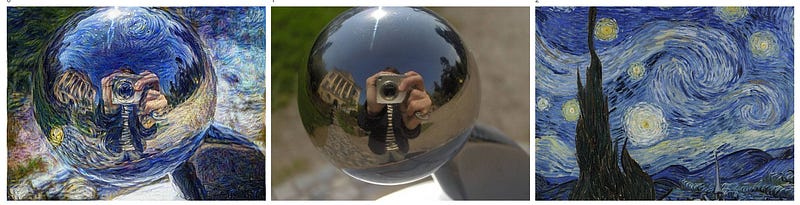
#AI based transfer of styles (and you can do it by yourself, see below).

Popularization of Artificial Intelligence

As previously mentioned, the year 2018 is a milestone for popularity and accessibility of open source Artificial Intelligence applications. Previously you also could install the TensorFlow based solutions on your system, with appropriate know-how and programming skills.

Google Colaboratory helps with online “Nootbooks”, interactive installations of AI applications: AI researchers provides the application code with own comments, explanations and possibility to run and change the code.

It’s a perfect edut-AI-nment!

So for example Alex Mordvintsev, developer of Google Deep Dream, along with other AI researchers demonstrate various fascinating notebooks on topic of “Differentiable Image Parameterization”.

Transfer the style

In this experiment the Deep Learned systems examine two source images — and transfer their style. Not only colors, but also the shapes and patterns. You can find and play around with this experiment here.

Already default image demonstration is very convincing.

As a initial style source is used a painting by Van Gogh:
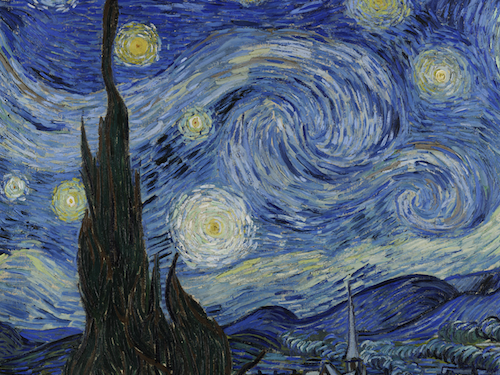
Van Gogh, De sterrennacht, 1889

As a target image is used a photo by Big Ben
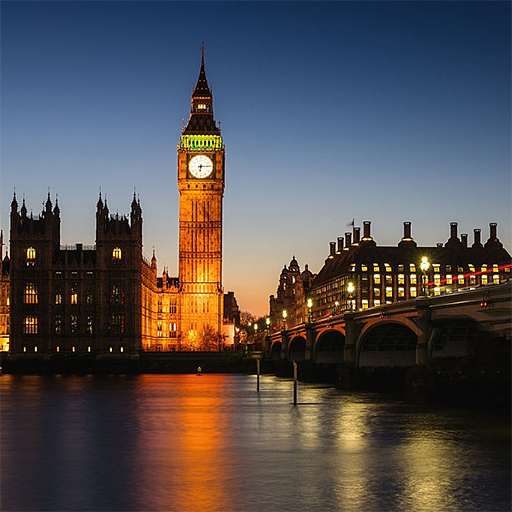
Big Ben

Both images are analyzed by the system in layers (style layer, content layer etc.) — then, simply said, the layer options and parameters are transfered, merged and a new image is generated.
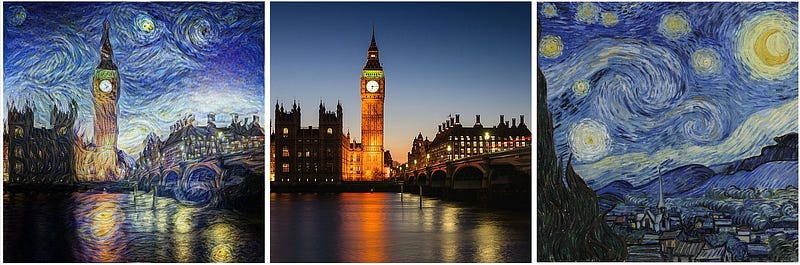
Pretty convincing style transfer!

Look at the sky with new generated stars, look at the perfect colors and bridge shapes! Doesn’t it look amazing? (Small note: interestingly, the time on Big Ben is changed).

Let’s experiment

And so if we choose our own source and target images, we can try out, how precisely the artistic style is transferred. Of course, it’s rather AI based re-interpretation of the style. The art value of the result is in the eye of the beholder.

I always use my userpic for testing issues — a selfie I’ve once shot in a polished iron marble in the experiment museum Schloss Freudenberg, Hesse, Germany.
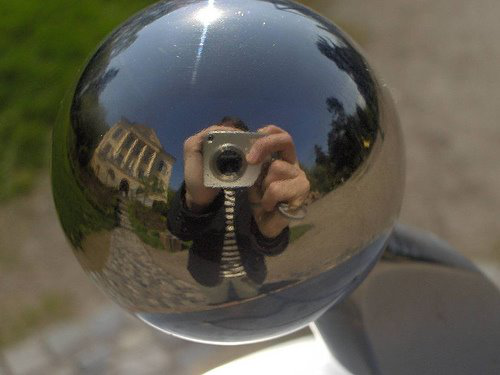
Merzmensch Userpic, © Merzmensch

So this is how my userpic would look like when Van Gogh would paint it:
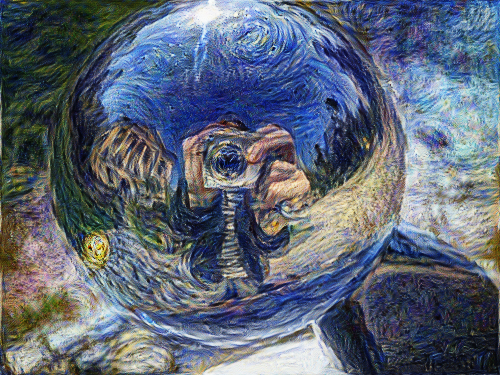
Merzmensch Userpic, as drawn by Van Gogh

The curvy paintbrush strokes, colors, dynamic of the skies and petrified movements of the trees — everything here looks perfect. The system even built in a star in the final result — where in original you can see just a road.

Let’s try my another favorite — René Magritte with his “La chateau des Pyrenees” (1959).
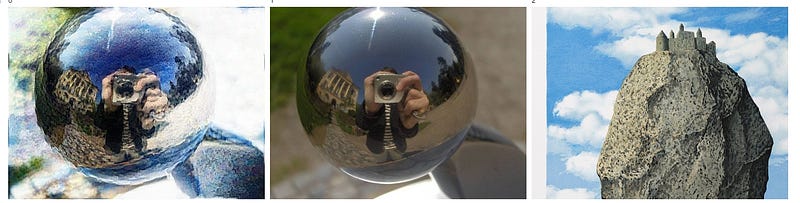
And now it’s Magritte

In this case the system probably cannot properly recognize the surreal motives of the both images, so the result is still interesting. The stone structure is everywhere.

And here comes MERZ-artist Kurt Schwitters with his Merz-Art (Mz 601, 1923).
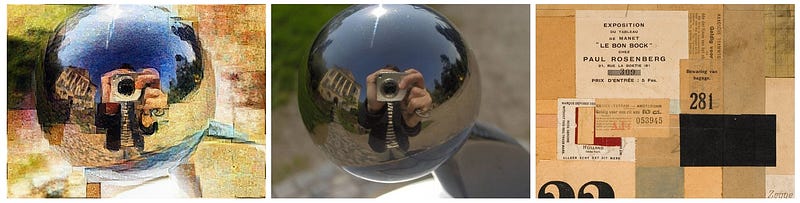
Merzalization, as glued by Kurt Schwitters

Interestingly, the patterns of collage are perfectly reflected — you can almost recognize typographical artifacts. The picture is even segmented in collage-alike patterns.

Try out the system on your own — run the cells, change the image sources in the code and see, what you get. Post in comments your interesting style transfer experiments!

In my series “AI & Creativity” I want to observe with you the newest tendencies, try out new tools and present the #AI artists.

SocialLink

Art
Ai And Creativity
Artificial Intelligence
AI
Style Transfer
Recommended from ReadMedium