
AI as the Architect of Future Websites, Web Design and Digitalization
Here is how AI comes into the Web Design world. You will discover its impact and learn about pros and cons.
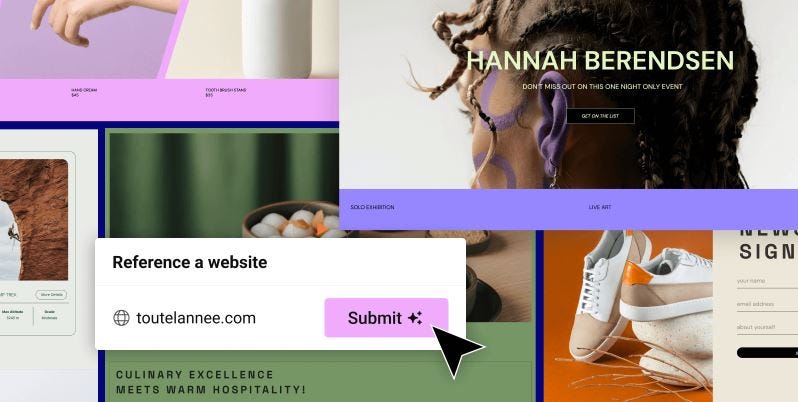
As we regularly see, more and more options with AI appear. The digital landscape is constantly evolving, Artificial Intelligence (AI) has emerged as a transformative force, revolutionizing how websites are created. We want to take a closer look at what the WordPress Builder Plugin Elementor has changed and come up with.
This shift not only brings forth innovative possibilities but also sparks a discussion about the role of quality and traditional web designers in this new era.
Read on to understand what happened. We’ll delve into this “exciting” realm of AI-driven web design, exploring its workings, potential impact, and the intriguing debate surrounding the need for human web designers.
For those who feel the quote on the word exciting. The following will interest you:
So, we have a Rise of AI in Web Design
Gone are the days of static websites built with rigid templates, almost.
It is still possible and it also has its advantages, but that for another day.
For today, AI is at the forefront of dynamic, user-centric web design. The advent of AI-powered design tools has significantly streamlined the process, allowing developers to create sophisticated, personalized websites with unprecedented efficiency.
The WordPress Builder Plugin Elementor has added their AI package, where with a click AI comes into play.
The website Gamma, has an AI that generates in a few second a whole presentation or even a website with up to 25 cards (with premium). They call it cards, but a card is actually the same as a section.
-> Gamma AI guide for presentations and generate websites.
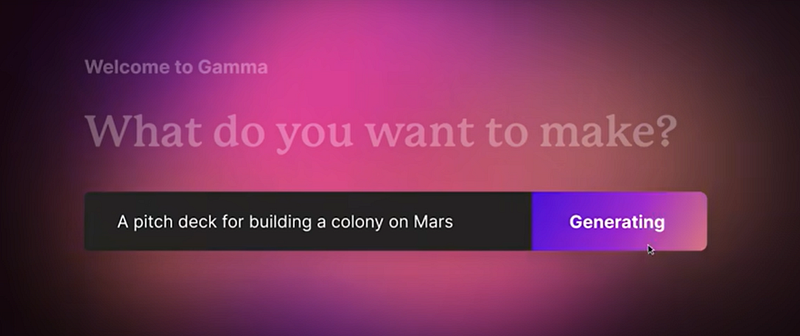
So, you are thinking, how does it work?
AI’s foray into web design is fueled by machine learning algorithms that analyze vast datasets to understand user preferences, design trends, and the intricacies of successful websites.
These algorithms can recognize patterns, predict user behavior, and adapt designs accordingly, resulting in websites that are not only visually appealing but also highly functional.
What about Content Creation?
One of the most notable contributions of AI in web design is its ability to generate high-quality content.
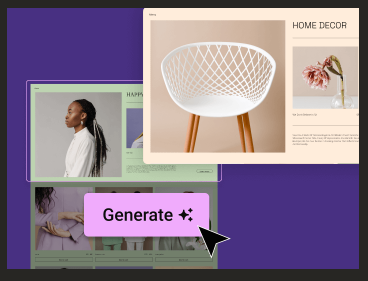
Advanced natural language processing algorithms can craft engaging, SEO-friendly copy, reducing the burden on content creators and enabling websites to stay relevant and informative.
Concerning copy, it implements Chat GPT-4. So for those heavily relying on OpenAi, you at least save time with the copy / paste.

For the aspect of Personalization.
AI-driven web design excels in personalization, tailoring the user experience based on individual preferences.
By analyzing user behavior, AI can dynamically adjust content, layout, and even color schemes to create a customized journey for each visitor.
This level of personalization enhances user engagement and satisfaction.
But remember, it is still limited to certain types, schemas and learnt or more accurate in-built patterns.
But yeah, making adjustments is already at least a mile walk in comparison to starting from scratch. The question is then in which direction…
The big aspect of Automation and Efficiency (hopefully)
You maybe already know about Zapier, which as a simple AI connects your tools and data spread around the web, instead of you doing it and avoiding the repetition.
So, traditional web design also often involves repetitive tasks, from coding to layout adjustments. You never fully do every aspects manually.
For example, you would design a section or a box, add the margin, border, padding, shades and then duplicate it for the consistency or the design would not look good.
Instead, AI automates these processes, allowing developers and designers to focus on more creative aspects of design.
What do you think, how many hours and brainpower would the following assets have taken?
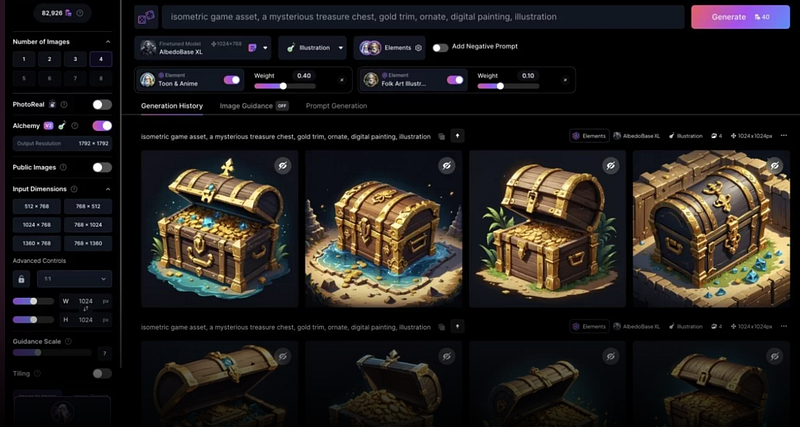
This increased efficiency not only accelerates the website creation process but also reduces costs associated with labor.
In addition, you save time. A lot.
… If, but only if you understood how it works. Spending money and a lot of time to understand the new tool can become a big hassle, where instead of awesome results, you end up more like with a lot of frustration.
This is where the expertise or patience will always be needed!
Here I gathered a few Pros and Cons
As with any technological advancement, AI in web design comes with its share of pros and cons, nothing is perfect.
Pros:
- Speed and Efficiency: AI-driven design tools can significantly reduce the time required to create a website, enabling businesses to establish their online presence rapidly.
- Cost-Effective: Automation of repetitive tasks lowers labor costs, making web design more accessible to businesses with limited budgets.
- Personalization: AI enhances user experiences by tailoring content and design elements to individual preferences, fostering deeper connections between the user and the website.
- Data-Driven Decisions: AI relies on data analysis to inform design choices, leading to more informed decisions that align with user expectations.
Cons:
- Lack of Creativity: Critics argue that AI lacks the intuitive, creative touch that human designers bring to the table (yes, even AI cannot read minds). AI may excel at pattern recognition, but it may struggle to innovate or push design boundaries.
- Overreliance on Data: The reliance on data may lead to designs that prioritize popular trends over unique, brand-specific elements, potentially resulting in generic-looking websites.
- Ethical Concerns: As AI becomes more prevalent in web design, questions about data privacy, bias, and accountability arise. Ensuring ethical AI practices is crucial to building trust with users.
The Human Element: Do We Still Need Web Designers?
Well, definitely yes.
For now the integration of AI in web design will spark debates about the role of human designers.
While AI brings efficiency and automation, it cannot replace the nuanced understanding, creativity, and empathy that human designers bring to the table.
Remember, humans have a heart, AI does not. Therefor humans will always be, or more accurate can be, better than AI.
Creativity and Intuition
AI operates based on predefined algorithms and data analysis, but it lacks the inherent creativity and intuition that human designers possess.
The human touch is essential for crafting unique, memorable designs that resonate with the target audience.
And so, it will be for at least many more years. Again, AI can only work in a predefined set of parameters.
Emotional Intelligence
Understanding the emotional impact of design choices is a uniquely human trait.
Web Designers consider not just visual aesthetics but also the emotional response they want to evoke from users.
This emotional intelligence is really challenging for AI to replicate.
See Emotional Intelligence, from Daniel Goleman — https://amzn.to/3U7QVIe via Amazon.
Sometimes, a Web Designer will opt for a counter-intuitive style because it better suits the Brand or even a corresponding strategy for what AI wouldn’t be able to do.
Adaptability
Web design is not just about following patterns but adapting to new trends and pushing creative boundaries.
Of course something basic can easily be delegated, but the out of the box or the challenge for something new still has its restraints and limits, therefor stays in human hands.
Human designers really have the capacity to think outside the algorithmic box, as bringing fresh perspectives to the table.
Collaboration Between AI and Designers
Rather than posing a threat, AI can be viewed as a powerful collaborator for human designers. By leveraging AI tools, designers can enhance their capabilities, focusing on more strategic and creative aspects of their work.
In the end, someone still needs to manage the AI. And without the corresponding understanding, it becomes a challenge.
But, as we cannot always delegate to humans, delegating to a computer system is rather pleasant, even if not always easy.
So, what about the Future of Web Design: Do you think Harmonious Integration is doable? (Now?)
The future of web design lies in a harmonious integration of AI and human expertise.
As technology advances, we can anticipate a symbiotic relationship where AI augments the capabilities of human designers, empowering them to create cutting-edge, personalized websites.
So, in the overall.
The infusion of AI into web design marks an exciting chapter in the evolution of the digital, from presentation to web landscape.
While AI brings unprecedented efficiency and personalization, the human touch remains indispensable for creativity, intuition, and emotional intelligence. Don’t forget AI also has a learning curve.
The future of web design lies in embracing this synergy, as between AI and human designers, creating a powerful force that paves the way for innovative, user-centric websites. Spared time and productivity boost.
As we navigate this transformative journey, the collaboration between human ingenuity and artificial intelligence promises to unlock new possibilities, ensuring that the websites of tomorrow are not just functional but also deeply resonant and inspiring.
Do you still have any other questions about the topic?
Comment them below and I’ll provide my thoughts.
If you enjoyed this story, then follow me Olivier Jacob — Digital Project Manager for more. I am a Nerd for sharing and driving Digital Success.