
Afghanistan: The Forgotten War Rears its Ugly Head
And whose fault is that?
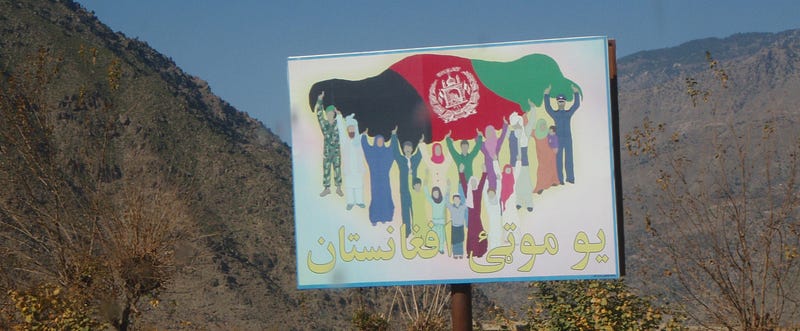
For 20 years, the war in Afghanistan was out-of-sight and out-of-mind for people in the US, except for those who actually served there. Most Americans probably didn’t even know our forces were about to be pulled out of the country, if they even realized we were still there.
Then, almost overnight, Afghanistan became the lead or front-page story across nearly every medium. It served as fodder for Monday-morning quarterbacks placing blame for a disastrous withdrawal after paying little attention to the war or the country for years. People in communities large and small are suddenly concerned how events in Afghanistan are making “us” look. Journalists are prodding Afghanistan Veterans to express their feelings about the Taliban being back in power. Comparisons to Vietnam are everywhere.
As an OEF (Operation Enduring Freedom/Afghanistan) Veteran, numerous people have asked how I feel about these events. Am I disgusted with the chaos in Kabul due to inadequate planning and preparations? Am I disappointed, hurt, or angry the Taliban are right back in control? Do I think our efforts were wasted? Did we make so many sacrifices for nothing?
I am not offended by the questions or the fact most people rarely asked about Afghanistan before now. I’m well aware that how I feel about all this isn’t really relevant except to me and those with similar experiences. There is value in talking with others to aid in self-reflection, know we are not alone, and help others understand how these experiences affected us.
But right now, these stories are mostly being used to spark and fuel fires built by people with political and ideological agendas.
As with many OEF Veterans, I am worried about friends and their families still in Afghanistan. They are caught in the chaos. If they try to get to the airport for a well-earned flight out of the country, they risk their lives. If they stay hidden, it could mean missing their only opportunity to escape, putting their lives at risk maybe forever.
I am doing all I can to help them. I was ecstatic to learn one friend, a former interpreter, along with his family was evacuated. Others have not been as fortunate, and I carry a strong sense of helplessness knowing the danger and the bureaucracy standing in the way.
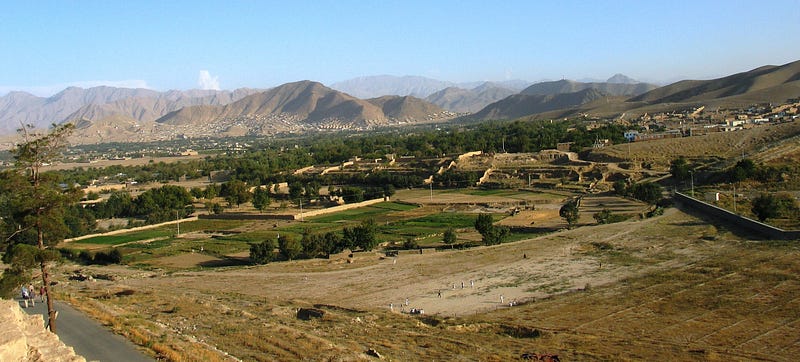
Yet all the feelings churned up by recent events in Afghanistan pale compared to my disappointment in us as a nation. We can’t help people in other nations develop a commitment to peace, liberty, and effective self-government because we have not committed to these in our own country. We expect the people in other countries to do what we have failed to do.
While one could argue the United States has done better with our democracy than other countries, we’ve had 200 years to make it better and we’ve barely moved the needle. Consider this…
In 2001, US and NATO forces worked with Afghans to remove the Taliban from power. What followed was 20 years of a dysfunctional national government and tens of thousands of Afghan and coalition soldiers (along with countless civilians) killed and wounded in bloody battles throughout the country. These battles were not fought for the good of the country as a whole or its people, but based on ideology. Those who promised liberty through a democratic central government were corrupt and self-serving, while the Taliban promised security and order but coupled with a loss of liberty and democracy.
For Afghanistan to achieve its potential as a nation and a democracy, its people must have the courage to stand up to corrupt leaders from the local level to the national level. They must set aside ideology and seek common ground on which to elect leaders who would put the nation and its people first. At the same time, they must stand against those who want to create chaos and division — the Taliban, ISIS, and similar groups. Instead, Afghan citizens mostly keep their heads down and let the two sides battle it out. Or they pledge allegiance to whomever is currently in power.
After 20 years, it appears little has changed.
In 1776, a group of men gathered in Philadelphia to break the bonds of the American colonies to England and the Crown. They fought bloody battles and suffered horrific losses until the British surrendered. They established a government that valued personal liberties and states’ rights but that also recognized the power of unifying those states into one nation.
What followed has been over 200 years of ugly political battles, a frequently dysfunctional government, and a nation constantly at war with itself including the actual Civil War, which was far worse in most respects than the war we fought in Afghanistan. These brutal battles, dysfunction, and infighting are fueled by ideology. Those pushing the ideology may claim it is meant to improve the lives of citizens, but this falsehood is clear in their willingness to compromise and even abandon the foundations of their ideologies when doing so is politically expedient.
For the United States to achieve its potential as a nation and a democracy, we the people must have the courage to stand up to corrupt and self-serving leaders from the local level to the national level. We must not allow ideology to transcend our shared values and vision. We must seek common ground on which to elect leaders who will put the nation and its people first. That means we must also stand against those who benefit from chaos and division — the political parties (Democrats and Republicans), biased media companies, and self-serving officials, among others.
Our Founding Fathers warned us against political parties. They warned us about allowing power to collect among a small group of people. They knew the dangers of a plutocracy were as great as those of a monarchy. Yet we did not heed their warnings and, instead, allowed nearly all the power of the people to be stolen and used not for the good of the country, but to ensure those in positions of power retain those positions.
After over 200 years, it appears little has changed.
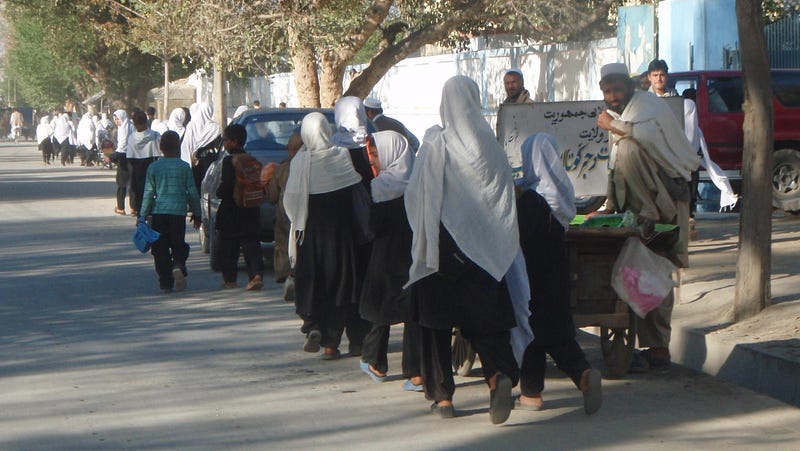
I have been thanked thousands of times for my service as a soldier. I have seen thousands of signs in businesses, yards, on vehicles, shirts, and hats saying “We support our troops.” The “support” is nice, but if you want to truly demonstrate your support for service members, do it through meaningful actions.
To honor US troops who served in wars around the globe, not to mention those who fought and died to establish our nation and support the vision of our Founding Fathers, then stand up to individuals and organizations putting ideology ahead of country. Stop allowing such individuals and organizations to turn you against your friends, family, and neighbors.
Instead, seek common ground with your fellow Americans. Look for those values and visions of our country that we all share. Band together to elect representation not based on political party or ideology, but on a commitment to improving the lives of everyone in our country, to solving our biggest problems and challenges, to becoming a true shining light of liberty and democracy and an example for the rest of the world.
Acknowledge that those who would be our best state and national leaders will not seek such a role; they may even avoid it because they’ve seen what those positions have become. George Washington was our first, last, and only President not aligned with a political ideology, and he did not want the job. He was practically dragged kicking and screaming onto the ballot. He refused to run for a third term for fear of becoming an unofficial monarch.
Every president since has been aligned with an ideology; the same is true of the vast majority of our representatives and senators. Why? Because we as citizens have allowed it. We’ve allowed political parties, PACs, corporations, and others who benefit from the two-party system to draw us in and use us to fight their battles to stay in power.
Every military conflict since World War II has been entered and influenced by ideology. The exception that could be argued was Afghanistan in 2001, but the mess that followed the removal of the Taliban was ideologically based. Then Congress refused to fund the wars in Afghanistan and Iraq through a War Tax; this ensured the American people could forget about both wars while guaranteeing we would never fully commit to achievable, strategic goals. Then, politics and ideology cemented our presence there.
We need leaders at the state and national level who will work together to strengthen our democracy, increase liberty and security, ensure a true level playing field for all Americans, and confront the countless challenges facing our nation and world. If we do that in our country, we will be in a position to help other nations who want to bring such governance to their country; not through military actions, but through the courage and strength of their people.
The fault for the disaster in Afghanistan lays with all of us who have allowed ideology to come before country. If we want to honor those who have defended that country — and make sure we don’t repeat the mistakes of Afghanistan, Iraq, Somalia, Vietnam, and elsewhere — we must take back the power of our Constitution and our people and strive to be that shining beacon of liberty and democracy our Founding Fathers envisioned.
You may also be interested in:
Kevin Miller is a Boomer who joined the Army during the Cold War and continues to serve. He has spent 30-plus years working in K-12 education as a teacher, administrator, and consultant and is now on a mission to reinvent our school model. His book Know Power, Know Responsibility provides the imperatives for a complete redesign of schools and the way to get there. See his website knowresponsibility.com to learn more.


