
Adventures in Lo-Fi
A tribute to hip hop and bossa nova
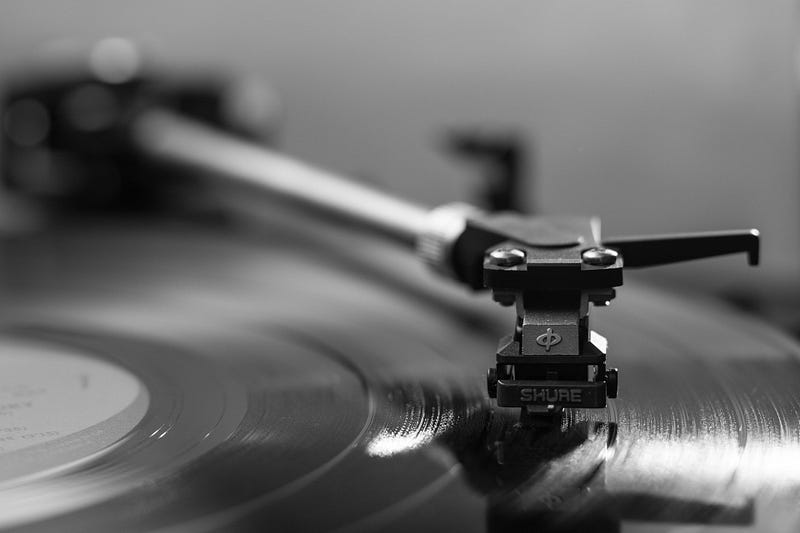
When I heard “Passing Me By” in 1992, I understood the lo-fi aesthetic in the crackling needle and distorted, ghostly organ sample from Quincy Jones’ “Summer in the City”. The saxophone precursor to the chorus also introduced me to a more sophisticated rap-jazz fusion. I still remember the day I bought the crazy fabulous Bizarre Ride II The Pharcyde — one of my first CDs rather than cassettes — as a young teen in a big record store out of town.
Lo-fi used to broadly refer to any kind of music that had a quality of imperfection or a deliberately dissonant layer that added a richness to the soundscape. It came to be associated with DIY and indie “bedroom music” but had been employed in big studio sounds of artists like the Beach Boys and now, a newer genre of hip hop experimenting with jazz elements in an atmospheric way for YouTubers looking for a calming point of stillness in a chaotic world.
It is easy to make the mistake of homogenizing jazz and hip hop into “chill listening” just as bossa nova evolved, watered down, as it made waves through the US. But bossa nova was an aesthetic revolution that did not aim to create “lifestyle music” any more than lo-fi, which incorporates deliberate, idiosyncratic elements such as a noisy recording quality, or a break of dissonance such as a non-musical sound or an incorrect note. Just as with the deceptive intricacy of a bossa nova song, the “lo-fi” or down-tempo, quality and complexity of rhythm, style and lyrics can be deceptive in its smooth, harmonic vibe.
The “lo-fi” hip hop sound integrating jazz has been around for a quite a while and some argue hip hop concepts have origins in jazz scat recordings a century ago. Some of my favorites are Digable Planets, A Tribe Called Quest and ShinSightTrio, the latter, gratefully discovered when I was living in Japan.
In the late ‘80s, the hip hop/jazz fusion arrived in Canada with Dream Warriors and the UK with US3 in a more bombastic expression sometimes called “acid jazz or “jazz rap”. In closer connection to my exploration of bossa nova this month, Dream Warriors famously used Quincy Jones’ Soul Bossa Nova (which uses Brazilian instruments) as the track for “My Definition of a Bombastic Jazz Style”.
Now, bossa nova is specifically making a hip hop comeback through the likes of rappers like JuiceWRLD and Kota the Friend. The record scratches, the ambient hum of atmosphere and harmonic, mindfully crafted bossa nova sound adds depth to backing tracks in a way no other genre can.
There is a sense of affinity between hip hop when it layers beats with jazz, a process that sounds as organic and intimately harmonious as unadulterated bossa nova. I think it’s fitting that Getz’s polished, Americanized Saudade vem Correndo (without João or Astrud Gilberto) was so heavily sampled and altered by at least five, contemporary hop hop groups through scratchy, ephemeral loops.
So for the midpoint in my month-long poetic homage to Bossa Nova, I had to pick Pharcyde as an example of hip hop marrying bossa nova because they still have more chops and opened up my ears. “Runnin’’” is a smooth, well-rounded track that builds a subtle sense of urgency and has endured as one of producer J Dilla’s masterpieces. The silk and scratch rhythmic layering is countered by a vulnerable testament to survival from bullying and racism.
I am grateful for all the lessons.
So without further delay:
Written for the July Summer Music Challenge where I wrote a poem or story about bossa nova for 31 days. See below for all entries including Terry Barr’s 8 brilliant memoirs about summer and music:


