
Addiction —What is addiction?
Our Society: Addiction and More Uncovered — Chapter 5
Hear the voice of everyday people — collection of stories and experiences
by Gabriella Kőrösi, PhD, MN, RN
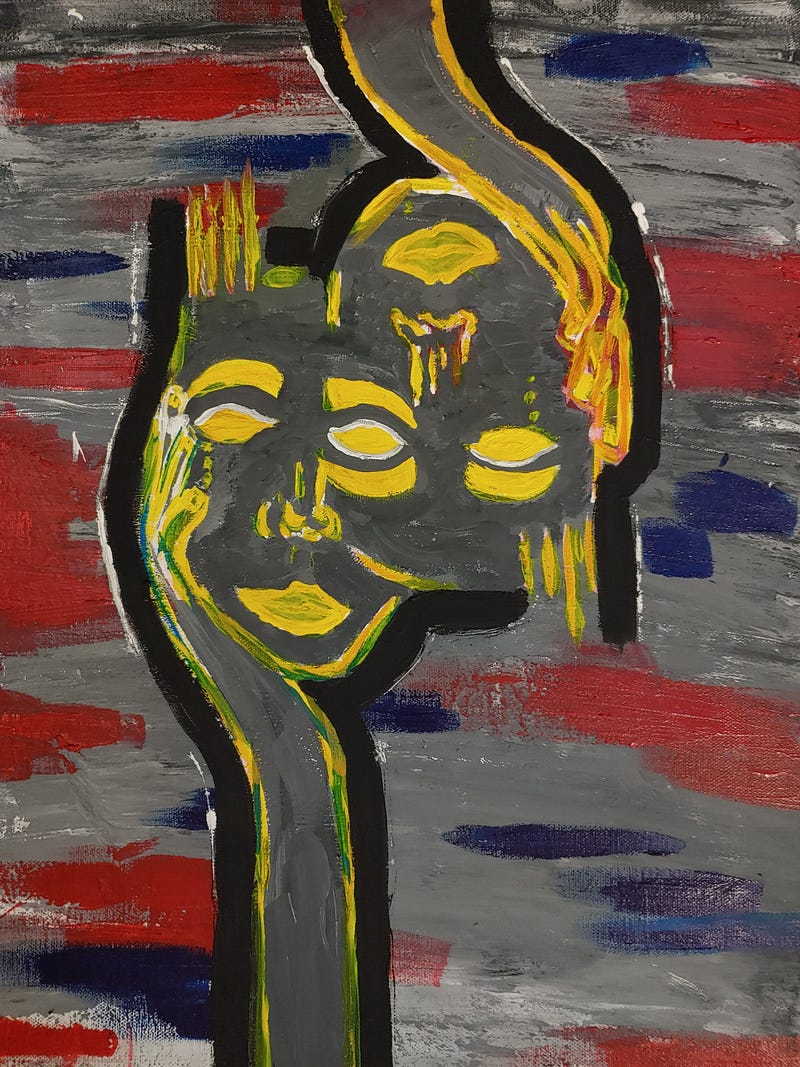
What is addiction? What has been other people’s experience? If someone would ask people randomly right now what addiction is what they would say? Beth told me she thinks addiction is when the body needs something, it’s the brain signaling that it needs something that the individual cannot live without. Powerful, the brain is telling the person what to do. The individual affected becomes a whole separate person; the brain is in control. It can also be a genetic disease, something that people are were born with. She describes drugs as poison to the body.
Beth also raised this question during our conversation: “Does someone know that they have a problem if they are addicted to something?”
She describes her drinking coffee and having chocolate. Is that an addiction? Do people know when they cross the line? I define crossing the line when an individual causes harm to themselves or others.
Having conversation with Sheila who has been working in nutrition. She said addiction is when people have an overwhelming need for something and are willing to do things that are not good for them, and it affects their social life, work life, or health. In any case, it is a negative effect for the individual. Sheila has been dealing with nicotine and sugar addiction in her life. She has now been nicotine free for 20 years, it has taken her many tries throughout the previous 20 years to stop smoking. Her husband is still trying to quit, and he has not been able to do so. Now she even hates the smell. She explained that smoking was extremely difficult to quit, and the motivation for her were her children. I am not here to talk about the professional definitions, anybody can look that up on the internet or in the dictionary. What does addiction mean to the person who is an addict? What does it mean to society? What does it mean to people whose life been touched by addiction or they know somebody who has addiction? It is a way different way to see someone in the street and say oh this is just a drunk; than having a father, mother or sister, brother, friend, grandparents; children suffer from alcoholism or any type of substance or drug addiction. There are of course many substances that are available for abuse today starting with food, cigarettes, vaping, different energy drinks and soda pops, alcohol, drugs including heroin, cocaine, methamphetamine, drugs used in anesthesia and that were banned, drugs that people can buy on the internet with a click of a button and many more coming in all forms types, sizes and shapes.
Edward works in a small rural community. He is passionate about helping others and making his community healthier. Talking to Edward he also mentioned that there are many different addictions, it is a broad topic, it goes beyond alcohol and opioids and some addictions might appear to be positive like running, sex, working, food, coffee, carbs, chocolate. It is a different level and continuum, but these addictions function in a similar fashion in the brain and it is important to have a discussion about it.
Substances can be abused in different ways, can be smoked, inhaled, snorted, injected, taped to the skin like Fentanyl, taken orally, rectally. Probably there are other ways too. Pills including prescribed opiates and benzodiazepines are easy just to pop in (as I have heard many times) or crush up and hard to keep count how many someone had taken when they are suffering from the disease of addiction. A pill might feel like all the pain in the world will go away. Then addiction kicks in and people just want one more and one more and one more. This is even harder when the medication is prescribed and the person thinks it is OK just to take one more, soon it will be more than just one extra pill. It will become two, three than even more, then prescriptions start to run out. Then what will happen, the doctor might or might not prescribe more so what the person will do when they are in pain and in distress and believe that need their medicine? They will do whatever means necessary to numb their pain. They will ask friends, buy off the streets. I was told by many people, the pills become too expensive and heroin or other substances are cheaper and the cycle begins. If this is all someone knows to numb the pain so of course the brain would say just take one more the pain will be better. They think that they will be happier. They will fall asleep, and do not feel what is going on in their life. Pain of living, any kind and anxiety, previous trauma, difficulty fitting in, mental health problems, stress can feel real. People who are trapped might not know that they are in a terrible cycle? Do they realize what is going on with them even if others tell them? Maybe they will, or maybe they will not, it is not easy to admit even if something is wrong. It is much easier to turn away and say: I am just fine. I just need my medicine to feel better. It is the person’s truth even if others think they could deal with their pain in another way it is not their truth. It is very easy to say well why don’t they do this or that.
Every day we can see the young and the old throwing their lives away deep into addiction. The shadows on the street that people do not want to see. They are there even if people pretend not to look. They are lost. All we can hope for that is we can touch their hearts and minds in some way that will give a drop of knowledge, hope for a future for them. Why should someone care? Should we just walk away? Should we show mercy? Can we just keep ignoring what is going on in our society? Can we ignore the pain? People sinking into the mud of addiction. What would they need to get out?
Mary is a passionate provider. She described her older brother to me as someone who has tried every drug there is to try. She was not sure if she would call him someone who is dealing with addiction. Mary also talked about a position where she provided direct service to people who dealt with addictions related to drugs and alcohol. Her clients were using substances to try to survive harsh living conditions. Something that had happened to them, living in a car, living with an abusive partner, or family member. Using substances become a tool to help them cope and mask the pain they endure. After a while this tool created more suffering and by then it is very hard to let go of the tool, the addictive behavior. People wanted to stop but were also scared of what they have to face once they stop. What is their trauma that they have to face on the other side? Many people Mary worked with were kind of stuck, so if somebody who is been drinking now let’s say about 45 years old living in his car and tries to stop, have nobody to help or support, they are scared, what will happen when they stop. Their life will not just miraculously turn around. Mary felt many people felt pointless to stop they felt no hope for a normal life like having a job, having a house, it was out of their reach; so, then what is the point. People going through something like this feel absolutely alone and hopeless. They are already in pain, either before the addiction or now because of things they had done since they started using substances. Lack of hope.
Mary also tells me that she feels like addiction is a tool that people might start to use. Nobody thinks that they might start to use a tool then not be able to put it down. A tool to soothe the nervous system that has been hurt. Her analogy very interesting and thought provoking. People use this tool to try to navigate a difficult world when they have no access to other tools or skills. Lack of family support, lack of social support can create this when people are just trying to figure out how to be in this world. In the beginning Mary explained drugs and alcohol do make people feel more social, more confident, then addiction happens through the neuro-biological process. Then the process is being reinforced. Our brain is very complex as there are certain chemicals that play a role called dopamine, serotonin, natural opiates; these chemicals influence addiction, makes the choice to stop very difficult. Mary feels that people are being kept in a loop that different systems put around them.
Addiction hurts a lot of people. I met a lot of people whose life was touched by the darkness of addiction. Even if they don’t have someone in their family or friends, they hear about it, see it on the streets, and sooner or later they will know someone who went through addiction or currently dealing with it. There are many wonderful people out there who had been dealing with addiction or in the road to recovery. Addiction is a horrible disease affecting millions and billions of people around our globe. Addiction is everywhere. Our society is set up in a way that people in all of the classes are affected; even middle class and higher who have food on the table can become anxious and depressed over things; life is too much to handle for them at the specific time, or they just want to have fun. Prescription drugs don’t help either. Many people become addicted after acute or chronic illness. It can be anyone at any time. People see medications around them for example in the advertisements, movies, shows, the neighbor’s house. Some people want bigger and better even if they do not need bigger and better. There have been research studies that concluded more money and more things will not make people to be a happier person. Lack of community and support, seeking acceptance creates a major missing component in people’s lives creating the anxiety and depression that moves them toward substance abuse. Many times, addiction can also be coupled with mental health problems where people self-medicate because they cannot get mental health care, or the side effects of the medications are intolerable to them. It does not help when the doctors start to prescribe benzodiazepines for anxious patients in the long term. Addiction touches many lives and as many of my patients told me opiates are making them feel good. Everyone wants to feel good. There is no harm in the beginning. Many people just feel good, still have jobs, have their family, house it is all good. But then of course those things will be lost if addiction continues. It is a lifelong journey, many had been down that road it is hard to come back, hard to resist and it is an everyday struggle.
Sheila describes addiction as an illness. Seeking happiness and acceptance and the fear of not being accepted by others creates a loop in many people’s lives. Imagine it like a missing link that people will try to fill with whatever they can to feel better. It might not start that way in the beginning, but then pills and drinks will get out of control in time. Many people recognize that they do not want to take the pills, drugs or alcohol anymore, but also do not know how to stop. The brain is very powerful, once it knows what makes it feel good, it wants and wants more even if it causes distraction for the individual. No matter the cost. Craves and wants more and more frequently. Different social classes have anxiety and acceptance issues about different things, but anyone can end up with addiction. What could help? Every person is different and what motivates them could be different too. Additionally, social support to decrease social anxiety can be helpful; working on creating supportive communities, prevention, coping skills from a very early age. Environments where social connections are without substances at all levels of the social spectrum; and decrease the self-thought negative feelings could help decrease anxiety and fear in people thus decreasing the chance for addiction.
There are many questions relating addiction. Everybody’s truth can be different. People might agree or disagree and that is fine. Why is addiction important? Why should we care? Why do people do what they do? Why do people who use substances hurt people? They are just homeless bums, aren’t they? I heard this and similar comments so many times. Why don’t people who deal with addiction appreciate life? How can they just throw away everything? Why do they hurt the people who love them? They don’t want help; they just want to have fun. They go out and use the drugs don’t care about anybody and anything. Are addicts as happy and careless people? Are drugs worth throwing their life away? Do they want to die? Why don’t they know any better? Are people who use drugs, or any substances any happier? Not what I have seen, not what I have heard. People dealing with addiction have moments of happiness the same way we all have moments of happiness. All of us want to be happy. Being someone who is using substances is not fun at all. People can only think this is fun if they are a crazy careless human being who have no idea what they are talking about. Some people are and blinded by their own misperceptions and stupid interpretations of what addiction is. I have watched hundreds to thousands of people in the streets and patients in the hospital, in treatment, in clinics, in the community who struggle with addiction. Can people really think they can step into their shoes and know what is going on in their head? All of us are different. Can someone really know the entire trauma a person suffered? It is a true catastrophe; when someone’s mind is being taken over by a substance so that they don’t have a free will of self anymore. Imagine: Having a fight continuously between conscious life and unconsciousness. A struggle between the one place that should fight for someone; their brain turning against them and telling them that all they need is some more drugs to feel better. Sounds like so much fun and happiness. Addiction is a constant fight to survive and say no or yes for every day, from hour to hour, minute by minute for the rest of someone’s life.
Only the person affected by addiction really knows their own horror and what they are going through in their disease process.
Why would anyone really want to be an addict? It is not a choice, it happens, then people get stuck in a terrible cycle and cannot get out. Does anyone wake up in the morning and say OK I want to be an addict now. This is my life goal. Does a child who had an addicted mother, father, aunt or a friend who started them on drugs or alcohol from conception in the womb or at age 5, 8 or 10 or 13 really have any choice? Yet, people judge, when they have no idea. How can someone look at a child who now become an adult suffering in the terrible cycle and tell them “well they are just an addict, they don’t care; they are nothing”? How would they know any other life? If this has been their life since they can remember? Anybody who have not touched by addiction is privileged. People have no idea how lucky they are if they don’t have any addiction problems. The people who are struggling with this disease are sick and need our help every day every hour every minute or they can and will die without support, love and caring. Many people have no choice and struggle every day, and many have no one to love of care for them. It is easy to move away and think this is someone else’s problem. We live in this society together; addiction is everyone’s problem. Please be kind. Think about the story behind the person. Help. Should anybody die just because they are trapped in a terrible disease? Is that justified? Is that fair? People could say: Why should we care? Society should care. Governments should care. Friends and family should care. The world should care. What can we do to stop this cycle?
Talking to Mary she described to me that while most of her family had dealt with addictions from drugs to alcohol and she grew up in it and even tried some things, she never got caught up in the drugs. She just felt it was a waste of her time. Makes me wonder why some people are more susceptible to addiction then others. I was never drawn into drinking or trying anything that might alter my perception, the thought that I don’t act like myself is scary to me. I have seen many people caught up in addiction, and they had no idea what they were talking about the previous day when they were under the influence of substances of drugs or alcohol.
Edward was telling me that he is lucky in a way that there is no addiction in his immediate family or friends, some of his distant family he knows have had a problem with alcohol but does not know intimate details about the issue. He hears a lot about addiction at work but does not directly work with addiction. He hears a lot about the opioid crisis, that is a public health issue and needs to be addressed. Edward defines addiction when the physical body takes over the mental body overpowers it to become satisfied with whatever chemical it happens to be. There is very little control after that because it is more of the bodily or physical response then emotional or mental control. Had a discussion about this with Edward, he is thinking about the brain that is cognitive and logical. The brain that is usually in control, but not this time. Not during addiction. The brain gets hijacked when using drugs. Edward feels that some people have greater propensity to addiction then others, we also had a discussion about who is responsible to support the individual once the addiction took over. If the brain is hijacked, then is it really the individual’s responsibility to try to get help? Would they even be able too?
Addiction can strike in many different ways, losing finances can be one consequence. Dr. Tedd Levin who has been a physician in family medicine was telling me a story about 2 people who spent $ 50,000 a year to support their cocaine addiction, and lost everything they had, including their home. He also describes a lot of overlap between mental illness and addiction. He had a lot of experience working with youth. Working as a center physician for Job Corps youth for 17 years he has seen lots of young people between 16–25 years old who have been in multiple rehabs for treatment of addiction, and multiple psychiatric hospitalizations. He describes that it is difficult to figure out if it is a drug induced psychosis or a primary mental illness that the patient is going through such as schizophrenia or bipolar disorder. Dr. Tedd Levin feels that all type of addictions are very tough to treat. We had a conversation about smoking and how smoking has been declining, but now a new thing coming up like vaping. There is always something new comes up. We discussed obesity and the consequences related to obesity. Addictions are tough no matter what the choice is alcohol, drugs, smoking or food.
Detachment. This is what Angel told me during our conversation. Addiction caused detachment in her family from both of her brothers. Even though now they are doing better the relationship was estranged because of addiction. The hardest part she said was watching her parents going through self-questioning what went wrong. They raised 4 children all the same way, two got touched by addiction the other two did not. She describes a nephew who is in prison right now for armed robbery because of a drug deal. He is 23 years old. Angel feels that she as many others feel that jail in not necessarily a bad thing because at least their loved ones are safe and not using. During our conversation I asked Angel what she thinks addiction is. She laughed. Not sure why but we both busted out laughing. Maybe because our conversation has been hard, and we just needed a laugh so we can go on. She said that this is so hard. It is so complex. She describes herself as a person who believes in moderation. She believes in a Bell-curve from biology, to be in the middle. She would enjoy a piece of cake but would not eat the whole thing. Addiction she notes slips into the extreme to either end either completely denying something or overindulging to cover something else up. Addiction is when alcohol, drugs, games, social media, eating, whatever it is, when that becomes the center point of someone’s life and their decisions are made based on those things; that she felt is the moment when people get into those extremes. Angel described that when anything becomes the focal point of someone’s life it becomes unhealthy even if it is their job. I asked Paige what addiction means for her. She said she thinks it is something someone cannot live without.
Jason works at a police department. He had a lot of experience in his personal and professional life when it comes to addiction. He talked about his mom using alcohol and prescription drugs when he was growing up. He describes addiction as something that had killed his mother from inside out. He remembers her as a wonderful mother. It was difficult for the family, they worried about her. She had suicidal tendencies and Jason taking turns with his 4 other siblings took care of her. Jason thinks that seeing his mother dealing with addiction is what made him become a police officer. He feels that because of his personal experience he can understand and comprehend what the people with addiction and their families are going through. His mom passed away 15 years ago while in treatment due to a heart attack. She was 63 years old. Jason describes addiction as a sickness that can affect anybody. It can control someone’s life and take over how they act. Including anger, stealing, lying that comes with feeding the habit of addiction. Jason recalls going to the doctor appointment with his mother and she would ask for more pain medication when she did not really need it. Kayla describes addiction as a lack of having something. Unhealthy series of behaviors. Getting to a certain point where someone is going to an extreme to find a certain feeling, mentality of physical state. Willing to do anything to get there.
Addiction can be different for everyone. Rory who is currently works as a counselor and has his own practice went through different types of addictions himself. He describes it as being a person who was addicted to things on and off would use something, then become sober then use something else. He mostly used stimulants; he describes stimulants as something that was always very appealing to him. He had three DUI (Driving under the influence of drugs or alcohol) as a consequence of using. Although he had friends that AA worked well for, he did not believe God and a higher power and rejected the idea of going to AA meetings. Rory defines addiction as a surrender of control. Something that is foundational caused by trauma. He tells me a story about this. He was sexually molested when he was 8 years old by a 13-year-old boy. He did not understand at that time what was going on, neither did he feel ashamed. It was years later he understood how that was not appropriate. He was more afraid of what his mother would think that he is trying to fool around with an older boy. He still remembers his name. He wonders what his story was. He did not really understand what was going on and he was disappointed that this boy did not want to be his friend anymore after that incident. Rory also describes another story when he was 6 years old and his uncle came to live with them. His uncle was promoting sexual behavior among the neighborhood boys at a local fort. His uncle got into trouble for this before that is why he had to move away from his grandmother’s house. Rory was exposed to a lot of sexual behaviors from a very early age. He describes that this exposure and amphetamines felt good. Felt better than the shame he felt growing up in a fundamentalist tradition as he describes that told him he will go to hell. He felt there was no hope. He felt that there was no hope since he was 8 years old. Then he said why not party if there is no hope anyway. Loss of control.
Tracy describes addiction as when something else takes over. It takes over the mind, and the body. An addict can’t stop, no matter what. Can’t go anywhere else. People can be addicted to a lot of different things. She feels like we all probably have some kind of addiction. She describes her teens as playing video games, or with cell phones. Addiction just takes over; it changes who the person is. It takes people down on a negative path. Diana describes addiction as the inability to accept and act on life in a good and productive way, so people find another way to get through the day or a week and they turn to what seems the easiest. Then they are hooked, and it turns out not to be the easiest. Just trying to deal with daily lives does not work. Then people try to find something that they think will help them. No matter what others say that this isn’t good, they will not listen and just follow what they know to feel good. She feels that the tendency it is in families. She worries about her grand kids because of this, hoping they don’t fall into any addictive behaviors in the future. Chloe describes addiction as a compulsive need to do something over and over again. No strength to stop even if willingness is there. Michelle tells me that in addiction the body’s needs for the chemical that is now being created. (by using whatever the person is using at the time) A force that is created that impacts what people do and the decisions they make. Addiction takes over that people don’t have control over their life anymore.
Ron talks about addiction in the little town he lives in now and asserts that for such a small rural touristy town there is a lot of addiction that can be found here. Ron works as a nurse at a clinic. He has never seen a small town with so many heroin and meth users. He supports marijuana use. He saw a lot of opiate addiction. It keeps surprising him how much is going on in a small town. He has a lot of friends from south Florida who used meth, cocaine and alcohol. He talks about a guy he lived with that he knew for decades. They were social friends. They ended up moving in together for a while. Everything was great for a while, then his friend started to get into the meth crowd. It was very popular then. This was around 2008–2009. Things started to go very “wonky”. As time went by and his friend was doing more clubbing and using meth, he started to do very weird things. He started to get paranoid. He thought people are watching him and getting signals through the appliances in the house and the neighbor next door is one of “them”. (whoever they are). Consequently, Ron said he found a way to get into the wall space between the two condos and he would spy on the neighbor. The neighbor could hear him walking in the space between the condos. One day he took the electric pencil sharpener apart and was showing Ron proof that “they” came into the house and reconfigured the electronics of the pencil sharpener. He was showing Ron how they are transmitting signals through it. Ron told him it looks like a pencil sharpener that was taken apart. He would get very frustrated with Ron because Ron did not see what he saw. His friends did not see it. He slowly thought his friends were watching him and doing things because they did not play along in his fantasy. It became more and more bizarre and less rational and stable; he began to have financial problems because he spent money on meth but not paying bills. Ron came home one day, and his friend handed him a battery charger that was Ron’s; it was wet. Ron asked why is it wet? His friend said he had to throw it into the toilet, it was the only way they would stop sending signals. Ron was like, oh, this is bad. All this happened in south Florida where air conditioning is essential. It is hot and humid. Ron thought “we are on a roller-coaster now”. He would come home and find his friend covering up the windows and doors with black tarp and plastic taped on. His friend thought that “they are” in the parking lot watching him. It was dark in the apartment. Ron, at this point started to plan to escape. Ron was one of the last one’s he was not one of them yet. The circle of friends was getting smaller and now the inner circle of friends was even getting smaller. He was at the deep end. The friends tried interventions, but it did not work. He elected to keep doing meth. One-night Ron’s date was afraid to stay over, because his friend was getting very weird. Ron was planning to move out as soon as he could. At night Ron when was sleeping his friend barged in woke him up and asked him who he was talking to. Ron said he was sleeping. He insisted Ron was talking to somebody. He told Ron: “I know that you are talking to them now”. At that point Ron become one of them, he was fearing for his safety. He came home the next day, and his key wouldn’t open the door. His friend locked him out and told him he cannot come back there anymore. He allowed him to come back on Saturday between 9–11 to get his stuff. Ron was actually glad to be out of there. This event made him move sooner than later. He went from a very good friend to a mentally disturbed person. His friend ended up selling the condo. He moved away and eventually got into rehab and got sober. Ron said we will always be fine. He had not heard from his friend now for about 7–8 years. He was one of those people who got wrapped up in this destroying lifestyle. Ron witnessed this transformation from someone normal with a lot of friends and being popular to this “monster”. It was very sad. His friend took the refrigerator and the oven apart, took the air conditioner apart. Ron would tell others these stories and it sounded fictional, but it was not. He would go home and there was no air conditioning. Ron was glad he did not become one of “them” until the end. Ron was telling me a lot of people were dying at this time in South Florida from using meth, overdosing, committing suicide. Ron would talk to other people who confirmed what was common in meth use: voices in the walls, signals from appliances. Ron calls this story: “My roommate from hell”. He can laugh about it now, it was sad, but also funny, the things he did was crazy, sad and funny at the same time. The recovery was very hard for his friend from being a meth addict to become a normal person again. It cost a lot of money. All his resources went to getting sober. He got so caught up in the addiction that he did not realize what was going on. He got into it because of the social community around him. It was a party scene town especially in the gay community. Coming from non-acceptance in family or the community. That group become a chemical community, sense of belonging, become a social activity that sucked people in. Ron felt that people got really wrapped up in the party drugs and sex. Sex was a big focus too.
Ron describes addiction as comfort food. It is a way for people to interact, belong, be supported. He compares escape to a peanut butter and jelly sandwich at night. I asked him what is the escape from? He said: pressures, sanity, responsibility. It is easier for people he saw to be a meth using sex addict then to be a responsible person in the real world. Joel describes addiction as beyond needing something to get by, losing control over a thought process where a person cannot make another choice besides to follow the addiction what they are driven by. Something that would create a detriment and exclusion of other things. Inability to think rationally about something.
Joel came to visit me in a nice sunny afternoon. She is a care provider. We had a discussion on wine, she describes not drinking much before she met her husband. Now, they have a bottle of wine every few days, that is his lifestyle she said. She does a check in with herself about this especially with the history of her family. It is a fear she has; she does not want to tip over to the addiction side. So, what is that mean? We talked about could she and he stop if they wanted too? Can they go a weekend without drinking wine? She is trying to self-evaluate what is this means for her. Is it a need to have it for things to function she asks? She talks about replacing it with something else maybe going to the gym in the morning instead and going to bed early. She feels like if someone stops doing something, they need to replace it with something else. Where is the point of no return? Having a glass of wine with dinner is OK Joel feels. We talked about food, bread and cheese, Joel was off of bread for a year, now she has some, she said she was strong then not as much now and she don’t fit the clothes she wore last year. We talked about if we want to, can we stay off of it? Can we say no to bread for a week or longer? Do we absolutely have to have it, or can we survive without it?
Janett feels like addiction is habitually doing something that is bad for the person. Physically, emotionally and/or also bad for our relationships with other people. This is the gauge Janett uses like with her aunt. It is affecting her health and relationships. It is an addiction. If people do too much of something sometimes it does not necessarily mean it is an addiction. If it is affecting our life and relationship with other people and they are continuing to do it then it is obviously out of control Janett asserts. She laughs and said any sane person would stop doing it if it affects those things.
Talking to Bernadette, she describes a lot of addiction in her family. She had been dealing with addiction in her whole life. Both of her parents were dealing with addiction, lots of family members including her brother. Her father had been drinking a lot, he developed cirrhosis of the liver, he started to develop ascites in his abdomen and turned yellow, so he had to stop drinking or he would have died. He gave up alcohol, but smokes pot. He might do other things; Bernadette was not sure. Her mom was a binge drinker and smoker, become an alcoholic when she was about high school age, her mom was in her 30’s. Bernadette’s mom also smoked for 40 years, she started smoking in her teens. Her mom developed COPD (Chronic Obstructive Pulmonary Disease) had to be on oxygen all the time, when this happened, she stopped smoking and drinking. Later she developed lung and brain cancer. Bernadette recalls that drinking first was fun for her mother but not for long, alcohol stopped working and she became “pathetic” and hated herself, she had a lot of self-loathing. She would fall down drunk. This made Bernadette feel very sad, she just wanted her mom not to do this to herself and not to hate herself. Bernadette was angry and mad at her mom in the beginning, then she accepted that if her mom wants to drink and smoke and that is how she wants to die, it is her choice. At that point she would get mad when her mom was lying or manipulating. Her mom would say she is not smoking then stuff cigarette buds down the toilet and clog the toilet. Bernadette calls this a very teenage behavior. She really wanted her mom not to hide what was going on and not lie. Her mom would not show up and lie that she had pneumonia when she was hung over. She would say she was sick when she was not. She just wanted her mom to be honest and not lie to her. Talking about it is still upsetting for Bernadette, I can hear it in her voice. She also spent the majority of her career working with people who were addicted to substances, she has been severely affected by addiction. Her brother is deep into addiction, so she lost contact with him for a while. Last year they had to connect because their mother was dying of brain cancer. This was the fourth time. This is when she learned that her brother drank his way through the marriage he had, he is been a binge drinker and was hiding it. He was a youth pastor at a Baptist college. He was living a double life. He was verbally and emotionally abusive to Bernadette when their mom was dying. She did not know her brother was capable of the things he did. He was abusive and accusative in person, in e-mails, in texts. He was telling lies and doing bizarre things like attacking his sister. She describes him as having a cocky personality coupled with being super religiousness. Bernadette had been in Al-Anon for 23 years dealing with the addiction her parents had and from previous relationships. She had relationships with people who were active alcoholics. Because of her experience in Al-Anon she was able to figure out her brother’s behavior pretty quickly when it was happening. The behavior got really bad, she had to block him on her phone and social media. This made Bernadette feel pretty alone, it was just him and her left from the family. At her work Bernadette saw families having a hard time with their loved ones dealing with addiction. She saw sadness, hopelessness, sadness. In an education setting she saw students trying to get better. Other students who use substances stop coming to class. A good motivation she saw for college students to get sober is just wanting to be better parents for their kids, or finally just decided to address their lives to get better. Bernadette tells me about her parents, they are from a small town. She tells me that many times in small towns kids just drink, because there is not much else to do, she lives in a small rural community now too, and people drink a lot. Lots of people she knows whom her parents age would drink themselves to death. Lack of opportunity. She describes addiction as the inability to quit. If someone is an alcoholic it is a first drink that gets them drunk.
Chelsea is an inspirational and caring person. She describes addiction as any type of behavior that is done in excess. It is causing distraction in someone’s life or causing bad outcomes. Albert feels addiction is hopelessness mostly, numbness. It seems to Albert that a lot of people he talked to after they are clean for 2–3 months, they are surprised about all the feelings they are having. Albert feels they buried their feelings before to mask things. He sees a lot of people coming back after 2–3 months and saying they could not handle all the feelings and other stuff they were dealing with so now they are in trouble again, back in the system. I asked Albert why they could not handle it what had happened, do they tell him? He tells me sometimes people get overwhelmed, coming out of numbness now they have to deal with recovery and learn how to function in society again. It is hard. If someone is not used to that and are out of it for a while and now have to do it again people get overwhelmed and slip back sometime. Albert also tells me that he believes that there are some people out there using drugs for just fun, but it is also really easy to spiral down from that when things go bad. Era describes addiction as a habit combined with emptiness or something that is missing from inside, something that is lacking in someone’s life and turns into habit. She describes addiction as a branch on the tree. A person might think they can pull themselves up, they can’t. They get into deeper and deeper every day. One day the branch breaks and they can lose everything financially, spiritually. They lose their family.
Dr. Frazier Beatty describes addiction as a loophole state, or a chronic disease. He tells me that we cannot look at someone and tell that they have diabetes. He feels that addiction is one of those things that had been missed, misdiagnosed neurologically or in the brain. He feels like the tendency to addiction is to fill that void that is missing in the person. He was not sure. He definitely felt that addiction is more of a disease, that gets misdiagnosed or misdescribed because he does not think it is a chemical that causes a problem but a neurological issue. He describes to me people feeling a certain way about themselves then using a drug to numb the pain. Dr. Beatty describes that he met people who had a lot of mental health problems that caused shame, and a lot of people use substances to make them feel better. It can also be a reckless sexual behavior as well, that could be someone’s drug he adds. Brenda tells me she sees addiction as a behavior that becomes prominent in a person’s life. The person gets some type of benefit from the addiction. It might not be positive, but a benefit regardless. The benefit can be a “high”, dealing with anxiety, it becomes encompassing in their life where to be able to get whatever they are addicted to them, they are willing to make poor choices that affect relationships and their own lifestyle.
Susan describes addiction when someone is not able to enjoy life the way it is, hide from something. She feels that people get so into it that they can’t see that that is why they are doing it. Then they can’t remember what life is without substances. They just keep falling more into it. Susan had a little uncertainty about how to describe addiction. Dolores feels addiction is an unhealthy reliance on substances to get a person through the day. She tells me that the unhealthy part is the issue, it affects people’s life in a negative way. Dolores tells me about chemical reactions in the brain that occur when someone take any addictive substances. The brain will continue to promote to keep taking those substances and do those activities. She mostly thinks about addictions as drug and alcohol.
Sitting on the porch with a nice August afternoon I have a conversation with Bob. He tells me he has seen changes of behavior of co-workers and people around him when they drink or use other substances. I ask him what the changes were that he noticed. He noticed agitation, shorter attention span or just being short with other people. He tells me that can be frustrating in a workplace. He feels peer pressure can be a big thing, something people do in a group in bars, parties, he feels it is pretty en-grained. I ask him how he feels about that. He said it is too bad that it is the way it is. I ask Bob what addiction means to him based on his experiences. He thinks about it a bit. Then he tells me doing something that is a mistake that people know it is a mistake, yet the person still is having some compulsion to keep doing it again. He tells me it even can be a good thing, just if it is done excessively. I ask him what he means. He gives me some examples. He tells me we need carbs to survive but too much can lead to obesity or diabetes. He talks about general addiction to sugary things. We take a moment to acknowledge that this can be very hard in our society today. It can be anything he said. He knows some people who are dealing with addiction. He could tell from people’s behavior. He feels that they are in a loop. Bob also tells me that people might be using drugs and substances to cover up deep trauma and pain. Interestingly when I ask Bob why he thinks people would use substances to cover up things, he tells me he imagines it being more exciting than being at home and taking a pill. People are able to go out and party or hang out with friends. More sociable, more enjoyable especially if someone is depressed. We discuss coping skills. He also feels like that some people are using drugs and drinking because all this had been done through generations and that is the coping they know.
Previous chapter
Our Society: Addiction and More Uncovered. Hear the voices of everyday people — collection of stories and experiences.
Dancing Elephants Press
Copyright @ 2020. 1st addition on Amazon KDP.
2nd addition Jan 2021 Barnes & Noble
This book is dedicated to the memory of
Bagóczky József my uncle who died at age 19 — alcohol-related car accident
and to everyone else who has been hurt or lost related to addiction
Many people had been supportive and inspiring to me so I could create this book. Both of my wonderful children told me, just write that book, mom. My mom. I could have not done this without all the stories provided and the encouragement love and caring from my family and friends, nurses, doctors, counselors, teachers, professors, friends who are dealing with addiction and staying sober; and children, wives, husbands, mothers, fathers, sisters, brothers of people who are dealing with addiction currently. Thank you for speaking up, sharing your stories and life experiences. Thank you for all the people who read this book while in progress to provide feedback, ideas, and encouragement for me to continue writing. I would like to say special thanks to my friends and family for believing me and encouraging me to go on.
If you like my writings, please follow me here
Subscribe to the Medium platform here
If you like to support, my work you can buy me a coffee here
My Books are available on Amazon here and on Barnes and Nobles here