avatarDark Energy Articles

Free AI web copilot to create summaries, insights and extended knowledge, download it at here

3847

Abstract

atherings. During these events, Australia’s indigenous people would tell each other stories through song, music and dance. In this way, they cultivated their traditions and remembered their past.</p><figure id="2a1e"><img src="https://cdn-images-1.readmedium.com/v2/resize:fit:800/1*Lzv-vBBtgYXkkGyY9SfaMQ.jpeg"><figcaption>[Photo by Ave Calvar Martinez from <a href="https://www.pexels.com/photo/old-stone-hut-located-on-snowy-mountainous-terrain-3870298/">Pexels</a>]</figcaption></figure><h1 id="d888">Where do Aborigines live?</h1><p id="06c0">Today, the Aboriginal community is estimated at <b>745,000 people</b>. This means that they make up about 2.8% of Australia’s total population of 26.5 million. They mainly inhabit the sparsely populated and barren areas of Western Australia, Queensland and the Northern Territory. The continent’s numerous aboriginal population also lives in impoverished suburbs in major Australian cities.</p><p id="a3bc">Aborigines who live in the northern and central parts of the continent retain a native language, knowledge of mythology. They also cultivate some traditional rituals and elements of the old social order, which are the heritage of their ancestors. Until the mid-20th century, the method of forced assimilation was applied to Aborigines. However, this draconian law caused states of depression and the extinction of entire tribes.</p><figure id="fcc8"><img src="https://cdn-images-1.readmedium.com/v2/resize:fit:800/1*yNkEkpbuoGNiefSePrTFaQ.jpeg"><figcaption>[Photo by Richy Dannielz from <a href="https://www.pexels.com/photo/man-with-traditional-tribal-body-painting-and-arrow-9078310/">Pexels</a>]</figcaption></figure><h1 id="a82b">Aboriginal problems in Australia</h1><p id="310b">It is believed that when James Cook arrived in Australia in 1770, there were 500–600 Aboriginal tribes who spoke more than 500 languages. Each group had its own unique name, culture, beliefs and traditions, and ruled a specific territory. Unfortunately, with the arrival of colonizers, the Aborigines met an extremely sad fate. Bullying, beatings, persecution and even murder and extermination of the indigenous population were very common.</p><p id="d802">Tribes were forced out of fertile areas. Over time, the population drastically decreased, and the culture slowly faded into oblivion. Fortunately, thanks to the right organizations, it has survived to this day.</p><p id="c79a">In the 1930s, an Aboriginal political movement emerged. Its goal was to regain tribal territories. It was not until 1992 that the Supreme Court in the Australian capital recognized the existence of an indigenous right, or land title. A year later, this right was confirmed by an act of the Federal Parliament.</p><p id="9138">Experts point out that the process of reclaiming land is a new opportunity for Aborigines. It allows tribes to reintegrate groups scattered across the continent. Aborigines have had voting rights since 1984. This means that they can participate in elections like the rest of the Australian population.</p><figure id="24b3"><img src="https://cdn-images-1.readmedium.com/v2/resize:fit:800/1*fnTB8jMx0_xRJ7rjT_0VEQ.jpeg"><figcaption>[Photo: Graham Crumb/Imagicity.com, <a href="https://creativecommons.org/licenses/by-sa/3.0">CC BY-SA 3.0</a>, via <a href="https://commons.wikimedia.org/wiki/File:Didgeridoo_Too_(Imagicity_1066).jpg">Wikimedia Commons</a>]</figcaption></figure><h1 id="cf03">Aborigines — interesting facts</h1><p id="3118">Psychologists at Monash University in Melbourne invited medical students who have to assimilate huge amounts of information while studying to take part in a study. To cope with this, the students use various kinds of mnemonics, that is, ways and tricks to facilitate memorization.</p><p id="a936">The researchers compared two memory techniques — popular memory

Options

palaces, whose tradition dates back to ancient Greece, and the recently described methods of Australian Aborigines.</p><p id="fb48">Australian Aborigines have lived a nomadic lifestyle for most of their history. They passed down traditional legends and songs from generation to generation. Effective ways of memorization were crucial to the survival of this people. <b>It helped them navigate the terrain, search for food or build tribal relationships.</b></p><p id="87f0">Aboriginal ways to remember quickly — like memory palaces — are based on the idea of assigning facts to landscape elements. These ways, however, are further enhanced by stories and narrative, further recalling facts in memory.</p><figure id="af15"><img src="https://cdn-images-1.readmedium.com/v2/resize:fit:800/1*BV9UzI1SydZ0wQbBa4eFVA.jpeg"><figcaption>[Photo by Žaneta Mišutová from <a href="https://www.pexels.com/photo/a-maasai-warrior-17447629/">Pexels</a>]</figcaption></figure><h1 id="7d0d">Unusual Aboriginal skills</h1><blockquote id="e9e4"><p>“One of the major stressors for medical students is the enormous amount of information that must be forged by heart. So we decided to see if alternative and better ways of memorizing data could be mastered,” says Dr. David Reser of Monash University School of Rural Health.</p></blockquote><p id="8a0a">Dr. Reser’s research team gave 76 medical students a list of 20 names of common butterflies to memorize. After some time, the study was repeated with a new list of butterfly names. This time, however, the students were divided into 3 groups.</p><ol><li>The first group received training in memory palace techniques.</li><li>The second group learned Aboriginal memory techniques. ‘</li><li>The third group, as a control group, watched TV.</li></ol><p id="39fa">After 10 and 30 minutes, the researchers checked how many words the students in each group remembered. The results surprised the researchers. Indeed,<b> the researchers found that students using the Aboriginal memorization technique, i.e. narrating and locating items in reference to the university’s surroundings, remembered 3 times more words than before.</b></p><p id="e9b9">Students using the memory palace technique memorized 2 times as many words. The control group, on the other hand, improved by about 50 percent over their pre-test results. Importantly, qualitative analysis showed that students using the Aboriginal technique found it more friendly.</p><div id="4f6c" class="link-block"> <a href="https://readmedium.com/interesting-facts-about-tea-9-surprising-trivia-about-the-worlds-most-popular-drink-2dd829658a50"> <div> <div> <h2>Interesting facts about tea. 9 surprising trivia about the world’s most popular drink</h2> <div><h3>You drink it several times a day and in several ways. And do you know where tea comes from, how it is produced and the…</h3></div> <div><p>medium.com</p></div> </div> <div> <div style="background-image: url(https://miro.readmedium.com/v2/resize:fit:320/1*1hqoIj_gZje259wd_whA1w.jpeg)"></div> </div> </div> </a> </div><p id="41d2"><b>Thank you for reading! If you enjoyed this content, please consider giving it a clap, leaving a donation, or offering a tip to support my work. Your generosity helps me continue creating valuable content.</b></p><figure id="e494"><img src="https://cdn-images-1.readmedium.com/v2/resize:fit:800/1*QCQqlZr6doDP-cszzpaSpw.png"><figcaption><a href="https://www.buymeacoffee.com/oconnel">https://www.buymeacoffee.com/oconnel</a></figcaption></figure><figure id="92a2"><img src="https://cdn-images-1.readmedium.com/v2/resize:fit:800/1*fxkd_sjXknSGRO4TY0S9Mg.png"><figcaption></figcaption></figure></article></body>

Aborigines of Australia. Who are the indigenous people of Australia?

Aborigines are the indigenous people of Australia. Their ancestors arrived on the continent up to 65,000 years ago. According to genetic studies, both Australian Aborigines and Papuans are direct descendants of the people who first left Africa. What else do we know about the first inhabitants of the country with its capital in Canberra?
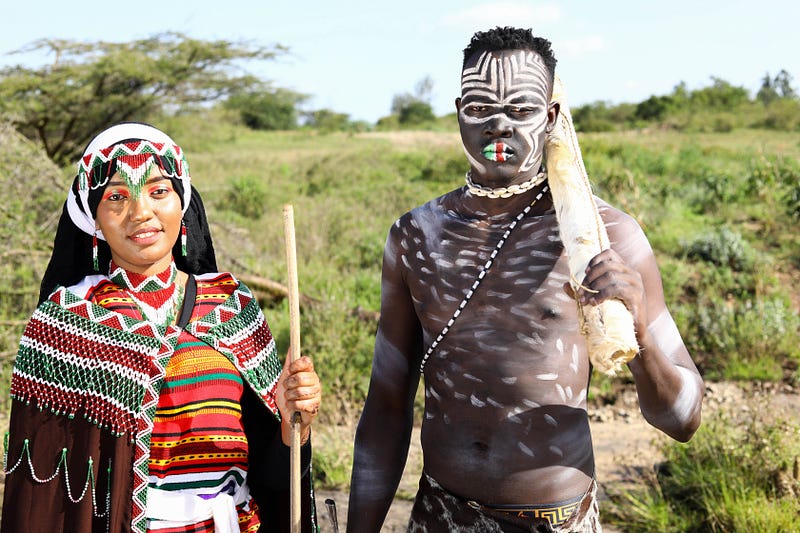
[Photo by Richy Dannielz from Pexels]

Australian Aborigines, or “those who were here from the beginning.” Indeed, Australia’s indigenous people arrived on the continent as early as between 50,000 and 65,000 years ago. Moreover, genetic studies have shown that these people are the direct heirs of the communities that first left Africa.

They have always been nomads. They depended on the surrounding environment for their economy, taking advantage of Australia’s abundant natural resources. They respected nature because they knew it was the source of life.

Who are the Aborigines?

Aborigines were mainly engaged in hunting and gathering. They hunted animals, including kangaroos. They supplemented their meaty diet with whatever they managed to gather, such as wild plants, nuts and berries. They also practiced fishing in regions along the ocean.

Since pottery was poorly developed, many foods were eaten raw and sometimes baked over an open fire. Hunters mainly used spears with stone blades, javelins, and wooden boomerangs, which have become a trademark of Australia.

Aborigines knew no land-based means of transportation or communication and did not build permanent homes. They made basic everyday items from wood and stone. They also worked with bones, shells and plant fibers, from which they created necessary and practical artifacts. They were unfamiliar with working clay and metals. They walked naked and sometimes wore hipbands.

Aborigines have always believed in animism. These tribes believe that all non-human beings, such as animals, plants and other inanimate objects, have a soul.
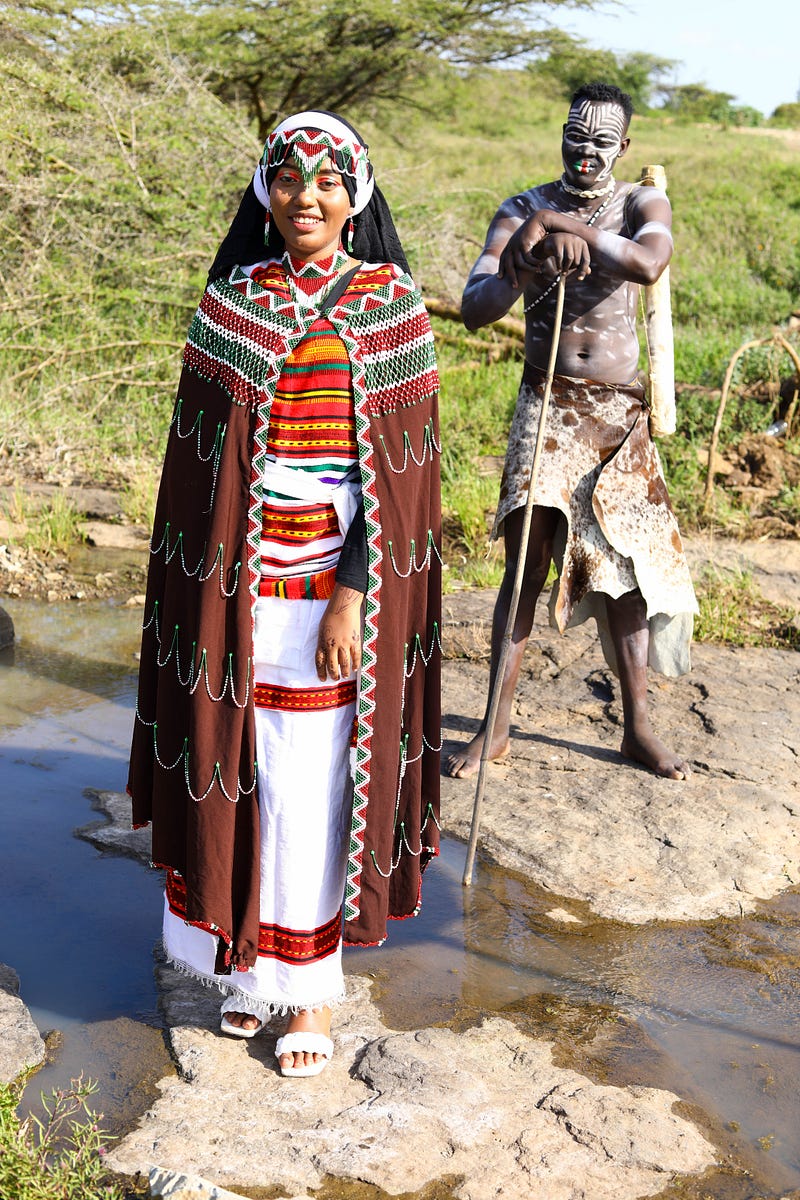
[Photo by Richy Dannielz from Pexels]

Aboriginal culture

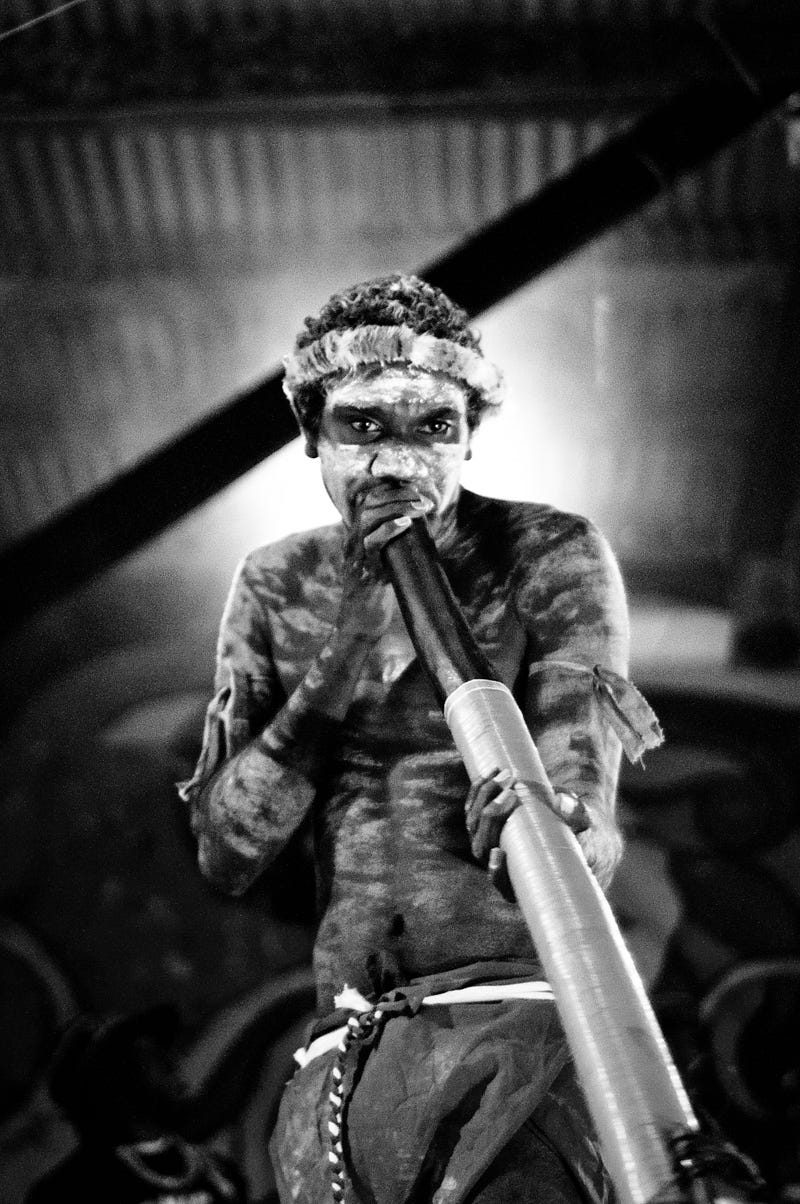
One of the most important symbols of Aboriginal culture is the didgeridoo. It is a wind instrument that is considered one of the oldest musical instruments in the world. Experts say that its traditional method of production has not changed for thousands of years. It is created from tree branches, mainly eucalyptus, eaten by termites. A suitable hole is then drilled into them. The instrument is still used today during important Aboriginal ceremonies.

Didgeridoo player— [Sardaka, CC BY-SA 4.0, via Wikimedia Commons]

The Australian Aborigines passed down their legends and songs from generation to generation. It is believed that their culture survived thanks to corroborees, or special ceremonies that accompanied tribal gatherings. During these events, Australia’s indigenous people would tell each other stories through song, music and dance. In this way, they cultivated their traditions and remembered their past.
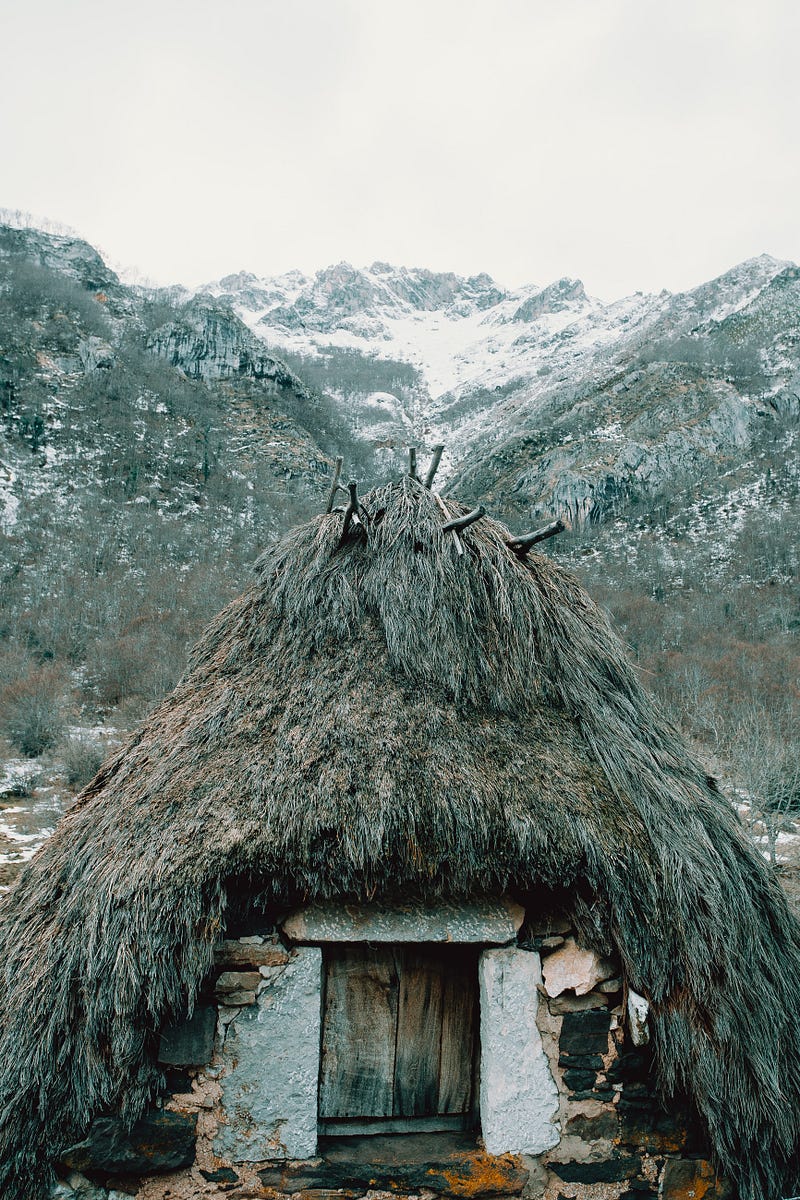
[Photo by Ave Calvar Martinez from Pexels]

Where do Aborigines live?

Today, the Aboriginal community is estimated at 745,000 people. This means that they make up about 2.8% of Australia’s total population of 26.5 million. They mainly inhabit the sparsely populated and barren areas of Western Australia, Queensland and the Northern Territory. The continent’s numerous aboriginal population also lives in impoverished suburbs in major Australian cities.

Aborigines who live in the northern and central parts of the continent retain a native language, knowledge of mythology. They also cultivate some traditional rituals and elements of the old social order, which are the heritage of their ancestors. Until the mid-20th century, the method of forced assimilation was applied to Aborigines. However, this draconian law caused states of depression and the extinction of entire tribes.
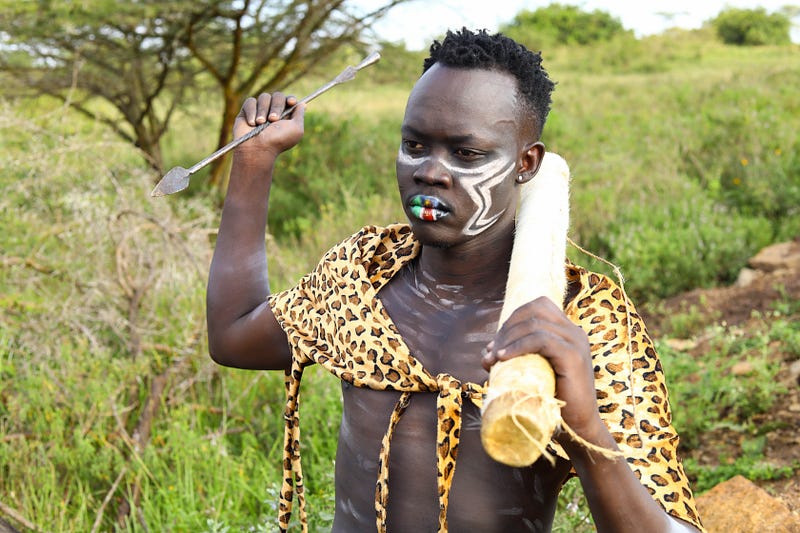
[Photo by Richy Dannielz from Pexels]

Aboriginal problems in Australia

It is believed that when James Cook arrived in Australia in 1770, there were 500–600 Aboriginal tribes who spoke more than 500 languages. Each group had its own unique name, culture, beliefs and traditions, and ruled a specific territory. Unfortunately, with the arrival of colonizers, the Aborigines met an extremely sad fate. Bullying, beatings, persecution and even murder and extermination of the indigenous population were very common.

Tribes were forced out of fertile areas. Over time, the population drastically decreased, and the culture slowly faded into oblivion. Fortunately, thanks to the right organizations, it has survived to this day.

In the 1930s, an Aboriginal political movement emerged. Its goal was to regain tribal territories. It was not until 1992 that the Supreme Court in the Australian capital recognized the existence of an indigenous right, or land title. A year later, this right was confirmed by an act of the Federal Parliament.

Experts point out that the process of reclaiming land is a new opportunity for Aborigines. It allows tribes to reintegrate groups scattered across the continent. Aborigines have had voting rights since 1984. This means that they can participate in elections like the rest of the Australian population.
[Photo: Graham Crumb/Imagicity.com, CC BY-SA 3.0, via Wikimedia Commons]

Aborigines — interesting facts

Psychologists at Monash University in Melbourne invited medical students who have to assimilate huge amounts of information while studying to take part in a study. To cope with this, the students use various kinds of mnemonics, that is, ways and tricks to facilitate memorization.

The researchers compared two memory techniques — popular memory palaces, whose tradition dates back to ancient Greece, and the recently described methods of Australian Aborigines.

Australian Aborigines have lived a nomadic lifestyle for most of their history. They passed down traditional legends and songs from generation to generation. Effective ways of memorization were crucial to the survival of this people. It helped them navigate the terrain, search for food or build tribal relationships.

Aboriginal ways to remember quickly — like memory palaces — are based on the idea of assigning facts to landscape elements. These ways, however, are further enhanced by stories and narrative, further recalling facts in memory.
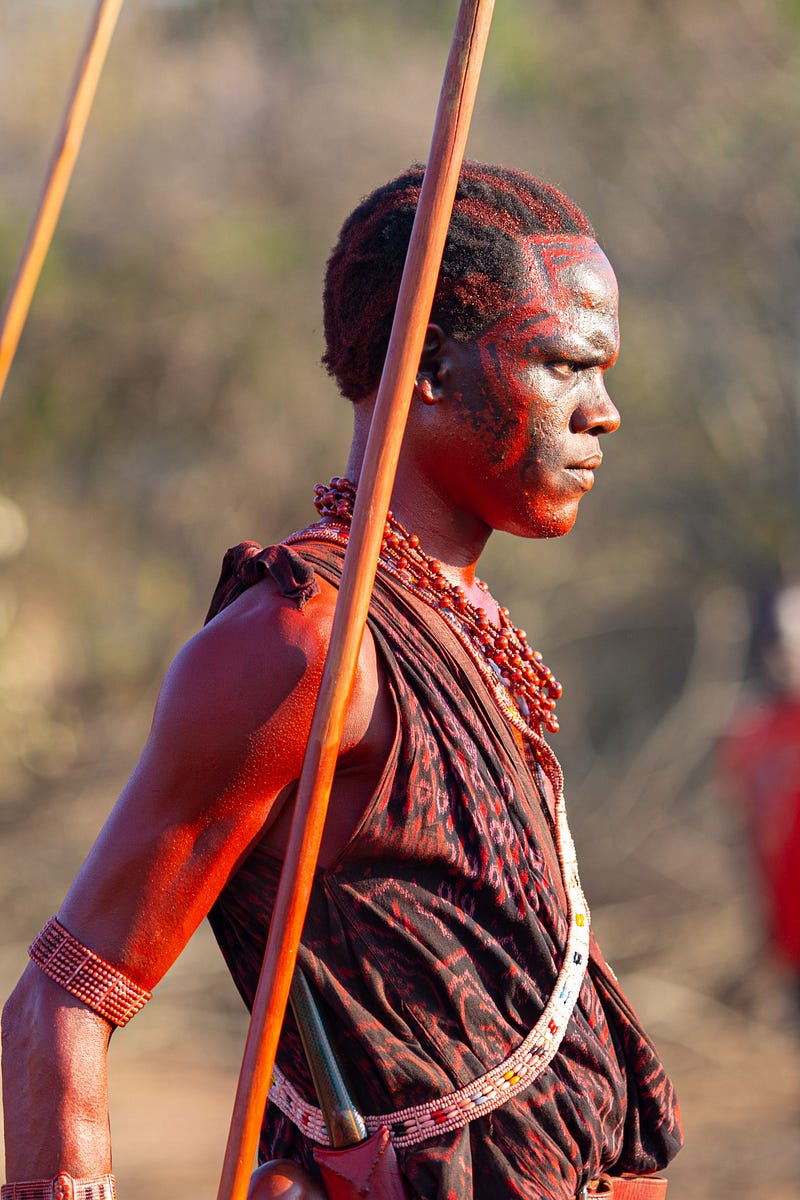
[Photo by Žaneta Mišutová from Pexels]

Unusual Aboriginal skills

“One of the major stressors for medical students is the enormous amount of information that must be forged by heart. So we decided to see if alternative and better ways of memorizing data could be mastered,” says Dr. David Reser of Monash University School of Rural Health.

Dr. Reser’s research team gave 76 medical students a list of 20 names of common butterflies to memorize. After some time, the study was repeated with a new list of butterfly names. This time, however, the students were divided into 3 groups.

  1. The first group received training in memory palace techniques.
  2. The second group learned Aboriginal memory techniques. ‘
  3. The third group, as a control group, watched TV.

After 10 and 30 minutes, the researchers checked how many words the students in each group remembered. The results surprised the researchers. Indeed, the researchers found that students using the Aboriginal memorization technique, i.e. narrating and locating items in reference to the university’s surroundings, remembered 3 times more words than before.

Students using the memory palace technique memorized 2 times as many words. The control group, on the other hand, improved by about 50 percent over their pre-test results. Importantly, qualitative analysis showed that students using the Aboriginal technique found it more friendly.

Thank you for reading! If you enjoyed this content, please consider giving it a clap, leaving a donation, or offering a tip to support my work. Your generosity helps me continue creating valuable content.


https://www.buymeacoffee.com/oconnel
Australia
Culture
Science
History
Life
Recommended from ReadMedium