
PERSONAL GROWTH | OPINION | CONSUMERISM
A Time To Rethink And Unlearn
How much we don’t need to live comes across as quite a surprise
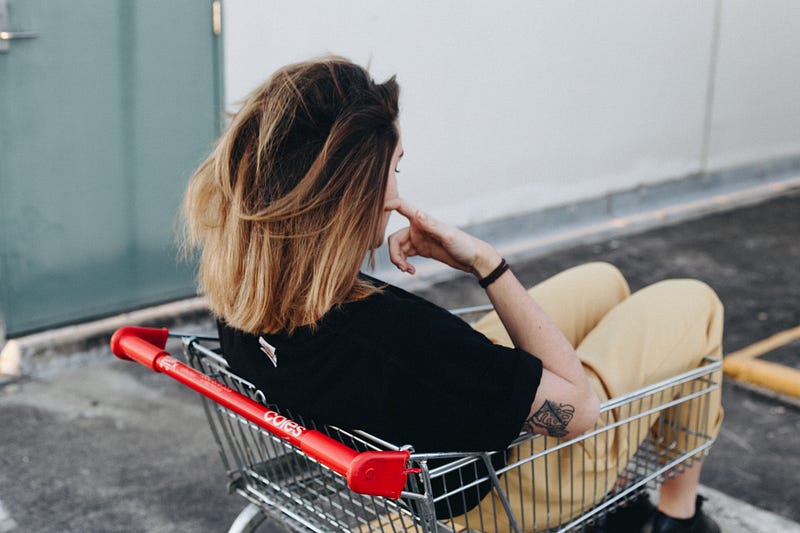
We have been living in a frenzy all our life. Within our shells of comfort, we had become slaves of consumerism and materialism. Our privileges were considered as rewards we earned. Above all, we learned to let ourselves be carried away by this world. It was easy to go with the flow, wasn’t it?
We just did what millions of other people did. We just worked, ate, slept, woke up, shopped, hoarded comfort foods, bought new clothes and accessories, scrolled through endless Facebook and Instagram feeds, followed trends, ran all over the place and it went round and round.
We forgot a whole lot of little things, like looking at people in their face, smiling often, laughing together, appreciating more and scrolling less.
And then the Ferris wheel stopped.
It just braked and we were jerked awake from this unending loop of a reverie called daily life. Inertia made us anxious. The world has slowed down. All of a sudden, we have 24 hours in our hands and walls closing in around us. All of a sudden, the only shell we have is our home and its accompaniments. The world is no longer ours to strut in.
We finally long to come out of our shells. To shake hands and hug. To smile without masks. Now, when we smile, the smile has to reach our eyes, or the other person is not going to know that we are smiling at all. Little did we know it was that easy, that simple, to lose control.
At the snap of two fingers, a virus has refocused life for us.
I have been thinking, too, like many of you. And quite some thoughts crossed my mind in the past two months, although I have not been completely confined to my home. I am a physician and whenever I got a call from a patient, I had to drive to my clinic to attend to them and dispense their medications. It was indeed a breather to get out although I was not very keen to go out even before COVID-19 happened, being this indoorsy person.
Even with the relaxations in lock-down rules and mandatory masks in public places, there’s a sort of alien air outside. People walking on the roadsides, at shops, riding their two-wheelers — all wearing masks. Faces without emotions, no smiles, no crinkling eyes, no sign of recognition because the familiar faces are behind the masks. No people in small circles having chit chats. Water tanks and taps with hand-wash bottles in the public spots near shuttered shops. People floating around like automatons.
Quite a dystopian scene, if you ask me. So here’s what sent me on a thinking-spree about the dystopia we have been living in without realizing it. We all assumed dystopia is in the future but all the while we were in it. We are in it.
“Your order has been cancelled and is being returned to us.”
It is with much shame that I admit that the extent of the national lock-down hit my consciousness when I got a few emails from Amazon India stating my orders have been cancelled and were on their way back to Amazon owing to the nation-wide lock-down.
I had ordered a few books and some other random stuff some days back then, including a green tea infuser-filter and some essential oil to make it free shipping. (How we add things to the cart just to avail free shipping for the order, thereby ending up spending more than it would have cost us if we had just bought the thing we need with its postage is a story on consumerism and our enslavement to corporates for another day.)
This was in March. The number of positive cases were on the rise but still very low. And the state government of Kerala had just announced a lock-down. The national lock-down followed after some more days.
The ordered items returned. I realized I was not upset. I was ready to accept that this was the need of the hour. You know, that cliched expression. Nothing new. In a few days, I realized, I may not reorder all of those stuffs again. Can you believe that? Another week passed and all e-commerce retailers closed down except for essential goods to selected areas (which easily excluded by suburbia).
Because the clinic was working only on emergency basis and not a source of income at the moment and because I wasn’t going out as often, my wallet became a constant. Whatever I get from the clinic is usually spent on the way back home, buying grocery, fruits or personal care stuff. Now, the expense was limited to very essential personal care, milk and sometimes fruits and cleaning agents.
I still write some blog content for a company and the humble income from that and the few bucks I make on Medium was for the first time staying in my bank account. It’s time I polished it off on Amazon or my favorite beauty e-commerce site. But, wow, they are in my account and for the first time, I began thinking of how much I really needed all those expenses. I have been doing well without those undelivered products. The books, I will be buying again because, well, they are books and not exhaustible commodities. Books are legacies. But the rest of the things that went back to the sellers and warehouses — I certainly did not need now. I might need them later, but certainly not now.
Not being able to place an online order, not being able to walk between aisles in the hypermarket and tossing a product every now and then into my cart without thinking twice about its necessity, not hoarding things that I allow myself to believe that I will need in near future has switched on a new sense of awareness in my mind.
Yes, my things are going to run out someday soon. I might be uncomfortable but I can always find a local alternative or replacement that fits me. But will I die? No. The answer is clear, emphasized no.
What happens to money?
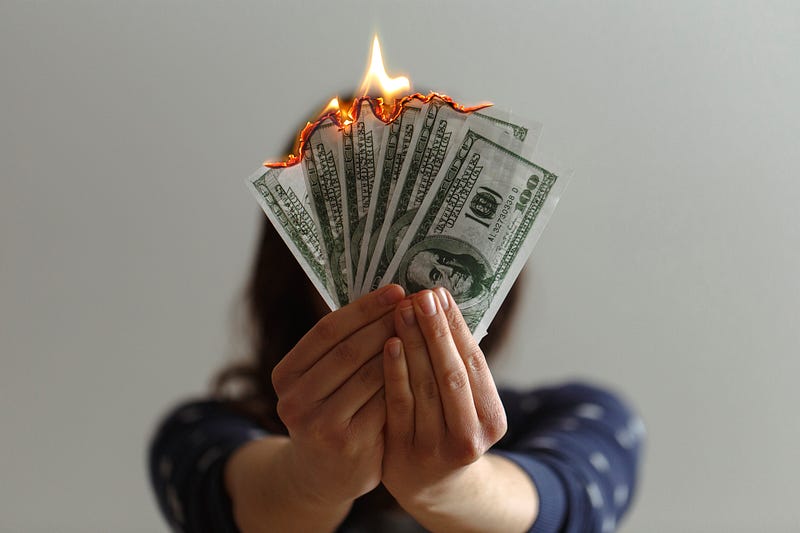
We know for a fact that money pretty much rules the world now. Commodities and lobbies have claimed our souls. Materialism is the spirit of life as we buy happiness in transient and tangible forms. But this pandemic and lock-down has proven to us that the imagined reality called money has not been of much use when our basic human instinct to survive kicked in. Capitalism is suffering big time.
Yes, money allows us to enjoy a lot, but if not the epidemic curve, the lock-down surely has flattened the economic curve. People have lost jobs. Money has lost a lot of its value. And there is no flow of money like there used to be, because there simply is nothing to sell and no one to buy without risking one’s life.
All this will be restored after this global crisis ends and for the world we have learned to live in to go on, it must end. The pandemic panic and loneliness might restore human values, reset our ideals and repair personal damages on the one side, but it is also breaking a lot on the other. But I don’t think it is enough for us to get over the global pandemic of consumerism.
What after all this?
We will get back on the Ferris wheel and start rolling no sooner than it stopped. That is for sure. But, with all the time most of us have had at hand, it would be a huge step to break the chain of non-viral pandemics that run and rule our worlds if we stopped to think, rethink and unlearn a few things that we assumed to be right. While we find many opportunities to learn newer things, languages and arts to fill in our lock-down days, we should also be seeking a few things to unlearn from our system and break free of conventions and shackles modern life has placed upon us. We can strive a little more to reclaim the lost humanness and untie ourselves from material gratifications that cater nothing to our souls.
Perhaps, I will slip my wrists back to the shackles of consumerism once all this ends. Perhaps, I will load my cart, pantry and toiletry cupboard all over again. Perhaps, all those unnecessary products that supposedly served to make life easier would end up at my doorstep someday soon. Perhaps, the essentials would become invisible parts of our own existence and the unnecessary and non-essential things would become necessities to feed our hunger for tiny indulgences, eventually becoming inseparable little luxuries.
Or perhaps, I might look back and remember the thousands of migrant laborers in Northern India who slept under a bridge because they could not return to their homelands. I might remember with humility how they had to share one meal among three stomachs once a day while I worried about not getting my favorite brand of coffee. I might remember how even isolation, social distancing and personal hygiene were privileges my family and I should be grateful for while many from the privileged clan complained about depression during quarantine.
And if nothing, when all this ends, I certainly will remember how little we need to live and survive the day-to-day life, and finally begin to save a few pennies, so that my child can have a privileged life.
Also check out:
Sana Rose is an award-nominated novelist, poet, physician, counseling professional, freelance writer and mom. She is based out of Kerala, India. Her debut women’s fiction novel ‘Sandcastles’ was shortlisted for ARL Literary Awards 2018 for Best Author soon after publication.