
SMARTWATCH PROBLEM
A Smartwatch Might Not Be Right for You
Don’t be like me and find out the hard way
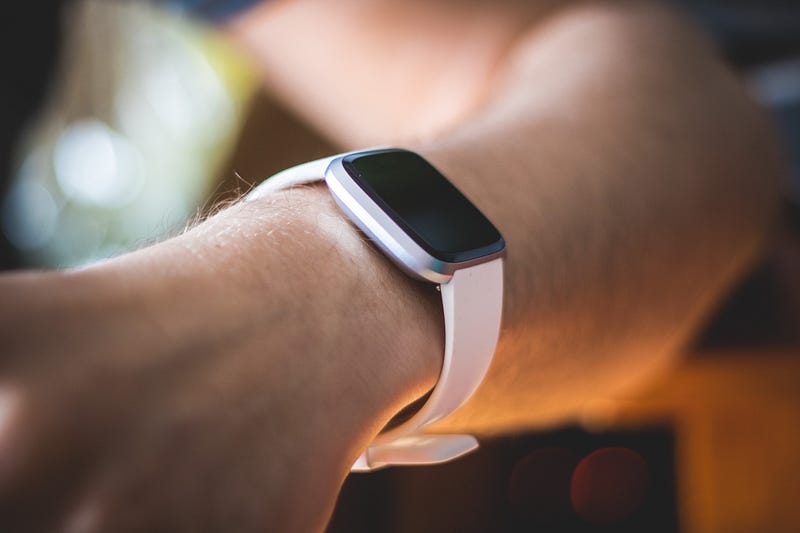
I first thought of owning a smartwatch when my daughter asked what I wanted for Mother’s Day.
A friend from my youth had posted on Facebook that her daughter had given her an early birthday/mothers’ day gift of a smartwatch.
I liked the idea of a smartwatch.
It’s been almost twenty years since smartwatches (wearable computers) have been around. There are a wide variety of them available with various features. Some even personalized.
Smartwatches now can track even more bodily functions. Both Apple and Fitbit can estimate blood oxygen levels and measure ECGs.
The more affordable the smartwatch, the less likely it is to have these kinds of health tracking features. If you want that data, be prepared to pay for it.
I have a blood pressure machine in my home, but seldom remember to use it. A smartwatch with sensors to track my blood pressure, heart rate, would benefit me.
Keeping track of my daily steps would be a bonus.
I wasn’t interested in features such as music, texting, or the ability to pay for things without my wallet.
I went online and searched for a smartwatch I liked, and sent my daughter a link. She knows a lot more about the watches than I do. Having owned one for years.
My daughter then pointed out to me that battery life was important. Battery life remains one of the biggest complaints about smartwatches.
My daughter told me that the lower priced watches didn’t have a long battery life. “Let me get you a good one,” she said.
I agreed and let it be a surprise.
She bought me a Fitbit Sense 2.
The one disappointment was that it didn’t record blood pressure. The main reason I wanted one.
Now I knew my wrists were sensitive. I only wear a regular watch for short periods, when needed. Seldom wear bracelets. But I wanted a smartwatch enough to overlook it being a problem. My daughter wears her watch 24/7 and is able to keep track of sleep.
Although I use a CPAP machine for sleep apnea, it would also be nice to have that extra level of information about my sleep.
But I wasn’t prepared for it to be so difficult wearing a smartwatch.
At first, I thought the ache in my wrist might subside. That it was a matter of my body becoming used to it.
I took the watch off at night to give my wrist a break. Which prevented me from keeping track of my sleep.
After days of the wrist pain not subsiding, I turned where I regularly turn when I search for more information — the internet.
I discovered that I was not alone in this problem.
My family often complains about my being too sensitive. For example: I cut the labels out of my clothes because I can’t stand the feeling of them against my skin. An online search told me this may mean I’m subject to over-excitability.
This term was coined by Polish psychiatrist and psychologist Kazimierz Dabrowski who identified over-excitability as intense feelings within us that are caused by a heightened response to stimuli. This means you can become easily irritated by anything from repetitive or loud noises, textures of fabrics on the skin, to not liking certain foods because of texture or taste.
And OMG! That so describes me. Didn’t realize it was a thing. Though it was just my weirdness. I thought I was alone in this. Just unusual.
My sensitivity to stimuli — wearing a smartwatch — may have been the reason for my problem.
I also read the most likely cause of wrist pain is because of compression of the nerves from wearing a smartwatch too tightly. That continuous pressure on the nerve can lead to symptoms of nerve pain. If that compression lasts for extended periods of time, it can even lead to nerve damage.
The pain felt neuropathic. Numbness. Tingling. Electrical. These were not sensations I wasn’t familiar with. I’ve previously had surgery on both wrists for carpal tunnel syndrome caused by pressure on the median nerve which runs through that tunnel. Compression of the nerve results in numbness, tingling, pain, and weakness in the hand happen.
In the past, I’ve had tennis elbow in both arms. A workplace repetitive right shoulder injury which resulted in long-term chronic pain and fibromyalgia.
I tried following the advice of others online. Moved the watch further up on my wrist. Loosened the strap. Tried wearing it on the other wrist. But that made no difference. The pain while wearing the watch persisted.
Online I read about Emf radiation.
When people use mobile devices like smartwatches, they are at a higher risk of getting affected with Emf radiation. That these electromagnetic rays enter our body through various parts of our bodies. Our skin and our muscle absorb them and they give rise to health issues. It has also been seen that the excessive emission of Emf radiation can lead to cancer. The excessive emission of Emf radiation is a threat to all of us since it has been proved that the brain cells get affected due to the electromagnetic rays emitted by the mobile devices.
It was getting too far away from my question of pain caused by wearing a watch. Though I have often wondered if my daughter’s brain tumour was causes by holding her cellphone against her head. I take no chances. I only talk use speaker phone.
Finally, I got back on track. Read the suggestion not to ignore the pain or try to preserve through it. A reminder that pain is our body’s way of telling us something is wrong. (That is unless you suffer from chronic pain in which the nervous system stays in a state of reactivity after the initial injury or illness has healed.)
If you experience discomfort on your skin around or beneath your watch, Apple recommends you remove your watch and consult a doctor / physician before wearing it again.
I wasn’t about to consult anyone. I was going to use common sense. My problem only started after wearing the smartwatch. The logical answer was to stop wearing it.
It only took 4 days for me to realize the watch wasn’t right for me.
The pain persisted for days after I stopped wearing the watch.
I wanted to let my daughter know as soon as possible so she could return the watch and get her money back. But that wasn’t an option. In the end I gave the watch back to my daughter for her to give to someone else.
So, beware that a smart watch may not be right for you. I suggest borrowing one from a friend to try it out before investing in a large ticket item that might not be refundable.
Until something “smart” comes along that can be worn on another part of my body, I will stick to the older ways of keeping track of my heart rate and blood pressure.
Just remember, everything isn’t always right for everyone.


