
019 | PROJECT MANAGEMENT | TRAVEL
A Small Victory and An Unexpected Journey
Helping those who need it most
Read this article for free here.
We have successfully placed the lowest bid for a tender. So I am feeling happy about that. You see, these days, I am learning project procurements. And providing my assistance for the tendering works.
The project we are discussing is not large-scale, a very small one. But it still satisfies me.
We have recently become eligible to bid on Irrigation works. So, we have decided to undertake a small pilot project to gain experience.
You may not be aware of this. But the process of competitive bidding can be quite a headache. You can’t bid too high — you will not get it, or too low — you will lose it. So it is a kind of tactical game.
But here, we had a free hand since we were allowed to keep a minimum margin — we were asked to just get it. I will not bother you with all of these technicalities; long story short, we were the lowest bidder.
As a bidder’s representative, I participated in the bid opening alongside a senior engineer and one of our quantity surveyors. So I was able to feel this happiness firsthand.
Being the lowest bidder does not guarantee we will be awarded the project. We must also be selected based on technical evaluation, which is usually a formality. But chances of being disqualified are significantly lower at that level.
After the bid opening, I suggested we visit the proposed site since we had ample time. As I mentioned earlier, this project belongs to the irrigation sector and involves the restoration of an existing tank. So we had to travel to a remote area to reach the site.
Before moving into the story, let me briefly describe our irrigation system. The dry zone of our country only receives rainfall for a few months during the year. So water is a scarce resource in this area.
You know, rice is our primary food source; a reliable water storage method is crucial since it is a heavily water-dependent crop. Our ancestors recognized this and constructed tanks to store water during the rainy season for use in the dry season. If someone is interested, I can share more about our cascade irrigation system one of these days.
So, the proposed project involves restoring one of the old tanks that have fallen into ruins over time, primarily due to a lack of maintenance. Regrettably, our politicians often allocate funds for unnecessary expenditures instead of investing in essential infrastructure that fulfills the needs of the most productive group of the country.
However, we’re glad that the necessary steps are being taken in the right direction with the aid of World Bank funds. We are late, but something is better than nothing.
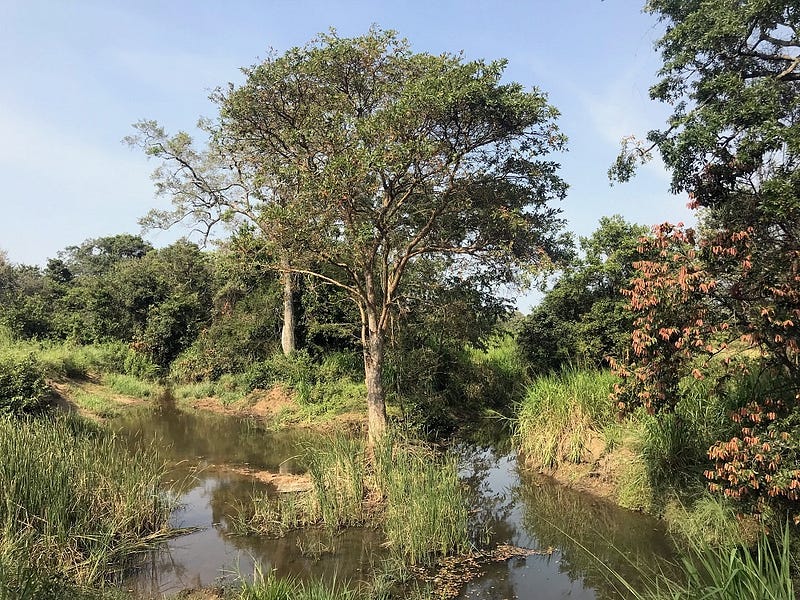
First, we thought, look at the site and head back home. Perhaps we can make the acquaintance of the local community, even better.
However, the local community had other ideas. They wanted to show the actual situation of the site by visiting the place itself. So we decided to join them, commencing our unexpected journey through the overgrown tank bund with vegetation.
While I won’t bore you with civil engineering concepts here, it was clear how much the tank restoration would benefit the local community. Their needs were simple and centered around their farmlands.
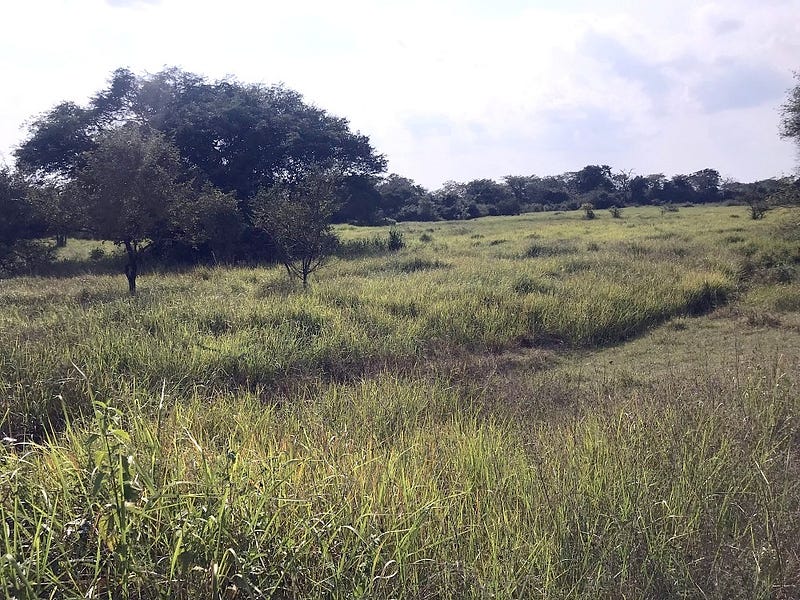
As long as their basic requirements for crop cultivation were met, nothing else mattered to them. I couldn’t help but feel disgusted with our so-called politicians’ inability to provide at least these fundamental necessities.
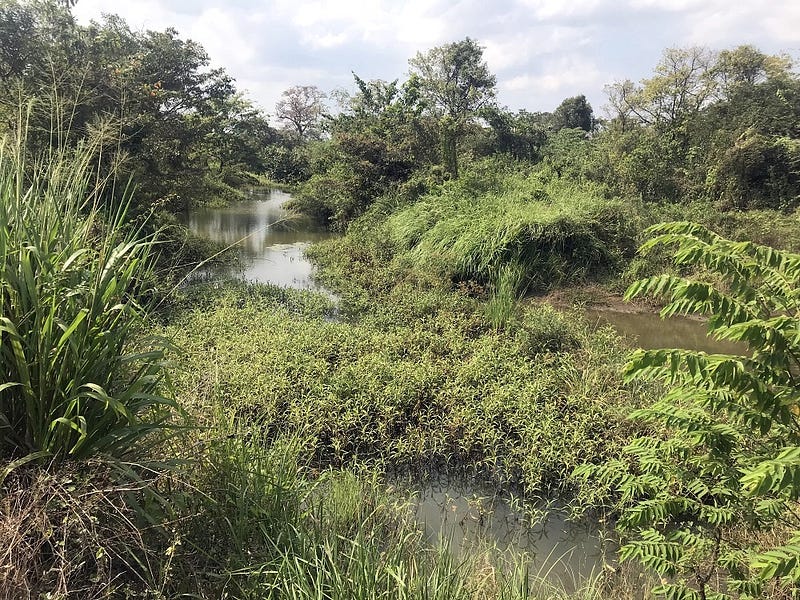
As I said earlier, this was an unexpected journey. So we were caught unprepared for the field walk. But our job is not white collar. We had to adapt to unforeseen circumstances — like the challenges of traveling through thick vegetation in my office attire and shoes.
These were minor concerns compared to the day-old elephant dung scattered along the footpaths. And the tracks of a crocodile nearby.
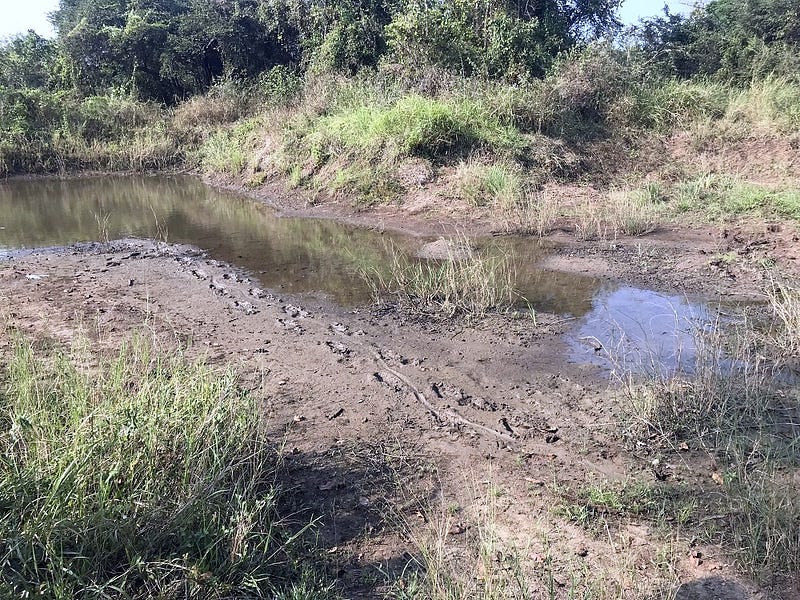
Villagers assured us about the safety. But I rushed up the journey — not because of fear, mind you; it was becoming late.
After about two hours of traveling up and down, we concluded our journey. On the plus side, we collected valuable information essential for the initial planning stage if awarded the project, so another reason to be happy — but not about those annoying cuts and bruising.
Days like these remind me how fortunate I am to work in my profession. I am honored to help these hardworking farmers uphold their quality of life. It may be why it includes this as the first point of our code of ethics.
Engineers shall hold paramount the health, safety and welfare of the public and proper utilization of the funds and other resources in the performance of their professional duties.