
TRAVEL WRITING CHALLENGE
A Roman Holiday
A to Z of my favorite travel destinations — R is for Rome
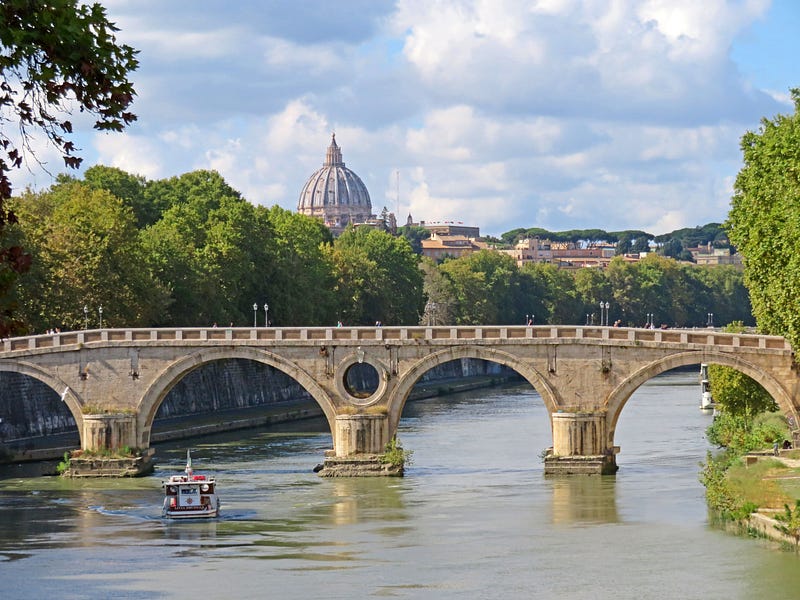
It was October 2019 and it was the last traveling I would be able to do for a few years. Less than a few months after getting back from Italy, the world was hit with the start of the COVID pandemic, and Italy was particularly hard hit. I’m glad that I had the opportunity to visit Rome again before everything changed.
It was already mid-afternoon, on a Saturday when my friend and I arrived, so the streets were packed with shoppers, young couples, and families enjoying the fall sunshine.
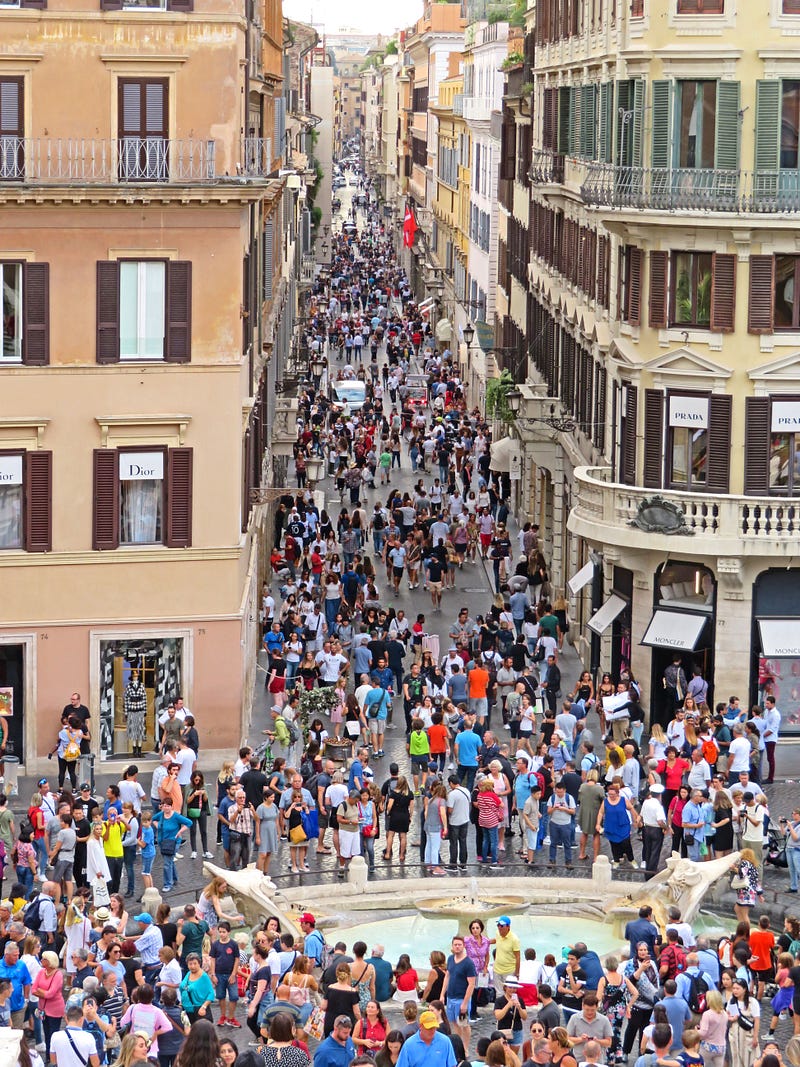
Our hotel was on Via Frattina near the Spanish Steps. So we made our way past all of the high-end designer shops as we headed up Via del Corso to Piazza del Popolo. We were famished so we grabbed a couple of arancini — deep-fried risotto balls filled with tomato sauce, mushrooms, and cheese. They were the best arancini I have ever had before or since. During this trip, I actually had some of the best food I’ve ever had in Italy. It wasn’t like my previous visits, and I think it all got started this time with those memorable arancini.
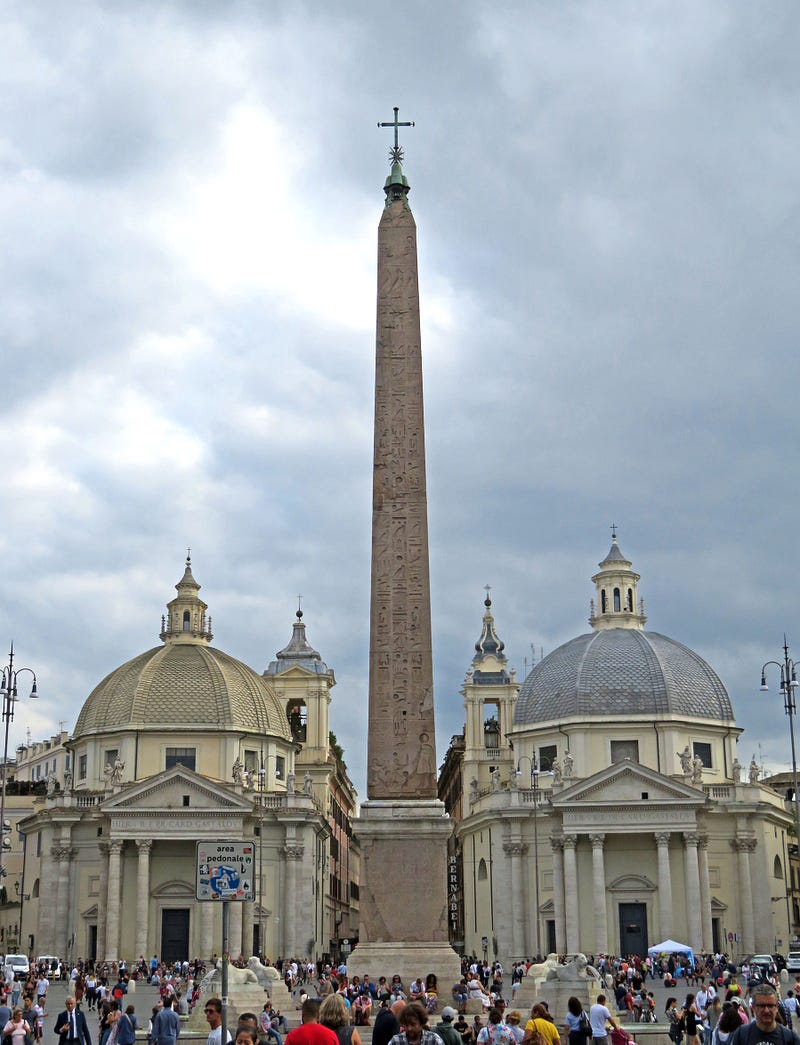
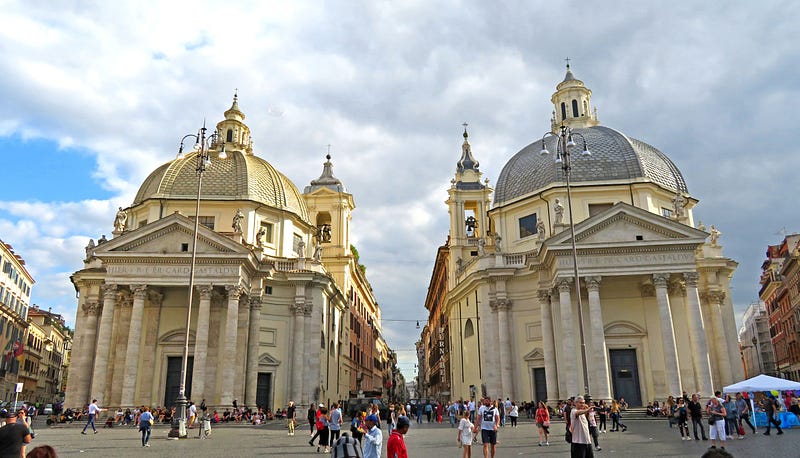
Rome is a great city to walk around in, exploring the historic sites that make this a world-class city. But they are not all within walking distance unless you have a lot of time, and good… no very good walking shoes. As a result, I booked the Ho-Ho bus again (my old standby just about anywhere in the world.) While I had been to Rome a couple of times before, my friend hadn’t so he wanted to see it all. I liked the fact we could get to all the places we wanted to see with guided commentary along the way.
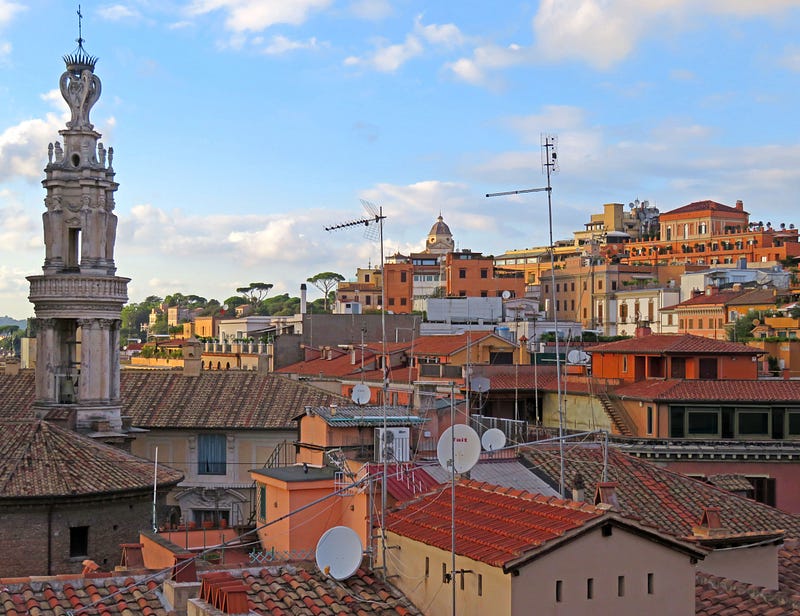
A good place for us to start was the Spanish Steps and Piazza di Spagna since it is close to the hotel. It’s a great place to people-watch but not a lot else. It is a large set of steps leading from the square to a French Monastery and a lot of hotels.
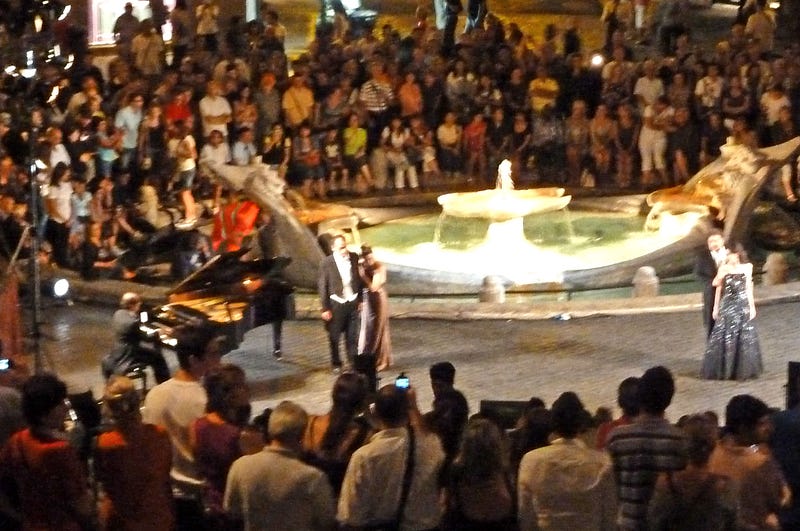
One summer, I was wandering through the streets with a friend who had just arrived in Rome. It was a warm July evening, so it was the perfect time to explore without the excessive heat. We followed the classical sounds of an opera echoing off the buildings. We ended up at the Spanish Steps where a large crowd had gathered around a grand piano in the piazza, leading the opera singers through their arias. It was like nothing I had ever experienced anywhere.
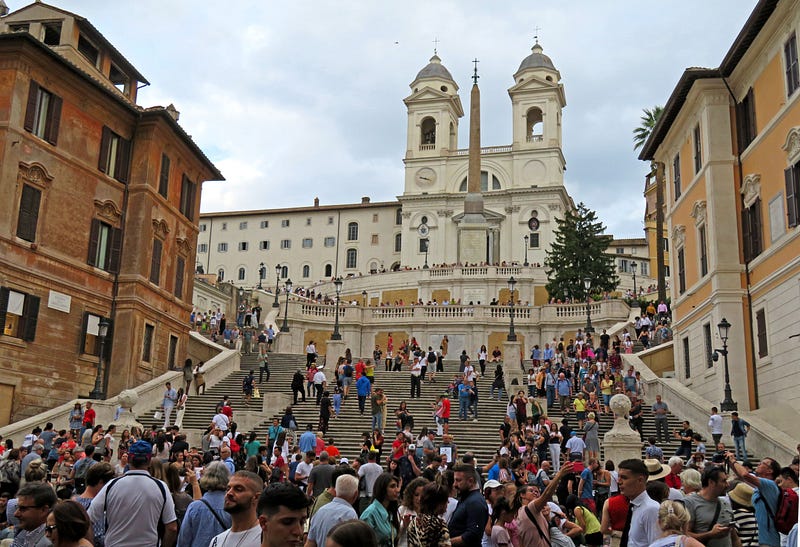
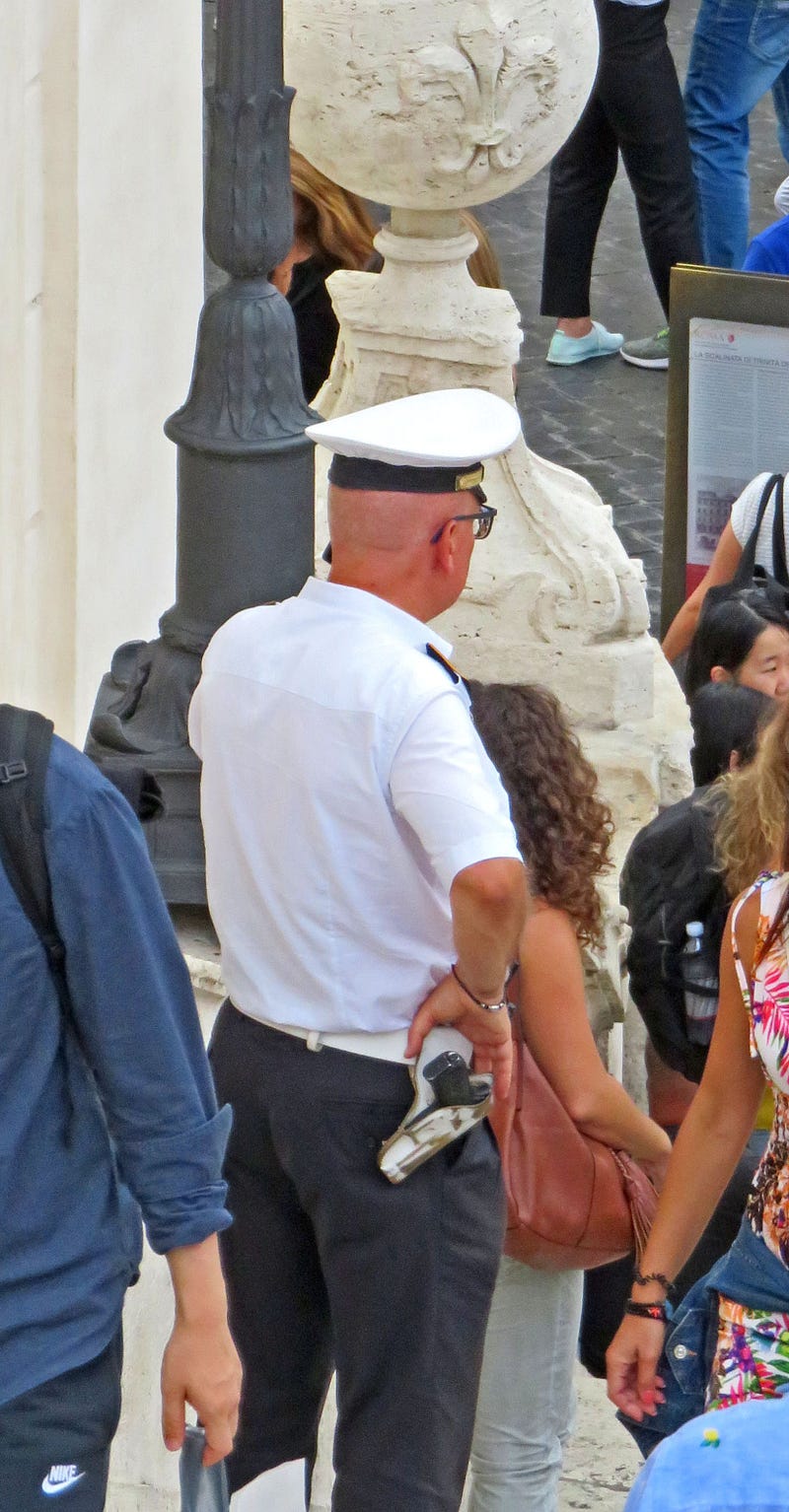
Don’t think you can sit down on the Spanish steps to rest your weary feet. There is a law against that and it could cost you up to 400 Euros. You also can’t eat or write on the stairs, sell souvenirs without permission (well that’s a rule everywhere), and you also can’t dress up like a Roman centurion and take your photo with tourists. There are officers monitoring it and while you may get a first warning, you probably don’t want to take the chance.
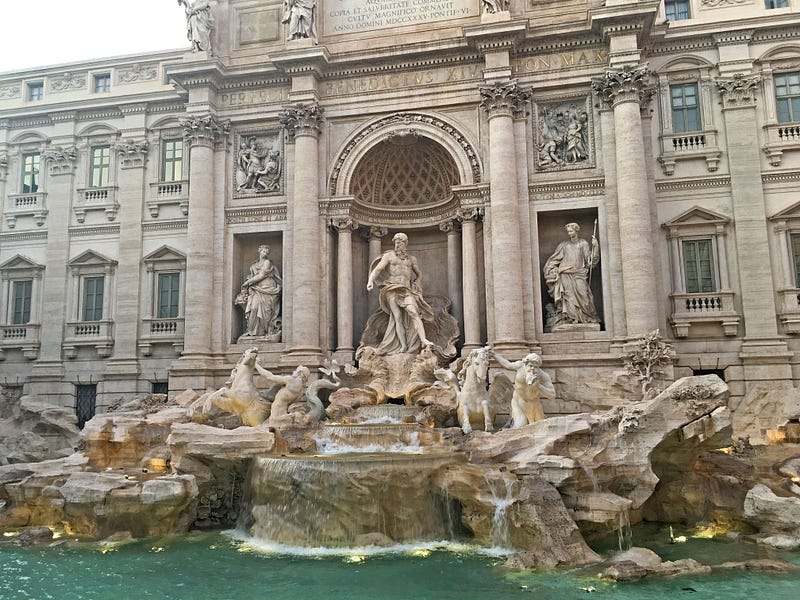
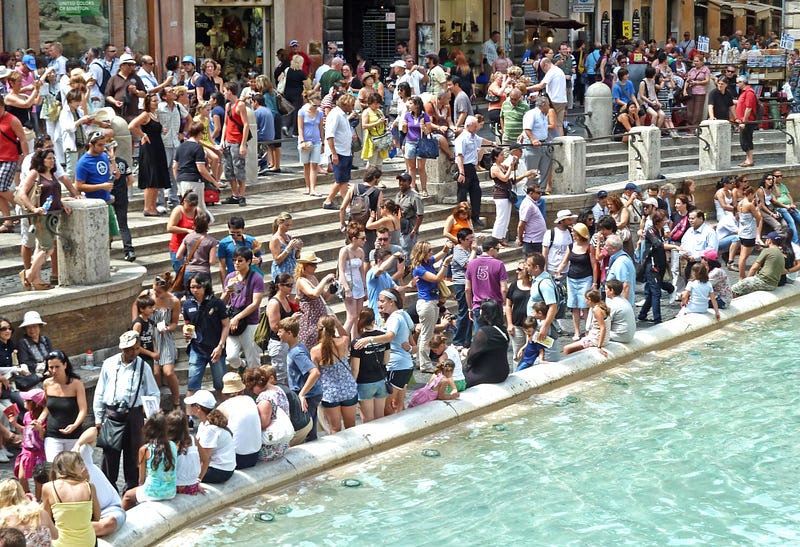
A visit to Rome wouldn’t be complete without a stop at the Trevi Fountain. And just about everybody does, based on the size of the crowds every time I have been there.
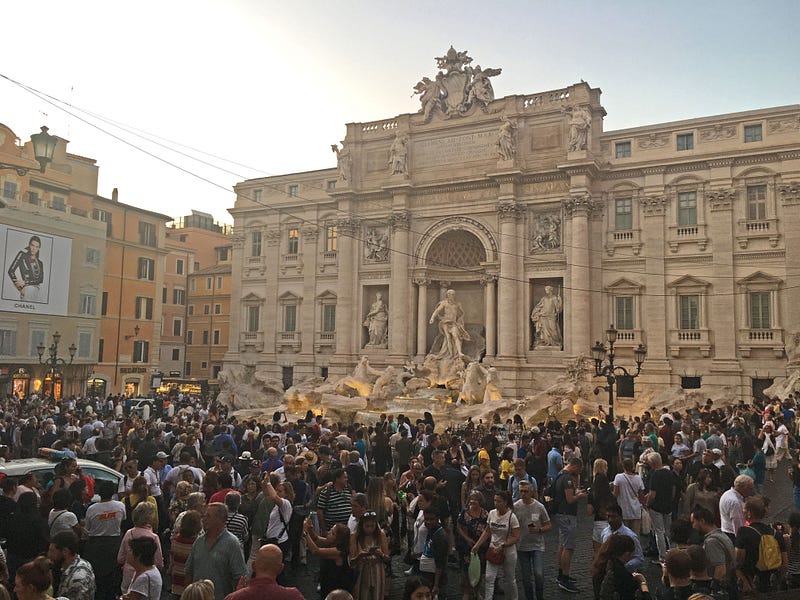
The beautifully carved Baroque fountain was featured in the 1954 movie Three Coins In a Fountain in the 1950s. The movie was based on a myth that if you throw a coin into the fountain you will return to the Eternal City, throw two coins and you will fall in love with an attractive Italian, and if you throw three coins in the fountain, you will marry your Italian love. About a million Euro coins are removed from the fountain each year and are used to support a catholic charity that helps the poor.
I have been to Rome a few times and have yet to take a tour of the Colosseum. I’ve seen it from the outside, walked around the perimeter, and looked through the entrances but have never stood in line or bought a ticket for a tour.
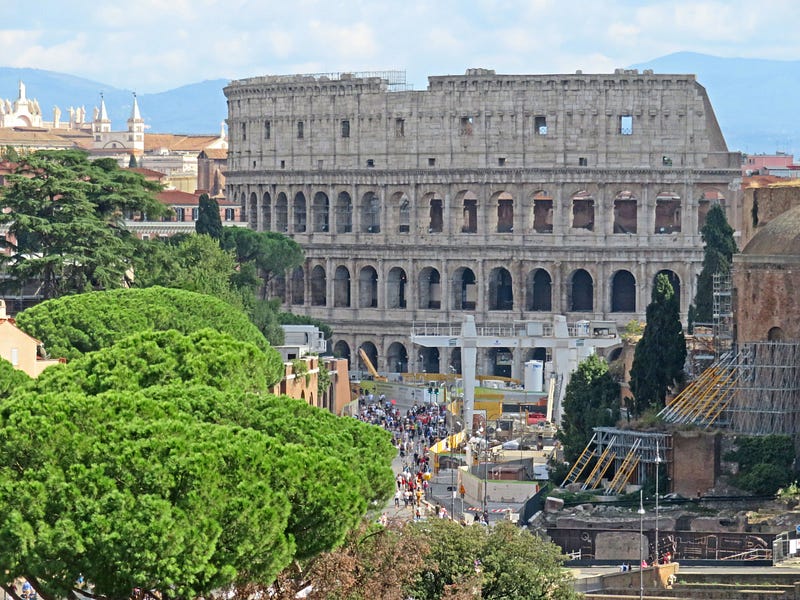
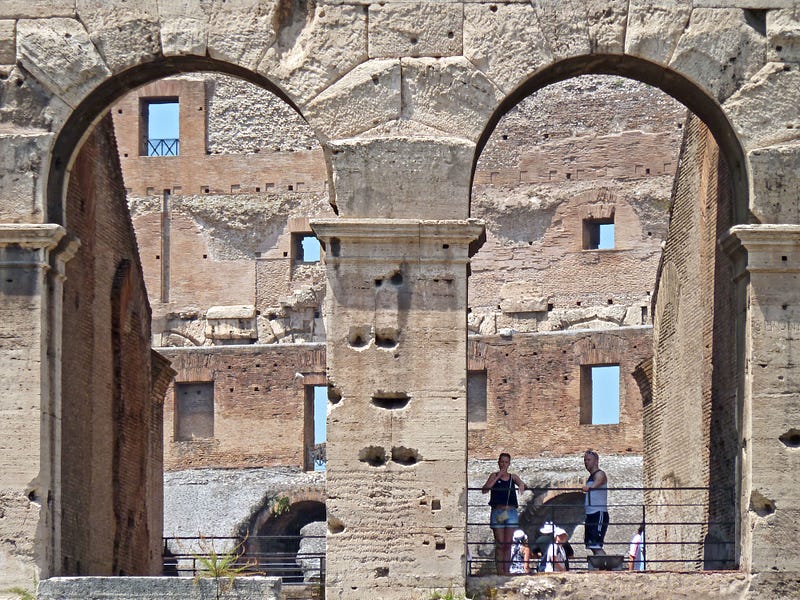
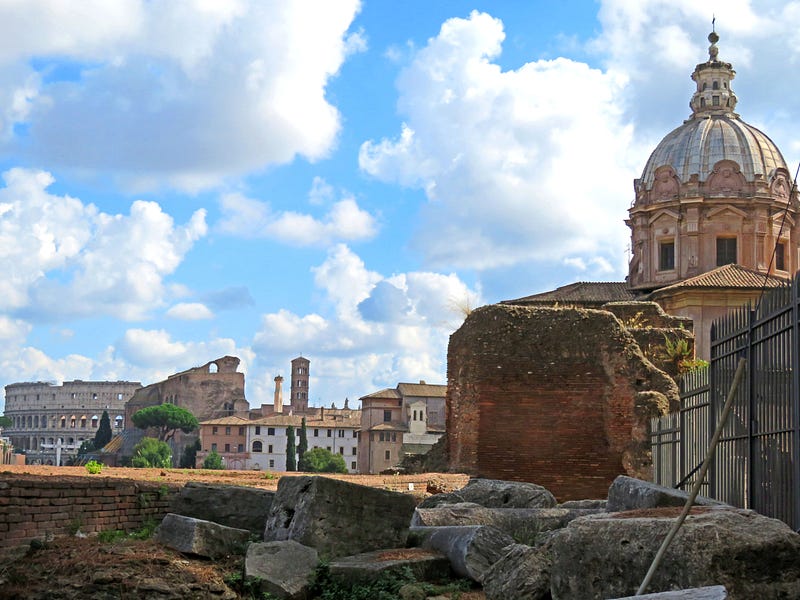
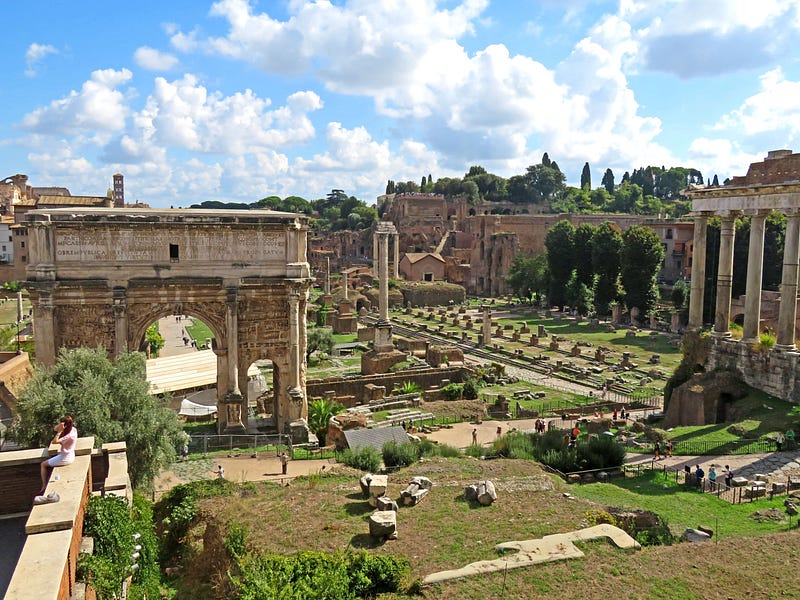
We did walk around the ruins of the Roman Forum, next to the Colosseum in the area between the Palatine and Capitoline hills, two of Rome’s famous hills. It was once the political, legal, and religious center during the Roman Empire.
If it’s good food you are looking for, across the Tiber River is Trastevere. It’s a busy neighborhood with a large crowd of young, university students with restaurants, bars, and shops catering to the hipster crowd. Sit down at one of the many trattorias for a delicious meal and the best people-watching in all of Rome.
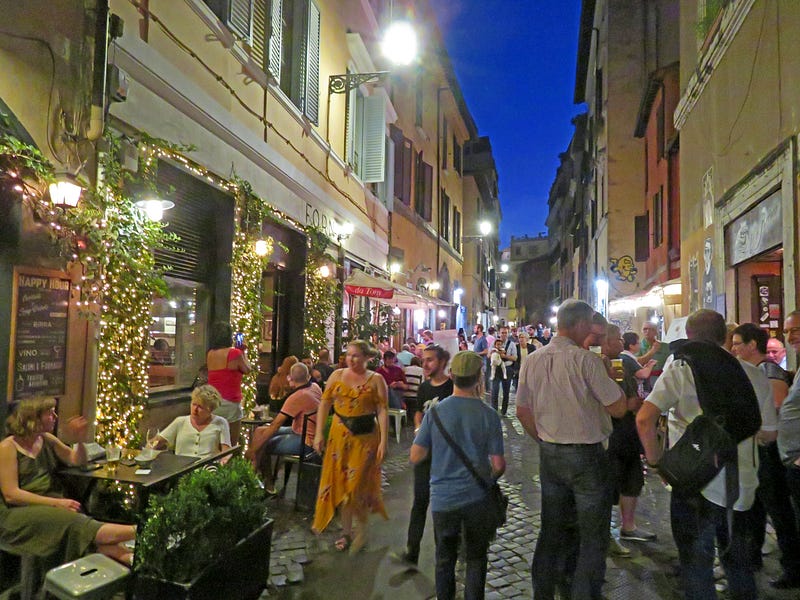
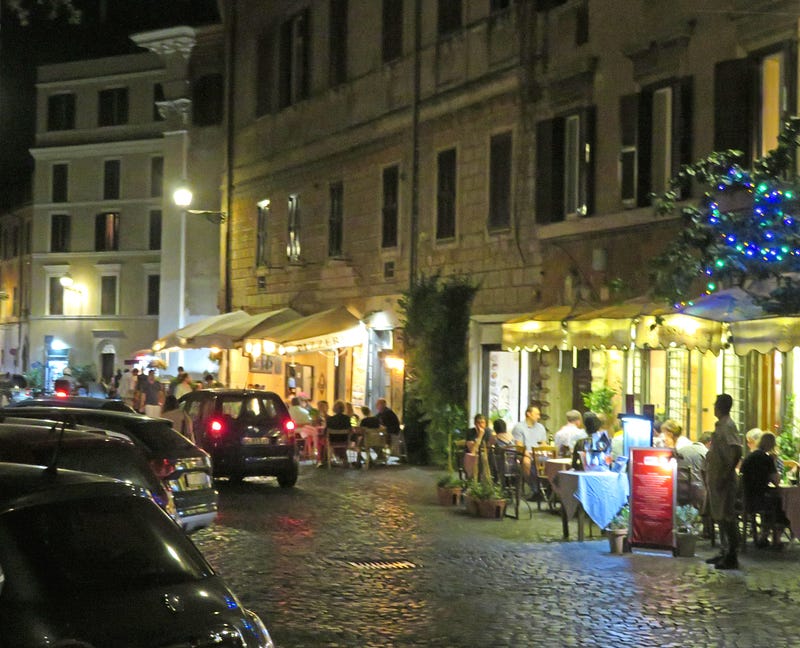
We found a little restaurant in a busy alley with cars passing diners' tables by mere inches. The food was delicious, the street life was entertaining, and the owner, who was our waiter, helped to make it a memorable experience.
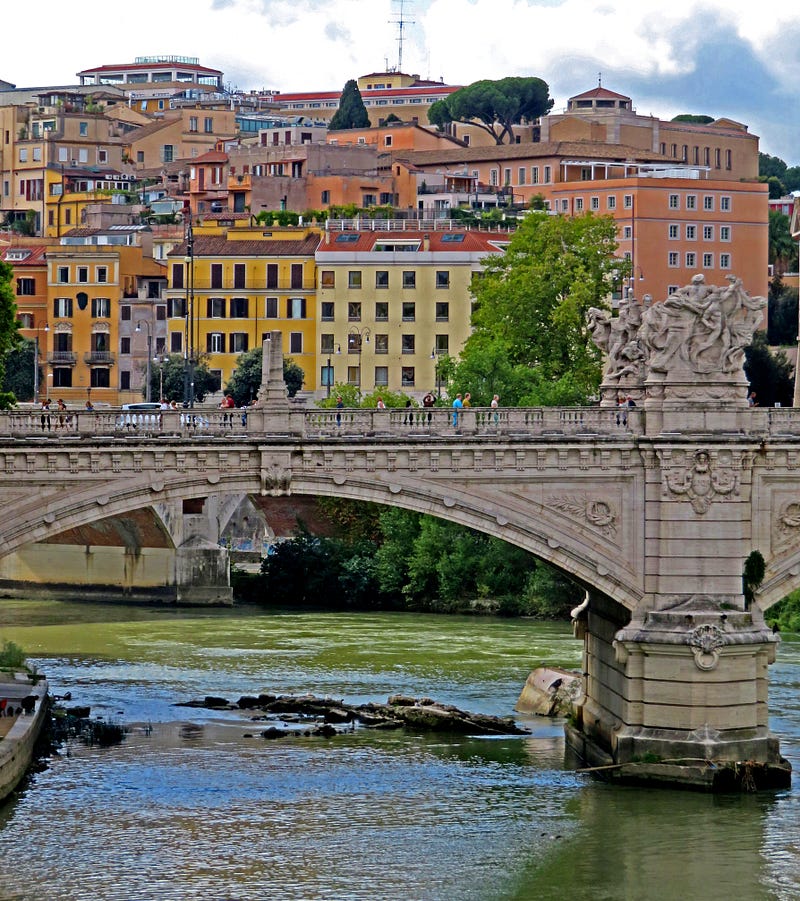
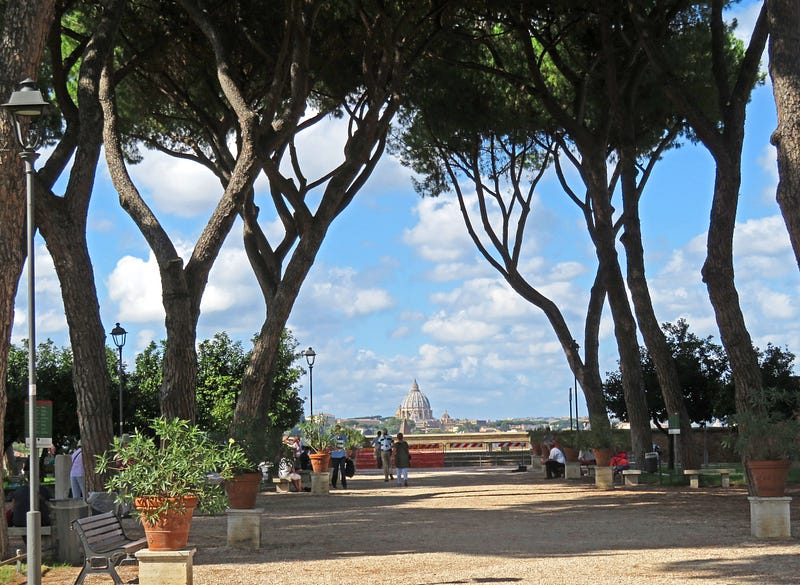
I took a little detour to a little-known, hidden area at the top of Aventine Hill. Very few tourists visit this district since there’s not a lot to see or do there. But the vistas are spectacular. We came to a beautiful park with views over much of Rome. There was also a street musician playing classical music on his electric violin. He was probably in his 40s and was dressed in skin-tight jeans and a button-up shirt. And on his feet was a pair of large, red, pointed women’s shoes. It was enchanting to listen to his music as we gazed out over the Eternal City.
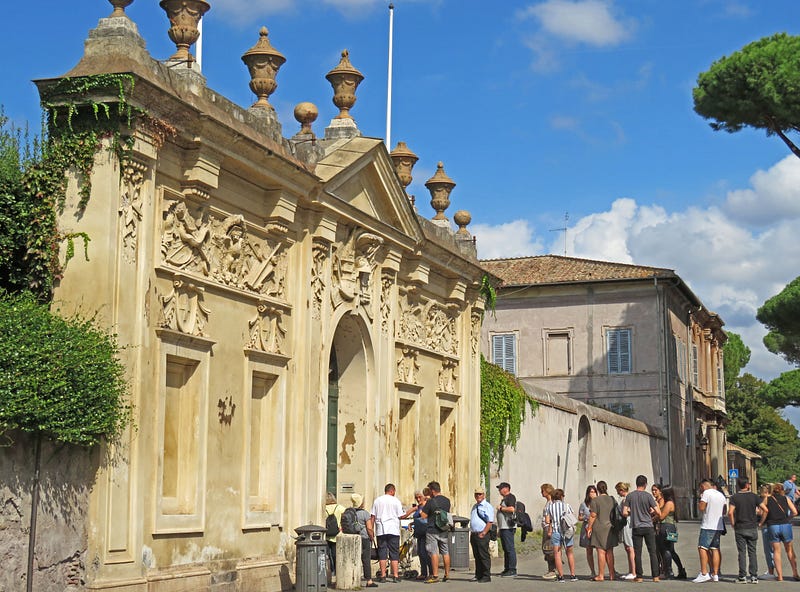
As we made our way to the crest of the hill, there was a small group of people standing outside a nondescript green door with a sign for the Knights of Malta. People were taking turns peering through a tiny keyhole. I knew what it was, but I wanted to surprise my friend. So we stood in line for a couple of minutes and when we got to the front we each took our turn to bend down and look through the keyhole.
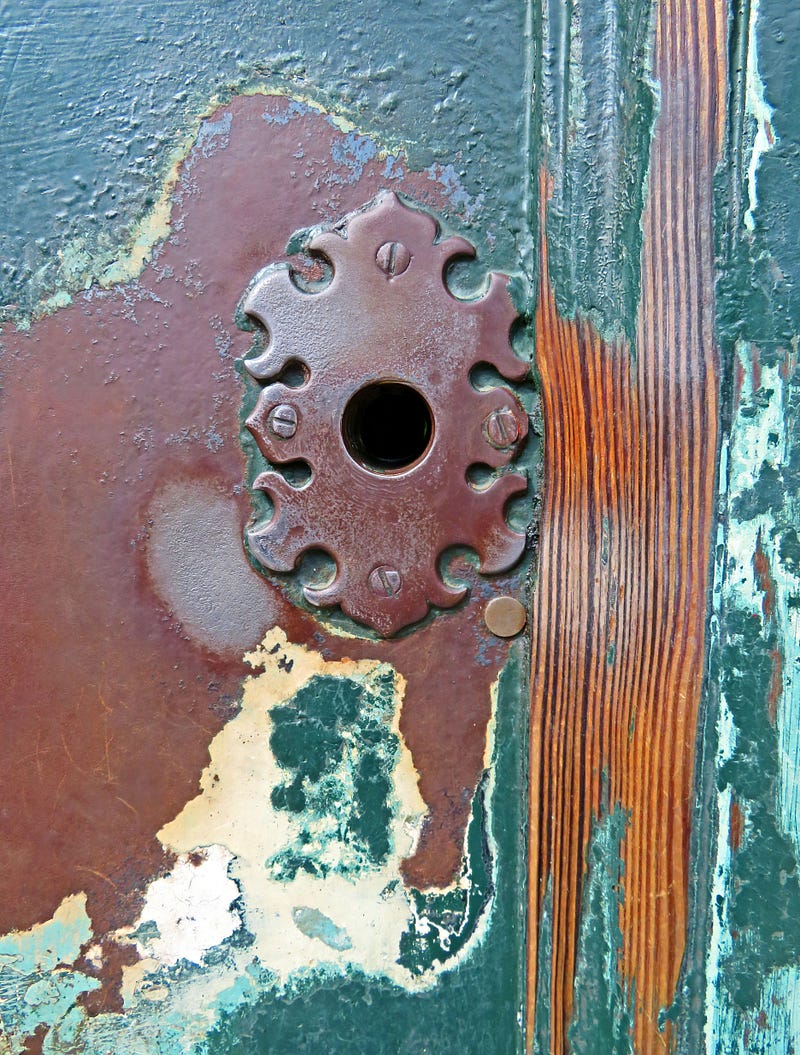
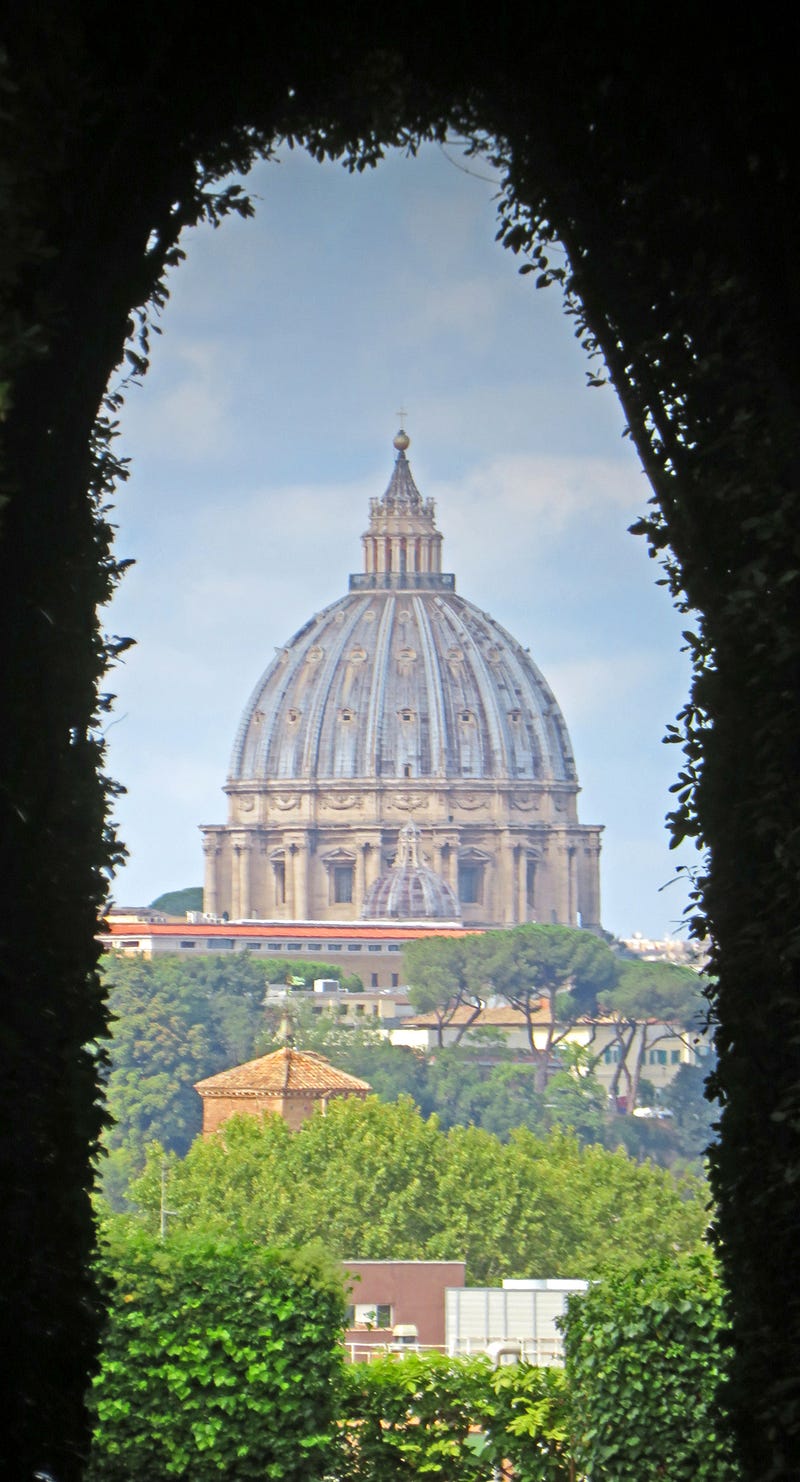
It will take your breath away. Beyond the green door is a hidden lush green park and in the distance, perfectly framed, is St. Peter’s Basilica at the Vatican. I quickly got my camera lens up to the keyhole and tried to frame a photo, which wasn’t easy. But the photo I got is one of my favorites from all of my travels.
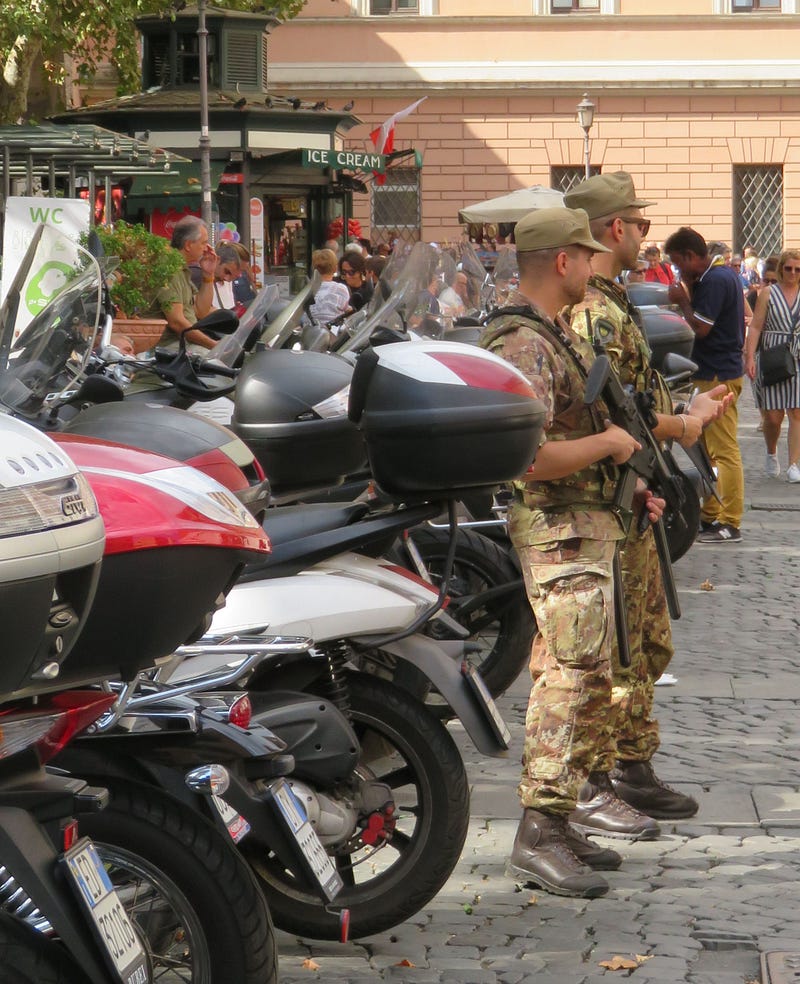
And speaking of St. Peter’s, no visit to Rome would be complete without crossing the bridges and the border to Vatican City. There really is no physical border, but you are officially in another country, the smallest in the world, and there is a lot of security just outside St. Peter’s Square.
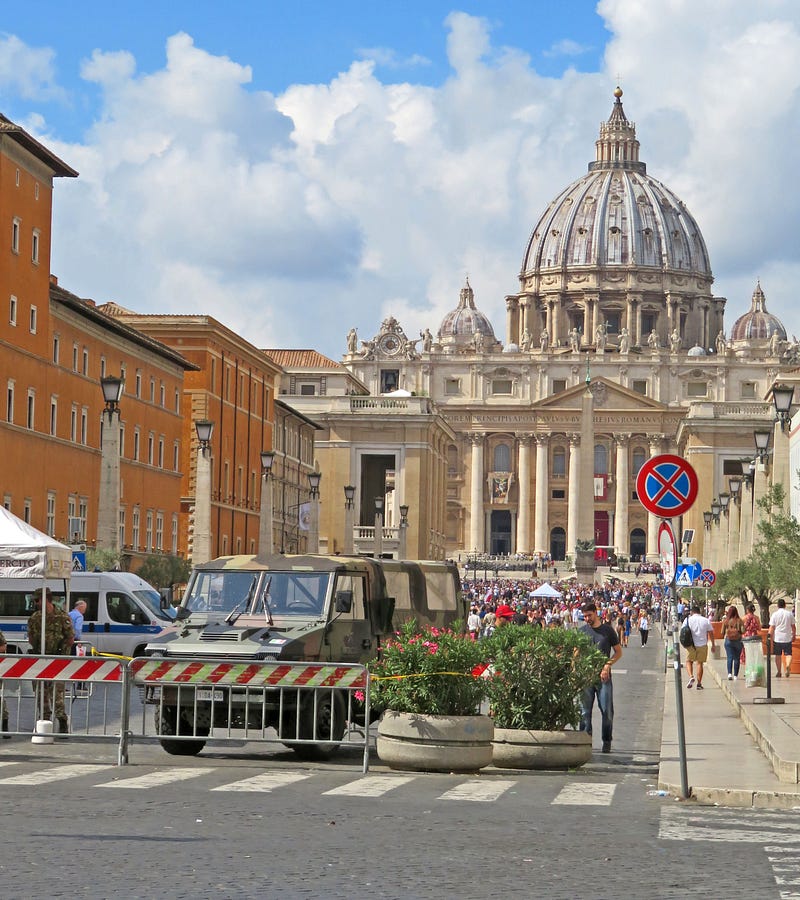
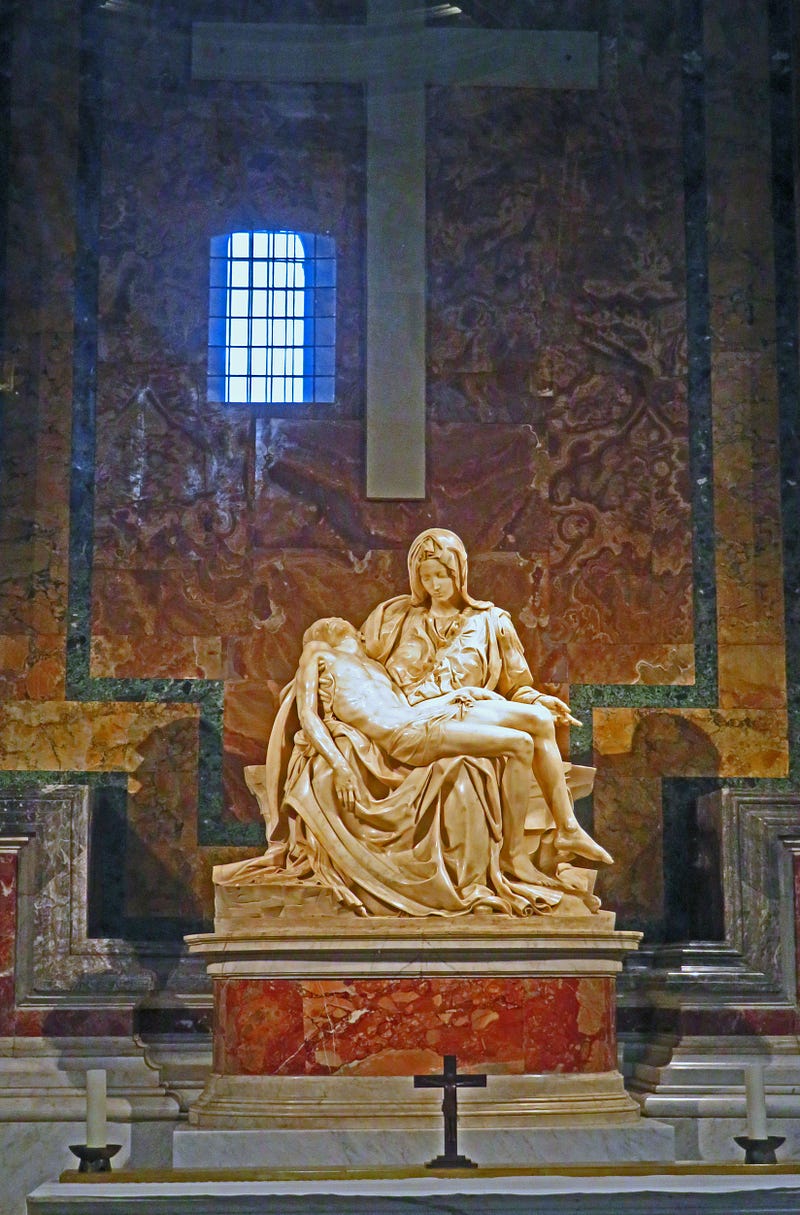
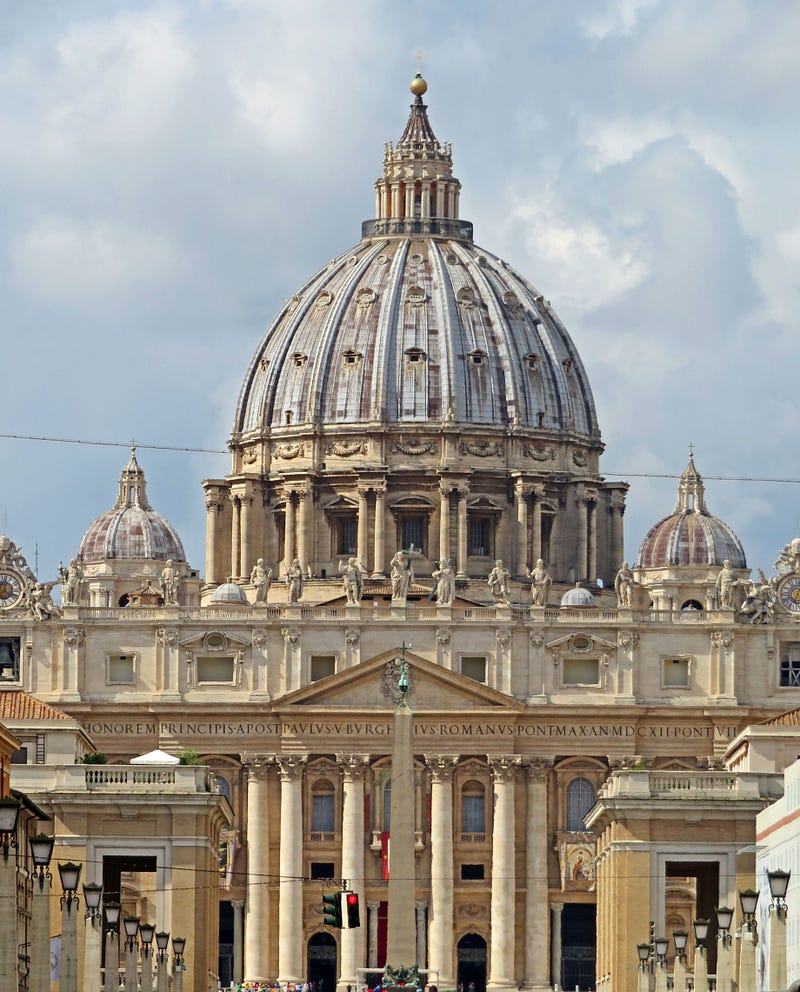
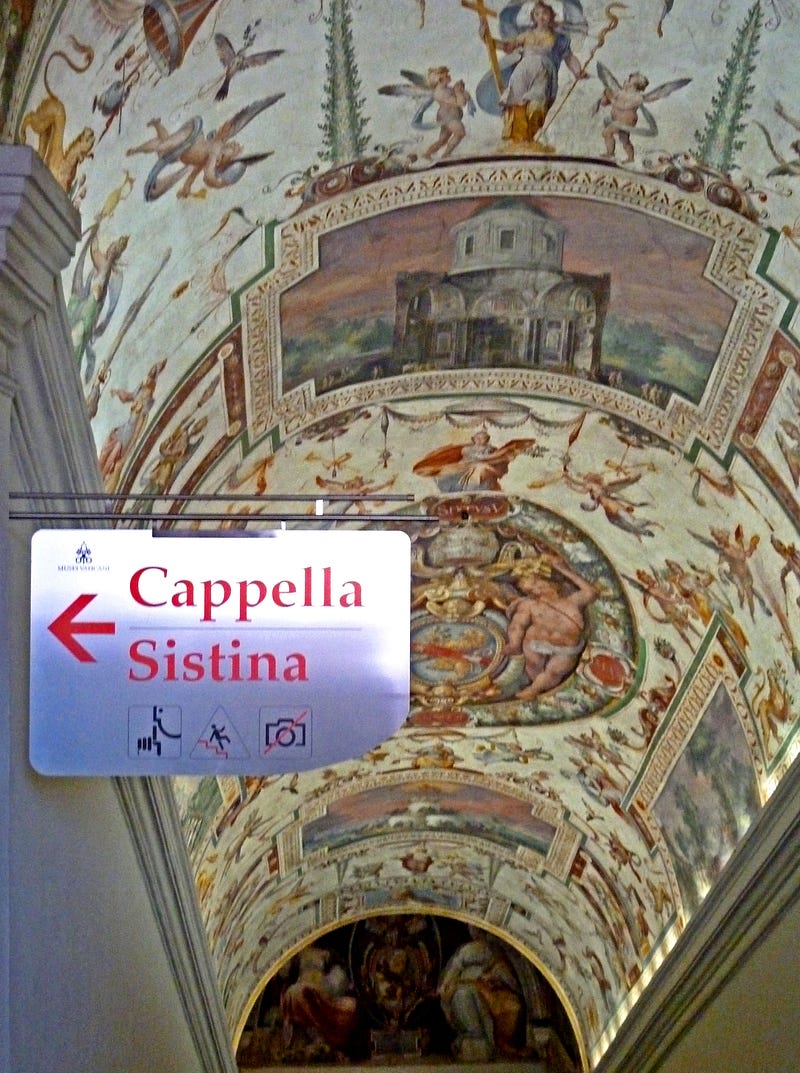
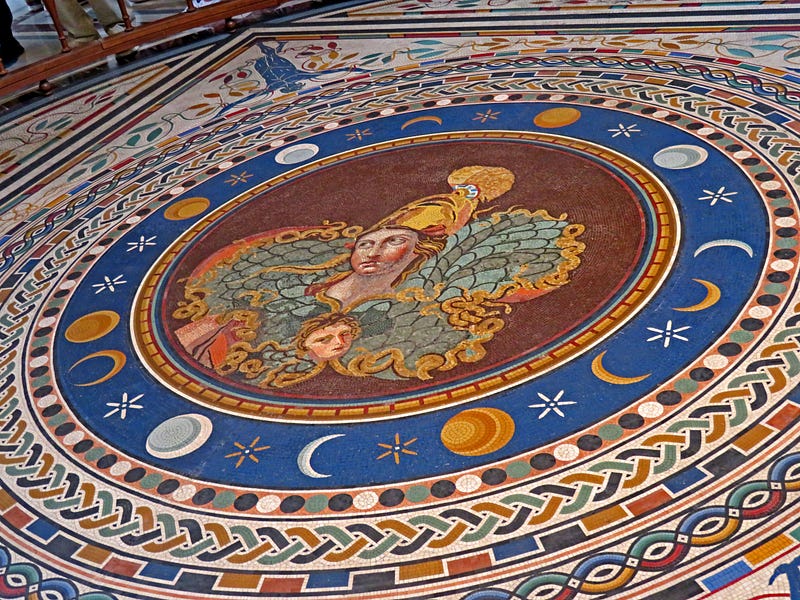
We paid for advance tickets for the obligatory tour of St. Peter’s Basilica, and the Sistine Chapel. While it is the largest church in this Roman Catholic country, it’s like visiting a museum. The artwork is spectacular, with sculptures and paintings by world masters, including Michelangelo’s iconic Pieta. You can also buy a separate ticket to climb to the top of the massive St. Peter’s dome for spectacular views of Rome.
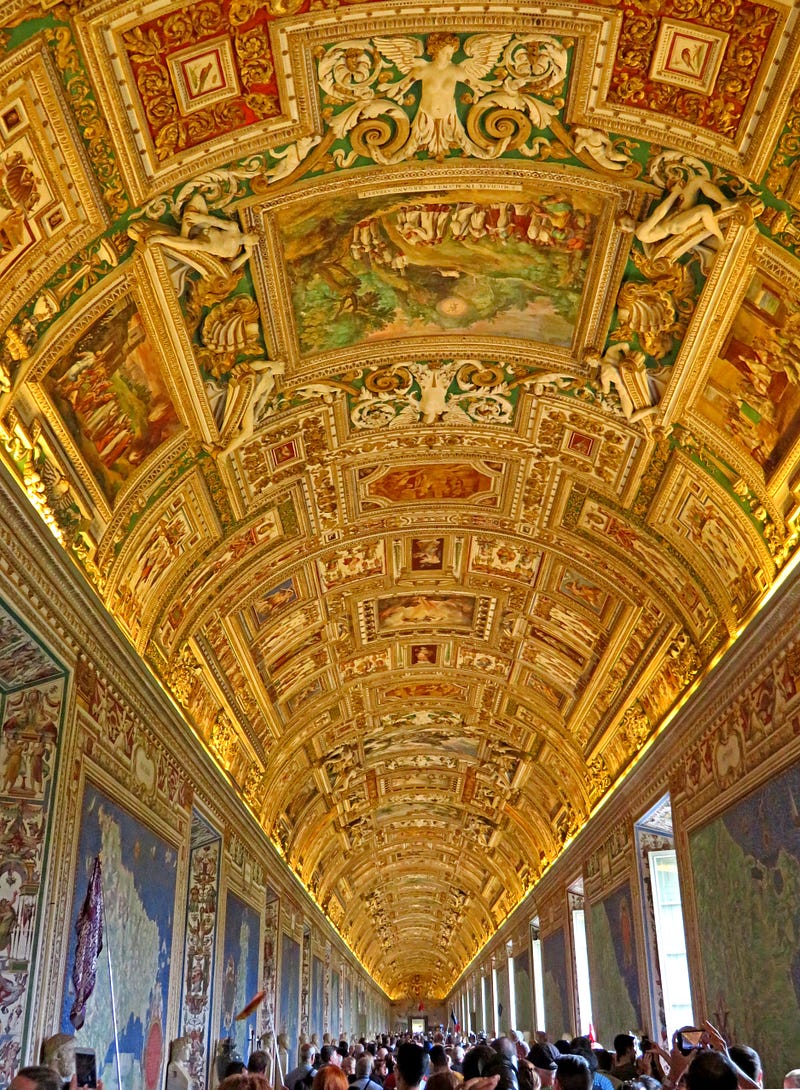
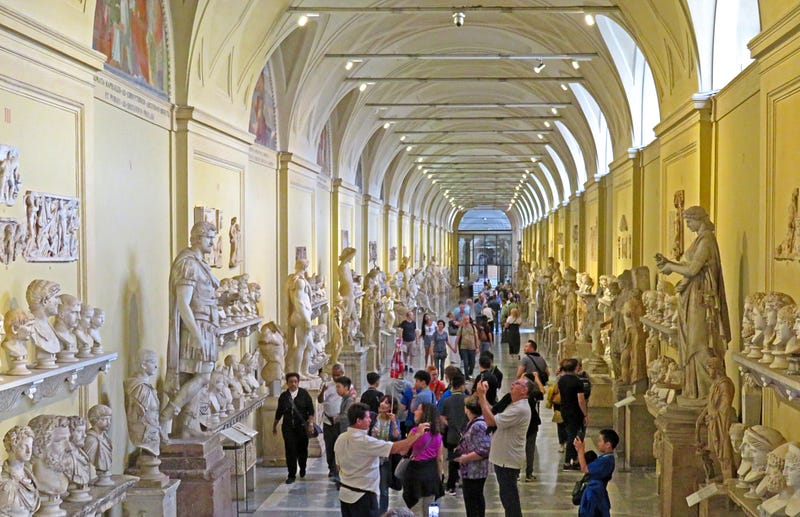
The Sistine Chapel and Michelangelo’s famous ceiling masterpiece is one of the biggest draws at the Vatican and is always very crowded. The frescoes were painted in the early 16th century and are considered by many to be one of the world’s greatest artistic achievements. Michelangelo didn’t do it alone. Other famous artist friends and teams of painters all helped him to complete the ceiling of the 12,000-square-foot chapel.
But don’t try to take a photo because it’s not allowed. It’s not because, as some believe, flash photos will damage the artwork. Even flashless photos are forbidden. It dates back to 1980 during renovations when Nippon Television from Japan contributed $4 million to the effort in exchange for exclusive rights to photograph and film the art. The ban was supposed to only last 3 years, but officials decided to keep it in place. People still manage to snap a couple of photos before guards stop them.
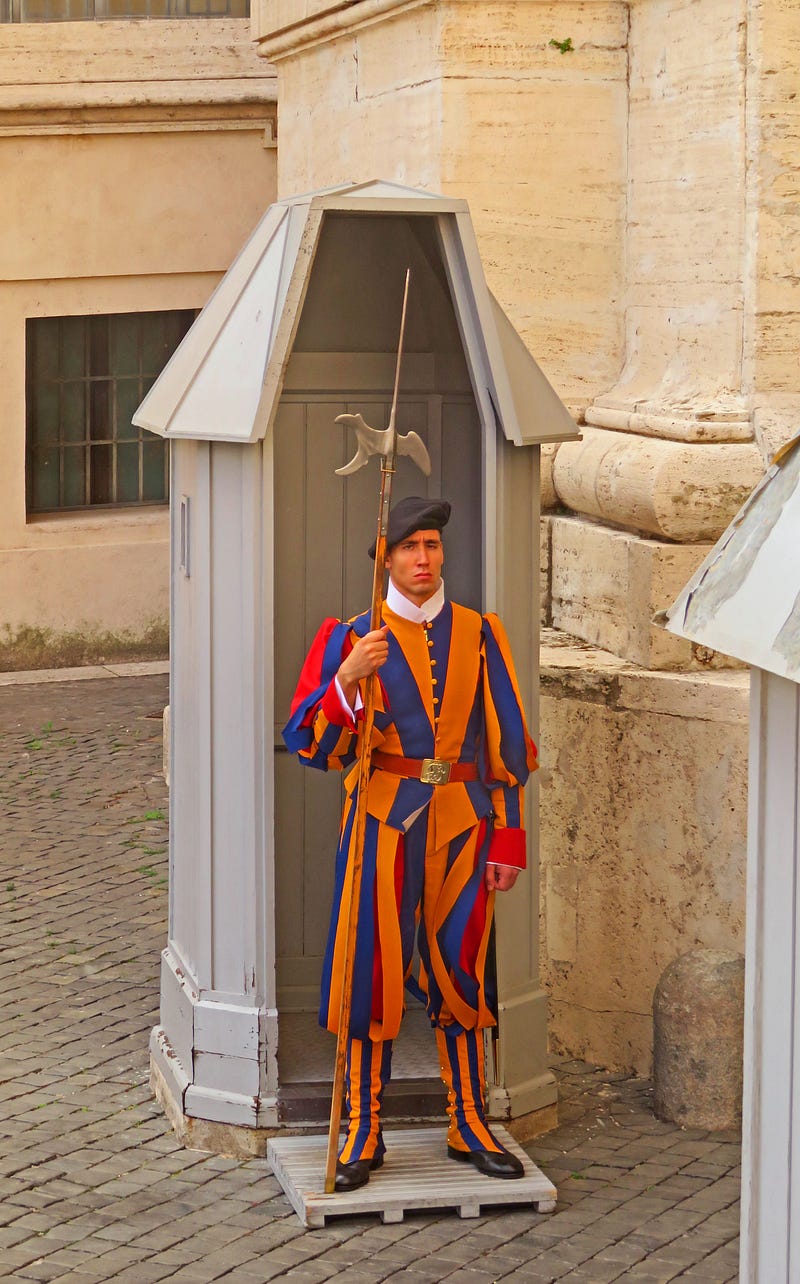
Of course, for any good Catholic, (or in my case even a lapsed catholic) a visit to St. Peter’s Square with all of its history and the colorful Swiss Guards, is a solemn experience.
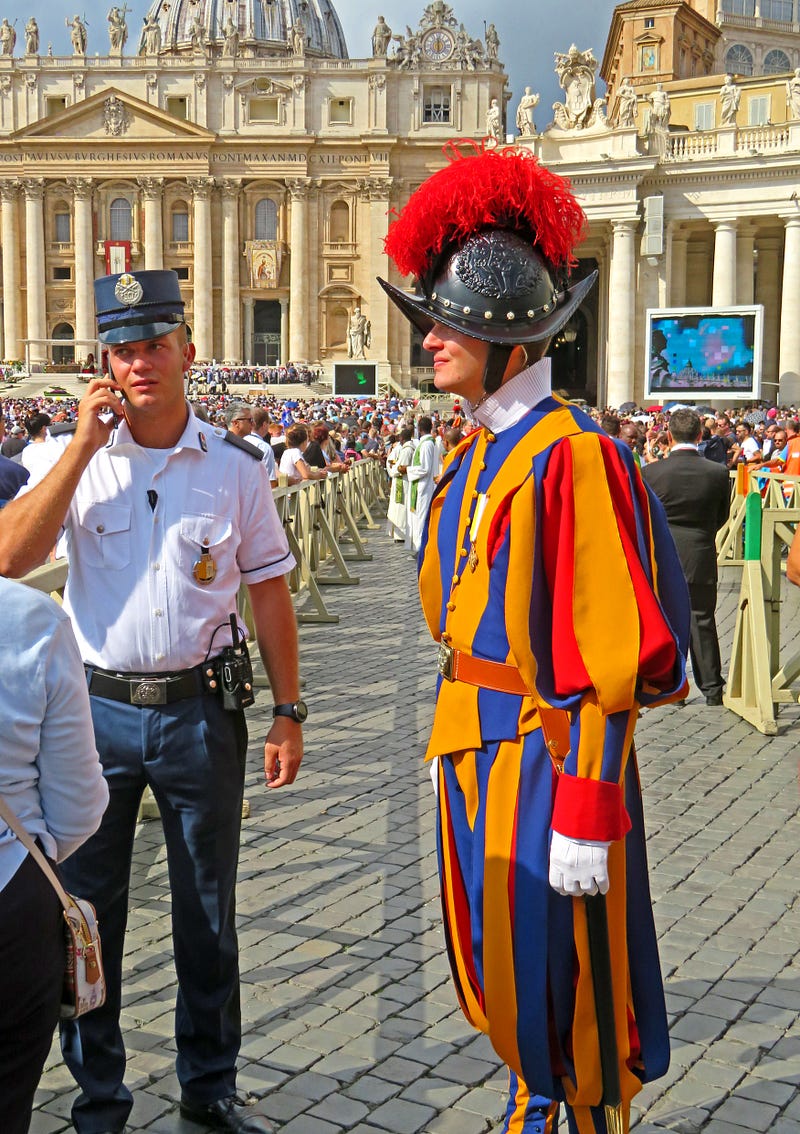
It’s a bonus when the pope is delivering mass or delivering his weekly Angelus from the papal balcony. We were lucky to be there when he was conducting mass in the square.
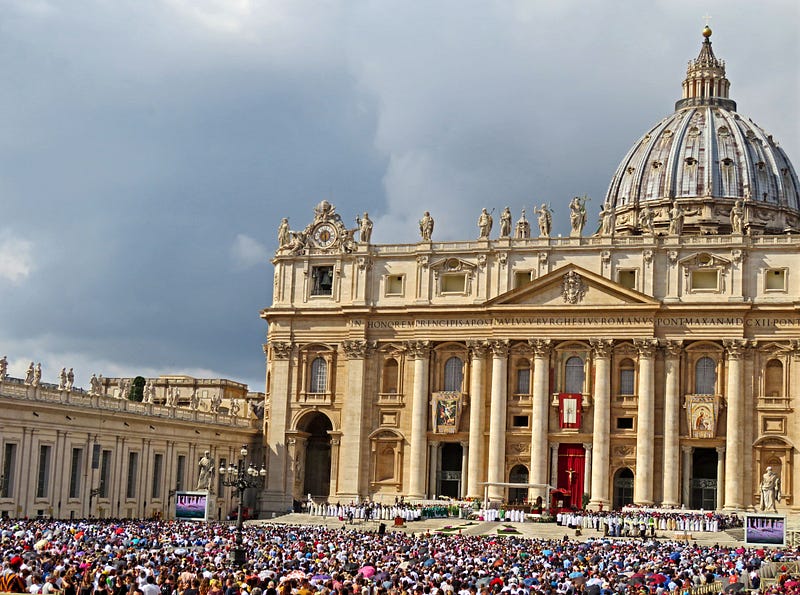
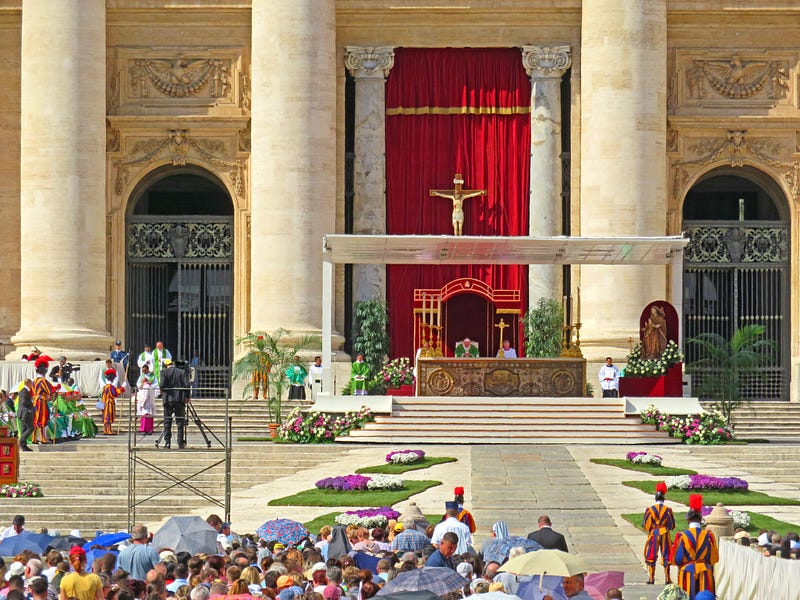
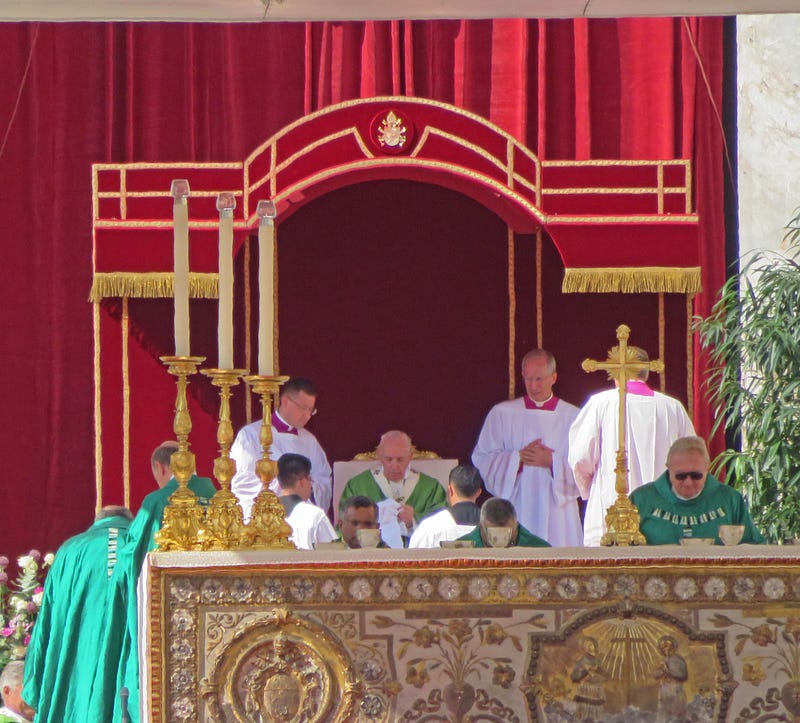
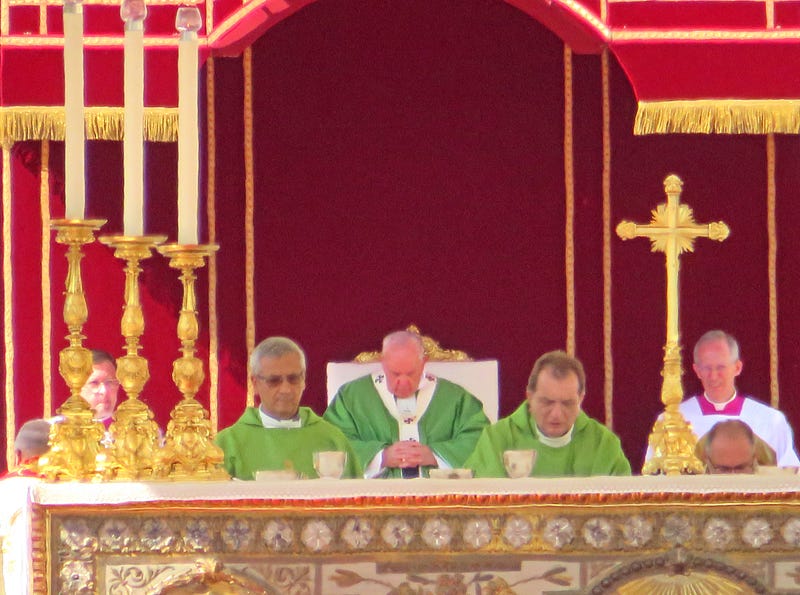
Rome has more than 900 churches, most of which are Catholic. And while you can stop in and say your prayers, you can also take a self-guided tour and get up close to some of the greatest classical artworks ever created.
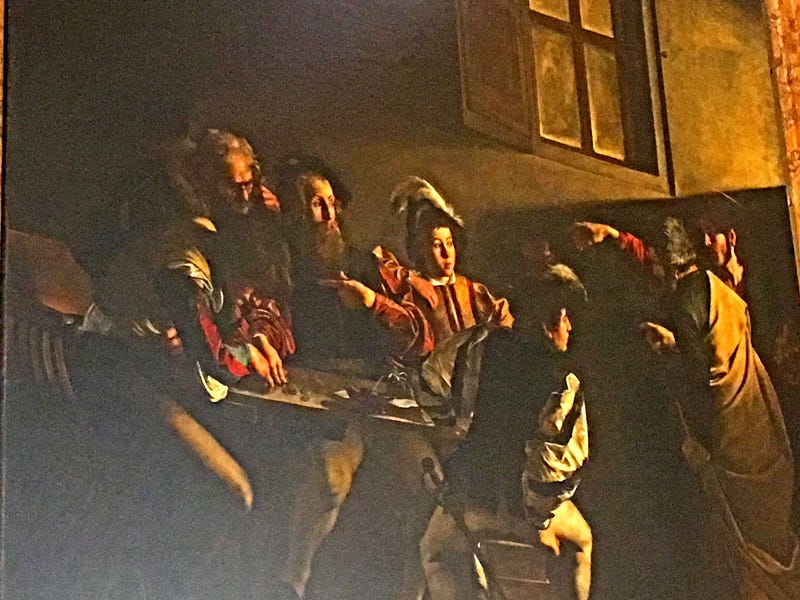
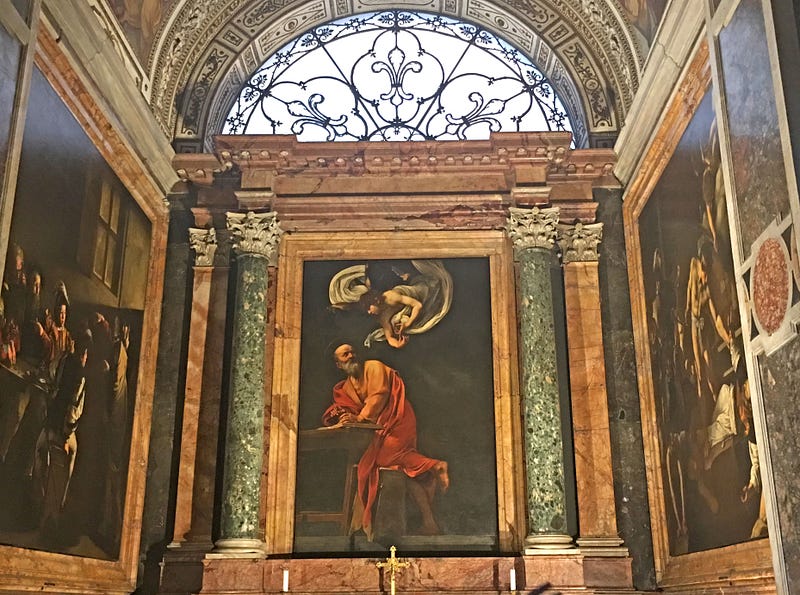
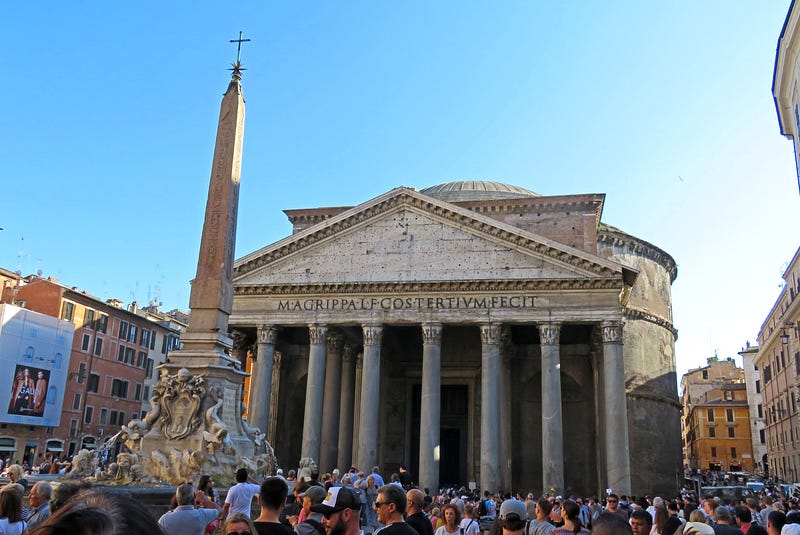
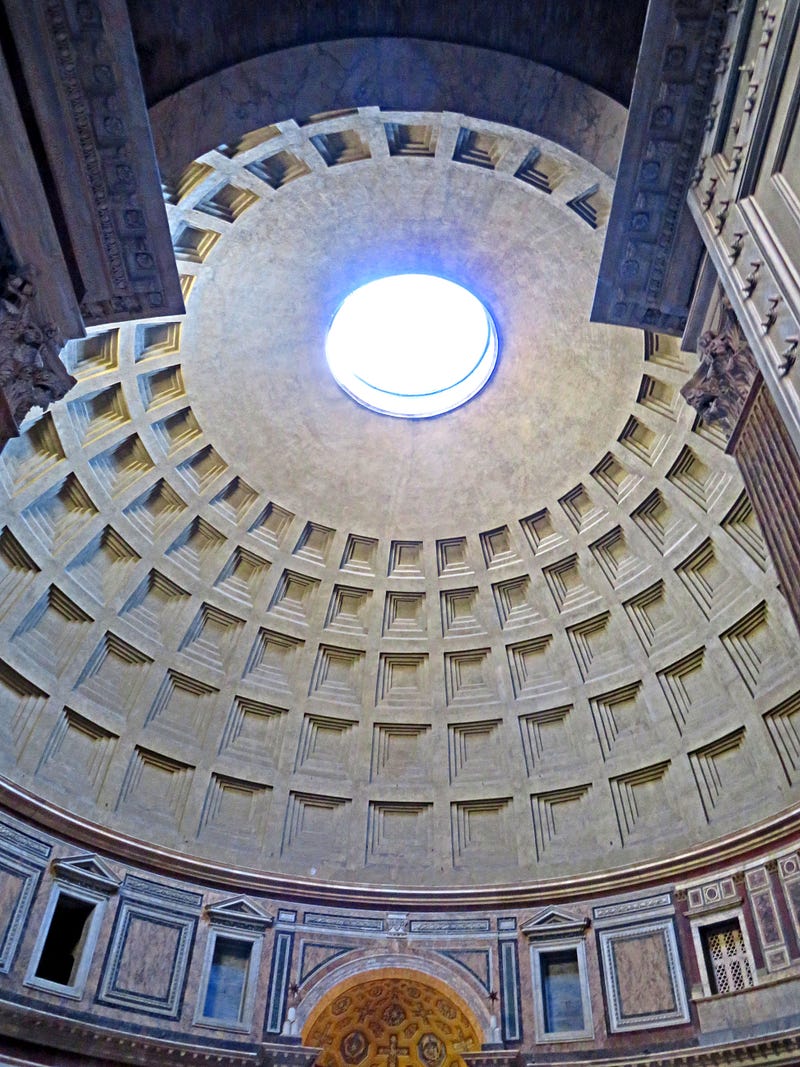
There are so many other highlights of Rome that are a must-see, like the Pantheon, a 2000-year-old Temple to the Gods, and the final resting place of artist Raphael.
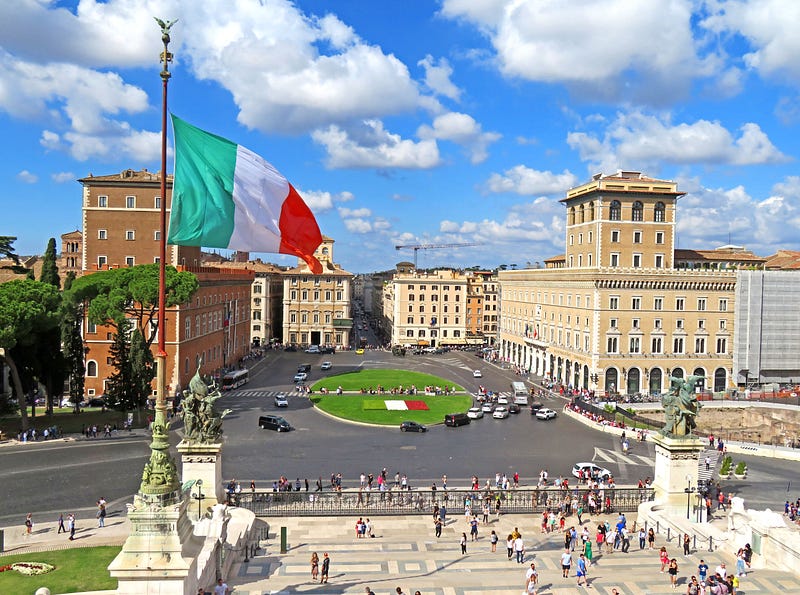
The Altar of the Fatherland is a monumental white marble complex featuring numerous statues. Front and center is a bronze statue of Vittorio Emanuele II on horseback. He is credited with the unification of Italy in 1861.
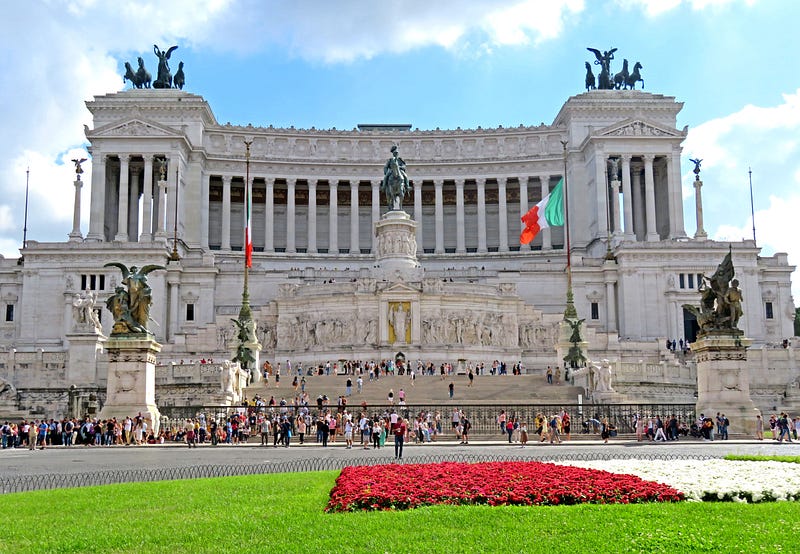
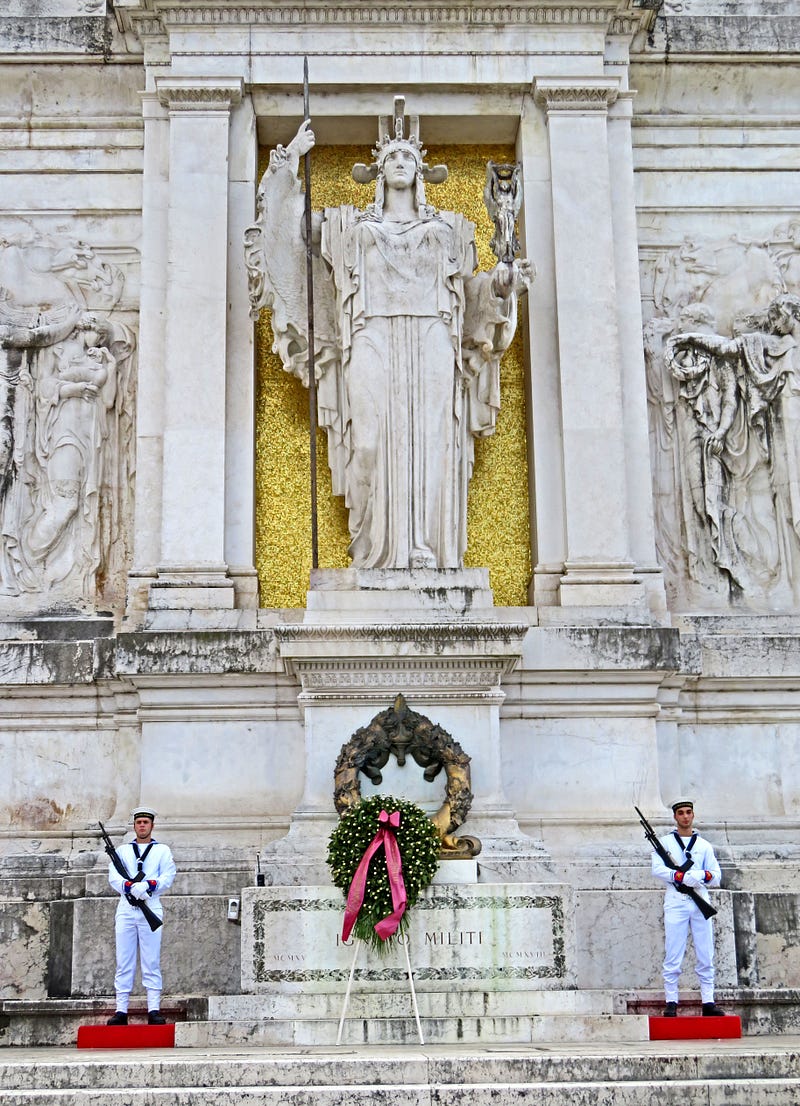
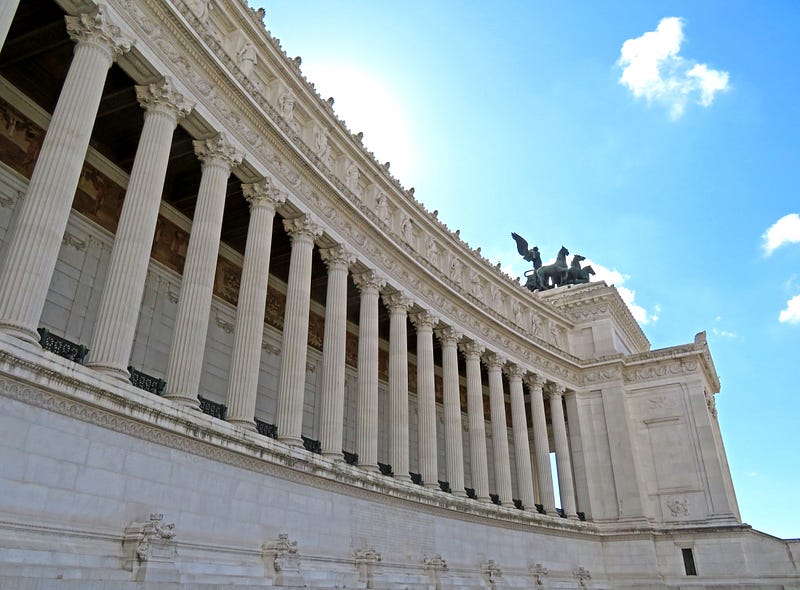
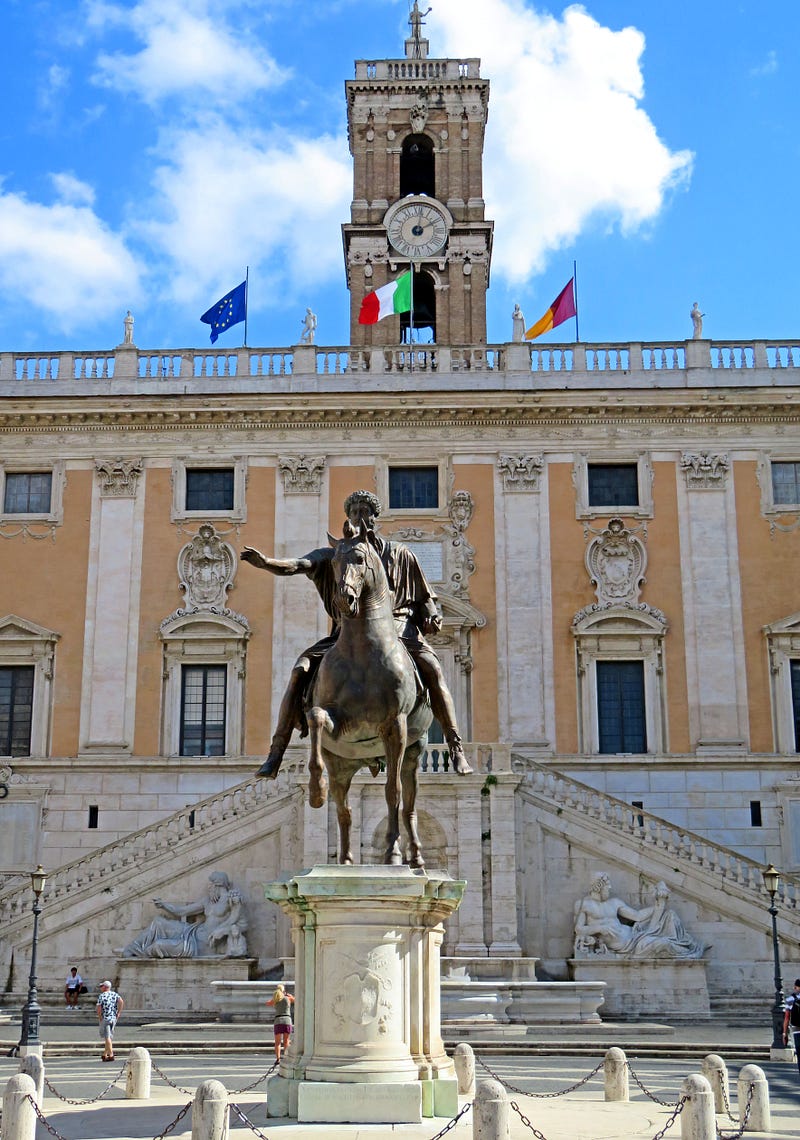
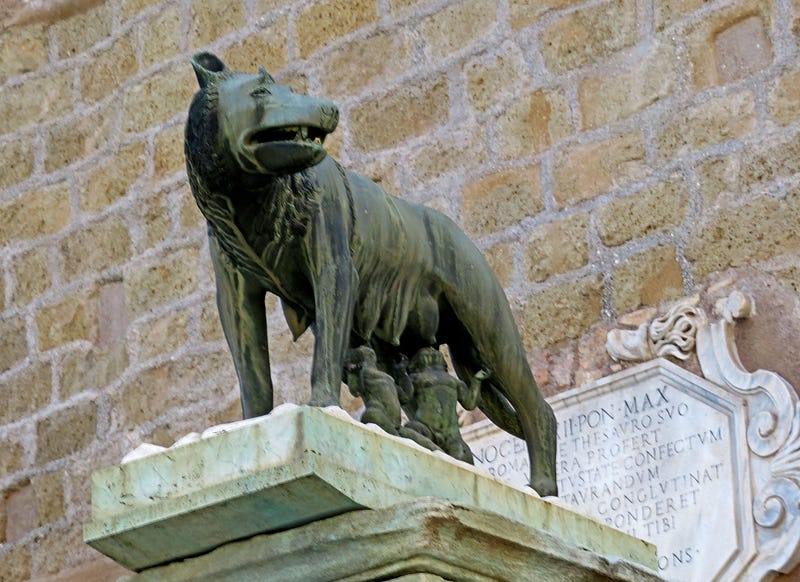
Take the stairs at the back of the site to Piazza del Campidoglio, designed by Michelangelo. There’s a bronze replica statue of Marcus Aurelius and the iconic statue of the Capitoline Wolf as she allowed Romulus and Remus to suckle from her. The brothers are credited with founding Rome.
But really the best way to enjoy Rome is to simply stroll through the streets, and take in the sights, the sounds, and the aromas of this historic city. It’s really like no other place in the world.
Thank you for reading. For more of my favorite travel destinations, you can check out my list of stories:


