
Eating My Way Around The World
Some of the best meals I’ve ever had
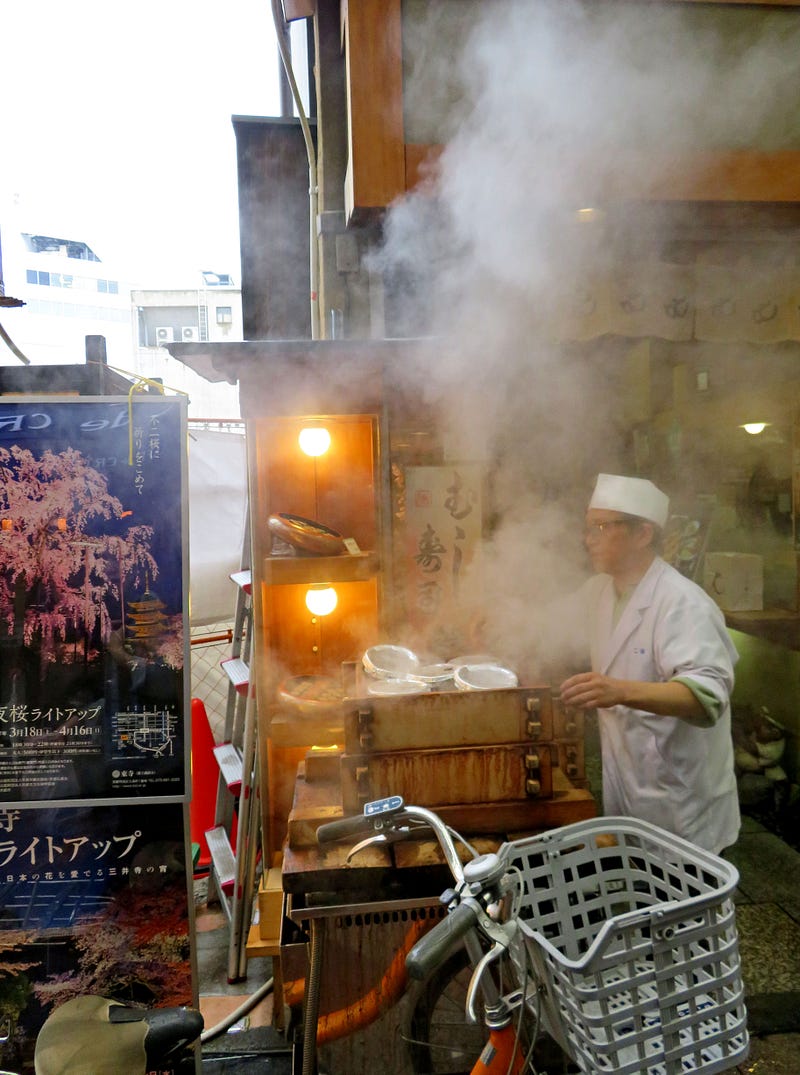
One of the things I love to do when traveling is to eat my way through the many countries I have visited, sampling the various foods that make each place special, and what an amazing gastronomic adventure it has been.
India
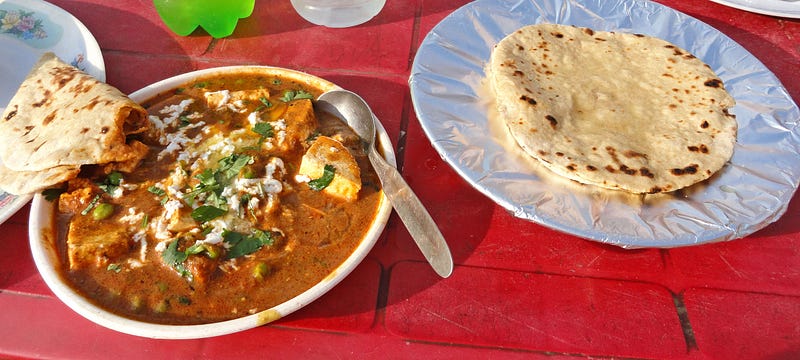
In India, I sampled regional cuisine from the north to the south and everything in between. Most times, the chef would temper the spices knowing they were cooking for a westerner.
Every region of India has its specialties, but there are a lot of things that remain the same — no beef (except for a filet mignon at a high-end restaurant in Goa) and a heavy emphasis on vegetarian dishes. The curries are the best I have ever eaten (not a big surprise), the Dal Mughani (lentils and beans) my favorite, but many times would set my mouth on fire.
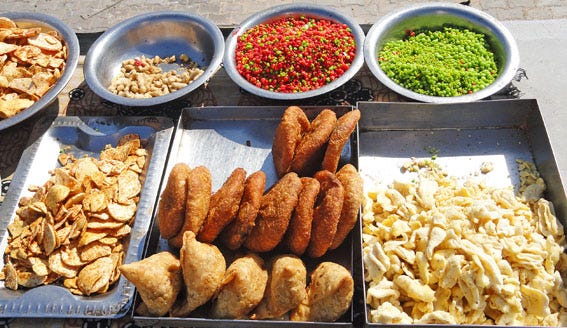
I love Samosas, the perfect snack food or quick lunch on the run.
I had some from a street food vendor in Jaipur that were remarkable, crispy, and filled with vegetables that had been slow-cooked for hours in spices and served with a mint chutney sauce that was simply spread over a piece of newspaper. They were large and filling, but I could have eaten a hundred of them.
Other standouts were the Chicken Seekh Kebab in Udaipur, melt-in-your-mouth tender and served with a mint chutney sauce that had a spicy edge to it. I also had a lentil curry at the Blue Moon Café on Havelock Island, spicy and rich with cardamom, ginger, and cinnamon.
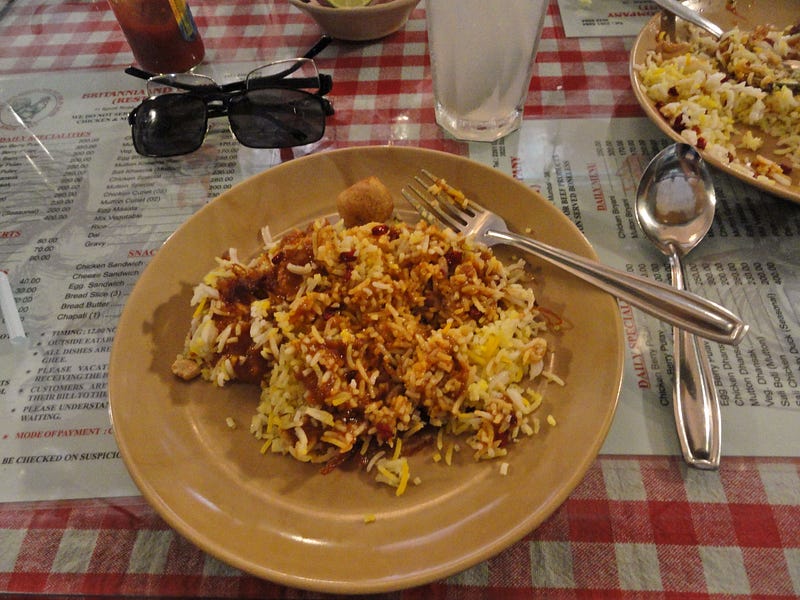
In Mumbai, I had my first taste of Parsi food, a blend of Iranian and Indian cuisines.
It was at a restaurant near my hotel in the Fort area called Mumbai and Co (A Persian restaurant named Britannia in Mumbai. Very multicultural.) I had the Chicken Berry Pulav (another name for Pilau or Pilaf). Fluffy, spiced basmati rice piled high, with curried chicken pieces buried underneath and all topped with a mixture of tart barberries, crispy fried shallots, and nuts. Delicious.
My friend also had a lime soda, which was unlike anything I’d tasted before. The sour lime was mixed with salt and sugar, hitting all the taste profiles in every sip.
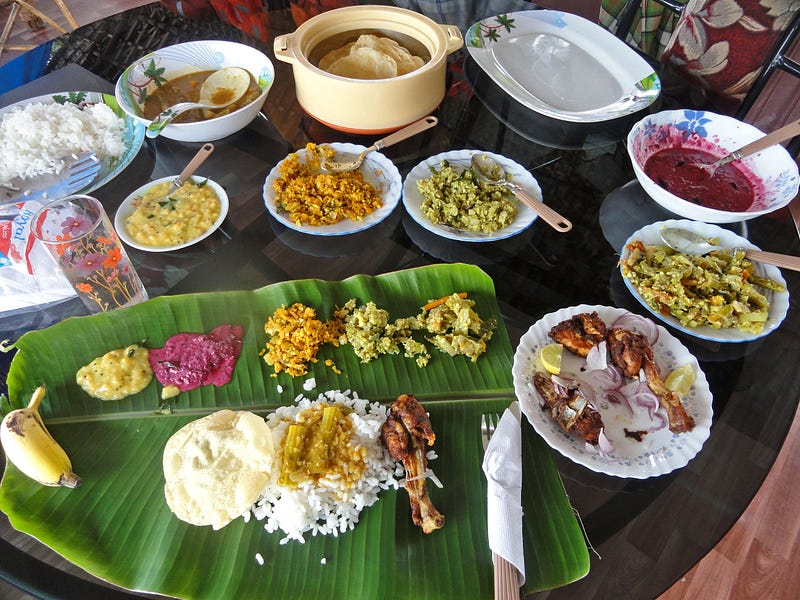
I’ve never been much of a fish or seafood fan, growing up on the Canadian prairies it was usually frozen and shipped, but the fresh fish I ate in Kerala was tender and sweet with none of the ‘fishy’ smell or taste I was used to. I had to rethink my seafood aversion.
Every meal I ate while on the Kerala houseboat was a feast, laid out on a banana leaf, and all just for me! If you visit India, the best way to sample the food is to order Thali, a mixed plate of the restaurant’s specialties.
Middle East
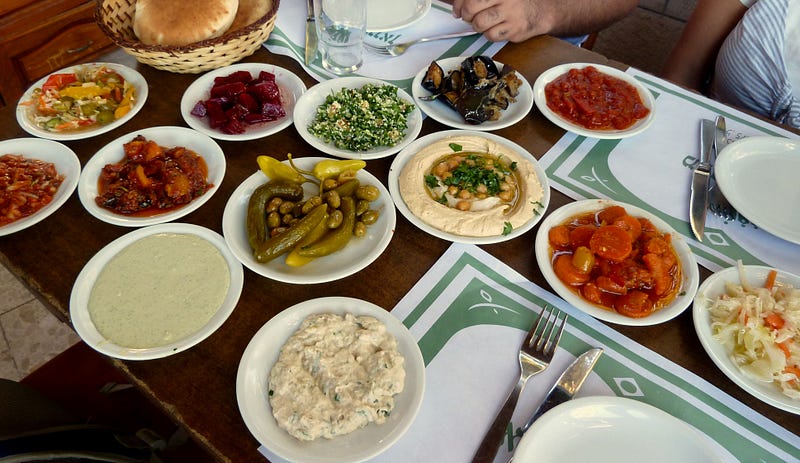
In the Middle East, the flavors and foods changed yet again. I was finally able to eat beef after being deprived in India. But it was the simple dishes of hummus and pita, fresh olives, dates, and falafels that I enjoyed the most. Just about every Arab or Jewish restaurant I visited would deliver a platter full of small salad plates, without asking, to nibble on while we waited for the main course.
You can refuse, but why would you?
Egypt
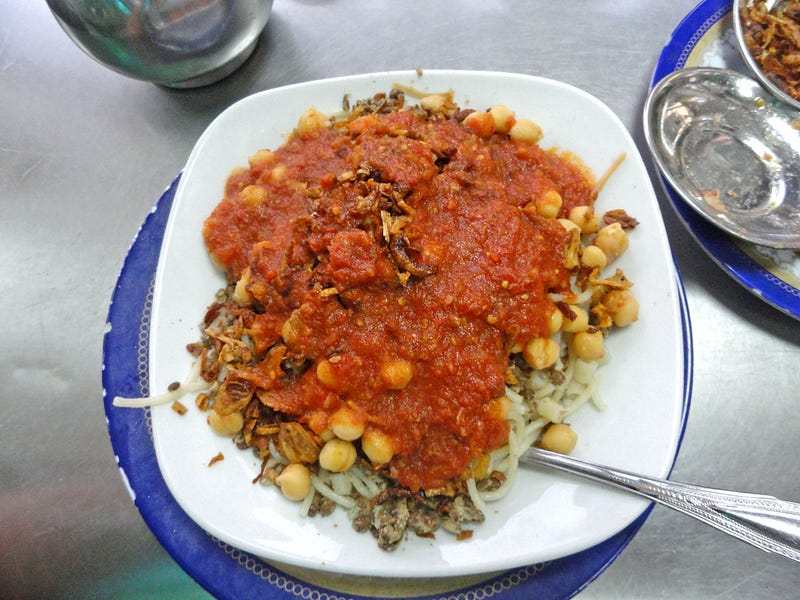
In Egypt, I tried Koshari, a mix of different kinds of pasta and rice, chickpeas, and onions that were fried to a crispy brown, turning them nutty and sweet and all smothered in a tomato sauce. It is a specialty snack food and the best place to sample it is Abou Tarek in Central Cairo near Tahrir Square. There is only one location, but it has expanded over the years to 6 floors to accommodate all of its fans. The owner has been making it for over 50 years, the recipe never changing from the original success.
Israel
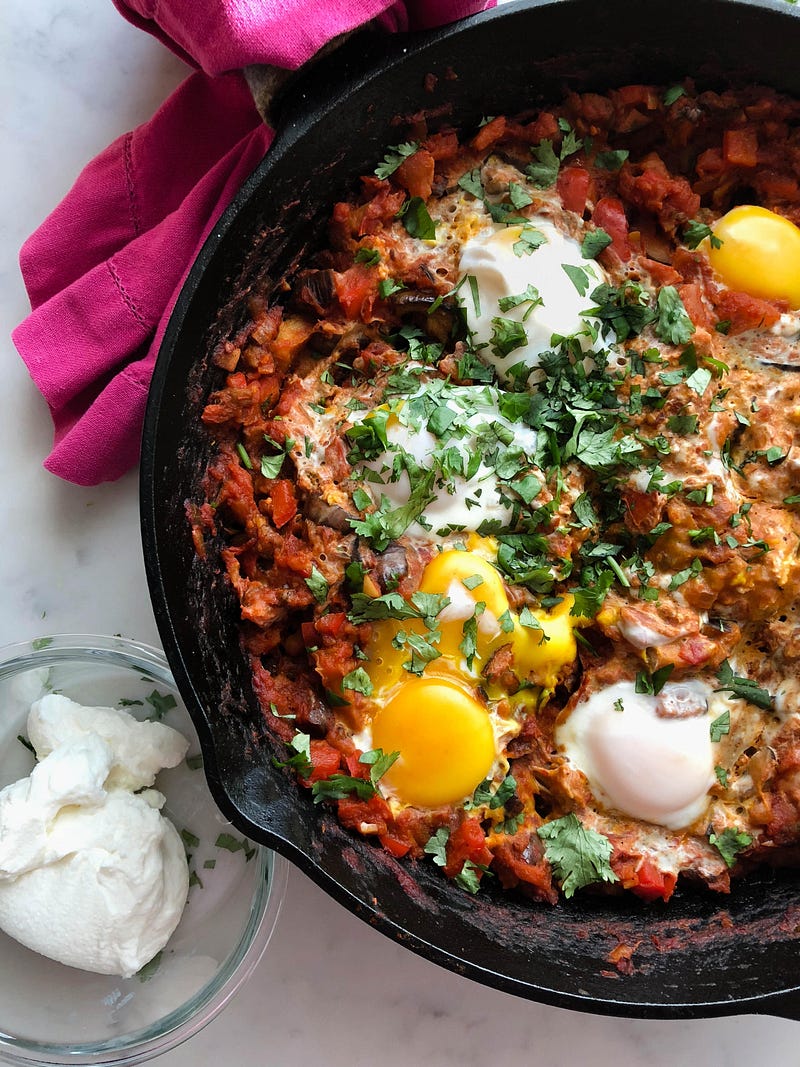
In Israel, a quick breakfast is Bourekas (puff pastry topped with sesame seeds) but when you have the time, Shakshuka is a hearty meal at any time of the day.
It is considered a national dish even though it traces its origin to Tunisia and everyone claims to make it the best. It’s a spiced tomato sauce simmered for hours with garlic, cumin, and lots of paprika, peppers (sweet or spicy or both), and onions, and then eggs are poached in the sauce for the last 10 minutes. It’s usually served in the cast iron pan it was cooked in and is even better topped with Labneh (soft Middle Eastern cheese).
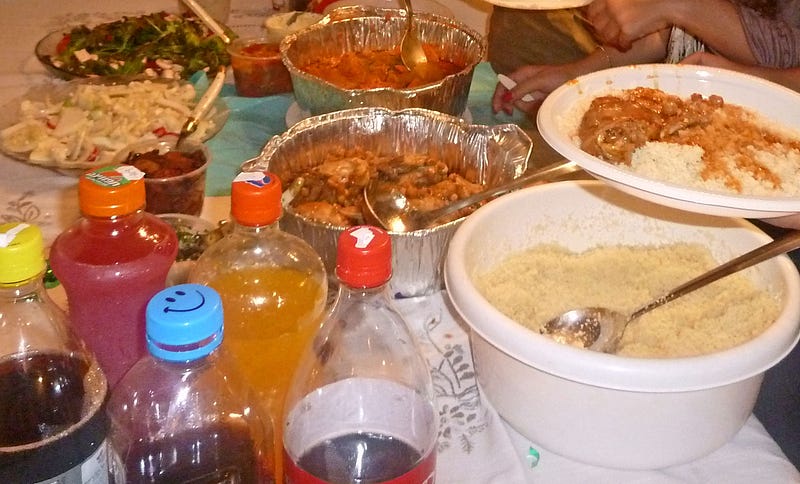
The best couscous I have ever eaten was in Israel. I first had it at the Shabbat lunch I attended, homemade by my Moroccan/Israeli friend Hannah. It was creamy smooth (absolutely no lumps!) having been strained by hand 3 times over about 2.5 hours.
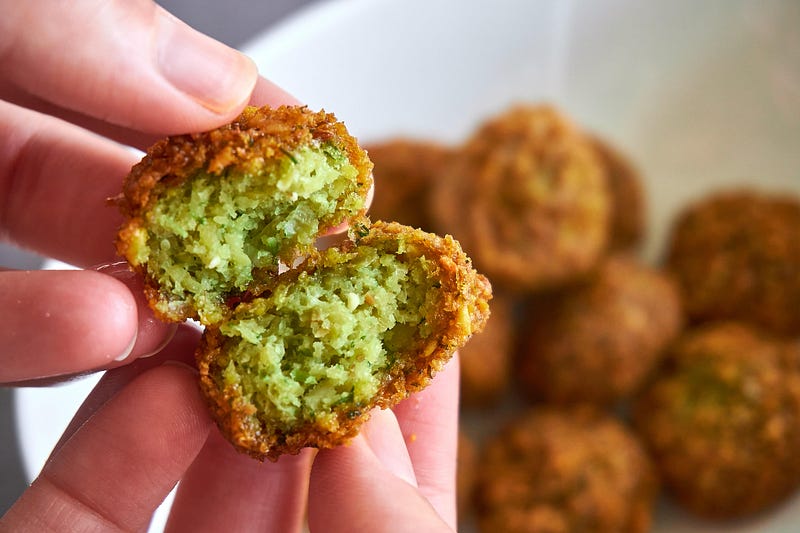
When in the Middle East you have to try some of the local fast food — Shwarma or the vegan Falafel. There was a falafel stand near where I lived in Ramat Gan, Israel and I used to pick up a falafel pita for a snack, for about a buck each. Along with the regular toppings, hummus and tahini, I would also get a splash of Amba, a tangy pickled mango sauce.
Vietnam
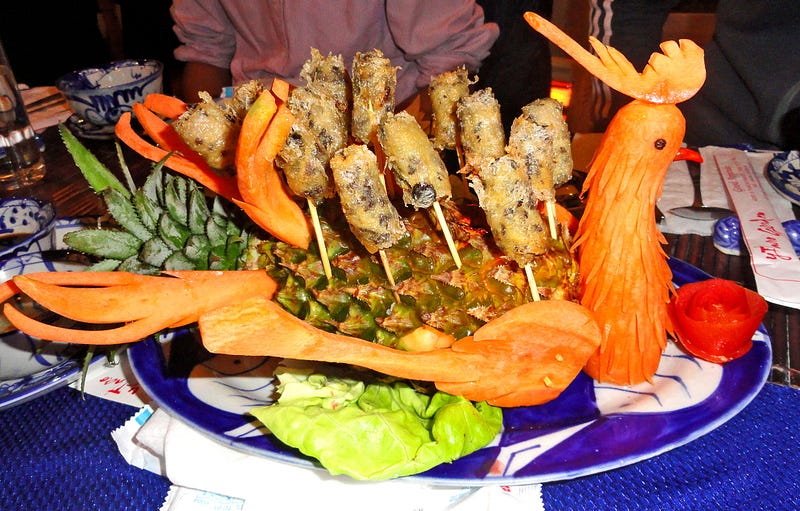
In Vietnam, the food varies from the North to the South with the spicier dishes in the southern part of the country. Again, fresh fish in the Mekong Delta can’t be missed. I love the spring rolls in the south, crispy without the greasy texture you find at many western restaurants, but they are served with iceberg lettuce leaves and mint. I’d simply wrap the roll in a lettuce leaf with a few pieces of mint and then dip it into the spicy fish sauce… very memorable.
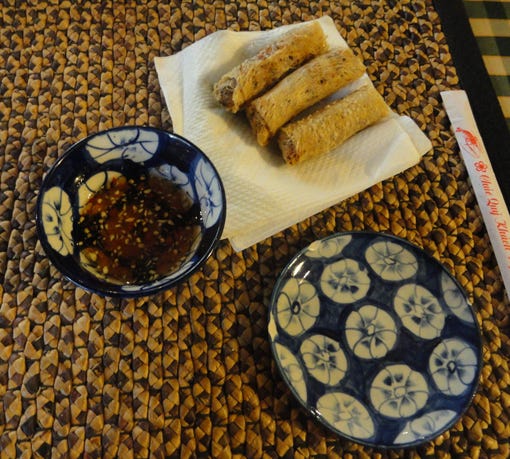
I even took a cooking class in Ho Chi Minh City and learned how to make the spring rolls crispy and not greasy (you put the spring rolls in the oil as you are heating it, not when it is already hot — which sounded counter-intuitive but it works!).
Japan
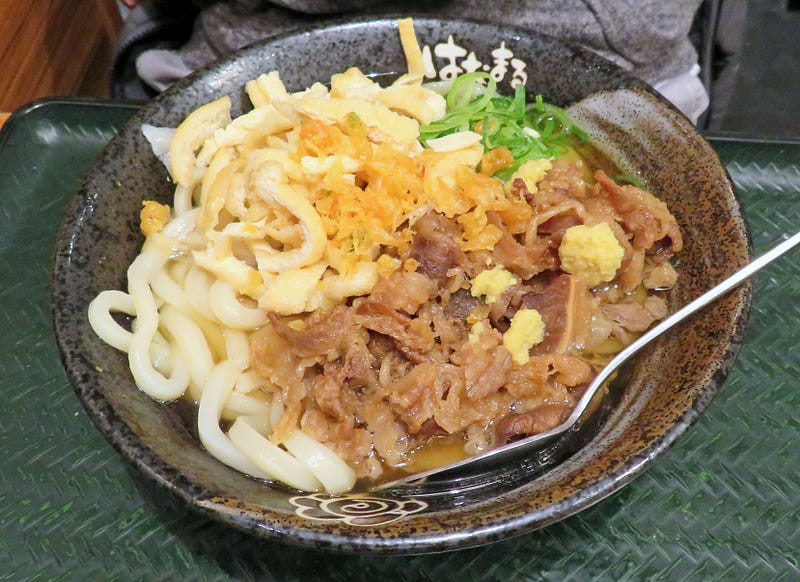
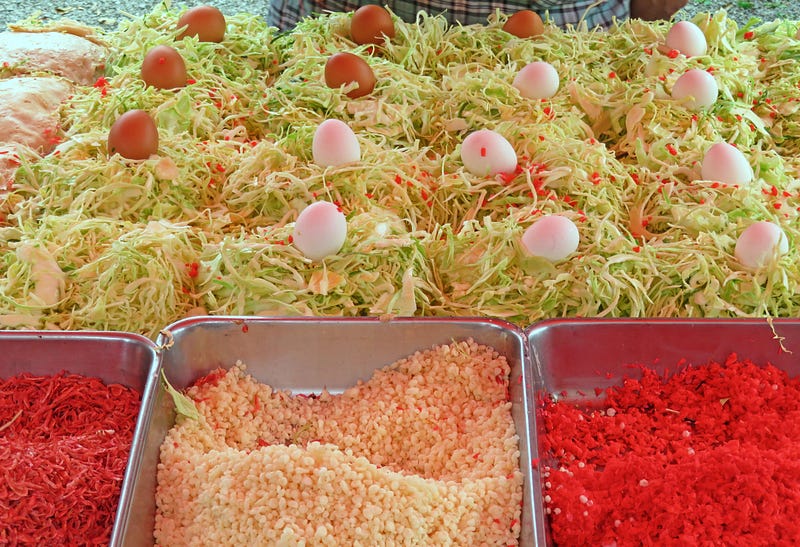
In Japan, food, like most things, is treated as an art form and they feature ingredients that are unusual in the western hemisphere. But that’s not to say it isn’t delicious as well. Ramen and Okonomiyaki (pancakes topped with a pile of toppings including cabbage and an egg) are Japanese comfort food.
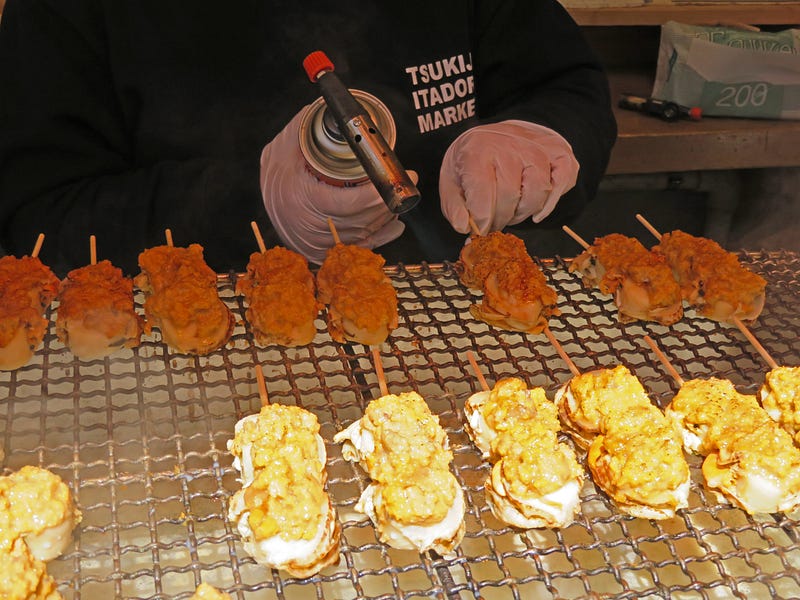
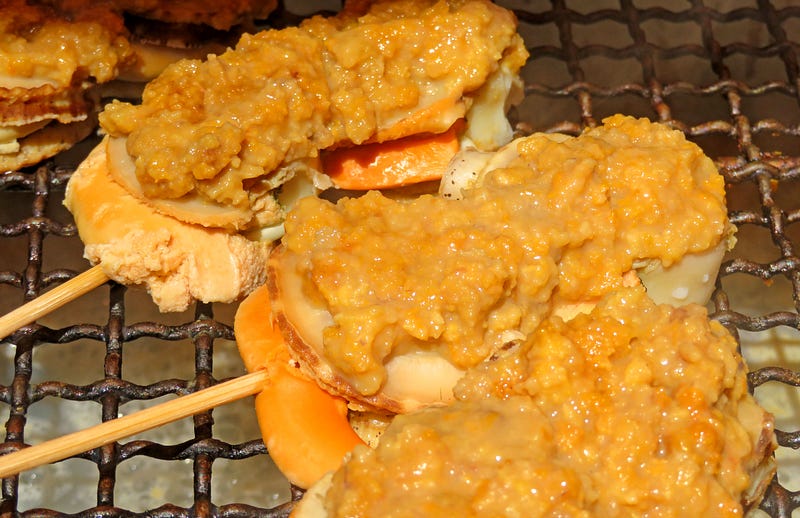
On my first night in Tokyo, I went to an Izakaya (bar) with a friend. We drank beer and sampled several dishes, including Kawa, which is a chicken skin deep-fried to a crispy golden brown that you dip in different sauces. A few days later I was eating fresh Uni, sea urchin, at the Tsukuji Fish Market — raw except for a brush with the blowtorch. It was salty-sweet with flavorful umami, delicious.
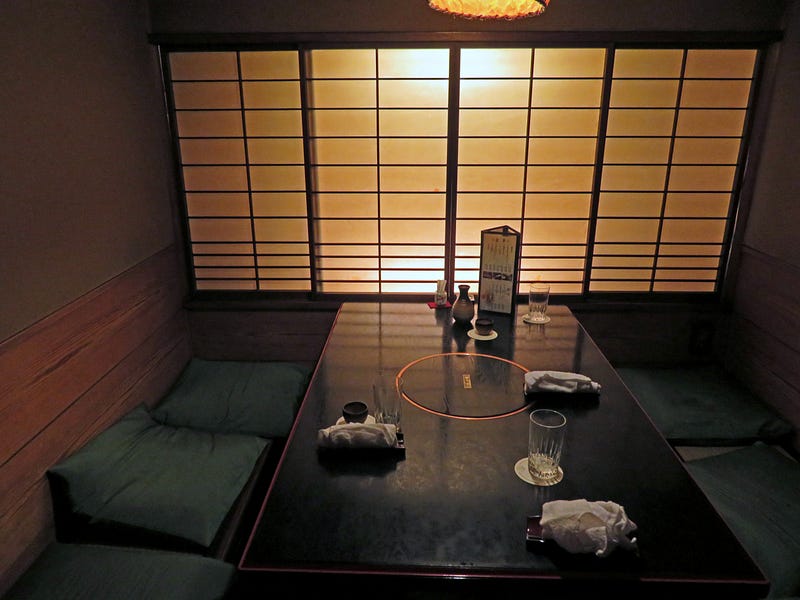
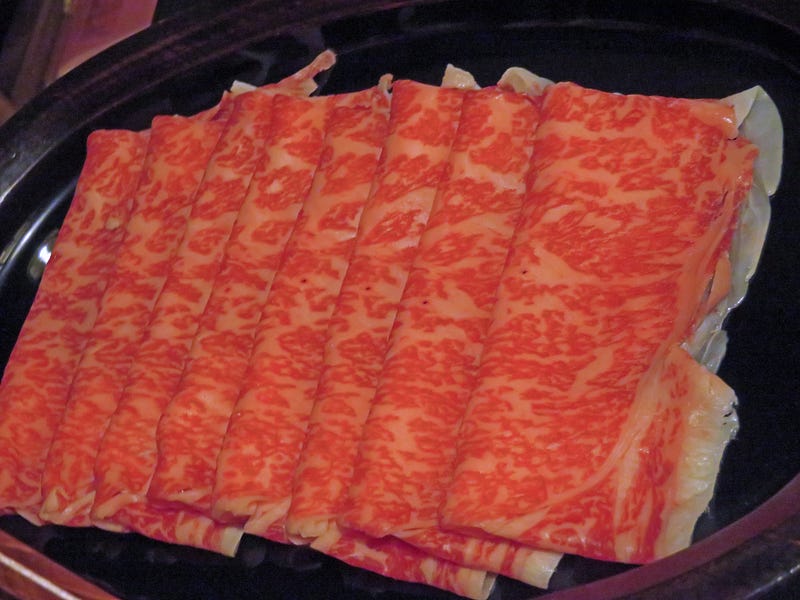
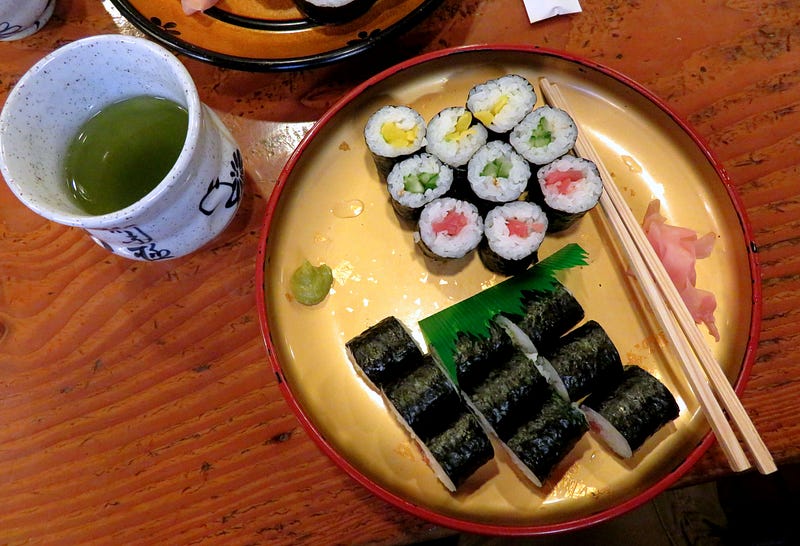
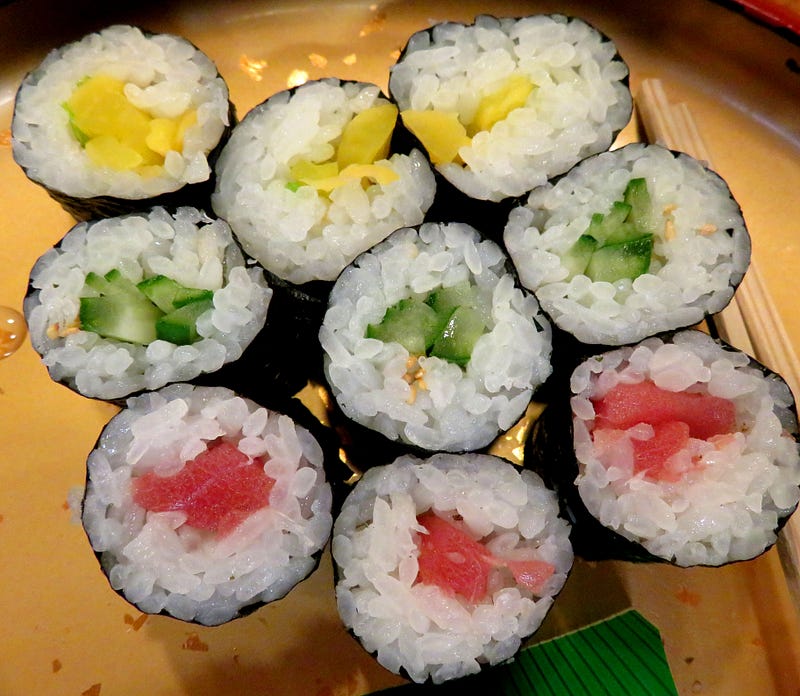
I also went to a traditional Shabu-Shabu restaurant where a couple of friends and I ate more than our fair share of Wagyu beef (described as the world’s most expensive) which had fat marbled through it. You cook it for a few moments in a hot simmering stock at your table and then dip it into sauces. Beef should always be eaten like this. It was melt-in-your-mouth tender and the flavor of the meat was in the spotlight. And of course, you can’t go to Japan without eating sushi. I had some great sushi at a small restaurant on a shopping street in Kyoto.
Italy
Italy, that gastronomic powerhouse, has given me some great meals and also a lot of meh, not-so good. The first time I was in Italy, I ate mostly in the tourist areas as I was trying to hit all the main attractions. I learned quickly that restaurants in tourist areas (especially when the menus are in English and posted on the front window) are not the best representation of Italian cuisine.
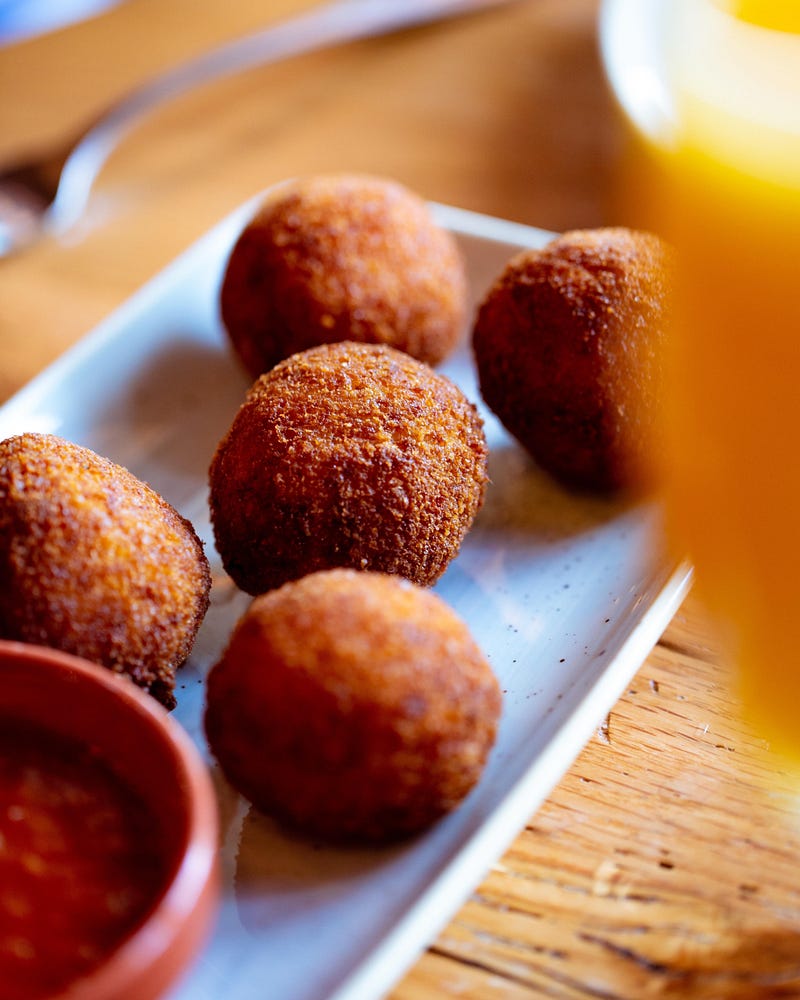
The next time I was back in Italy I still had to eat when I was touring around the Piazza del Popolo in Rome with a friend, when we took one of the side streets that radiate from the square and with our stomachs rumbling we stopped at the first fast food place we found, for some arancini that were the best I have ever eaten, to this day. They were crisp on the outside, filled with soft and creamy risotto, a little tomato sauce, and a piece of stringy mozzarella in the center. I have tried to find anything that comes close to restaurants everywhere and have not found anything that compares.
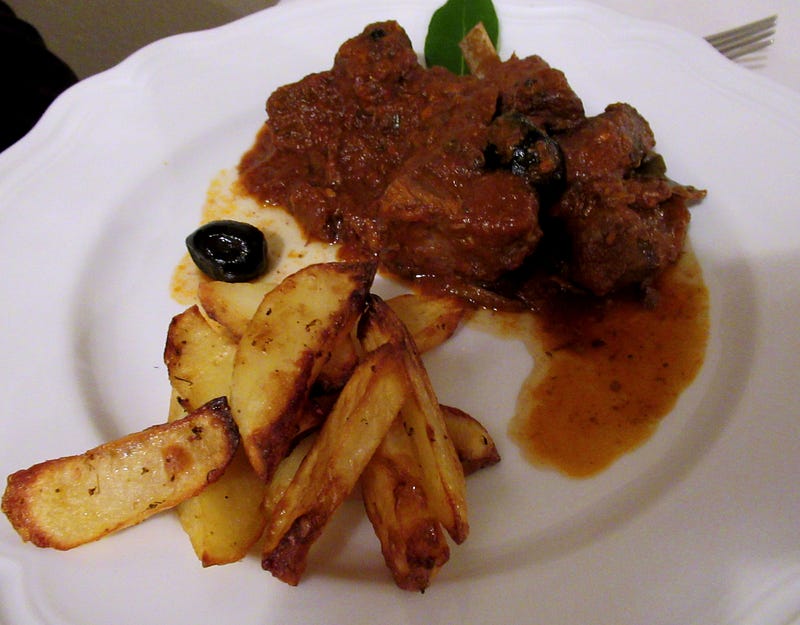
One other dish that I still dream about is one that my friend ordered in the tiny medieval Tuscan town of Pitigliano. The restaurant, La Corte del Ceccottino, was actually owned by the same family that ran the boutique hotel we were staying in. The food from start to finish was perfection, and I was a little jealous when my friend ordered the wild boar ragu served with puffy roasted potatoes, salty black olives, and a sage leaf for decoration. I am drooling right now just thinking about it.
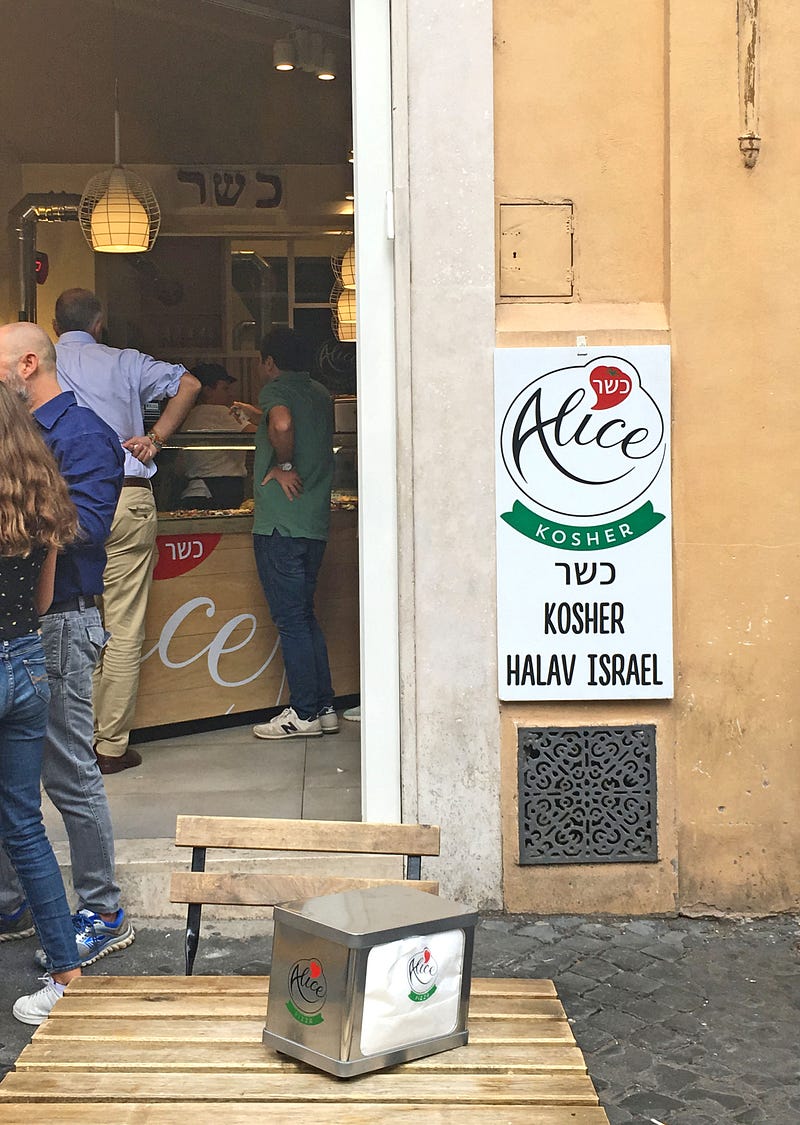
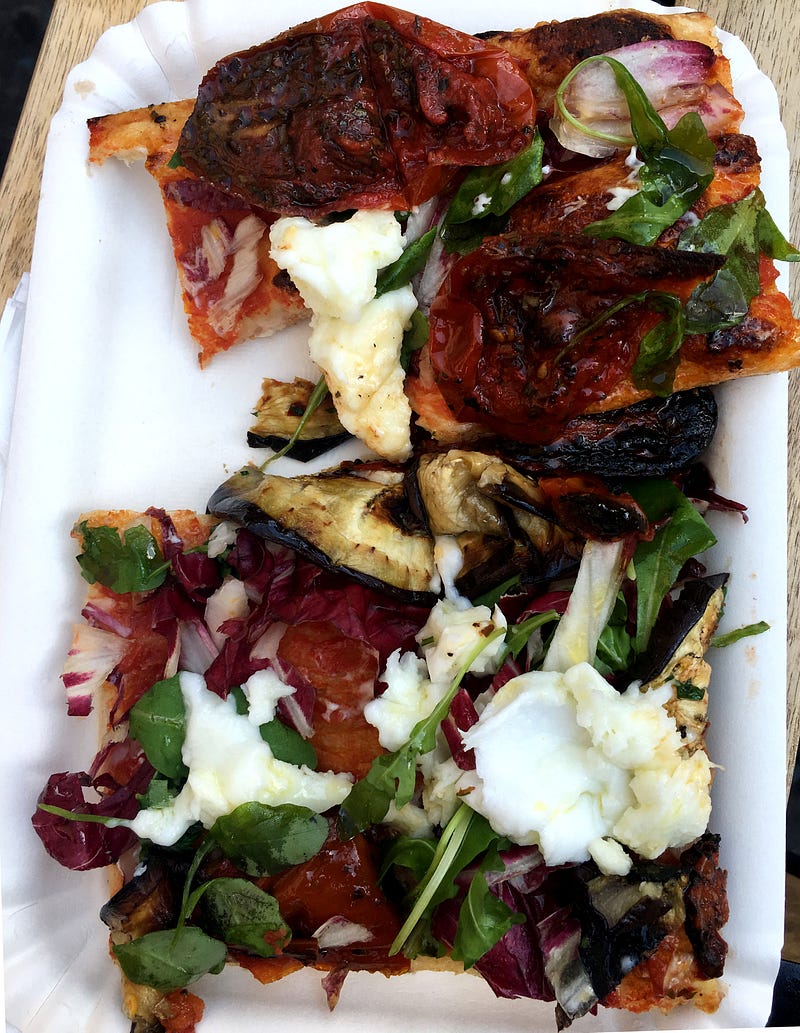
The pizza in Italy was okay, including Naples, which is supposed to be the birthplace of pizza, but it was not what I expected. That is until I wandered into Rome’s Jewish neighborhood, Rionne XI-Sant’Angelo, and had a couple of Kosher pizza slices that rivaled any pizza I had ever had. The crust was thin and crisp, the way I like it and the toppings were regional and fresh. I have since come to learn that Alice Kosher Pizza is franchised with restaurants across Rome and in other countries around the world, including one in Philadelphia, but so far not in Canada.
Portugal
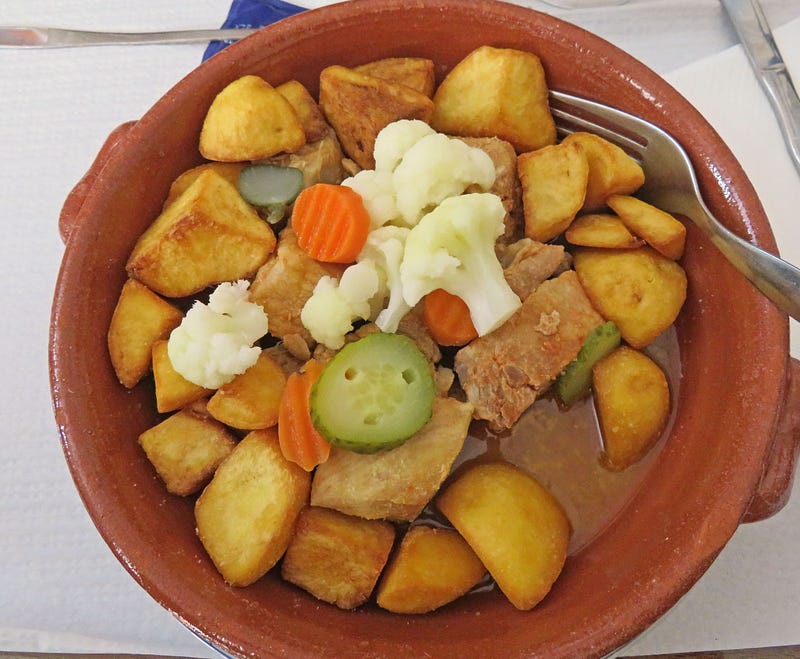
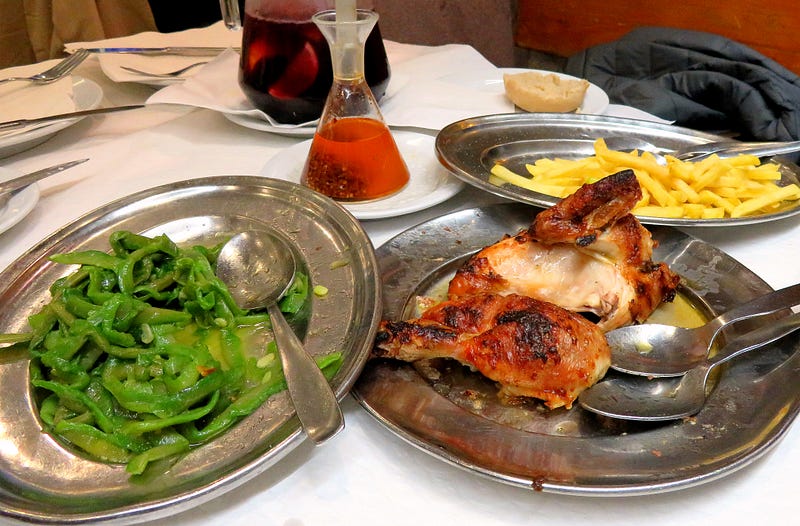
In Portugal, pork and seafood reign. While not really a pork fan, I thoroughly enjoyed garlic pork, chunks of pork simmered for hours in a vinegar, and garlic marinade. Of course, Portugal is famous for its Piri Piri chicken, grilled with a spicy pepper sauce.
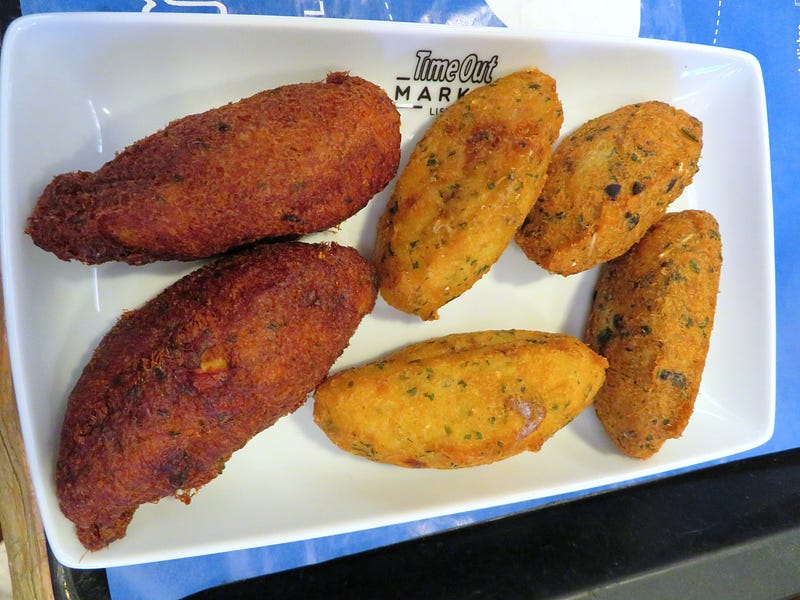
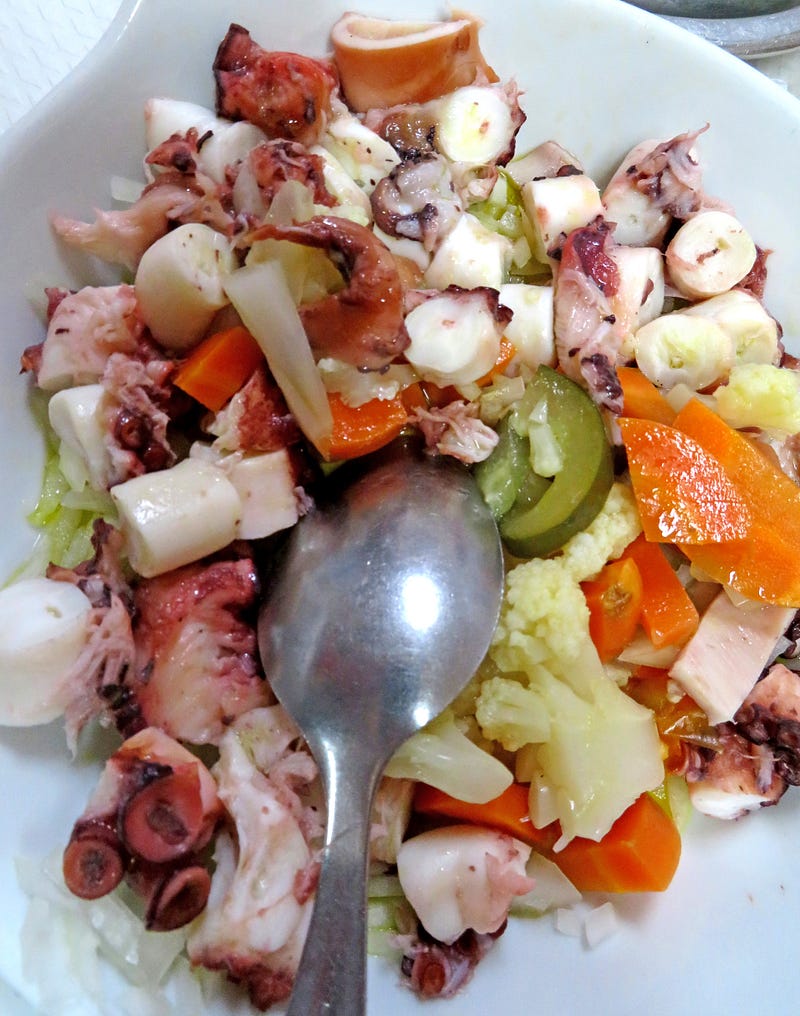
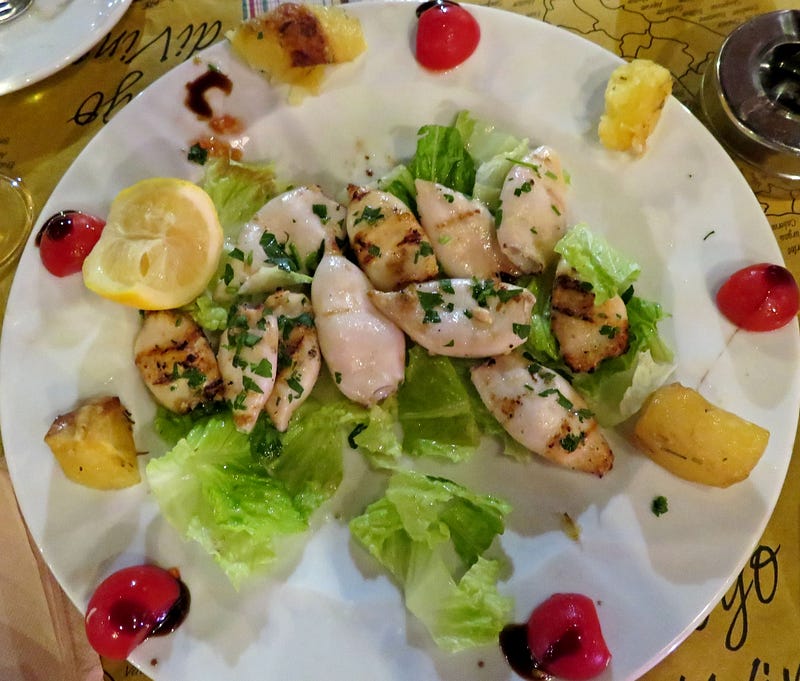
When it comes to seafood, everything you can imagine is available in the coastal areas. Cod or Bacalhau is ubiquitous and you can’t visit without trying the cod cakes. I also fell in love with grilled octopus, which I had avoided most of my life after trying rubbery calamari years ago.
I decided to try the octopus salad at a busy little restaurant on a side street in Lisbon. After that, I was a fan and continued to order grilled octopus or squid (not deep-fried) whenever it was available and I was seldom disappointed because it was usually fresh, tender, and sweet.
Spain
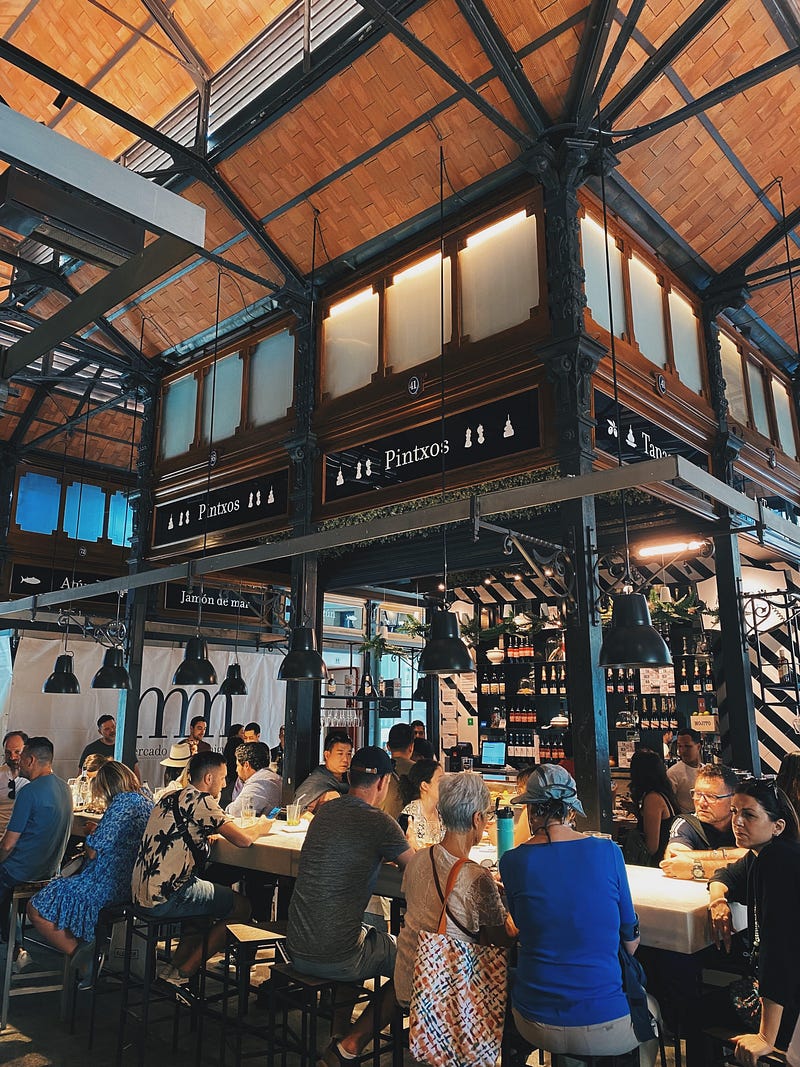
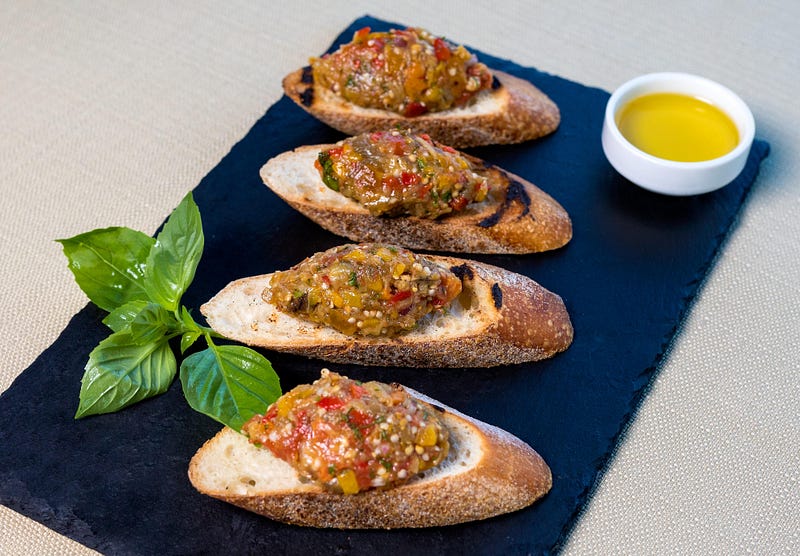
Spain has given me some of the best meals, best coffee, best pastries, and best of all Tapas. I love hors d’oeuvres and tapas or pintxos take that to the next level. I would sample as much as I could eat and then have to walk around clutching my stomach for hours until I could squeeze in a little chocolate.
I had some very good pintxos in Madrid at the Mercado San Miguel. But the best I’ve had was in Barcelona (it’s also very popular among locals and so is usually crowded) is Sagardi BCN Gotic in the El Born district. You just go up to the bar and order a drink, get a plate, and start grazing.
When you are done, you return your glass and plate to the waiter WITH the toothpicks still on the plate. They count the toothpicks and charge you accordingly. It’s all on an honor system, so don’t try to pocket a few toothpicks. You’ll get called out by the patrons if you try it.
When I was there one night a guy at the bar pointed to the floor and was laughing and speaking in Spanish (okay so he was drunk), I looked down and saw a toothpick on the ground by my foot so I quickly counted the toothpicks on my plate and said it wasn’t mine. Then, as I approached the counter to pay, one of the toothpicks from my plate fell on the floor and as I bent down to pick it up, the guy at the bar pointed to it and burst out laughing. A warning to anyone else who might consider cheating their tab.
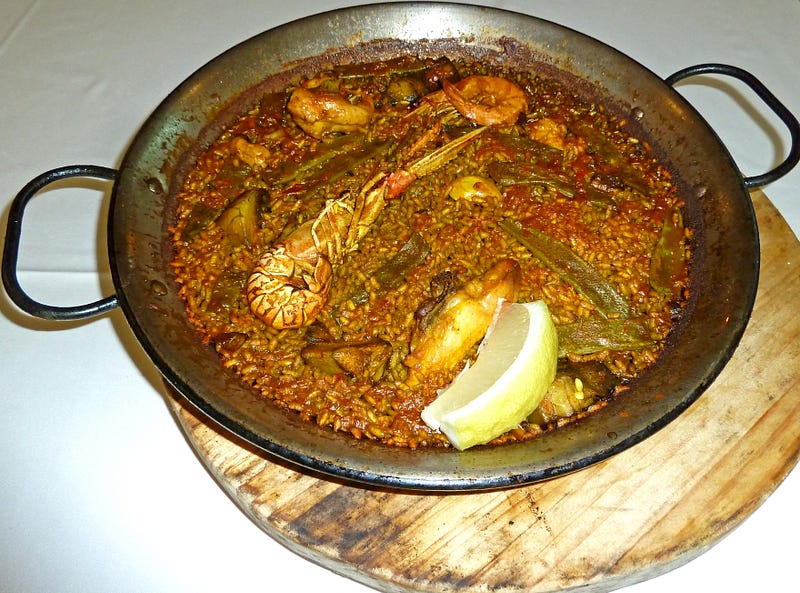
I could have done without a starchy paella in Spain though. I tried it several times, including Black Paella made with squid ink, but I just found it too heavy and preferred to nibble my way through the tapas.
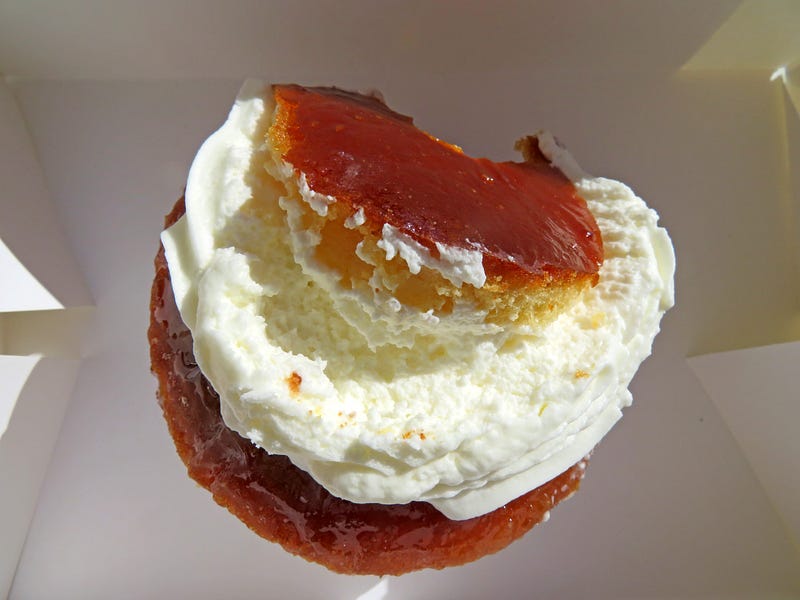
Desserts
Everyone who knows me will be wondering why I haven’t brought up desserts yet. I have a sweet tooth and would be happy just eating dessert. So nailing down a favorite is not easy.
I do have to say the Pasteis de Nata in Portugal is one of my all-time favorites. The flaky pastry cup is filled with a sweet egg custard that is baked in a very hot oven, almost scorching the top.
There were two places, both in Lisbon that I fell in love with. Both delivered freshly baked tarts, straight out of the oven, sprinkled with a little cinnamon or powdered sugar on top — Pasteis de Belem, which almost every visitor to Lisbon knows about, and a tiny bakery in the Time Out Market, Manteigaria.
As you are sampling your Bacalhau (cod) cakes and beer in the food hall, keep an ear out for the bell, which signals the latest batch of Pasteis de Nata is coming out of the oven. At both locations, you can expect to wait in line for these Portuguese delicacies.
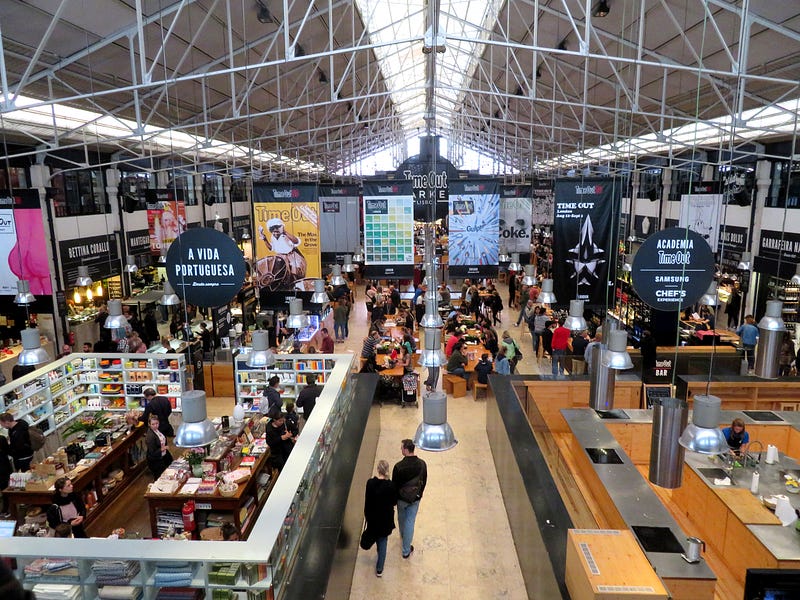
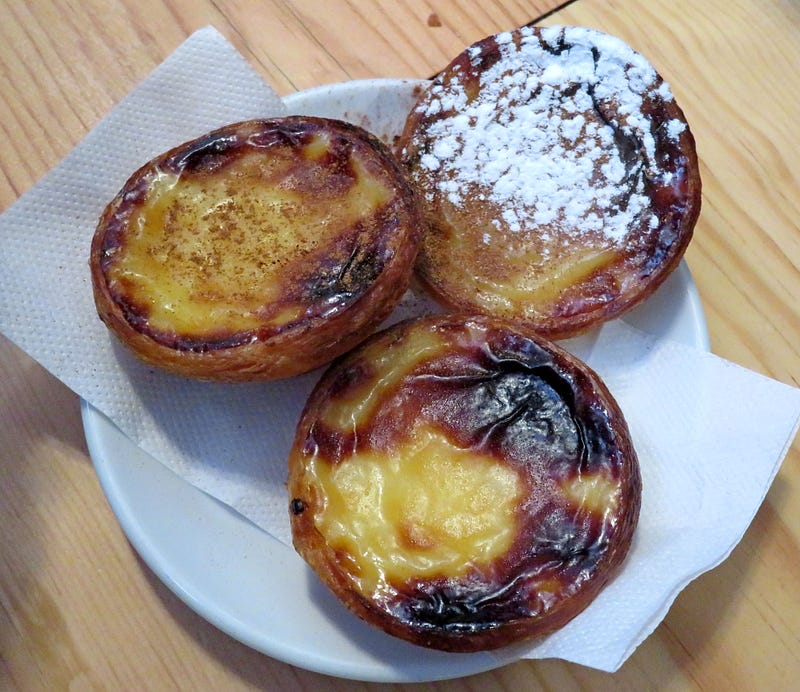
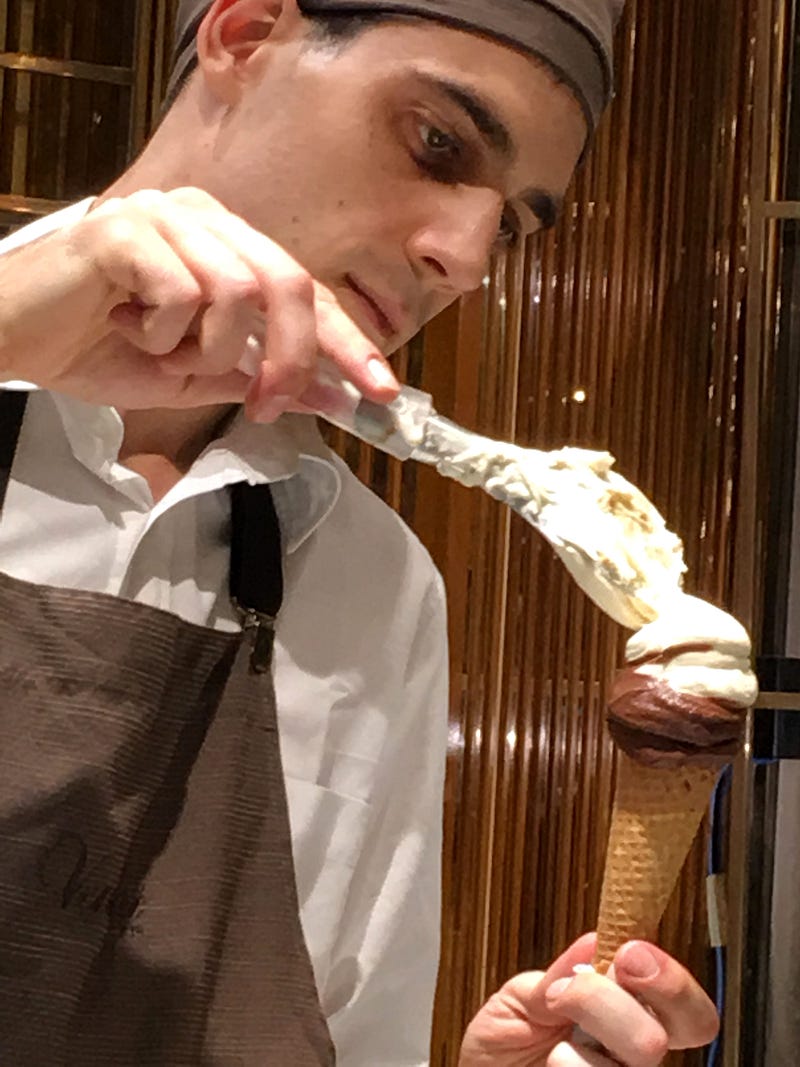
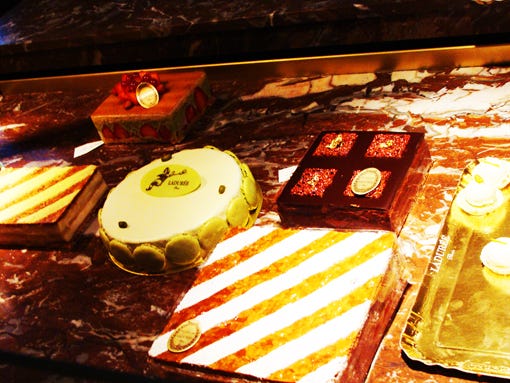
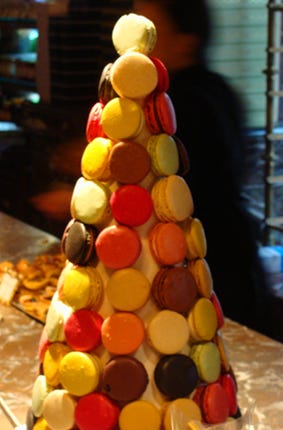
Of course, I have had other memorable desserts during my travels, like the macaroons and pastries at Laduree in Paris, or the gelato in Italy, but I can’t think of Portugal without visions of Pasteis de Nata or the cream-filled malasada (a fried yeast dough) I found at a bakery in a Lisbon neighborhood.
Canada
One question I get asked a lot is “what do Canadians eat?”
Of course, they realize we eat everything from Italian to Ethiopian and everything in between. What they want to know is what foods are distinctly Canadian.
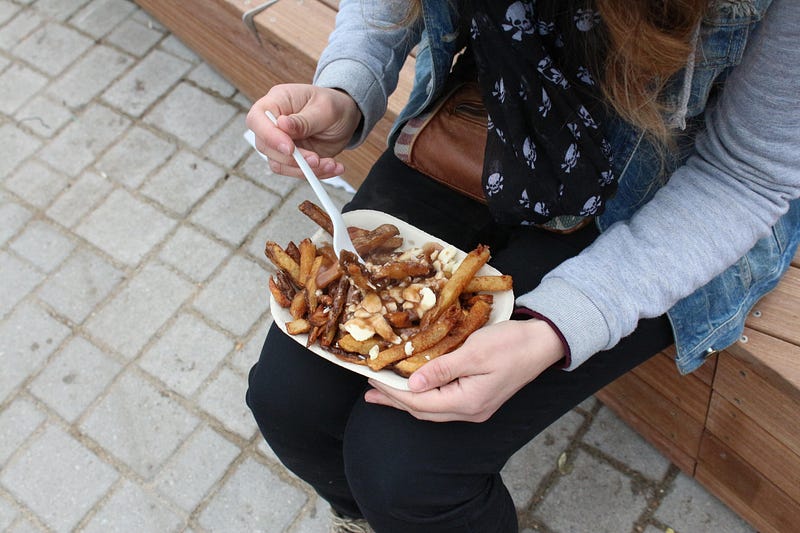
Each region of Canada has its’ own specialty, like the seafood from Atlantic Canada, Caribou and Arctic Char from the North, Maple Syrup and hearty meat dishes in Quebec, Pacific Salmon in BC, world-renowned beef from Alberta, along with Saskatoon Berries (my absolute favorite), and creamy Butter Tarts on the prairies. But usually, the first thing that comes to mind for a lot of people is Poutine. When you try to describe French Fries drenched in gravy and then topped with cheese curds melted on top, they usually grimace. But don’t knock it until you try it.
There really isn’t a Canadian national dish that is recognized around the world, but it’s time some of the country’s master chefs came up with one… Poutine just doesn’t cut it.


