
PARKS IN WEST YORKSHIRE / BETTY EASTWOOD PARK
A Reclaimed Place Of Bliss
After extracting the treasures given by Mother Nature, it’s just right for her to reclaim this gift and be returned to the natural world
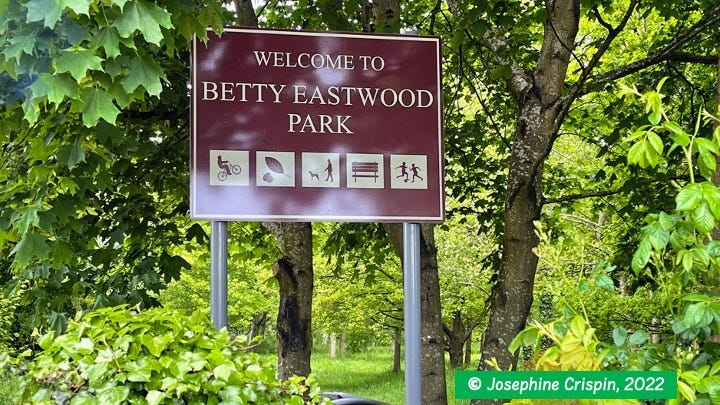
Going over my nature photo files, I realised that a good number were taken at Betty Eastwood Park. Located in Wakefield in West Yorkshire, this park is just one among 119 parks in this metropolitan county, the largest in England.
Yes, I do live in God’s Own Country, and if only for the number of beautiful parks, gardens and nature reserves, I consider myself doubly fortunate.
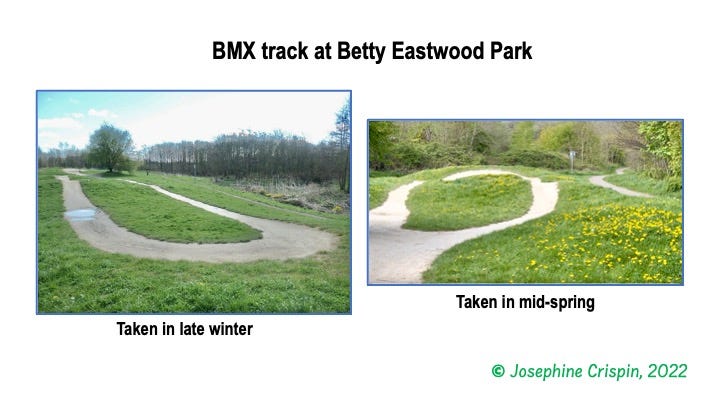
Betty Eastwood Park, however, is relatively small. Comprised of 10.6 hectares of woods and grassland, it is used by the locals for walks, jogging, birdwatching, and picnics (when weather permits). There is a track for children who are BMX enthusiasts, and a football area.
Compared with the other parks in Yorkshire frequented by my husband and I for our exercise (walking), Betty Eastwood Park is a favourite for easy walks. Easy because the entire park is flat. There are no steep areas or inclines.
Abundant wildlife
Of all the parks that we frequent, it is at Betty Eastwood that we hear birdsongs and birdcalls seemingly nonstop.
It isn’t surprising at all. The park is friendly to birds and mammals; within a five-mile radius, it is home to 221 species of birds.
Thirty-three (33) species of mammals, including the feral ferret, the mole, weasel, fox, hedgehog, rabbit, red squirrel, the red and fallow deer amongst others, were sighted around the area of the park.
(This is also the park where I think [imagined, as my husband suspects in jest] a robin follows me. I follow it, too, so it’s like a game. Or perhaps it’s just begging for a feed?)
Mining disaster of 1941
But, it didn’t use to be a park. The site was the former location of a coalmine, the Crigglestone Colliery. It occupied the area from 1873.
On 29 July 1941, an explosion occurred in the coalmine. Twenty-one (21) miners died, a few others were injured with one of them dying in the hospital.
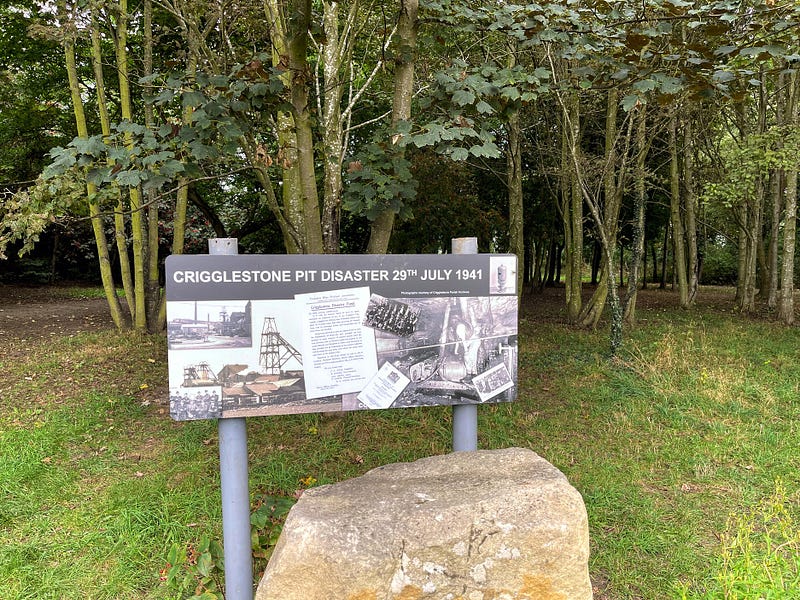
The coalmine was closed in 1968.
In the 1970s, it started to be redeveloped after a prioritised investigations and risk assessments were undertaken by the environment agency.
In the late 1990s, several thousand oak and silver birch trees were planted in the park with the assistance of the forestry commission.
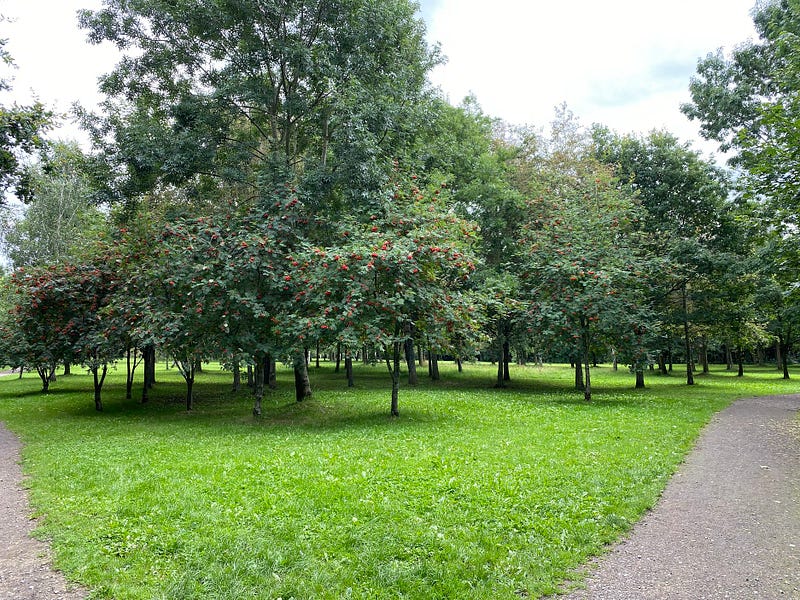
Several more tree species have been added to the oak and the birch, including crab apple trees, maple trees, rowan, cherry, elderberries, hawthorns and a whole lot more.
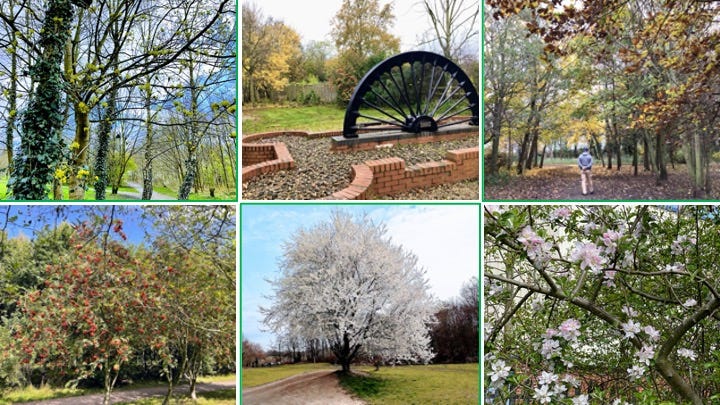
What was once a site where nature’s gift — coal, to make possible the industrial revolution and heat the homes — was mined, and where nearly two dozen coal miners died in the explosion, has been returned to nature.
And Betty Eastwood Park, modest it may be in size, is a sanctuary for its rich wildlife.
The park is also a gathering place for people in the picnic area, for families with kids who are keen to practice their BMX skills in the track, for dogs (with their owners) to enjoy running around as they breathe in clean, fresh air.
For the likes of me, and many others who frequent the park, it is a reclaimed place of bliss and a delightful spot for relaxing amidst nature.
Recommended reading:
Dr. Preeti Singh’s article about the Lodi Garden in Delhi inspires me to write about the Betty Eastwood Park, one of the many parks that my husband and I go to for our regular walks. Check her article and be inspired as well.
Elvie Lins will once again enthral you with her nature photos.
Connie Song, an extra-ordinary poet and song lyricist, will make you think of nature, of how the velvet touch of a buttercup could cut the hardest stone.
LinkedIn | WordPress | Twitter | Facebook | Instagram | Amazon Author’s Page| pinoypub.ph


