avatarDark Energy Articles

Free AI web copilot to create summaries, insights and extended knowledge, download it at here

2439

Abstract

appeared. Its coordinates are 57.865 degrees south latitude and 61.630 degrees east longitude.</p><blockquote id="a467"><p>“Since the new crater is near the estimated location of Luna 25’s surface impact, the LRO team believes it likely represents the result of that mission,” NASA stated on its website.</p></blockquote><figure id="c202"><img src="https://cdn-images-1.readmedium.com/v2/resize:fit:800/1*5LvtzVS4c9IKBMQHJGtxjg.jpeg"><figcaption>On the Moon, a new crater has appeared. It is known how it was formed. — [Photo: NASA’s Goddard Space Flight Center/Arizona State University, Public domain]</figcaption></figure><h1 id="70ec">Luna 25 Disaster</h1><p id="77ed">The last time Russia conducted a successful lunar mission was in 1976, during the Cold War rivalry with the United States. Back then, the Luna 24 probe successfully collected lunar rock samples and delivered them to Earth. After that, the lunar research program was suspended. Russians, like the rest of the world, lost interest in the Moon for several decades.</p><figure id="6255"><img src="https://cdn-images-1.readmedium.com/v2/resize:fit:800/1*MHQGNayaKQF0wXIF3Nfjng.jpeg"><figcaption>Luna 25 Model — [Photo: Pline, <a href="https://creativecommons.org/licenses/by-sa/4.0">CC BY-SA 4.0</a>, via <a href="https://commons.wikimedia.org/wiki/File:Maquette_Luna-Glob_Lander_DSC_0075.JPG">Wikimedia Commons</a>]</figcaption></figure><p id="0dd3">The idea of sending Luna 25 to the Moon was revisited in 1998. However, preparations were slow and faced numerous delays. Everything changed in February 2022, when Russia invaded Ukraine. Just like during the Cold War, space achievements were meant to demonstrate the aggressor’s superpower position. Russia launched Luna 25 from the new Vostochny Cosmodrome, located 100 km from the Chinese border. The lander was supposed to touch down in a crater near the Moon’s South Pole, where there is believed to be ice beneath the surface, to be studied by the lander’s scientific instruments.</p><p id="14a0">However, none of this went as planned. On August 19th, seven days after the launch, Roscosmos lost communication with the lander. Luna 25 was in lunar orbit at the time, performing maneuvers before landing. <b>During one of these maneuvers, the spacecraft ended up on the wrong trajectory and crashed into the Moon.</b></p><figure id="a683"><img src="https://cdn-images-1.readmedium.com/v2/resize:fit:800/1*RhEPuVfhyV

Options

mUar7dTQXYJQ.gif"><figcaption>Luna 25 Impact Site — [Photo: NASA’s Goddard Space Flight Center/Arizona State University, Public domain, via <a href="https://commons.wikimedia.org/wiki/File:Luna_25_Impact_Site_animation.gif">Wikimedia Commons</a>]</figcaption></figure><h1 id="7ae9">Active Rovers on the Moon</h1><p id="8b61">Who remains on the Silver Globe at this moment? China’s Yutu-2 rover has been exploring the far side of the Moon since 2019. India’s Chandrayaan-3 mission, which began on August 23rd, is progressing successfully. The Pragyan rover safely landed and has been studying the South Pole for two weeks.</p><p id="e58e">The United States plans to return to the Moon with the ambitious Artemis crewed mission, set to begin later this decade.</p><div id="279a" class="link-block"> <a href="https://readmedium.com/metallic-spherules-from-beyond-the-solar-system-in-the-pacific-nonsense-or-a-historic-8bda8e931754"> <div> <div> <h2>Metallic spherules from beyond the Solar System in the Pacific: “Nonsense” or a “historic…</h2> <div><h3>Avi Loeb, an astrophysicist from Harvard, along with his team, combed the floor of the Pacific near Papua New Guinea…</h3></div> <div><p>medium.com</p></div> </div> <div> <div style="background-image: url(https://miro.readmedium.com/v2/resize:fit:320/1*YXZy1289gp7oyEhsoNGHIQ.jpeg)"></div> </div> </div> </a> </div><h1 id="606f">Attention all readers!</h1><p id="7edb"><b><i>As content creators on Medium.com, we face minimal compensation for our hard work. If you find value in my articles, please consider supporting me on my “<a href="https://www.buymeacoffee.com/oconnel">Buy Me a Coffee</a>” page. Your small contributions can make a big difference in fueling my passion for creating quality content. Thank you for your support!</i></b></p><figure id="333a"><img src="https://cdn-images-1.readmedium.com/v2/resize:fit:800/0*V7irtk-zHSXuHZrl.png"><figcaption><a href="https://www.buymeacoffee.com/oconnel">https://www.buymeacoffee.com/oconnel</a></figcaption></figure><figure id="71c9"><img src="https://cdn-images-1.readmedium.com/v2/resize:fit:800/0*Pnt-X-4rRJG8_tT7.png"><figcaption><a href="https://www.buymeacoffee.com/oconnel">https://www.buymeacoffee.com/oconnel</a></figcaption></figure></article></body>

A new crater has appeared on the Moon. It is known how it was formed.

NASA has published photos of the Moon showing a new crater. It resulted from the impact of Luna 25, the lander meant to fulfill Russia’s space ambitions.
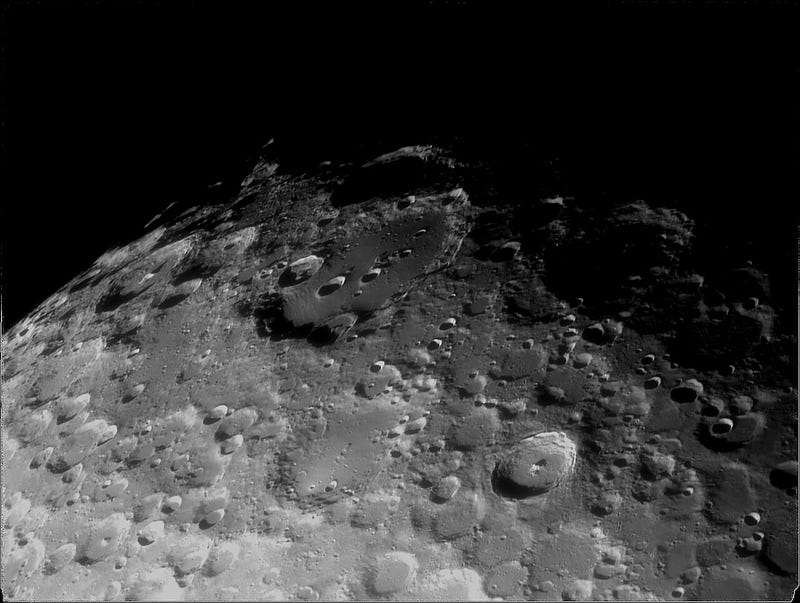
[Photo: Pelligton, CC BY-SA 4.0, via Wikimedia Commons]

The hope of Russia participating in the ongoing race to the Moon ended on August 19th. On that day, the Luna 25 lander was making its descent to the satellite’s surface. However, this disaster will not be forgotten only in our memory (and in Wikipedia). Recent photos released by NASA show the trace of Luna 25. A small crater has formed on the Moon’s surface.

Photos from orbit

The photographs were taken by the Lunar Reconnaissance Orbiter (LRO). It is a spacecraft sent into orbit around the Silver Globe in 2009. Since then, the LRO has been observing the Moon from an altitude of approximately 50 km (usually, though there have been times when the spacecraft got much closer to the Moon, such as in 2015 when it passed just 20 km above the South Pole).

According to the LRO, its mission is to observe the areas on the Moon that researchers are interested in at any given time — including the South Pole, the far side, and the locations where the Apollo missions landed. It’s no surprise that when, on August 21st, Roscosmos, the Russian space agency, publicly revealed the location of Luna’s crash, the LRO team instructed the spacecraft to photograph that region.

A crater that wasn’t there before

The LRO began its work on August 24th. For four hours, it photographed a portion of the inner rim of the Pontécoulant G crater, which is located about 400 km from where Luna 25 would have landed if everything had gone according to plan.

Scientists compared the received photos with earlier images of the same area. The freshest ones they had were from June 2022. As it turned out, the area had changed. In the latest photos, a crater with a diameter of 10 meters had appeared. Its coordinates are 57.865 degrees south latitude and 61.630 degrees east longitude.

“Since the new crater is near the estimated location of Luna 25’s surface impact, the LRO team believes it likely represents the result of that mission,” NASA stated on its website.
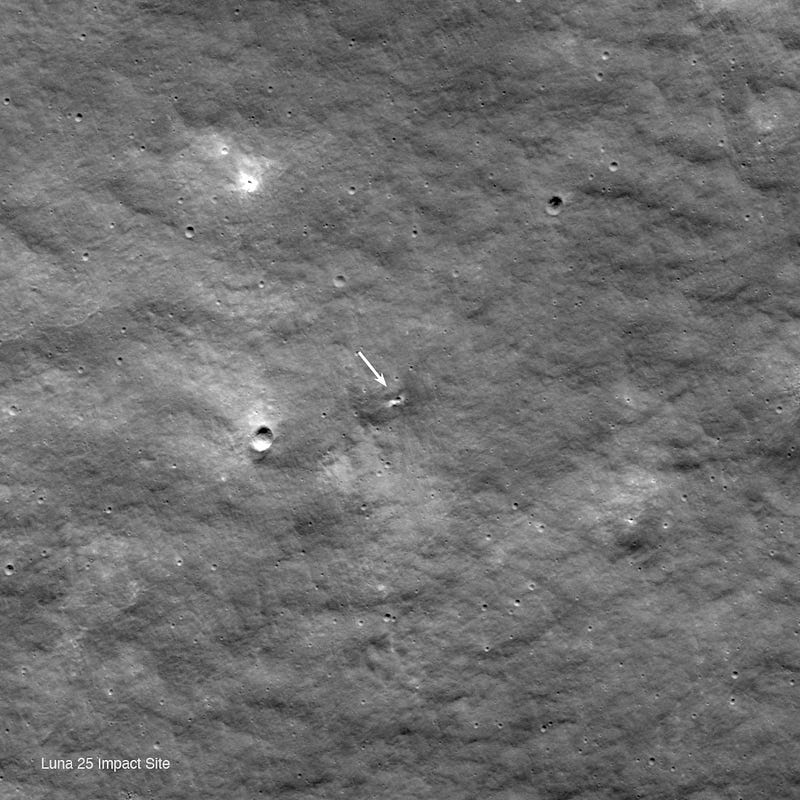
On the Moon, a new crater has appeared. It is known how it was formed. — [Photo: NASA’s Goddard Space Flight Center/Arizona State University, Public domain]

Luna 25 Disaster

The last time Russia conducted a successful lunar mission was in 1976, during the Cold War rivalry with the United States. Back then, the Luna 24 probe successfully collected lunar rock samples and delivered them to Earth. After that, the lunar research program was suspended. Russians, like the rest of the world, lost interest in the Moon for several decades.
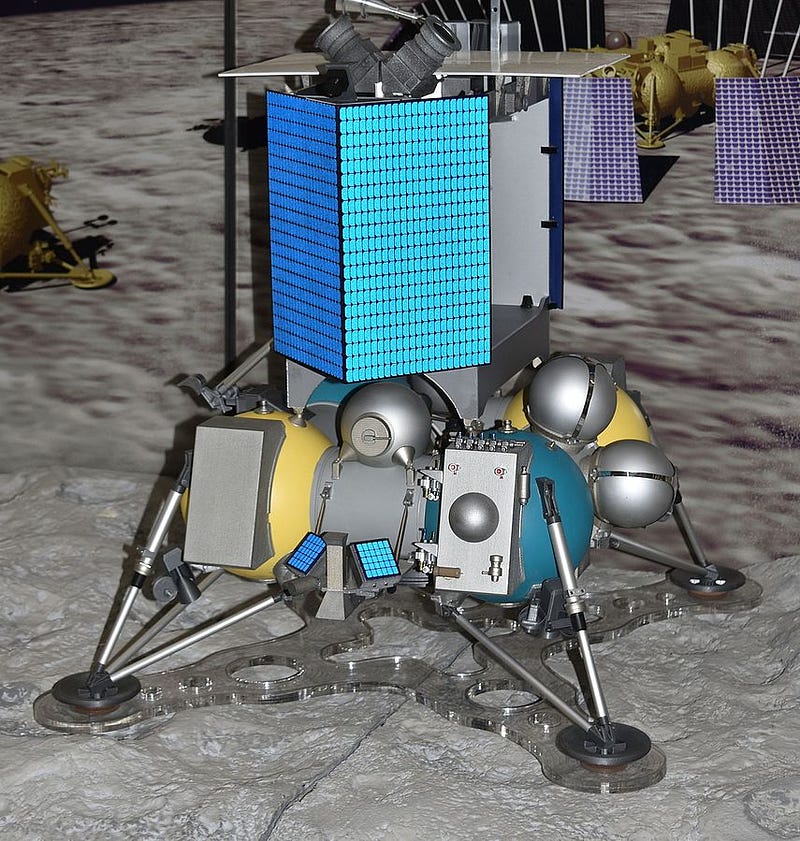
Luna 25 Model — [Photo: Pline, CC BY-SA 4.0, via Wikimedia Commons]

The idea of sending Luna 25 to the Moon was revisited in 1998. However, preparations were slow and faced numerous delays. Everything changed in February 2022, when Russia invaded Ukraine. Just like during the Cold War, space achievements were meant to demonstrate the aggressor’s superpower position. Russia launched Luna 25 from the new Vostochny Cosmodrome, located 100 km from the Chinese border. The lander was supposed to touch down in a crater near the Moon’s South Pole, where there is believed to be ice beneath the surface, to be studied by the lander’s scientific instruments.

However, none of this went as planned. On August 19th, seven days after the launch, Roscosmos lost communication with the lander. Luna 25 was in lunar orbit at the time, performing maneuvers before landing. During one of these maneuvers, the spacecraft ended up on the wrong trajectory and crashed into the Moon.
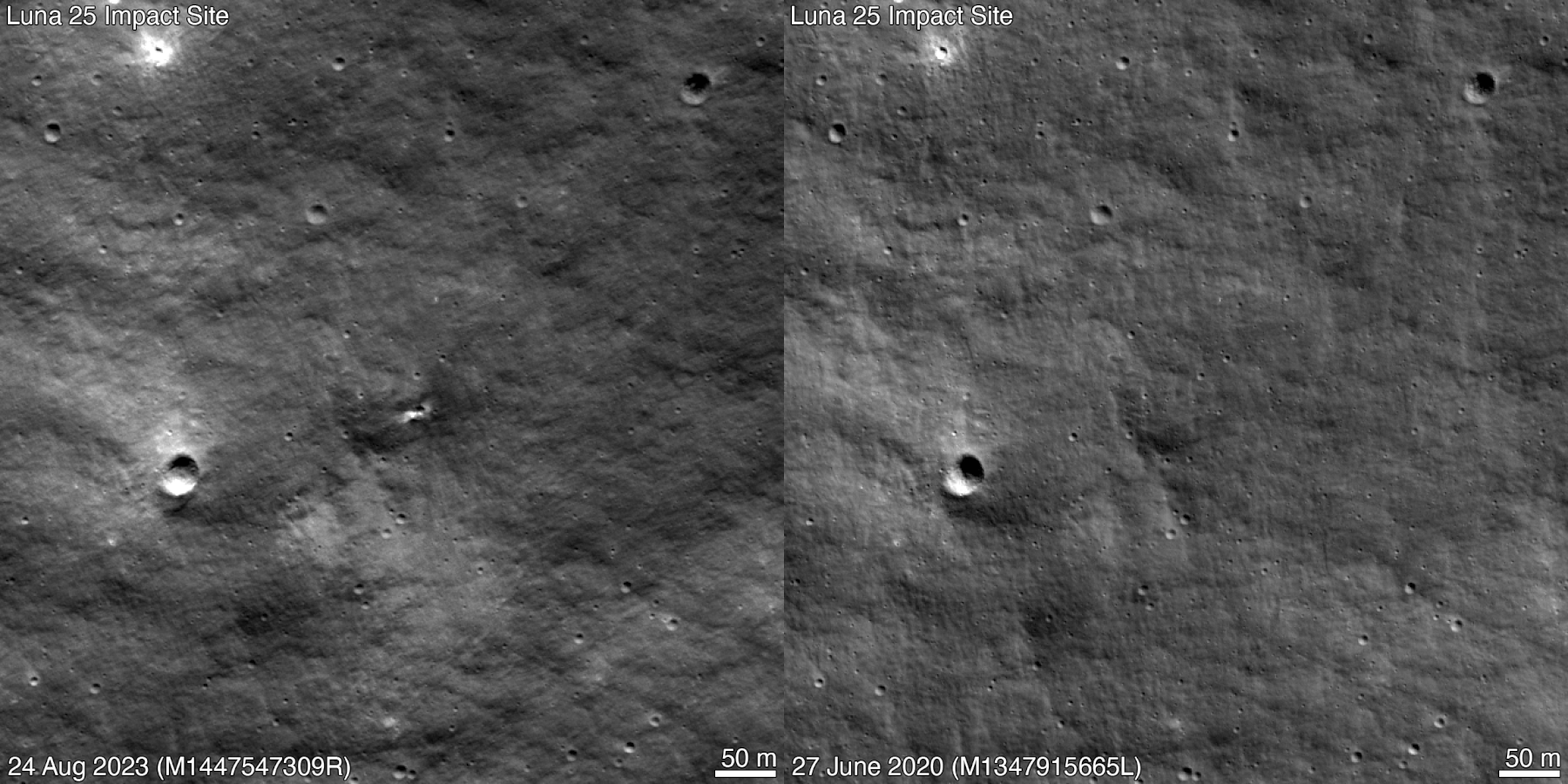
Luna 25 Impact Site — [Photo: NASA’s Goddard Space Flight Center/Arizona State University, Public domain, via Wikimedia Commons]

Active Rovers on the Moon

Who remains on the Silver Globe at this moment? China’s Yutu-2 rover has been exploring the far side of the Moon since 2019. India’s Chandrayaan-3 mission, which began on August 23rd, is progressing successfully. The Pragyan rover safely landed and has been studying the South Pole for two weeks.

The United States plans to return to the Moon with the ambitious Artemis crewed mission, set to begin later this decade.

Attention all readers!

As content creators on Medium.com, we face minimal compensation for our hard work. If you find value in my articles, please consider supporting me on my “Buy Me a Coffee” page. Your small contributions can make a big difference in fueling my passion for creating quality content. Thank you for your support!


https://www.buymeacoffee.com/oconnel
Space
Moon
Science
NASA
Life Lessons
Recommended from ReadMedium