
011 | THOUGHTS | POLITIC
A Nation Denied the Freedom to Vote
A story of passive dictatorship
Read this article for free here.
I want to start by emphasizing that this post is a serious one. While my writing style usually includes light humor and a fair tone, the topic I will be discussing today fills me with rage. Due to the gravity of the situation, it’s challenging for me to use my usual style. However, I believe it’s crucial to provide a pre-warning before we begin.
The title of this post might have picked your interest regarding which nation I am referring to. It’s not North Korea or Russia, as one might assume. Interestingly, the country I’m discussing has a “Democratic Socialist Republic” in its name.
Yes, I’m referring to Sri Lanka (Democratic Socialist Republic of Sri Lanka), a beautiful island nation in South Asia.
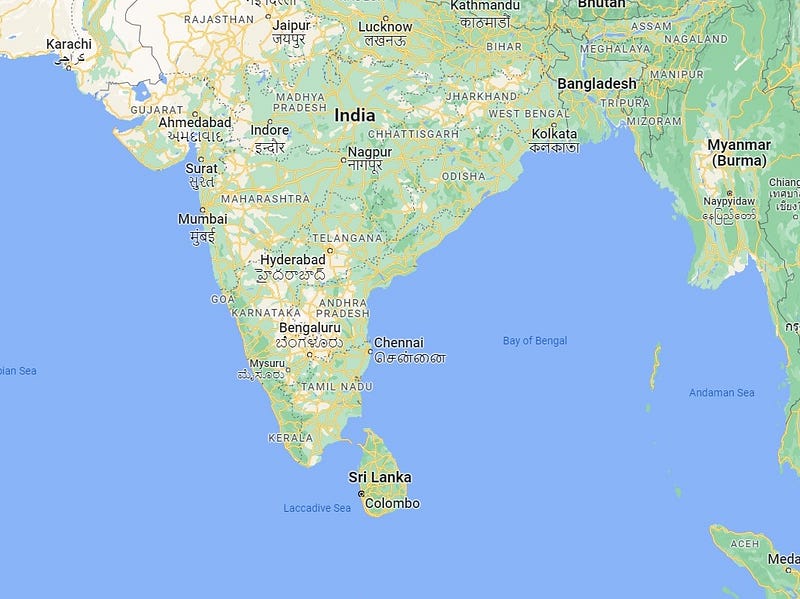
You may be wondering why you should be concerned about a situation in a distant country before moving into the story. You might even say, “They will resolve their issues themselves.” In some ways, you’re right.
However, you may be interested to learn about the conflict situation among the three pillars of democracy — Legislature, Executive, and Judiciary. You’ll have the opportunity to learn more about this at the end of the story.
Moreover, in today’s world, we all live in a global village, and we cannot overlook each other’s problems. We should support one another.
At present, Sri Lanka is experiencing its most severe economic crisis in history. However, before this crisis, we made headlines through a successful political uprising known as “Aragalaya,” which means protest in our native language.
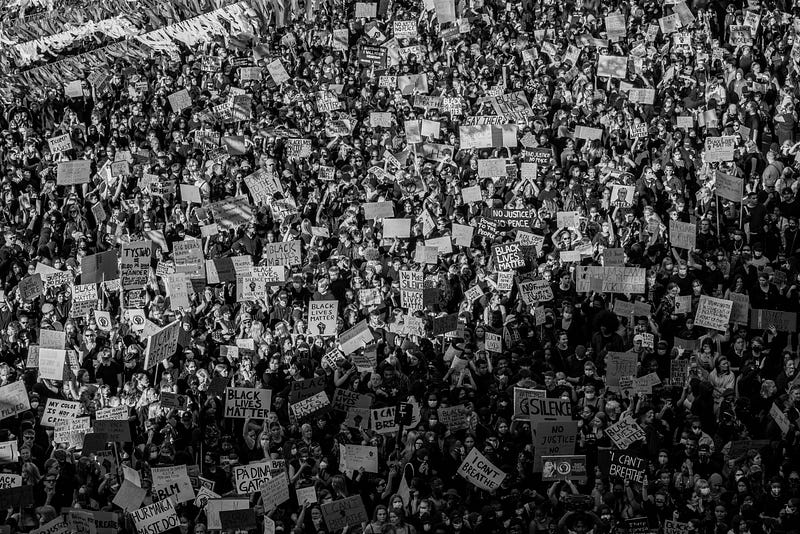
We managed to remove our former president from power. However, the person who succeeded him, according to the constitution, did not have the public’s majority support, which made his appointment invalid in the eyes of the people.
The current leader has pledged to bring the country back to its former glory and has asked for some time to implement his proposals, which seems reasonable. Despite not being the elected leader, the majority of the public has been patient and willing to wait for some time.
The Problem
The problematic situation in Sri Lanka has arisen due to the delayed local government election, which needs to take place soon to allow the local councils to continue their work across the island.
Although this issue does not affect the central government, which is still made up of MPs from the ousted leader’s party, the public can use this election to express their dissatisfaction with the current ruling party.
The “Aragalaya” revolution in Sri Lanka was a remarkable achievement and by no means a small feat. For the first time in the country’s history, an executive president was expelled from his seat.
The people of Sri Lanka want to ensure that their revolution is a permanent one and that the achievement of “Aragalaya” has not faded away but rather seeped into the ground. That is why the public needs the local government election to be held.
The current leader is well aware of the situation and has attempted to postpone the election by any means possible. His main argument is that the country does not have sufficient funds at the moment, and there are numerous essential tasks to be completed for the benefit of the public.
At first glance, this appears to be a legitimate justification, but it requires further analysis.
Cost of Election
There is no denying that holding an election comes at a cost. The estimated cost of conducting a local government election in Sri Lanka is around Rs. 10 billion (approximately $32 million). Considering the shortage of essential medicines in government hospitals, it may seem unjustifiable to waste money on an election.
However, it is worth noting that the same country had funds to spend on the recently held Independence Day festival, which was opposed by the majority. Additionally, the president approved additional funds to maintain his office, which amounted to nearly the same cost as the election.
Moreover, the cost of the election represents only a small fraction of the total budget for 2023, which is estimated at Rs. 7000 billion (approximately $22 billion), and Rs. 8 billion has already been allocated for the election.
Therefore, only an additional Rs. 2 billion is needed, which can be easily acquired through several international organizations or countries that support democracy. To claim that there is no money to conduct an election after funds have already been allocated for this purpose is disingenuous.
Conflict of Three Pillars of Democracy
Now, we come to the most intriguing part of the problem. The Legislature and Executive have worked together so far to withhold funds for holding the election, particularly for printing ballot papers.
However, the Judiciary has remained impartial and made a crucial decision to instruct the government to release funds for the election. This court decision has created a dramatic situation in the country.
Some Members of Parliament have criticized the decision using their parliamentary privileges. This is normally considered a crime according to the country’s laws, and if the Legislature goes against the Judiciary, how can they expect the public to follow the law?
Currently, the country is facing this situation where a day has been scheduled for the local election according to the court’s order, but no one can be sure whether it will be held.
A Final Word
In a democratic country, postponing an election due to a lack of funds sends a bad message for the future. It creates a precedent where future leaders could potentially extend their tenure until funds become available. This is a dangerous implication that cannot be ignored.
While this real situation may not be widely broadcasted to the outside world, it is important to give a voice to the 22 million people who do not have the chance to address a global platform.
So, the next time you hear of Sri Lanka in a news headline or plan to visit here, rest assured that despite the situation, our country is safe to visit. Let us continue to support each other as global citizens and uphold the fundamental principles of democracy.