
A bigger chest in less time
Ignore the fads and get big
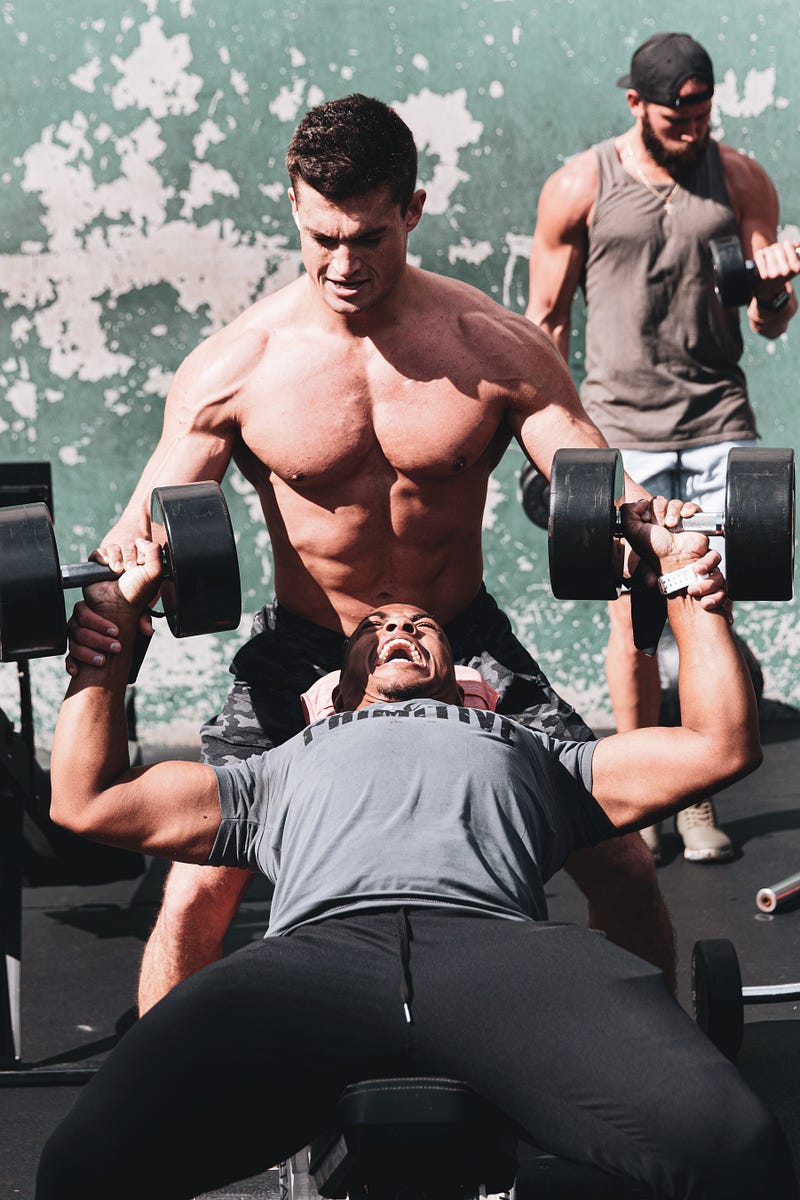
There’s something undeniably impressive about a big muscular chest. Under clothing, well developed pectorals stand out. Usually they look even better with your clothes off. A big chest makes a statement about you. Combined with a flat stomach, nothing says strong and athletic like a well developed chest.
For ladies, properly developed, strong chest muscles can improve the appearance of your breasts by lessening sag. For men, there’s nothing that says ‘wimpy’ like a underdeveloped chest. Even if you don’t have much in the way of arms, legs, shoulders or back development, a more muscular chest will still make you look much fitter.
Like my article on building bigger arms, this article will show you how to build bigger, stronger chest muscles in the shortest time possible.
Doing it to death
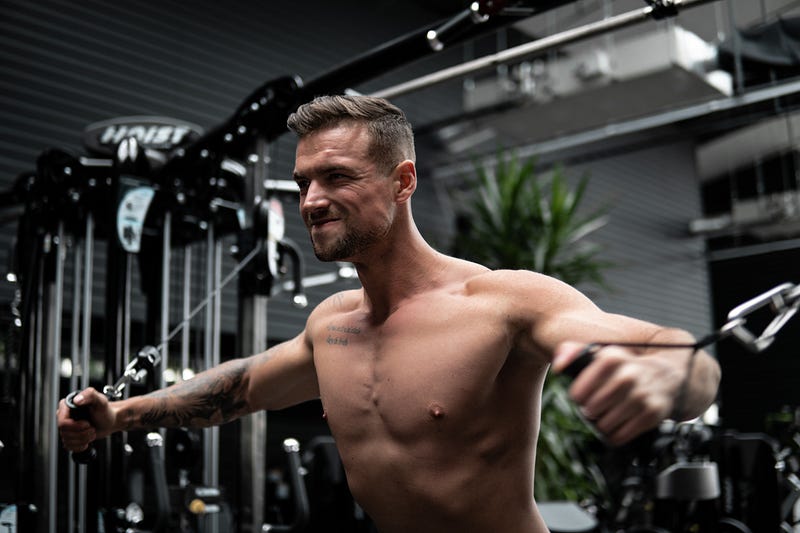
After biceps, pectorals are probably the most over trained muscle in the world. Walk into any gym and you will see people doing set after set of barbell bench press, dumbell bench press, incline bench press, decline bench press, cable crossovers, pec fly, push ups, push ups with feet elevated, machine bench press whilst sitting sideways, parallel bar dips; the list goes on an on. The flat bench press is invariably the most crowded piece of equipment in the gym.
Only black swans will make progress on workout regimens involving endless chest work, but even they would do better with less sets. Everyone else is selling themselves short and increasing the likelihood of injuries.
People train their chest and their biceps to death because they’re the muscles everyone can see. There’s a guy in my gym who trains nothing but chest and biceps. I can train my entire body, and leave the gym in less time than he spends doing his curls, or his cable crossovers. His arms are noticeably bigger than his legs (which look like toothpicks) and his chest is not that impressive. Another guy with an astonishing work ethic pummels each body part with at least 20 sets, only stopping to pose and take selfies. He looks smaller every year, and he’s getting weaker as well. The only way he’ll make progress with that routine is by taking steroids.
People erroneously assume that more is better. These are the people training their chests to death. When it comes to building muscles, that’s wrong. Doing countless sets of countless exercises won’t get you anywhere fast. There’s a much better way to train.
Bench press everyday?
Should you bench press every day? No. NO. NO! As with everything, there are fads in exercise.
Currently, squat every day is popular. It’s a bad idea, but that doesn’t mean it won’t persist. Squatting every day builds great discipline, but it’s not the best way to build big muscles.
Ask yourself this; if more is better, why not just exercise all day every day? You could do 12 hours of squats, or 12 hours of bench press, only stopping for food and sleep? Surely somebody would have cottoned on by now and built enormous muscles really quickly. But they haven’t, because volume training is not the answer.
Doing 10 sets of 10 reps, or 100 push ups a day is just another fad. Ignore the fads and follow the advice below to build a massive chest.
You can go hard or long, but you can’t do both.
You can exercise hard, or you can exercise long, but you can’t do both. The only way to build big muscles quickly, is to exercise hard.
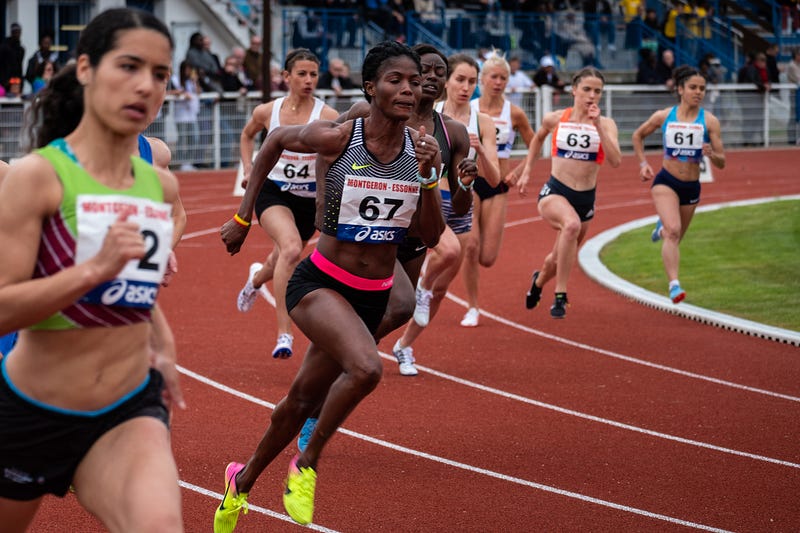
Think about the difference between long distance runners and sprinters. Long distance runners are like the people who spend hours in the gym, doing set after set, working out all the time. They can run for hours.
A marathon is 26 miles. The longest sprint event on the other hand is 400 metres. Sprinting is an all out effort, and you can’t do anything all out for very long.
You’ve seen the physical differences between marathon runners and sprinters. It’s Mo Farah vs Usain Bolt. Sprinters have big, powerful muscles. Long distance runners look malnourished.
If you want to build big muscles, you have to train all out with maximum effort, like a sprinter runs.
The three best chest exercises
Well done for getting this far. You’ve learned that you need to train all out hard, and you shouldn’t train for too long or do too many sets. More details on the specifics later.
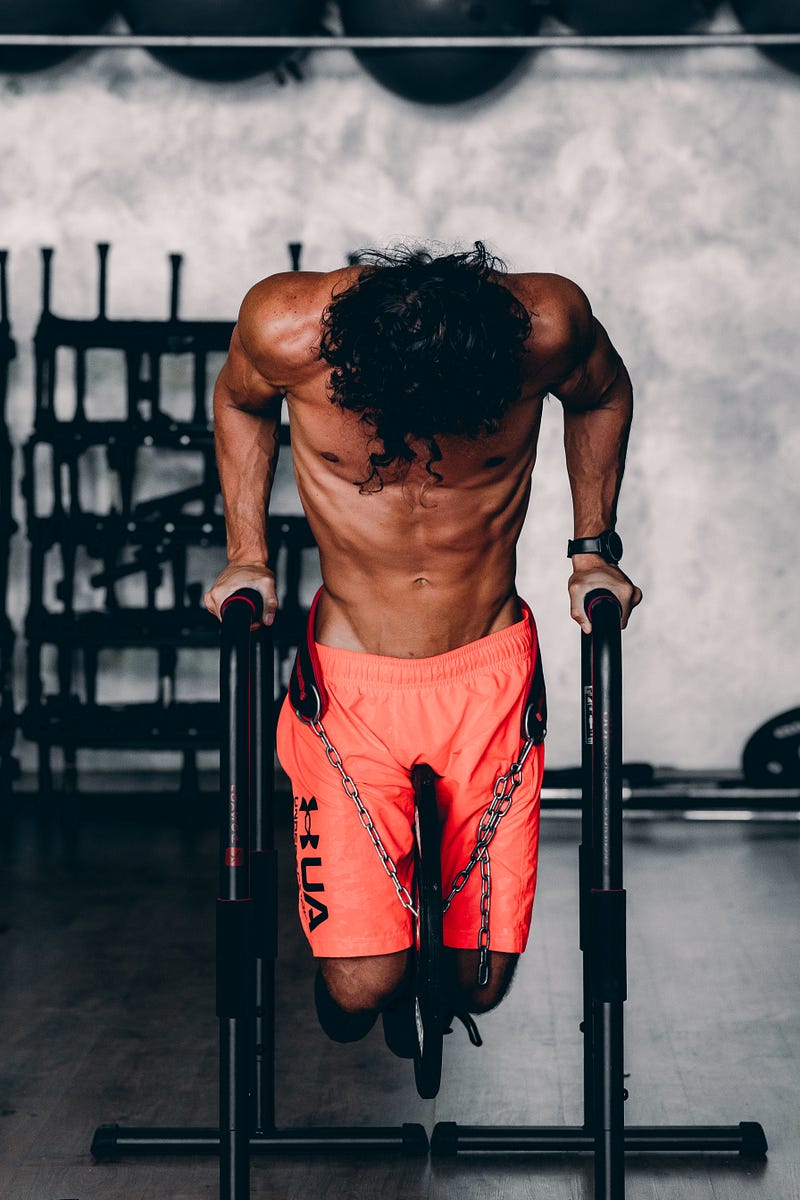
So what are the actual exercises that will give you the greatest amount of stimulation? Bench press, parallel or v bar dips, and cable crossovers. All other chest exercises are essentially variations of these three. In weight training, the key is progressive resistance, not variety. You need to stick to the basic exercises, consistently increasing your weight and repetitions. Results don’t come from magic exercises, they come from hard work and consistency.
Bench press and dips give your chest all the stimulation it needs. Dips allow you to safely employ powerful higher intensity techniques like negatives. Both are compound exercises allowing you to (eventually) handle impressive weights. The more weight your muscles can move, the larger they will become, which is why compound movements are the best choice for stimulating growth.
Compound exercises for chest do have one shortcoming, they involve the triceps which are smaller and weaker than the larger pectorals. That’s why you also need an isolation exercise like cable crossovers.
After you’ve exhausted your muscles with a compound movements, finish them off with a well executed set of cable crossovers.
How many sets?
The best way to make quick progress, sustainable over the longest period of time, is to perform only one working set per exercise. Not 3, not 5, not 7, not 10, but 1. You only need to trigger growth once for your muscles to respond, and the most efficient way to do that is with one all out set, that surpasses all previous sets, and all previous demands that have been placed on a muscle. Put simply, if you’ve never performed more than 10 dips with your bodyweight, doing 20 dips in one set is going to force your muscles to adapt. They will adapt by getting stronger and bigger.
Once you have triggered growth, any further stress placed on the muscle will simply interfere with your body’s ability to repair the muscle and then start the process of hypertrophy. It’s critical to understand; your muscle must fully recover and repair before any growth occurs. Recuperation, repair, and growth all take time. So you should allow at least 2 days of complete rest before training your chest again.
How quickly can you grow?
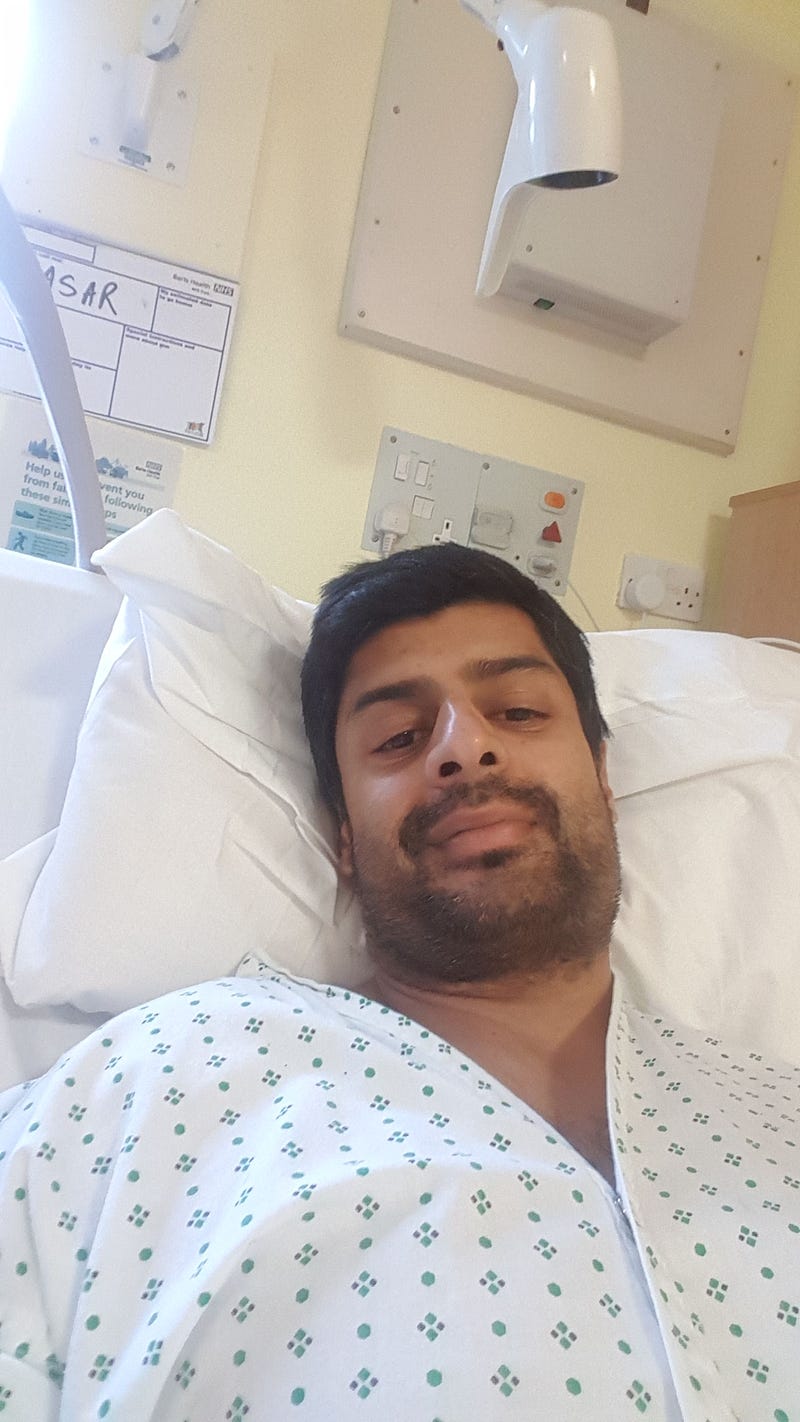
In 2019 I was hospitalised with sepsis and pneumonia (the photo above was taken to reassure my family that I wasn’t dead). When I emerged from the hospital I’d lost 10kg, and all of my muscle. I looked like I’d never lifted weights in my life.
The photo below was taken after two months back in the gym. I’d had a total of 6 chest workouts. In each workout I’d performed one set of bench press, one set of dips, and one set of cable crossovers. I was weaker than I could ever remember after my hospitalisation, by my chest grew noticeably after every single workout. And every single workout I increased the number of repetitions I could perform, or the amount of weight I could lift.
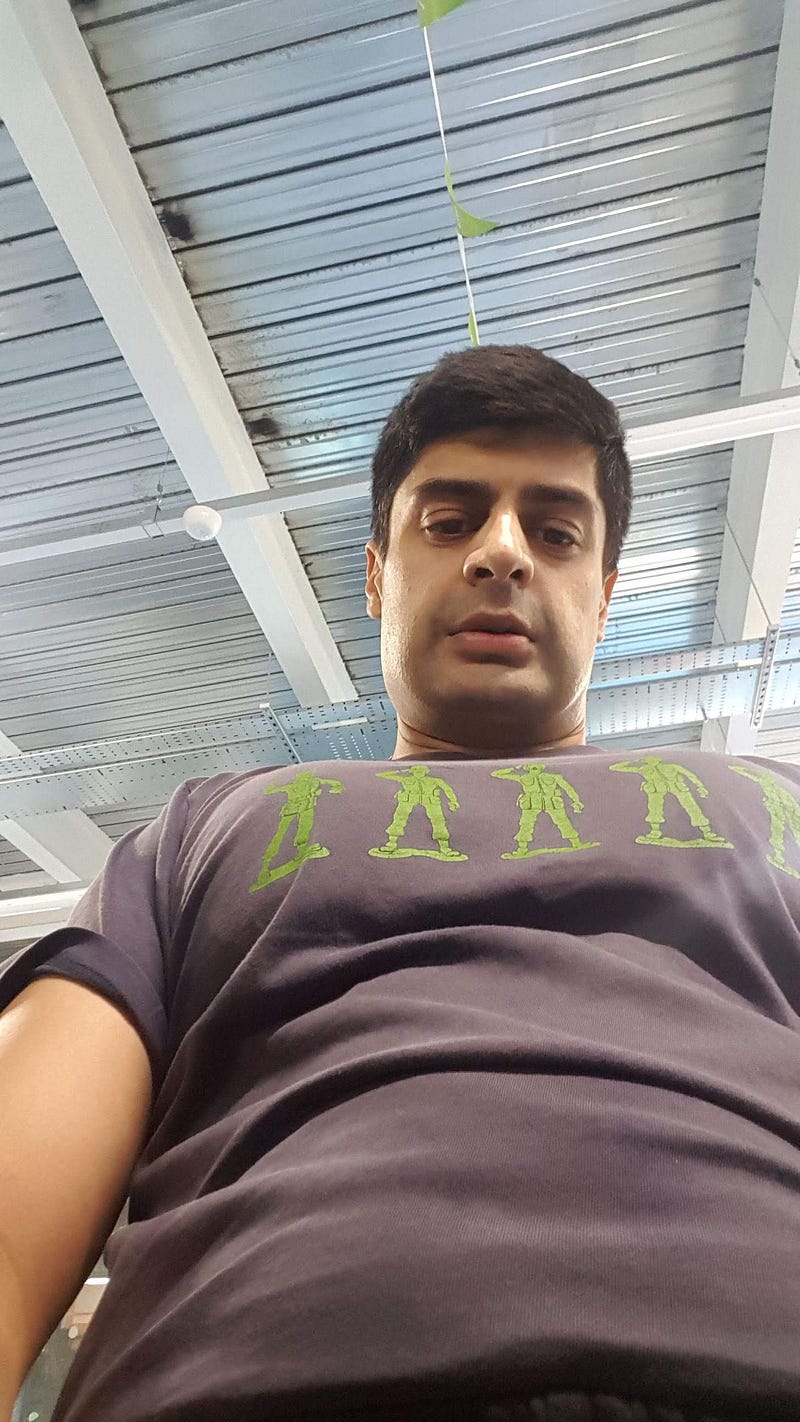
If you are training correctly with all out intensity, performing only the amount of exercise required to trigger growth, and allowing enough time between workouts, you will make measurable progress on every single workout. And your muscles can grow faster than you may expect.
In 2019 I had the advantage of muscle memory, but when I initially started training correctly in 2005, my progress was just as rapid. With a valid workout routine, you can set new personal bests on every single workout.
My actual workout
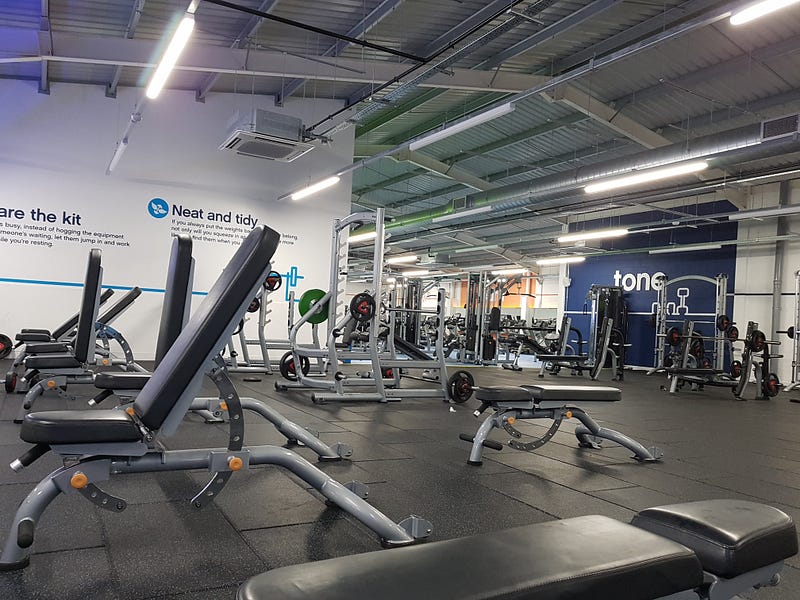
Unless you want to look like the guy with arms bigger than his legs, you need to exercise more than just your chest. My once weekly chest workout is part of a whole body workout. The workout I have been performing with great success for the last six months is outlined below.
Barbell squats Deadlifts Calf press Barbell rows / seated cable rows Barbell bench press Cable crossovers Overhead press with barbell Chin ups Dips
Before the working set of each exercise (except chins ups and dips) I perform a couple of warm up sets, building up to the weight I’ll use for my actual set.
A note on exercise order
Dips are at the end of the workout to allow some recuperation after bench press and cable crossovers. Whilst dips are an excellent chest exercise, they are also my primary triceps exercise. Going all out on bench press and overhead press leaves my triceps exhausted. Performing dips after bench press leaves my triceps too tired to do my shoulders justice on the overhead press. By performing chin ups before dips, I am able to perform twice as many dips as I can when I do them immediately after overhead press. You may notice the absence of any direct arm work, that’s because the best way to grow your arms is with chin ups and dips, which will also help to pack the muscle onto your chest, shoulders, back and forearms. Compound movements are the best.
I posted a picture of my arms in my article on arm training, they’ve grown a little more since then. Here’s another shot.
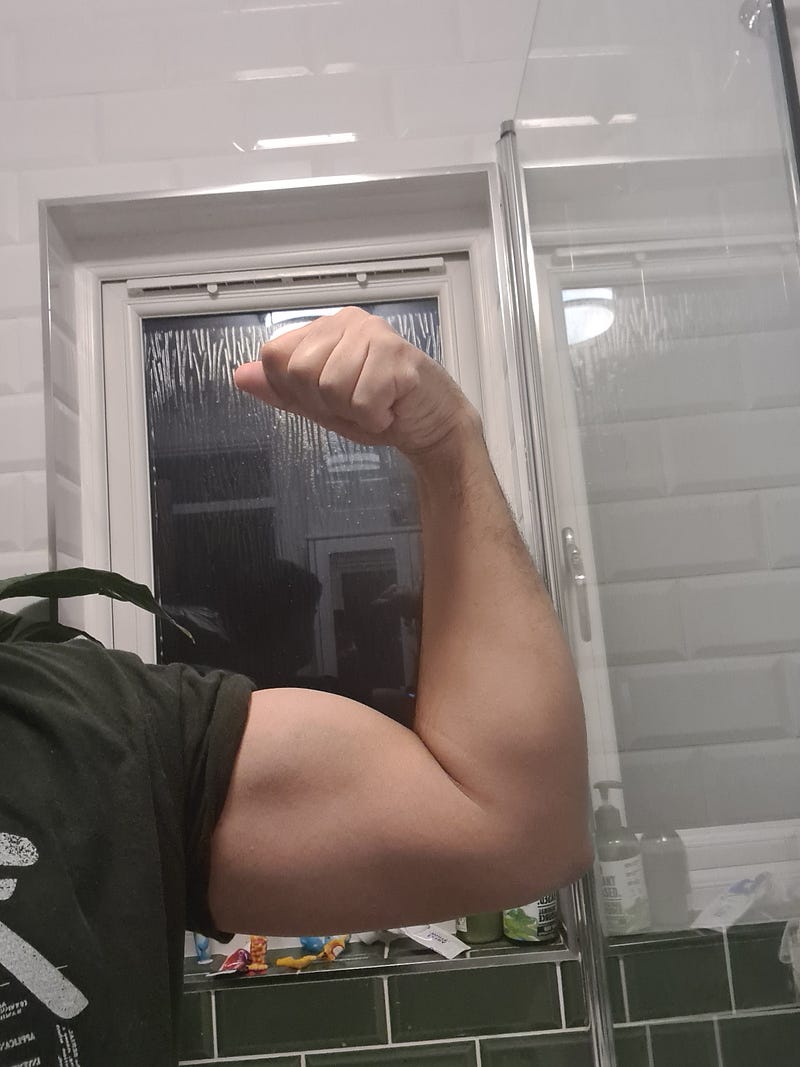
That’s from just one set of dips and one set of chin ups a week.
So you see, you don’t need a lot of sets or a lot of variety to build big muscles.
What happens when you hit a wall?

No matter how effective your workout regimen is, your progress will eventually plateau. It’s at that point that most people will go off the rails and start trying all sorts of stupid routines, usually doing more and more sets of more and more exotic exercises in pursuit of growth. Some people never realise the mistake they’re making and give up altogether, or start using performance enhancing drugs and steroids.
There is a much simpler, though far less obvious solution. When you stop growing, insert an extra day of rest between workouts. The stronger you get, the more damage you are able to do to your muscles in a single workout, and the more damage you do, the longer you must give your muscles to recover. If you have more than two workouts in a row where you are not stronger on all exercises, take take an extra day or two off before your next workout. The amount of time that elapses between workouts is not that important, as long as you are still getting stronger on each workout. If you can get stronger with two days between workouts, great! But eventually you will need three, and eventually you will need four. Another solution is to use split routines, where you train only part of your body in each workout.
Now go and build that chest!
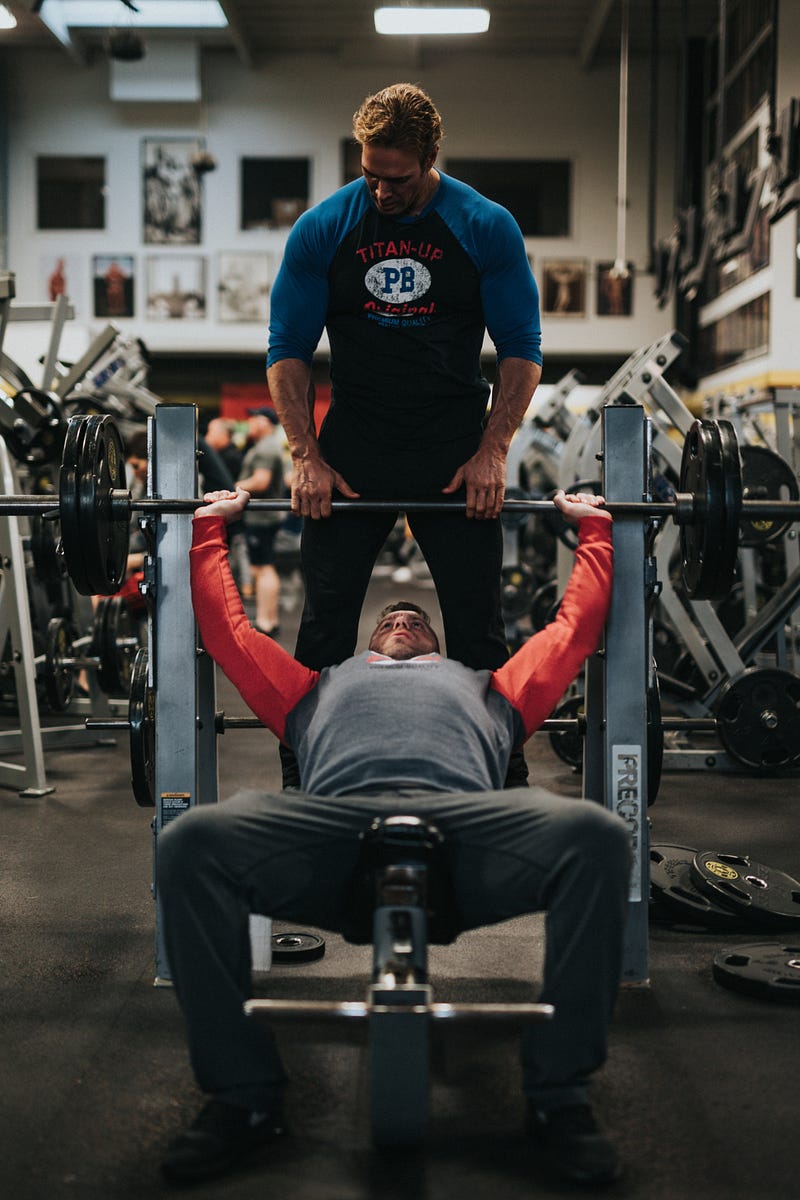
Now you know what to do, go and do it. If you’ve been training for a while and feel (after reading this article) that you may have been overtraining, performing multiple sets of multiple exercises for every body part, then take a full week off of training. It won’t kill you, just do it.
When you return to the gym, perform one working set each of bench press, dips and cable crossovers. If you do not have access to cables you can use a pec fly machine or do dumbell flys, just make sure you feel the movement in your chest. Write down the weight you use and the repetitions you perform on every single exercise. It is important to keep track of your strength increases so you can monitor the efficacy of your workouts.
Stick with the new abbreviated routine and the basic exercises for six weeks, and you’ll be pleased with the results.
If you’ve enjoyed reading this article and you’re not a Medium member, you might notice you can only read 3 articles per month. If you create an account, you can read 5 articles a month without charge. But if you become a member ( only $5/month or $50/year) you can read as many articles as you want, ad-free. You can become a paying member here and if you use my link I retain a small portion of your fee. Thanks for your support!