avatarAnne Bonfert

Summary

Anne Bonfert discovers the captivating transformation of anemones from vibrant blossoms to intricate seed heads, inspired by a comment from Louise Peacock.

Abstract

Anne Bonfert's fascination with flowers leads her to a newfound appreciation for the beauty of anemones beyond their blooming phase. Initially, she overlooked the withered flowers until a comment from Louise Peacock suggested that the withered state could offer a unique photography subject. Bonfert then documents her journey of rediscovering the anemone, capturing its transition from a colorful flower to an artistic display of fine, string-like seeds. She describes the flower's metamorphosis as a second phase of beauty, likening the seed heads to fairytale elements and inviting fiction writers to draw inspiration from these natural wonders. The article concludes with Bonfert expressing gratitude to Peacock for inspiring her to explore this unnoticed aspect of nature's artwork.

Opinions

  • Louise Peacock's suggestion that withered flowers can be a subject of photography opens up a new perspective on the beauty of nature for Bonfert.
  • Bonfert initially had no idea what to expect from photographing withered anemones but was pleasantly surprised by the results.
  • The author describes the withered anemones as presenting their own artwork, displaying a different kind of beauty that is worth capturing.
  • Bonfert compares the opened seed heads to various imaginative objects, such as a fairytale scene, a furry ball, a spiky flower head, and a silky fringe, showcasing her admiration for their beauty.
  • She encourages fiction writers to use the magical qualities of the transformed anemones as inspiration for their stories, indicating her belief in the inspirational power of these natural forms.

A Magical Transformation of Nature

When the flower is the artist
Credit: Anne Bonfert

I have been fascinated by the variety and beauty of flowers for a few years now. But I never paid attention to them once they withered. The moment a flower dropped its blossoms it lost my attention.

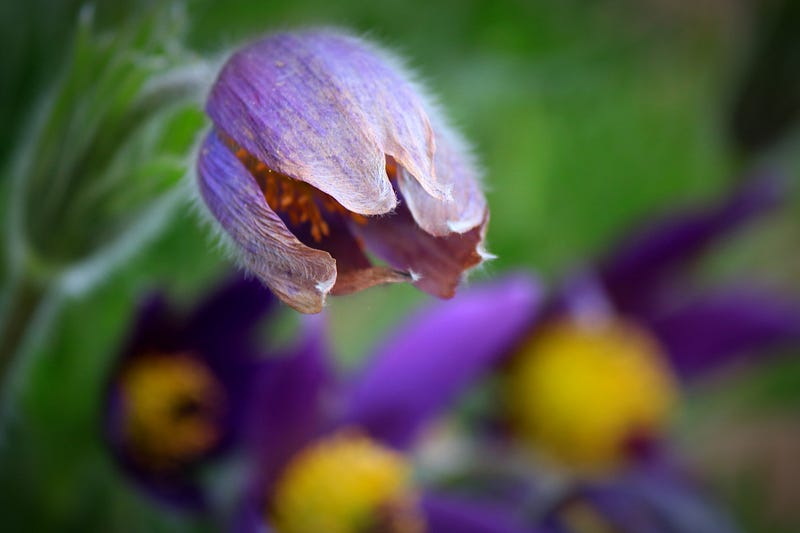
But then I posted pictures of this lovely Anemone a few weeks ago when Louise Peacock commented on my piece. She just recommended keeping a lookout for them when they are done blooming.
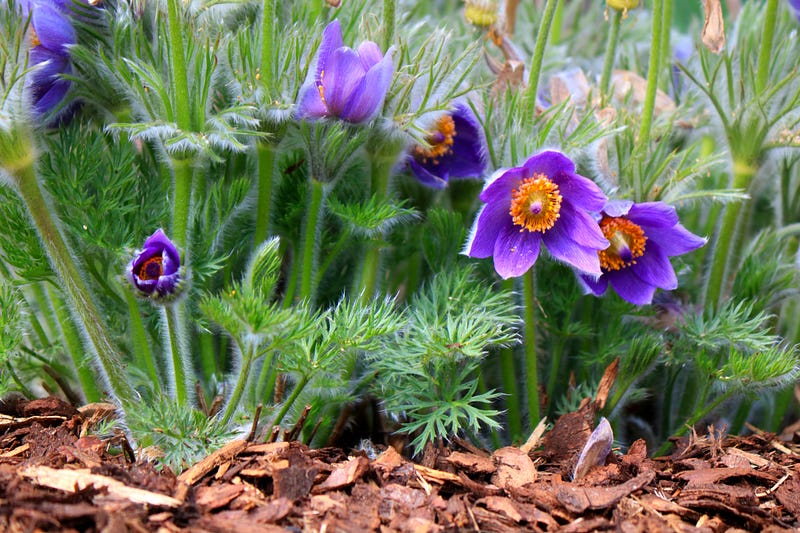
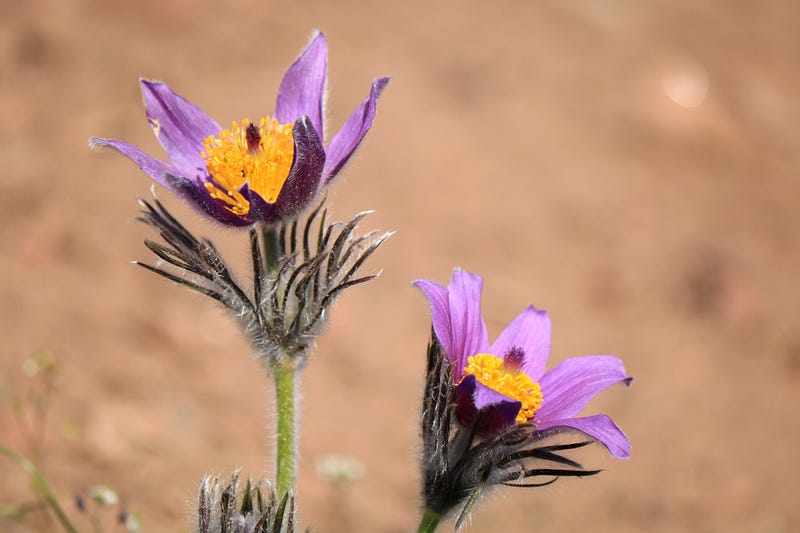
Anemone Pulsatilla | Credit: Anne Bonfert

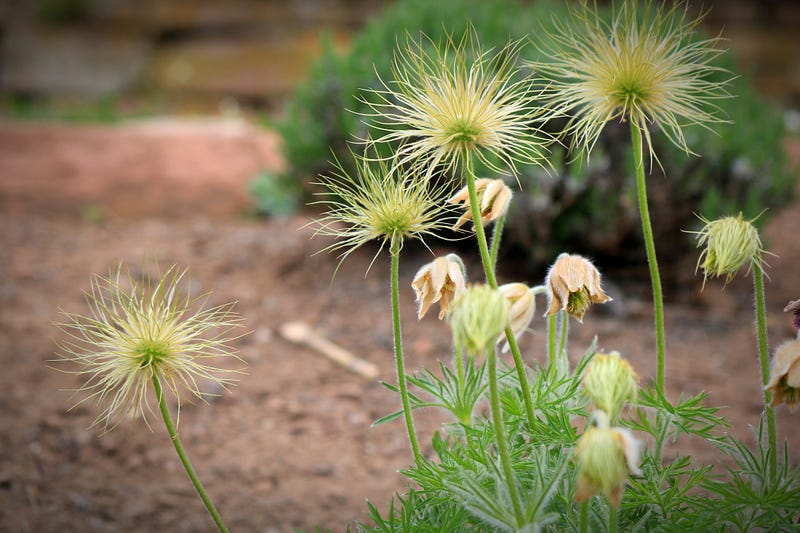
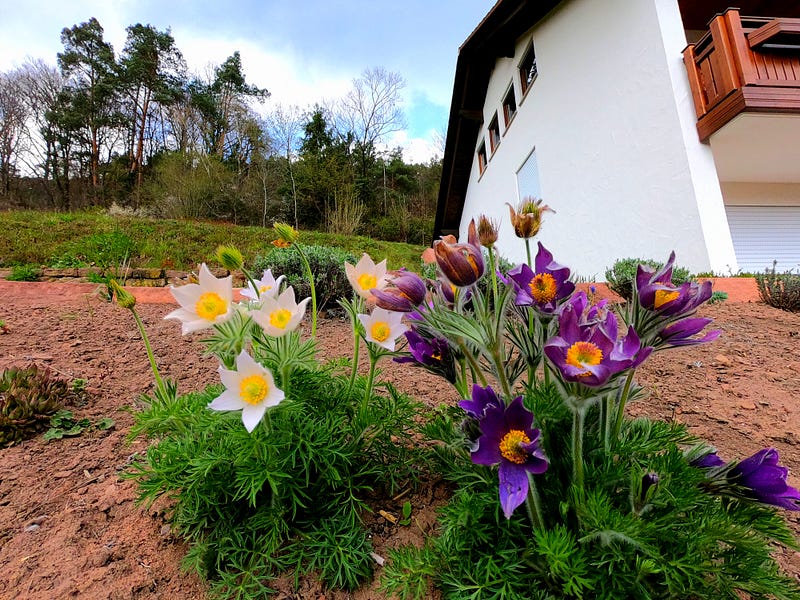
She said the withered flowers are a great photography object. I had no idea what to expect and forgot already where in the village I took these pictures. But as luck was on my side, one of my neighbors had some of them presented in the garden towards the roadside.
Credit: Anne Bonfert

My first discovery was therefore finding this anemone in a second color. After seeing them in purple I found now the white ones as well.
Credit: Anne Bonfert

But no sign of the spectacular photographic objects Louise was talking about.

Or am I mistaken?
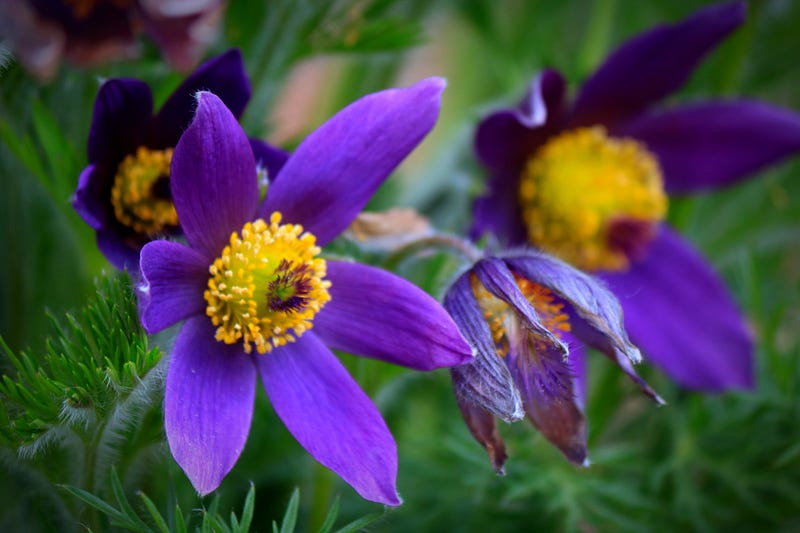
Credit: Anne Bonfert

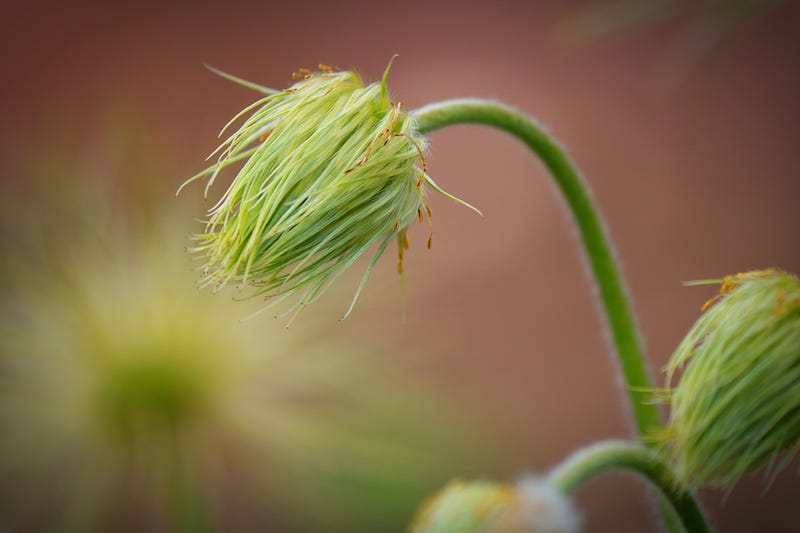
Once the petals dropped, the flower enters a second phase of presenting its very own artwork. A totally different display of beauty.
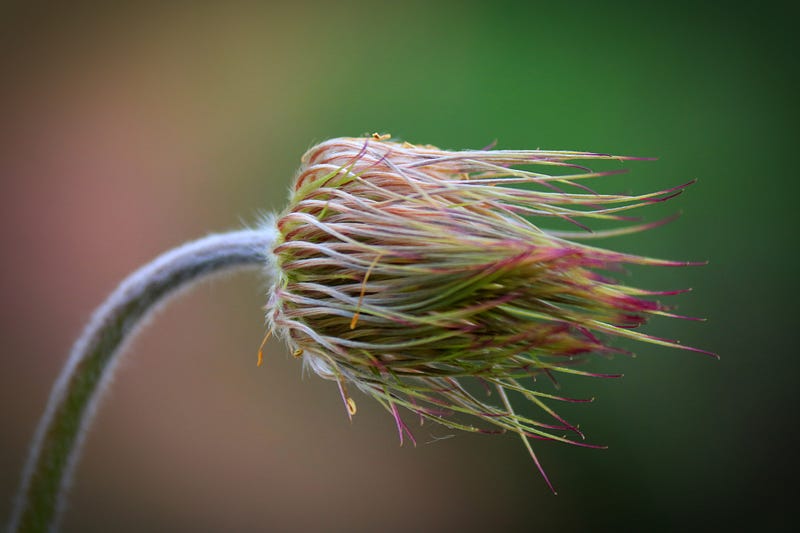
Credit: Anne Bonfert

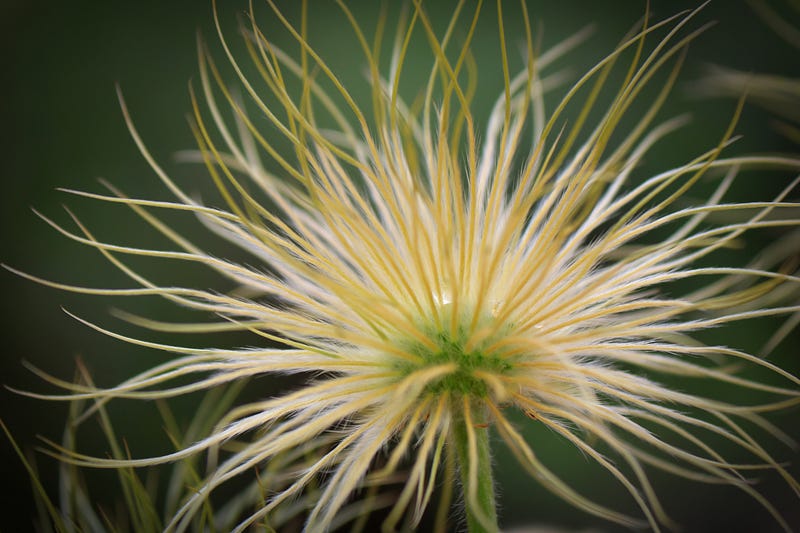
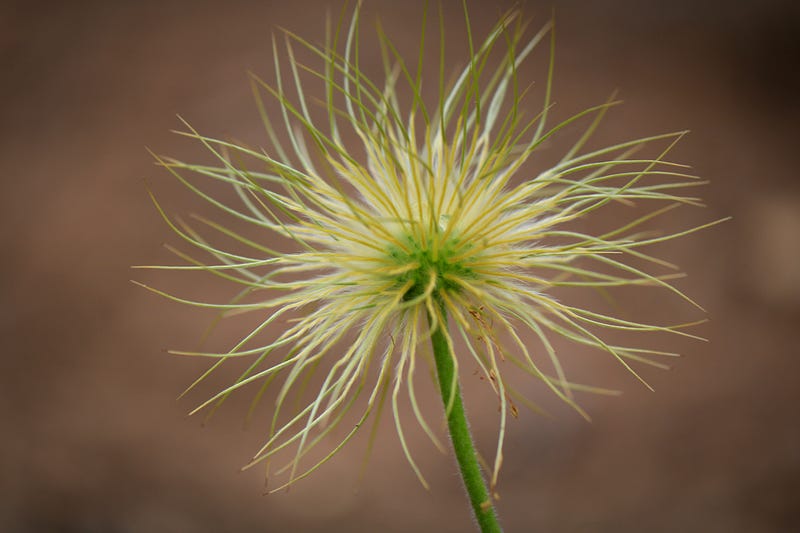
The blossom first closes within itself before she opens up all those fine string-like seeds.
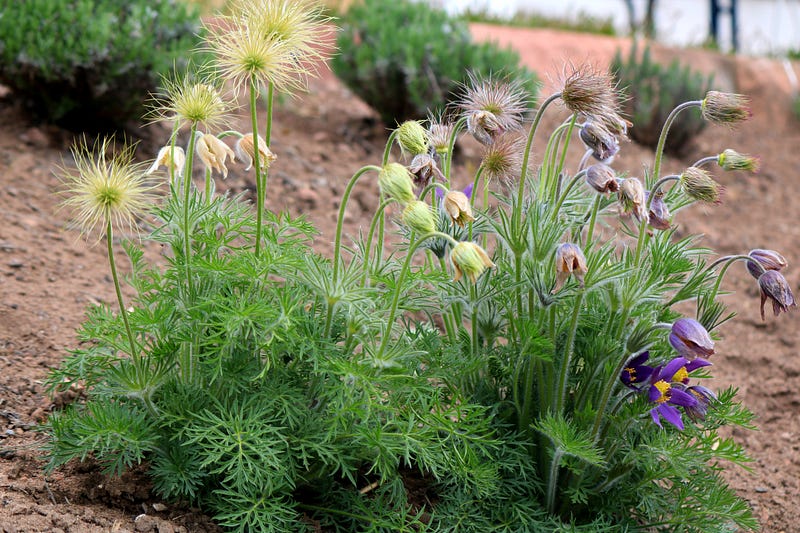
Credit: Anne Bonfert

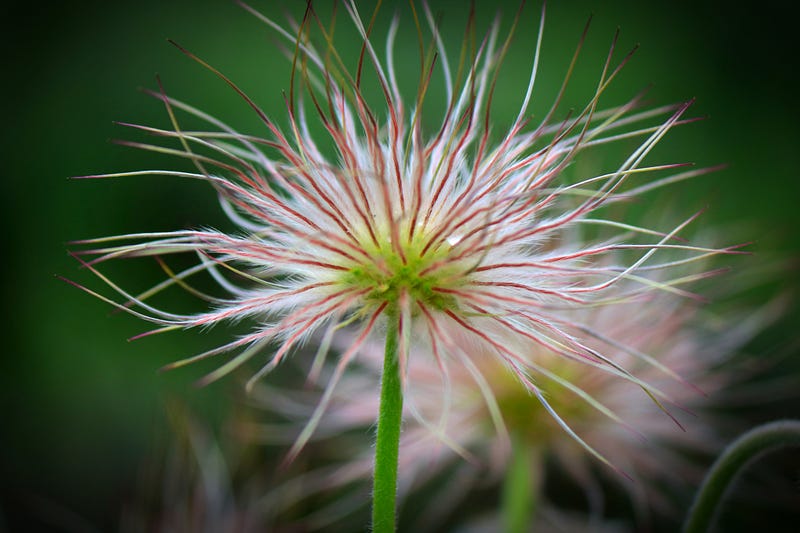
She opens up and explodes into a furry ball.

Or a spiky flower head.

Or how Louise described it as “a silky looking fringe”.
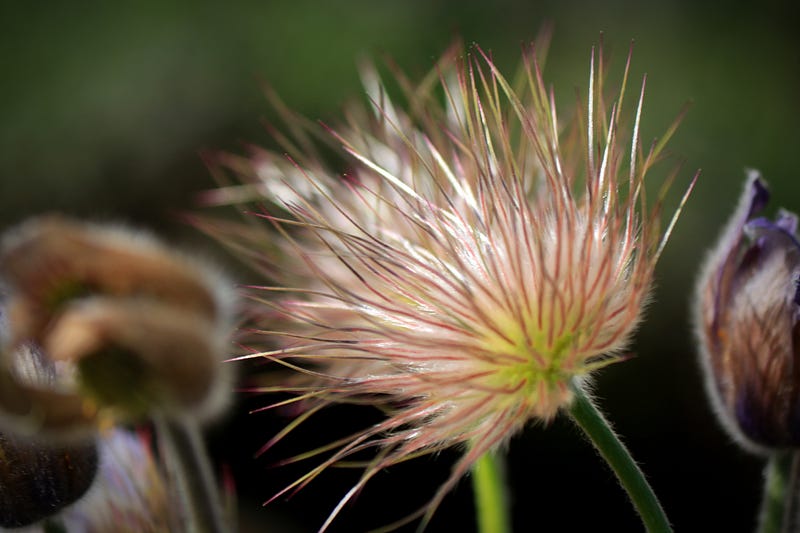
Credit: Anne Bonfert

Now, I do understand what she was talking about. This is incredible.

Incredibly beautiful.
Credit: Anne Bonfert

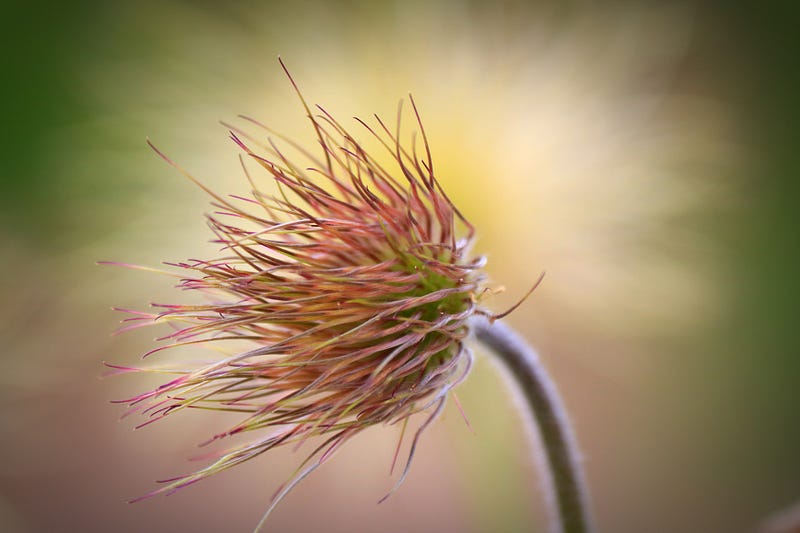
Looking at this flower head now from close by, it reminds me of a fairytale. A fairytale-like life, somewhere deep in the forests. I am no fiction writer but if there’s one out there reading this, feel free to take these magical beauties as an inspiration for your next piece.
Credit: Anne Bonfert

Thank you so much Louise Peacock for inspiring me to this post.

All photographs ©Anne Bonfert. All rights reserved.

More about nature’s artwork…

Nature
Nature Writing
Outdoors
Art
Photography
Recommended from ReadMedium