A Lonely Church in Union Point, Manitoba
Trapped between highways on a table-flat sea of grass
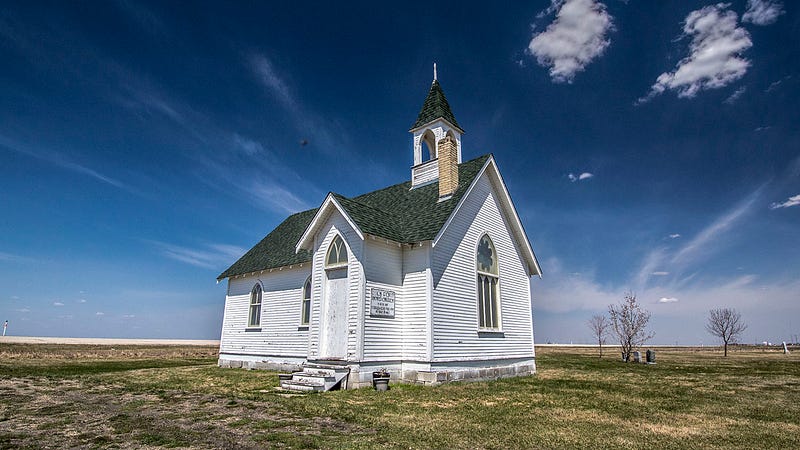
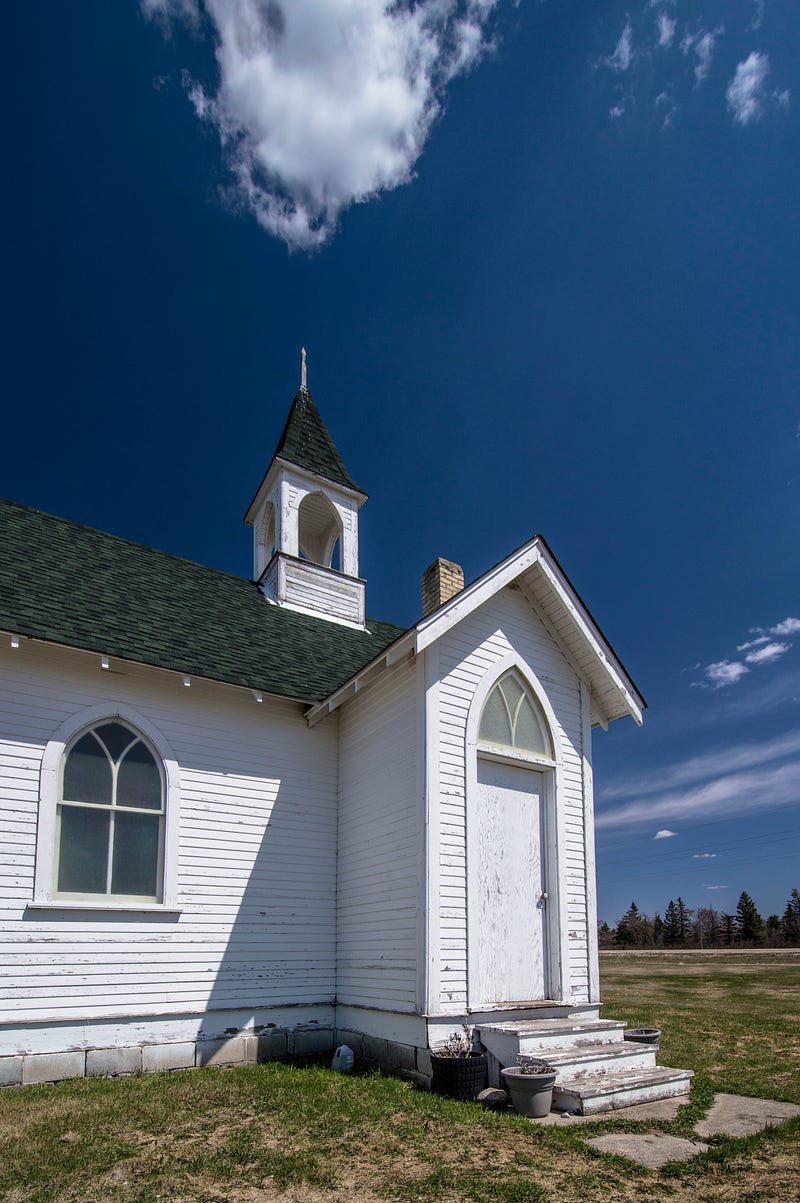
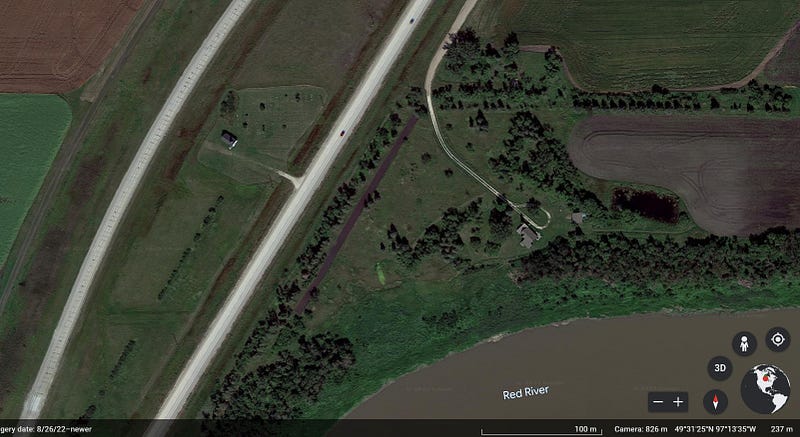
The divided highway which straddles this tiny country church is the only hint that Winnipeg, a metropolitan area of more than 700,000 people, lies just thirty minutes to the north. Otherwise, this serene spot on the prairie is a place out of time, a remote spot on the table-flat plains that were once the bottom of glacial Lake Agassiz.
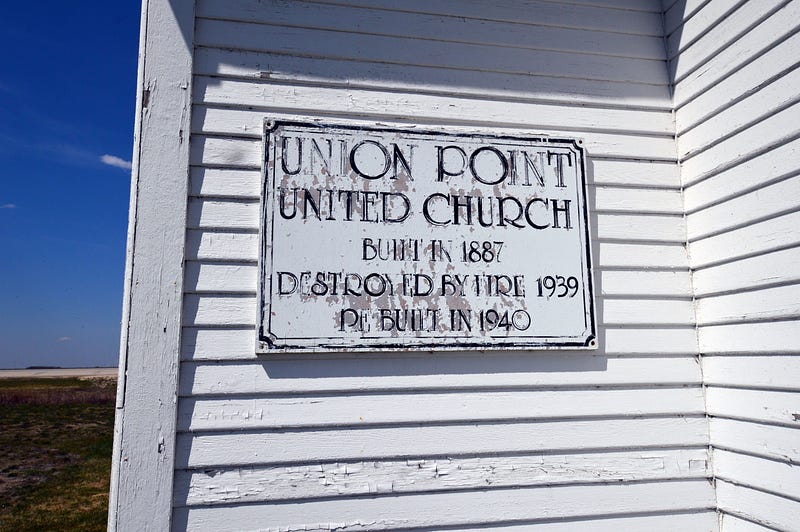
This church, however, is the last structure from what was once its own metropolitan area. Union Point United Church is all that remains of a Manitoba ghost town once known as Union Point.
The original church that was built here in those pioneer days was destroyed in a fire in 1939, but Union Point United was rebuilt in 1940.
I visited Union Point Church from Fargo by heading north on I-29. I made a brief detour into Minnesota to pick up my friend, Trish, who accompanied me on this trip. From there, it was back to Interstate 29 and north to the border crossing at Pembina. In my experience it has been a trial to get across the border in rural spots since 9/11, and this excursion was no exception.
I showed my passport and my driver’s license. The Canadian border agent questioned me extensively. They wanted to know about my car, my job, where I lived. They tried to trip me up with questions about why I was going to Canada and coming back the same day.
They turned to Trish and asked about her residency and she informed them although she lived in Minnesota, she was born in Canada and a dual-citizen. Questioning immediately stopped and they waved us on. Note to self: when traveling to Canada, it helps to have a citizen with you.
We continued our drive for about a half-hour, stopped at Tim Horton’s in Morris for coffee and something to eat, and then continued a few more miles north to Union Point.
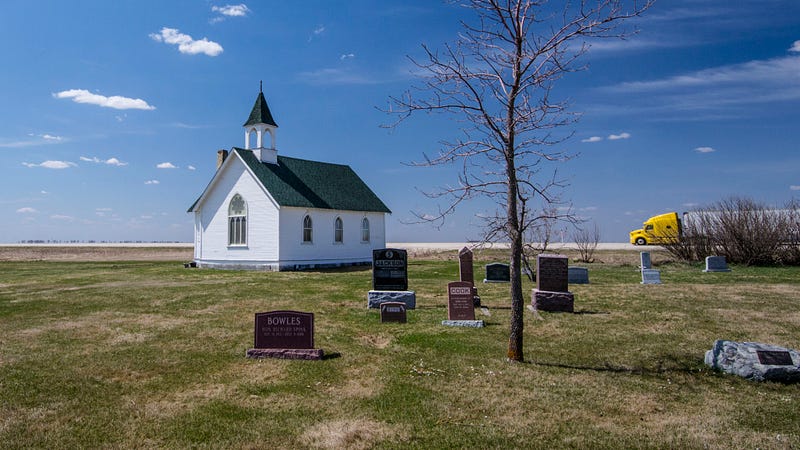
The highway known as Interstate 29 in the US becomes Highway 75 north of the Canadian border. It was originally a single two-lane highway, but in 1988, southbound lanes were added to make it a divided highway, and this church ended up right in between the northbound and southbound sections.
Union Point once had a post office, a school, a general store, and a town hall. It was founded and named due to its location, which was a junction of several modes of transportation — steamboats on the Red River, steam trains, and stage coaches from The Red River Trail. All used Union Point as a stopping point for provisions.
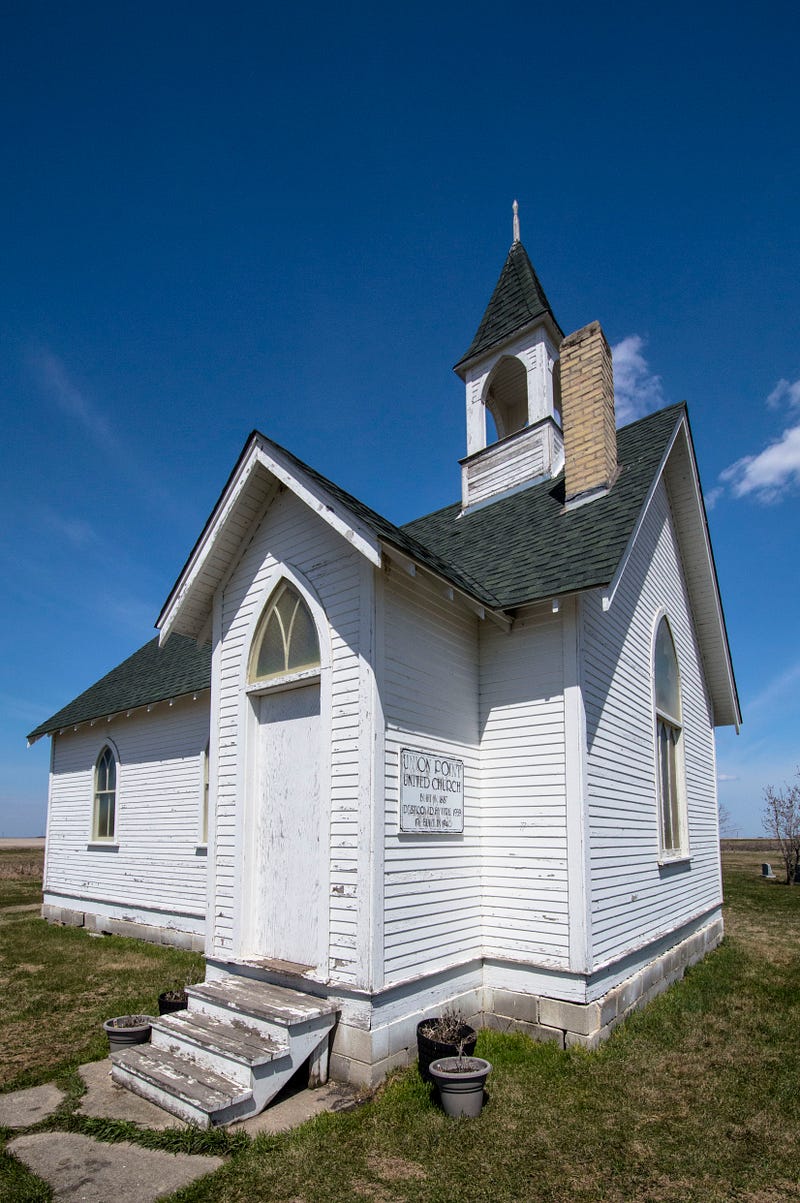
They stopped holding services in this church in 1960, and it was almost torn down in 2005, but two area families bought the property for $1 and have since volunteered their time as caretakers.
Our trip to this church was one of my favorites — not too hard to find and a really simple, pleasurable experience. There’s nothing of a “developed” tourist experience, just this lonely church in the middle of the road. It’s a popular roadside attraction, and don’t be surprised to find other travelers stopping to take selfies and stretch their legs.
I spent a considerable amount of time just enjoying the sun on my back, listening to the crickets and the whoosh of the wind across the prairie. I’m glad I took a moment to soak it in, because life has taken me in another direction and this is a place to which I will likely never return.
Until next time, Globetrotters!
Troy Larson is a writer, digital content creator, and broadcast veteran with hundreds of podcast and broadcast credits to his name. Reach out on Mastodon and on Twitter.